
Listen to this article
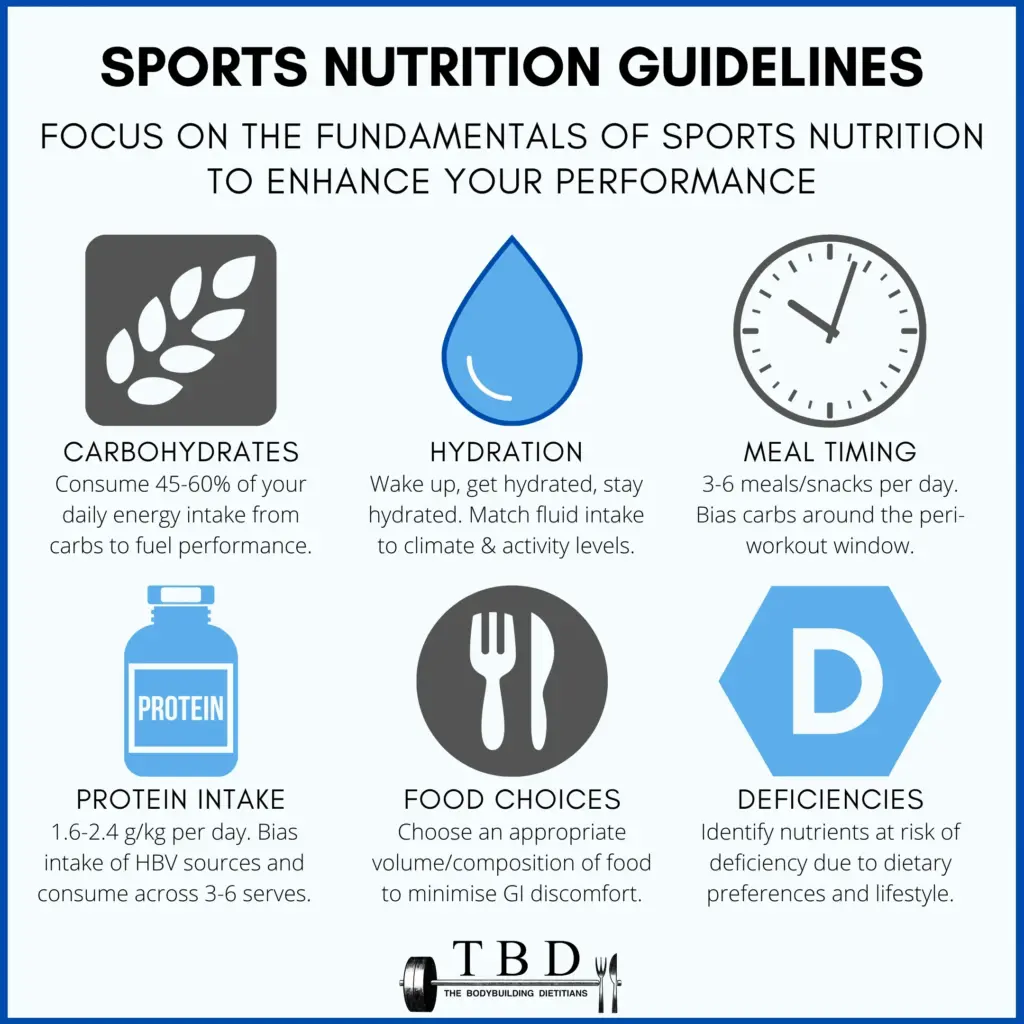
Sport nutrition is pivotal for athletes seeking to maximize their performance and maintain overall health. A well-structured athletic diet not only provides the necessary energy for training and competitions but also facilitates recovery and enhances sports performance. Key components such as nutrient timing and meal planning for athletes play a crucial role in ensuring optimal energy levels and muscle repair. Whether you are a seasoned professional or a weekend warrior, understanding how to nourish your body correctly can make a significant difference in your athletic success. Embracing the principles of sport nutrition can lead to healthier athletes who consistently perform at their peak.
Athlete-focused dietary practices encompass various aspects that go beyond mere calorie counting. Nutrition strategies for sports enthusiasts include the careful selection of food types to support physical exertion and recovery periods. Emphasizing nutrient timing can ensure that athletes fuel their workouts optimally and recharge effectively post-exercise. Additionally, having a personalized meal strategy becomes vital in keeping energy levels consistent and enhancing overall athletic performance. From optimizing macronutrient ratios to ensuring adequate hydration, understanding these dietary principles can profoundly impact an athlete’s journey.
The Importance of Macronutrients in Athletic Performance
Macronutrients are vital components of an athlete’s diet, as they provide the necessary energy for training and competition. Carbohydrates are particularly significant—they serve as the main fuel source for high-intensity workouts and endurance activities. By prioritizing carbohydrate intake, athletes can ensure their glycogen stores are adequately replenished, which directly influences performance and recovery. In addition to carbs, proteins are crucial for muscle repair and growth after strenuous exercise, helping to maintain strength and performance over time.
Furthermore, dietary fats play a pivotal role in sustaining energy levels during prolonged activities. Healthy fats not only help in energy provision but also in hormone production and the absorption of fat-soluble vitamins, which are integral for overall health and athletic performance. A balanced intake of macronutrients tailored to an athlete’s specific training regimen is essential for achieving optimal physical performance and supports long-term health.
Understanding Nutrient Timing for Athlete Performance
Nutrient timing, or the strategic intake of food before, during, and after exercise, can greatly enhance athletic performance. Consuming a meal rich in carbohydrates and protein 2-3 hours prior to a workout prepares the body for the demands to come. This timing ensures that the athlete’s energy stores are full, which can lead to improved endurance and strength during training or competition.
During exercise, particularly in endurance sports like long-distance running or cycling, athletes may benefit from ingesting quick-digesting carbohydrates. This can help maintain energy levels and performance as it combats fatigue. Post-workout nutrition is equally critical, as it allows athletes to recover effectively by aiding in muscle repair and glycogen replenishment. Consuming a combination of protein and carbohydrates within 30 minutes post-exercise enhances recovery, making nutrient timing a key strategy for sustained athletic success.
The Role of Hydration in Sports Nutrition
Hydration is integral to sports nutrition and directly influences athletic performance. Even slight dehydration can trigger fatigue and negatively affect concentration and coordination, compromising overall performance. Athletes should be aware of their hydration needs, which can vary based on the intensity of the activity, environmental conditions, and individual sweat rates. A general guideline is for athletes to drink at least 2-3 liters of water daily, adjusting this based on activity level.
Moreover, during prolonged exercise, particularly in hot conditions, athletes should also focus on replacing lost electrolytes through specialized drinks. These sports drinks not only speed up rehydration but also help maintain electrolyte balance, ensuring optimal muscle function and performance. Prioritizing hydration and electrolyte balance is essential for athletes looking to enhance their performance and recovery.
Micronutrients: Boosting Performance through Vitamins and Minerals
While macronutrients are often emphasized, the importance of micronutrients in sports nutrition cannot be overlooked. Vitamins and minerals play essential roles in energy metabolism, oxygen transport, and the reduction of exercise-induced oxidative stress. For instance, iron is crucial for transporting oxygen in the blood, while calcium and vitamin D are vital for bone health and muscle contraction. A deficiency in these micronutrients can lead to poor athletic performance and increased recovery time.
Athletes should aim to get a variety of fruits, vegetables, and whole foods in their diets to ensure they are meeting their micronutrient requirements. For example, antioxidant-rich foods such as berries and leafy greens can mitigate oxidative stress from intense training. This highlights the significance of a well-rounded diet in supporting high-level athletic performance and ensuring a healthy recovery.
Meal Planning for Athletes: Building an Athletic Diet
Effective meal planning is vital for athletes to ensure they meet their nutritional needs. An athletic diet should incorporate a well-balanced mix of carbohydrates, proteins, and fats, tailored to the individual’s sport and training routine. It’s beneficial for athletes to prepare meals in advance, ensuring that they have quick access to nutritious options throughout the day, especially during busy training schedules.
In addition to promoting consistent energy levels, meal planning helps optimize recovery by incorporating nutrient-dense foods at appropriate times. Athletes can benefit from pre-designed meal plans that outline when and what to eat, helping them to avoid poor dietary choices and ensure they are fueling their bodies appropriately for training and competition.
Special Nutritional Considerations for Different Types of Athletes
Different athletes have unique nutritional needs based on their sport, body composition goals, and personal health considerations. Endurance athletes, for example, generally require higher carbohydrate intake to maximize glycogen stores, while strength athletes may focus on increased protein consumption to support muscle repair and growth. Understanding these unique requirements is essential for creating a diet plan that enhances performance and supports each athlete’s specific training goals.
Additionally, athletes in weight-class sports must carefully manage their energy intake to maintain their performance while adhering to weight regulations. This can be particularly challenging, as any deficit can lead to decreased energy levels and performance. Thus, tailoring nutrition strategies to fit classification ensures that athletes can compete effectively without compromising health.
The Benefits of Antioxidants in Athletic Recovery
Antioxidants play a significant role in an athlete’s recovery process, specifically by combatting oxidative stress generated during intense physical exertion. Vitamins C and E, along with other antioxidants, work to neutralize free radicals produced during exercise, which can accelerate muscle fatigue. Including a variety of colorful fruits and vegetables in the diet ensures an adequate intake of these powerful compounds, promoting faster recovery times.
Beyond their recovery benefits, antioxidants are also associated with immune support and overall health. Athletes who maintain an antioxidant-rich diet are often better prepared to withstand the physical and emotional stresses associated with training and competition. Therefore, prioritizing this nutrient class not only enhances recovery but also contributes to improved long-term performance.
Navigating Dietary Supplements for Athletes
The use of dietary supplements is common among athletes seeking to enhance their performance and recovery. While some supplements, like protein powders and electrolytes, can be beneficial, others may not provide the promised effects or could even be detrimental. It’s essential for athletes to consult with nutritionists or sports dietitians to identify which supplements, if any, could support their training regimen effectively.
Furthermore, athletes should be aware of the potential risks of contamination and banned substances in supplements. The importance of transparency and quality certification in supplements cannot be overstated; opting for products that undergo third-party testing can help ensure the safety and efficacy of what they are consuming. Education on supplements is essential to maximize benefits while avoiding unnecessary risks.
Creating a Balanced Plan: Combining Knowledge and Strategy in Sports Nutrition
Combining knowledge of nutrition with a well-designed strategy is essential for athletes looking to optimize performance. Understanding individual needs based on training intensity, body composition, and specific sports requirements allows athletes to tailor their nutritional intake effectively. A balanced plan enables athletes to cycle nutrients appropriately and provide the body with what it needs when it needs it.
Moreover, continuously evaluating and adjusting meal plans based on performance metrics ensures that athletes can respond proactively to their body’s changing needs. This strategic approach not only enhances physical performance but also promotes longevity in the sport, allowing athletes to maintain their peak performance over time.
Frequently Asked Questions
What is the role of sports nutrition in athletic performance?
Sports nutrition plays a vital role in athletic performance by providing the right balance of macronutrients and micronutrients that fuel the body for peak exertion. It optimizes energy levels, enhances recovery, and supports overall health, enabling athletes to perform at their best.
How can an athletic diet improve recovery times?
An athletic diet rich in proteins, carbohydrates, and healthy fats helps repair muscle tissue, replenish glycogen stores, and reduce inflammation after exercise. This balance accelerates recovery times, allowing athletes to train harder and recover faster between sessions.
What is nutrient timing and how does it affect sports performance?
Nutrient timing refers to eating specific foods at strategic times to enhance athletic performance. Consuming carbohydrates and proteins before, during, and after workouts can maximize exercise effectiveness, improve energy levels during training, and boost recovery speeds.
Why is meal planning for athletes important?
Meal planning for athletes is crucial as it ensures they consume the right mix of macronutrients and micronutrients daily. Proper planning helps optimize performance, maintain ideal body composition, and prevent fatigue, making it easier to achieve athletic goals.
What macronutrient balance should athletes aim for in their diet?
Athletes should aim for a macronutrient balance of 60-70% carbohydrates, 15-20% protein, and 20-35% fats in their diet. This ratio supports energy needs, muscle repair, and overall health, enhancing sports performance.
How do micronutrients contribute to sports performance?
Micronutrients, including vitamins and minerals, are essential for energy production, immune function, and muscle contraction. Adequate intake supports optimal sports performance and helps prevent injuries and fatigue.
What are the best sources of carbohydrates for athletes?
The best sources of carbohydrates for athletes include whole grains, fruits, vegetables, and legumes. These foods provide the necessary glycogen storage for energy during workouts and improve overall athletic performance.
How much protein should athletes consume daily?
Athletes should consume between 1.2 to 2.0 grams of protein per kilogram of body weight daily, depending on their training intensity. Adequate protein intake is essential for muscle recovery and growth.
What hydration strategies should athletes follow?
Athletes should aim to drink at least 2-3 liters of water daily and include electrolyte-rich beverages during prolonged exercise. Staying hydrated enhances performance, reduces fatigue, and maintains overall bodily functions.
What special nutrition considerations should be made for endurance athletes?
Endurance athletes should focus on a higher carbohydrate intake to maximize glycogen storage and improve stamina. They may also need to incorporate electrolyte replacements and carefully plan post-exercise nutrition for optimal recovery.
| Aspect | Key Points |
|---|---|
| Macronutrients | Carbohydrates are the primary energy source; 60-70% of daily intake. |
| Macronutrients | Proteins support muscle repair; 1.2 to 2.0 grams per kg body weight. |
| Macronutrients | Fats provide long-term energy; 20-35% of total calories should come from fats. |
| Micronutrients | Important for bodily functions; includes iron, calcium, and antioxidants. |
| Timing and Planning | Pre-workout meals, during exercise carbs, and post-workout protein are important. |
| Hydration | Aim for 2-3 liters of water daily and replenish electrolytes during exercise. |
| Special Considerations | Different athletes have varying requirements for carbs, proteins, and energy. |
Summary
Sport Nutrition is vital for athletes at all levels, as it directly impacts performance, recovery, and overall health. To enhance athletic performance, understanding the balance of macronutrients—carbohydrates, proteins, and fats—is essential. Additionally, incorporating vital micronutrients, adhering to meal timing, and maintaining proper hydration are crucial. By tailoring nutrition strategies to individual needs, athletes can fuel their bodies effectively, enabling them to reach peak performance. This knowledge empowers athletes to optimize their training, ensuring they perform at their best during competitions and events.

