
Listen to this article
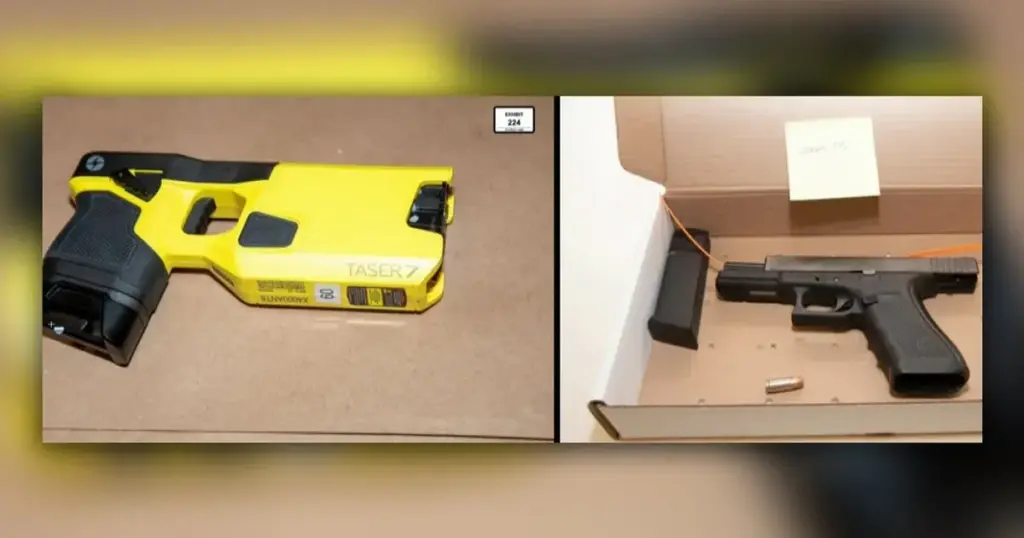
The trial surrounding the Taser use by a Metropolitan Police officer has drawn significant attention, as it explores the critical dynamics of public safety in policing and accountability in the criminal justice system. On April 24, 2022, officer PC Liam Newman deployed a Taser on Leonard Sandiford, a suspected burglar who subsequently suffered life-altering injuries after falling from a wall. As the jury deliberates its verdict, the case underscores the ongoing police Taser debate, questioning the appropriateness of force used in situations of minor offenses. Critics argue that such conduct could amount to grievous bodily harm, while proponents emphasize the necessity of maintaining safety for officers and the public alike. This trial not only examines individual actions but also reflects broader issues regarding the rules governing police strategy and the impact on community trust.
The current legal proceedings involving the use of an electroshock weapon by a police officer highlight the underlying issues of law enforcement conduct and societal expectations. This particular incident, which left the suspect severely injured, raises important questions about the acceptable limits of force in policing and the implications for public trust in law enforcement agencies. As the jurors assess the facts, the trial serves as a crucial battleground in the ongoing discussions about police practices and their consequences on community safety. Arguments surrounding the rationale behind using such devices during apprehensions will certainly continue to spark debate among legal experts and the public alike. Ultimately, this case reinforces the need for transparency and accountability within the police force in the face of growing scrutiny over their actions.
Understanding Taser Use in Policing: The Leonard Sandiford Case
The trial concerning the use of Tasers by law enforcement has taken center stage, particularly in light of the Metropolitan Police incident involving Leonard Sandiford. On April 24, 2022, Sandiford was Tasered while fleeing from police, resulting in severe injuries that ultimately left him tetraplegic. This case has reignited the debate over the appropriateness of Taser use in policing and whether it serves the public safety initiatives proposed by law enforcement agencies. As the jury deliberates, the case exemplifies the broader implications for accountability within the criminal justice system.
PC Liam Newman, the officer involved, faces serious allegations of grievous bodily harm, raising questions about the constraints and responsibilities imposed on officers when engaging with suspects. The prosecution argues that Newman’s use of the Taser was unnecessary and indicative of ‘lazy policing,’ while the defense suggests that his intentions were rooted in self-defense and public safety. The intricacies of this case not only impact those directly involved but also resonate in discussions on reforming policing practices that rely on non-lethal weapons.
The Police Taser Debate: Public Safety vs. Law Enforcement Practices
This case exemplifies the ongoing police Taser debate, emphasizing the tension between public safety and law enforcement practices. Critics of Taser use in policing often argue that such tools can lead to disproportionate harm, particularly in cases like Sandiford’s, where the consequence of deployment resulted in life-altering injuries. As communities call for increased accountability within the police force, the conversations surrounding Taser use are critical to re-evaluating how officers engage with suspects, particularly in situations where they may not pose an immediate threat.
Supporters, however, contend that Tasers provide a necessary option for law enforcement, allowing officers to manage volatile situations without resorting to lethal force. The ability to incapacitate a suspect without firearms is considered a step forward in policing techniques aimed at minimizing fatalities. In this context, examining the events leading up to Sandiford’s injury is crucial; public safety initiatives must ensure that the tools available to officers align with ethical standards and community expectations.
Criminal Justice Accountability: Implications of the Sandiford Trial
The trial of PC Liam Newman raises significant issues of criminal justice accountability, especially concerning the use of force by police officers. The jury’s forthcoming verdict will not only determine the fate of Newman but will also set a precedent for how similar cases are handled in the future. As society grapples with the need for accountability in law enforcement, this case highlights the complexity of balancing officer discretion with community safety. The outcome could potentially influence policies surrounding Taser deployment and the broader legislation governing police conduct.
Furthermore, as public scrutiny on policing intensifies, the implications of the Sandiford case extend beyond the courtroom. The evaluation of officer behavior during such incidents prompts questions regarding the overall training and support provided to law enforcement personnel. If the jury finds Newman guilty, it could catalyze discussions on reforming police tactics, ensuring that accountability mechanisms are in place to prevent excessive use of force in the future.
The Role of Body Cameras in Police Accountability: A Case Study
In the case against PC Liam Newman, the presence of his body-worn camera provides a crucial component in evaluating the legitimacy of his actions. Body cameras have been heralded as a solution to enhance police accountability and transparency, enabling the public and legal systems to review incidents objectively. As the jury assesses the evidence, they will consider how the footage may inform their understanding of Newman’s perception of threat and his subsequent decision to deploy the Taser.
However, the effectiveness of body cameras in promoting accountability is often debated. Critics argue that these devices may not always capture the full context of an incident or could be subject to selective editing. Nonetheless, in high-profile cases like Sandiford’s, body camera footage plays a pivotal role in assessing the actions of officers and the resulting impact on the community. This case could serve as a landmark moment in affirming the necessity of such technology in fostering trust between law enforcement and the public.
Evaluating the Impact of Police Techniques on Community Relations
Taser use by police officers is not merely a tactical decision; it greatly impacts community relations and public perception of law enforcement. The Leonard Sandiford incident serves as a stark reminder of the consequences that arise from utilizing force, especially in situations where escalation is not warranted. Communities are increasingly advocating for police strategies that prioritize de-escalation and mental health assessments, recognizing that aggressive tactics can lead to distrust and resentment towards law enforcement.
Effective policing should involve building partnerships within communities rather than imposing authority through forceful means. The ongoing discussions sparked by the Sandiford case indicate a shifting mindset toward more humane policing approaches. As authorities reassess their commitment to public safety in policing, engaging with and listening to constituents may provide a pathway to reforming traditional methods that prioritize compliance over cooperation.
The Legal Consequences of Taser Deployment in Police Work
The legal ramifications surrounding Taser deployment in police work are under scrutiny with the trial of PC Liam Newman. This case brings forth the question of liability—when officers are held accountable for their actions, particularly when those actions lead to severe injury or death. Sandiford’s situation exposes the potential for civil suits against law enforcement agencies should it be found that the use of a Taser was unwarranted. Such outcomes not only have implications for the individuals involved but can also shape future policy on police use of force.
Legal precedents set by cases like Sandiford’s can have wide-reaching effects on how law enforcement agencies implement Taser policies and train their personnel. Understanding the boundaries of acceptable use of force is essential for both police officers and the communities they serve. As legal frameworks evolve in response to these cases, the objective must remain centered on balancing the rights of individuals against the responsibilities of law enforcement officials.
The Importance of Community Input in Policing Policies
The Leonard Sandiford case underscores the necessity of community input in shaping policing policies, especially regarding Taser use and other use-of-force measures. Community members are often the most affected by law enforcement practices, and their experiences can provide valuable insights into what policies promote safety and trust. Engaging with citizens and incorporating their feedback into policymaking ensures that law enforcement agencies are held to standards that reflect community values.
Furthermore, public forums and discussions around specific incidents, like that of Sandiford, enable communities to address their concerns directly with police officials. As more cases arise regarding Taser deployments, the need for transparency and dialogue becomes even more relevant. Policymakers should seek to create platforms for effective communication, ensuring that the rules governing police conduct align with community safety objectives and foster a collaborative atmosphere.
Navigating the Ethics of Taser Use in Law Enforcement
The ethical implications of Taser use are central to the ongoing debate regarding police practices, illustrated by the trial of PC Liam Newman. Officers often find themselves in high-pressure situations where quick decisions must be made, yet these choices can have lasting consequences. The ethical considerations surrounding the use of Tasers involve assessing not only the immediate threat posed by a suspect but also the potential risk of resulting injuries. The Sandiford case exemplifies the dire need for a moral framework guiding the use of such devices.
Moreover, establishing clear ethical guidelines for Tasers in policing can aid officers in making informed decisions under duress. Training that emphasizes these ethics alongside tactical preparation may reduce the likelihood of harmful outcomes. As society calls for reforms in policing practices, the development of ethical standards regarding Taser deployment could mitigate the risks of excessive force, aligning law enforcement practices more closely with community expectations.
Future of Policing: Lessons from the Sandiford Incident
The Sandiford incident serves as a pivotal case that can influence the future direction of policing practices, particularly in the realm of non-lethal use of force. As the jury deliberates, the outcomes may set a precedent that encourages reform in law enforcement training, policies, and community engagement. The legal considerations surrounding this case highlight a growing recognition of the complexity involved in modern policing and the need for comprehensive approaches to minimize harm while maintaining public safety.
Looking ahead, it is crucial for law enforcement agencies to learn from incidents like Sandiford’s to develop practices that prioritize de-escalation and community cooperation. By adopting strategies that take into account the ramifications of Taser use and the ethical responsibilities of officers, police forces can work towards regaining the public’s trust. As communities demand accountability, transparency, and better engagement from their law enforcement personnel, the Sandiford trial may embody a transformative moment in the evolution of effective policing.
Frequently Asked Questions
What is the significance of the Taser use trial involving the Metropolitan Police officer?
The Taser use trial of the Metropolitan Police officer is significant as it raises critical questions about police accountability, public safety in policing, and the legality of force used in apprehending suspects. In this case, the officer faces charges of grievous bodily harm after using a Taser on a suspected burglar who is now tetraplegic, highlighting concerns about the appropriateness of using such devices in police work.
How does the police Taser debate relate to the Metropolitan Police incident?
The police Taser debate is directly related to the Metropolitan Police incident as it underscores the broader conversation around the use of Tasers by law enforcement. Critics argue that Tasers can lead to excessive force and dangerous outcomes, as demonstrated in this trial, where the use of a Taser resulted in life-altering injuries for the suspect, thus highlighting the need for stricter regulations and training for officers.
What are the implications of this Taser use trial for public safety in policing?
The implications of this Taser use trial for public safety in policing are profound. It raises concerns about how police officers assess threats and the decision-making process behind using Tasers. As jurors deliberate on this case, the outcome may influence future policies and training regarding the use of Tasers, aiming to enhance accountability and minimize harm in situations involving potential arrest.
What charges is PC Liam Newman facing in the Taser use trial?
PC Liam Newman is facing charges of grievous bodily harm in the Taser use trial. The prosecution argues that his use of the Taser against Leonard Sandiford was unreasonable and unlawful, designed more to prevent escape than to protect himself or others, marking a critical point in the ongoing discourse around accountability in criminal justice.
How does the defense argue PC Liam Newman’s actions were justified in the Taser use trial?
The defense in the Taser use trial argues that PC Liam Newman acted with good intentions and out of a sense of public duty. His attorney contends that Newman reasonably believed Sandiford was armed and posed a threat, thus his actions were motivated by an instinct to protect himself and the public, rather than as an example of lazy policing.
| Key Points |
|---|
| The jury is deliberating in a Taser use trial involving PC Liam Newman. |
| Newman faces charges of grievous bodily harm against Leonard Sandiford, who became tetraplegic after falling. |
| Sandiford was fleeing from police in Woodford Green when he was Tasered on April 24, 2022. |
| The prosecution argues the Taser use was ‘lazy policing’ and unlawful. |
| The defense claims Newman acted in good faith and was protecting himself and the public. |
| The jury will continue their deliberations on Tuesday at 10:00 GMT. |
Summary
The Taser use trial currently underway involves critical discussions surrounding the actions of PC Liam Newman, who is accused of grievous bodily harm following an incident where Leonard Sandiford fell from a wall after being Tasered. The contrasting arguments from the prosecution and defense reflect the complex issues at play in law enforcement and the appropriate use of force. As the jury deliberates, the outcome of this trial will undoubtedly impact perceptions of policing tactics regarding Taser deployments.