Listen to this article
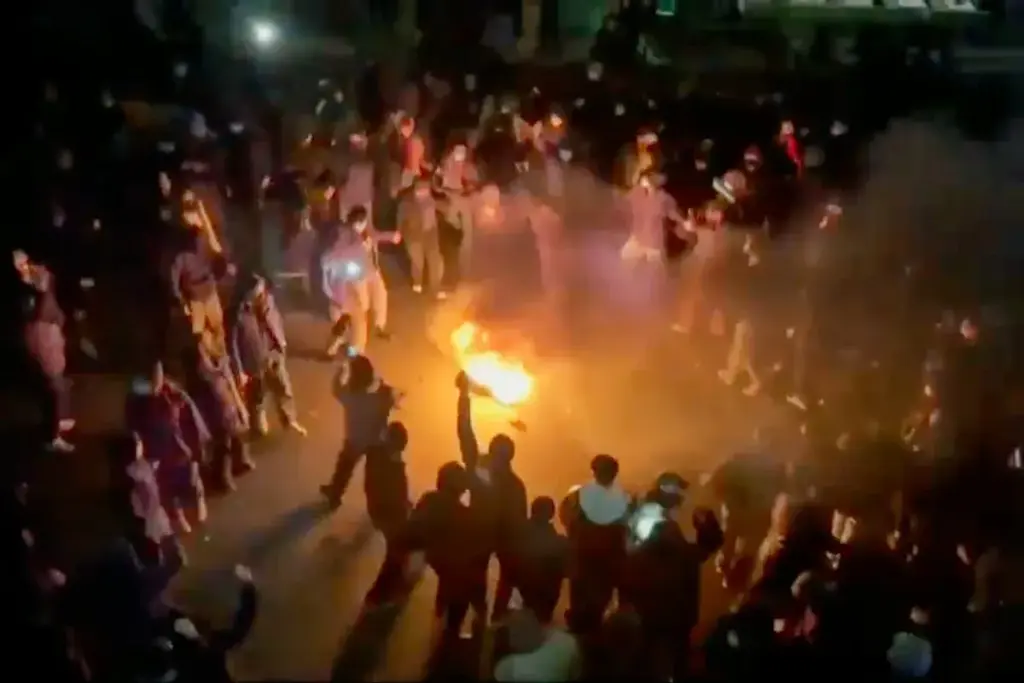
The Iran protests have erupted into unprecedented violence and turmoil as anti-government demonstrations sweep across the country, resulting in countless Iran protest deaths. Voices of anger resonate in streets once filled with silence, as both protesters and security personnel face tragic fates in these clashes. Among the many victims, a beloved coach and a passionate student tragically lost their lives, igniting national outcry and grief. The government crackdown in Iran has intensified in response to the growing unrest, leading to accusations of human rights abuses and a silencing of dissent. As sadness mingles with rising anger over protest victims Iran, calls for accountability are growing louder amid the fear of repression.
Recent unrest in Iran has sparked widespread demonstrations and significant civil unrest, fundamentally challenging the existing political landscape. Citizens from various backgrounds unite under a common cause, voicing their frustrations against the prevailing regime and demanding change. This wave of discontent has resulted in the tragic loss of lives, highlighting the undeniable costs of the protests and the brutal government crackdown that has ensued. Amidst the turmoil, the voices of the oppressed resonate, pressing for urgent reforms and respect for human rights in Iran. As the events unfold, it remains critical to observe the growing movement aimed at dismantling decades of systemic issues and striving for a brighter future.
The Causes Behind the Iran Protests
The recent surge of protests across Iran has been fueled by a confluence of socio-economic grievances and political discontent. Economic hardship, exacerbated by international sanctions and government mismanagement, has sparked widespread public dissatisfaction. This discontent found its voice on December 28 when demonstrations erupted in Tehran and quickly spread to 186 cities, revealing a national cry for change. The Iranian populace, frustrated with the Islamic Republic’s economic policies and political repression, has taken to the streets to demand accountability and reform. Understanding the root causes is essential to grasp the larger context of the protests, indicating deep-seated issues that extend beyond mere economic struggles.
Additionally, the protests are driven by a lingering resentment against state oppression and human rights violations in Iran. Citizens are increasingly vocal about their desire for democratic principles and an end to the authoritarian regime led by Supreme Leader Ayatollah Khamenei. The tragic deaths of protest victims, including a beloved futsal coach and a brave student, have further galvanized public outrage. These figures symbolize the broader struggle of ordinary Iranians against a government that many perceive as increasingly oppressive. The convergence of economic distress and demands for political liberties underscores the urgency and significance of these protests.
The Tragic Toll of the Iran Protests
The death toll resulting from the Iran protests has been alarming, with human rights organizations reporting nearly 500 lives lost, including both protesters and security personnel. The tragedy of innocent lives cut short, like those of Amir Mohammad Koohkan and Rubina Aminian, reinforces the desperate and volatile nature of the current unrest. Eyewitnesses and family members describe these individuals as symbols of hope and resistance, whose sacrifices highlight the profound human cost of the government’s crackdown. The loss of promising young lives in such brutal circumstances fuels further anger and frustration among the protesters, deepening the resolve against a regime that they feel has betrayed them.
As protests have escalated, reports indicate that thousands have been arrested under the pretext of maintaining order. This atmosphere of fear and repression is compounded by stories of victims whose families have faced additional suffering while trying to mourn. The government’s response has included the suppression of information through internet blackouts and media censorship, making it difficult for the outside world to grasp the full scope of the crisis. In this environment, each death represents not only a personal tragedy but also a poignant reminder of the ongoing fight for human rights in Iran, where voices of dissent are met with brutal government crackdowns.
The Role of Human Rights in the Iran Protests
Human rights have taken center stage in the discourse surrounding the Iran protests, as activists and international organizations shine a spotlight on the abuses that have been perpetrated against demonstrators. The Iranian government’s harsh response, including the use of lethal force and arbitrary detention, raises urgent moral and legal questions about the treatment of citizens participating in peaceful demonstrations. Organizations such as Iran Human Rights (IHRNGO) are tirelessly working to document violations and advocate for accountability, yet they face significant challenges due to the oppressive environment within Iran. The stories of protest victims serve not only as heartbreaking reminders of the current struggle but also as a rallying point for the global community to demand justice and support for the people of Iran.
The crackdown on protests has sparked an international outcry, with calls for the Iranian government to cease its violent repression and respect fundamental human rights. Social media and independent news outlets play a pivotal role in amplifying the voices of those demanding justice and highlighting the plight of victims like Koohkan and Aminian. As the situation continues to evolve, the protection of human rights in Iran remains a central focus; advocacy efforts aim to ensure that the sacrifices of the fallen are not forgotten. The movement’s resilience reflects a deep-rooted yearning for freedom and dignity in the face of tyranny, pushing the narrative of human rights to the forefront of this historic struggle.
Government Crackdown: A Cycle of Violence
The Iranian government’s crackdowns on protests have escalated into a cycle of violence that perpetuates fear and repression among citizens. With reports indicating that over 10,600 people have been arrested, the scale of the government’s efforts to quash dissent has reached alarming levels. The use of live ammunition and excessive force has transformed street demonstrations into deadly encounters, prompting widespread condemnation from human rights organizations and foreign governments alike. This alarming trend reflects a regime that is increasingly willing to resort to violence in order to maintain its grip on power, further alienating the populace and deepening societal fractures.
In recent protests, the government’s narrative has attempted to justify its actions by portraying demonstrators as foreign instigators or troublemakers, a tactic that aims to deflect responsibility and minimize internal dissent. Such rhetoric serves to dehumanize those involved in the protests and shift blame away from government abuses. However, the stark reality of grieving families and fallen activists like Koohkan and Aminian challenges this narrative, underscoring the human cost of such oppressive tactics. The cycle of violence instigated by the government not only leads to immediate casualties but also fosters long-term resentment and resistance among the Iranian people, highlighting the unsustainability of authoritarian rule.
Voices of Protest: The Impact of Personal Stories
The individual stories of protest victims have become potent symbols of the Iranian people’s struggle for freedom and justice. As we share the narratives of figures like Amir Mohammad Koohkan and Rubina Aminian, we not only honor their memory but also elevate the collective voice of those demanding change. Personal testimonies become a powerful tool in drawing attention to the atrocities and injustices taking place within the country. Each story resonates with emotional depth, showcasing the human side of the protest movement that statistics alone cannot convey. These personal experiences help to galvanize public empathy and support for the fight against state repression.
Moreover, the documentation of these stories serves as an essential historical record for future generations, emphasizing the brave sacrifices made by individuals standing up against an oppressive regime. The way society responds to such narratives can shape perceptions and influence international dialogue regarding human rights in Iran. By sharing the experiences of those who have suffered at the hands of government crackdowns, activists and advocates can inspire others to join the fight for justice, ensuring that the voices of the fallen are not silenced but rather serve as a catalyst for profound change.
International Reactions to the Iran Protests
The international community’s response to the ongoing Iran protests has varied, with some countries voicing strong condemnation of the government’s violent tactics, while others have remained more cautious in their statements. Major powers such as the United States have condemned the regime’s actions and expressed support for the rights of Iranians to peacefully protest and seek change. Political leaders and human rights organizations have called for sanctions against Iranian officials implicated in human rights violations, demonstrating a willingness to hold the government accountable for its repression. This global attention can provide a sense of solidarity to the protesters, reinforcing their demands for justice and reform.
However, international reactions are often complicated by geopolitical considerations, with nations wary of exacerbating tensions with Iran. The narrative that labels protesters as foreign pawns, propagated by the Iranian government, complicates the discourse surrounding international intervention. While the protests are primarily driven by internal discontent, the regime’s claims of foreign influence serve as a convenient scapegoat for the government’s failure to address the legitimate grievances of its people. As international observers continue to monitor the situation, it remains crucial to highlight the importance of supporting the Iranian populace in their pursuit of human rights and an end to governmental oppression.
The Future of Iran Amid Ongoing Protests
The future of Iran remains uncertain as the protests continue to challenge the status quo established by the Islamic Republic. With demonstrators increasingly vocal in their calls for fundamental changes, the government faces a significant dilemma: respond with force or consider meaningful reforms. The ongoing unrest reflects not only discontent with political leadership but also a broader desire for a more democratic society that respects individual freedoms and rights. Citizens are risking their lives to advocate for change, and the costs associated with continued oppression may eventually force the government to reevaluate its approach.
Moreover, as more young people become involved in the protest movement, it signifies a generational shift in attitudes toward governance and authority. The testimonies of victims like Koohkan and Aminian resonate with a younger audience that is increasingly aware of global human rights standards. This demographic could be pivotal in shaping Iran’s future, pushing towards a system that prioritizes democracy and human rights. As the protests continue, they represent more than just dissent; they embody a fundamental yearning for a better life and an end to decades of authoritarian rule, making the stakes incredibly high for both the protesters and the regime.
Frequently Asked Questions
What are the current Iran protest deaths reported during the recent demonstrations?
As of recent reports, nearly 500 protesters and 48 security personnel have been killed during the massive anti-government protests in Iran over the past two weeks. Human rights organizations suggest that the actual death toll could be higher.
Who are the notable protest victims in the Iran protests?
Among the notable protest victims is Amir Mohammad Koohkan, a futsal coach who was killed by live ammunition in Neyriz, and Rubina Aminian, a 23-year-old student shot during protests in Tehran. Both were widely mourned and highlighted the severity of the government crackdown in Iran.
What has been the government’s response to the Iran protests?
The Iranian government has initiated a severe crackdown on the protests, resulting in at least 10,600 arrests and a significant number of deaths, including nearly 500 protesters. Additionally, the government has restricted internet access to limit the dissemination of information.
How has the international community reacted to the Iran protest deaths?
The international community, including human rights groups, has condemned the violence and the government’s response to the protests. U.S. President Donald Trump has threatened to intervene, and various rights organizations continue to call for accountability regarding the deaths and treatment of protesters in Iran.
What sparked the nationwide Iran protests in 2023?
The nationwide Iran protests began on December 28, 2023, primarily over economic issues, but quickly evolved into broader calls for the end of the Islamic Republic and the regime of Supreme Leader Ayatollah Ali Khamenei, especially after the death of Mahsa Amini in custody sparked previous unrest.
What are the human rights concerns related to the protests in Iran?
Human rights organizations have raised serious concerns about the treatment of protesters in Iran, highlighting issues including excessive use of force, arbitrary arrests, and the deaths of protesters, which illustrate the government’s increasing crackdown on dissent.
What role did Khamenei play during the Iran protests?
Supreme Leader Ayatollah Ali Khamenei has labeled the anti-government protesters as ‘troublemakers’ and accused them of being influenced by foreign powers, including the U.S. and Israel, further escalating tensions during the protests.
How many cities have seen protests across Iran in 2023?
The protests have erupted across 186 cities in all 31 provinces of Iran, marking one of the largest nationwide demonstrations in recent years in response to economic distress and governmental repression.
| Key Points |
|---|
| Hundreds have been killed during widespread anti-government protests in Iran, including notable figures like a coach and a student. |
| Amir Mohammad Koohkan, 26, was shot during protests on January 3, remembered for his kindness. |
| Rubina Aminian, 23, was shot from behind during protests in Tehran, advocating for women’s rights. |
| A reported 496 protesters and 48 security personnel have been killed, with the death toll possibly higher. |
| Protests began on December 28, aimed initially at economic issues but evolved into calls to end the regime. |
| Authorities have arrested at least 10,600 people amidst a government crackdown. |
| The Iranian government has imposed an internet blackout and restricted reporting by international media. |
| The protests are the largest since the 2022 uprising triggered by the death of Mahsa Amini. |
Summary
The Iran protests have emerged as a focal point of unrest, with significant casualties among citizens calling for change. In recent weeks, the demonstrations have escalated into one of the most challenging challenges faced by the Iranian regime, reflecting deep-seated frustrations over governance, economic hardship, and human rights abuses. With escalating violence and the government’s crackdown on dissent, the situation remains tense, highlighting the urgent need for international attention and support for those fighting for their rights in Iran.