
Listen to this article
The new London pothole map brings crucial attention to the city’s most neglected boroughs, with eight councils named and shamed for their inadequate road maintenance. This interactive map highlights the worst maintained roads in London, providing invaluable insights into pothole management London needs to address. With eight London councils among the 11 with the lowest ratings for managing potholes, it’s clear that road maintenance funding is urgently required to rectify this crisis. As the report reveals, the ongoing issues with road conditions have resulted in increased costs for drivers, who should not bear the financial burden of poor infrastructure. The Department for Transport has responded with a commitment of £7.3 billion to enhance roads across the country, putting pressure on London councils to improve their pothole ratings and ensure safer driving experiences.
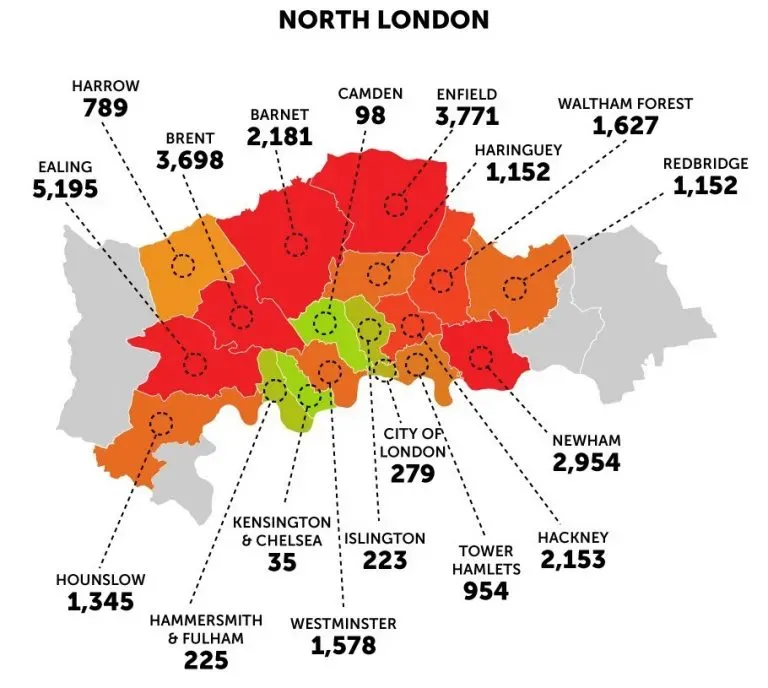
An interactive map showcasing the pothole prevalence in London has recently been unveiled, shedding light on the dire state of the capital’s road infrastructure. This map illustrates the ongoing challenges faced by local authorities in ensuring road safety and reliable transport for residents. Many of the boroughs suffer from a lack of effective pothole management, leading to poor driving conditions that greatly affect daily commuters. Several councils have been singled out for neglect, drawing attention to the urgent need for increased funding to address the road maintenance crisis. As city planners and government officials strategize for upcoming funding allocations, understanding the pothole ratings of London councils is more important than ever.
Understanding the London Pothole Map
The newly released London pothole map serves as a crucial tool for understanding the state of road maintenance across the city. This interactive map highlights the councils that have been labeled with poor ratings, allowing residents and drivers to quickly identify the worst maintained boroughs. With eight London councils being notably underperforming in terms of pothole management, residents are urged to check their local area’s rating to stay informed about road conditions. This transparency is vital for community awareness and can potentially influence local government decisions regarding necessary repairs.
By providing a visual representation of the data, the London pothole map not only identifies which boroughs need urgent attention but also helps initiate discussions about road maintenance funding. It is essential for residents to recognize that poor road conditions can lead to increased vehicle repair costs, accidents, and community dissatisfaction. Updating the public on the status of road maintenance through such tools ensures accountability and enables residents to voice their concerns effectively.
Impact of Potholes on London’s Drivers
Potholes pose a significant risk for motorists, especially in a sprawling city like London. Drivers often unknowingly encounter these road defects, which can lead to costly repairs and safety hazards. Reports have indicated that the deteriorating state of London’s roads, as evidenced by the recent government report, has negatively impacted drivers’ experiences. Pothole management in London has become increasingly pressing, with authorities having to address the financial implications for drivers who face damage from hitting these hidden problems.
The burden of these repairs often falls unfairly on drivers, who expect that their local councils effectively manage road conditions. Given that London councils account for eight of the eleven lowest-rated authorities for pothole response, proactive measures are essential. The government’s allocation of £7.3 billion for road maintenance signifies a potential turning point. Enhanced funding could be the start of better-managed roads and lessen the frustrations faced by motorists navigating London’s busiest areas.
Council Ratings and Their Influence on Road Maintenance
The council ratings regarding pothole management have revealed a significant disparity in how effectively different boroughs handle road maintenance. With the new ratings set for 2026, it is clear which councils need to urgently address their approach to road conditions. The designation of councils as red, amber, or green highlights the performance levels and can influence future funding decisions. Residents are now more aware than ever about their local councils’ efficiency in managing potholes.
The poor ratings assigned to councils like Bromley and Wandsworth serve as a reminder that city officials need to take a more hands-on approach in maintaining infrastructure. Community feedback is vital, and councils must adapt their maintenance strategies to reflect the needs of residents. A positive rating not only instills pride in the community but also encourages funding and investment opportunities that can lead to long-term improvements in road conditions.
Funding Allocations for Road Maintenance in London
The announcement of £7.3 billion in funding for road maintenance across England is a significant commitment that aims to address the urgent needs presented by deteriorating road conditions in London. Proper allocation of these funds is crucial to ensuring that councils can effectively tackle the issues surrounding pothole management. Without adequate resources, poorly rated councils will continue to struggle to implement necessary repairs, leaving residents vulnerable to costly damages.
London’s local councils are expected to present comprehensive plans that demonstrate how they will utilize the new funding effectively. This may include not only immediate pothole repairs but also long-term strategies to maintain road quality. It is imperative that stakeholders monitor the utilization of these funds to ensure accountability and that the safety of London’s drivers is prioritized.
Community Engagement in Road Conditions
Community engagement plays a vital role in ensuring road maintenance concerns are effectively addressed. With councils being rated on their pothole management, residents are encouraged to become advocates for better road conditions in their neighborhoods. Participating in local council meetings or utilizing platforms to report potholes can increase awareness and pressure authorities to act swiftly in making repairs.
Additionally, engaging with council members about road maintenance funding and sharing personal experiences with pothole damage can promote a collective effort to improve conditions. Communities that vocalize their concerns are more likely to see proactive measures taken, especially in areas that previously received poor ratings in pothole management. A united community voice can lead to significant improvements for everyone driving on London’s roads.
Comparative Analysis of Councils’ Pothole Management
An analysis of pothole management ratings among London’s councils reveals stark contrasts in performance. While eight councils have received red ratings indicating poor management, areas like Bexley and Hillingdon have been commended for their efforts. This stark contrast raises questions about strategies employed by better-performing councils compared to those struggling with pothole issues. Understanding these differences can provide valuable insights into effective pothole management.
The Council Ratings report suggests that effective communication, rapid response, and focused funding are attributes that distinguish successful councils. Local authorities could benefit from sharing best practices, allowing less efficient councils to learn and implement strategies that lead to better overall road persistence. Analysis of these performance metrics may serve to foster collaboration and innovation among the councils towards collective improvement.
Future Road Maintenance Strategies for London
Looking ahead, London must adopt forward-thinking approaches to road maintenance, particularly concerning pothole management. Traditional methods of reactive maintenance will no longer suffice given the increasing wear and tear on the city’s roads. Councils should consider utilizing technology, such as predictive analytics, to enhance their ability to identify potential problem areas before they escalate into costly repairs.
Investments in sustainable infrastructure and smart city initiatives can lead to more durable materials and construction methods. Furthermore, engaging with communities to create awareness and gather feedback will ensure that residents are part of the decision-making process in future road maintenance strategies. Ultimately, by embracing innovation and collaboration, London can overcome its pothole challenges and create safer driving conditions for all.
The Role of Government in Pothole Management
The government plays a critical role in overseeing pothole management across London, influencing how councils allocate their resources and prioritize road maintenance. With the £7.3 billion funding commitment, there is an opportunity for authorities to not only address immediate road concerns but also to reshape the overall approach to road maintenance in the long term. Coordination between the government and local councils is essential to ensure that funding translates into tangible improvements.
Moreover, government reports and ratings provide benchmarks for councils, fostering a competitive environment that promotes better performance in pothole management. Future government initiatives could include establishing clear guidelines to monitor fund usage and ensure accountability. By providing consistent oversight, the government can support councils in elevating their pothole management practices and ultimately improving road safety across London.
Evaluating London’s Worst Maintained Roads
The identification of London’s worst maintained roads through the pothole map has sparked critical discussions regarding council responsibilities. Acknowledging the rats of red-rated councils such as Kensington and Chelsea has shone light on areas where improvements are direly needed. Evaluation of these streets will require coordinated efforts between local governments and community feedback to ensure that necessary repairs and upgrades are implemented.
Strategies for evaluating these roads must be thorough and data-driven, allowing councils to prioritize their maintenance efforts effectively. Engaging experts in road quality assessment can contribute to identifying high-priority areas that require immediate attention. Successful evaluations will ultimately lead to better outcomes for drivers and the long-term integrity of London’s roads.
Frequently Asked Questions
What is the significance of the London pothole map?
The London pothole map is an interactive tool that highlights the worst maintained roads across the city, identifying the eight councils with the poorest pothole management. This map serves as a vital resource for residents and transport users by providing information on road conditions and directing attention to areas needing urgent maintenance.
Which London councils have the worst ratings for pothole management?
According to the new London pothole map, the councils with the worst ratings for pothole management are Bromley, Kensington and Chelsea, Kingston upon Thames, Merton, Richmond upon Thames, Sutton, Waltham Forest, and Wandsworth. These areas are struggling to maintain road quality, contributing to increased vehicle damage and safety issues.
How does the London pothole map affect road maintenance funding?
The London pothole map highlights critical areas in need of repair, influencing road maintenance funding decisions. With the government committing £7.3 billion to road maintenance in England, visibility of poorly maintained roads in London from this map may help prioritize funding allocations for the councils facing the greatest challenges in pothole management.
What measures are being taken to improve pothole management in London?
In response to the findings from the London pothole map, several London councils are actively working to improve road conditions. This includes the allocation of funds for ongoing road maintenance projects, such as the £8 million budget for Greenwich Council aimed at enhancing roads and pavements over the next five years.
How can I report a pothole on the London pothole map?
Residents can report potholes via their local council’s website or through the interactive features of the London pothole map. Many councils provide online forms or hotlines for residents to report road issues, which helps in tracking and addressing pothole management effectively.
Why is it important to address pothole management in London?
Addressing pothole management in London is crucial for ensuring road safety, reducing vehicle repair costs, and improving overall travel conditions. The London pothole map emphasizes the need for better road maintenance, which can lead to safer streets and enhanced community pride as funding and repairs are prioritized accordingly.
What criteria are used in the long-term pothole management ratings for London councils?
The long-term pothole management ratings for London councils are based on the Department for Transport’s assessments, which consider various factors such as response times to pothole reports, overall road conditions, and proactive maintenance measures. Councils are graded green, amber, or red, indicating their effectiveness in addressing road issues.
How does the London pothole map influence public perception of local councils?
The London pothole map significantly influences public perception of local councils by showcasing their performance in road maintenance. Councils receiving low ratings can face scrutiny and pressure from residents, prompting them to prioritize road repairs and improve their pothole management strategies.
| Key Points |
|---|
| New London pothole map shows the city’s worst maintained boroughs with eight councils named and shamed. |
| £7.3 billion allocated for road maintenance across England this year. |
| Eight out of the 11 councils in England with the lowest pothole management ratings are in London. |
| Interactive map highlights councils that lack effective pothole management. |
| Bexley, Hillingdon, and Hounslow received a green rating for effective pothole management. |
| Kensington and Chelsea, Waltham Forest, and Greenwich received red ratings for overall road conditions. |
| Government acknowledges the need for improvement in road conditions and costs incurred by drivers. |
Summary
The London pothole map reveals critical insights into the state of road maintenance across the capital, highlighting the worst performing boroughs. With substantial government investment of £7.3 billion dedicated to road upkeep, attention is drawn to the poor ratings of many London councils in managing potholes. The map not only serves to inform residents but also encourages councils to take necessary actions to improve their reporting and repair measures, showing a unified commitment to enhancing the driving experience and safety in London.