Listen to this article
Sport and mental health are intrinsically linked, highlighting a growing recognition of the importance of physical activity in enhancing well-being. Engaging in regular exercise not only helps in managing anxiety and depression but also fosters self-esteem through the achievement of fitness goals. Many individuals discover that the routine participation in sports provides significant stress reduction, leading to a healthier mental state. The benefits of exercise extend beyond mere physical improvements; they encompass vital social aspects as well, creating bonds and support systems that are essential for mental wellness. In this exploration, we will delve deeper into the multifaceted relationship between sport and mental health, uncovering how movement and connection can lead to a happier, healthier life.
Physical activities and mental wellness are interconnected in profound ways, drawing attention to how exercise plays a crucial role in emotional health. The practice of engaging in sports not only aids in alleviating stress but also contributes to lowering anxiety levels and combating depression. As individuals partake in organized physical activities, they often experience a notable lift in their mood and self-worth. Furthermore, these interactions within team settings promote social benefits that enhance mental resilience, reinforcing the notion that exercise goes beyond the physical realm. Understanding this dynamic encourages a holistic approach to a healthy lifestyle that champions both physical fitness and psychological balance.
The Benefits of Exercise for Mental Health
Exercise is widely recognized for its myriad physical benefits, but its impact on mental health is equally profound. Engaging in regular physical activity can significantly alleviate symptoms of anxiety and depression. Studies have shown that individuals who partake in exercise release endorphins, which naturally improve mood and create a sense of well-being. This transformation occurs as simple aerobic activities—like running or cycling—help mitigate feelings of sadness and hopelessness, enhancing overall mental health.
Furthermore, exercise is a powerful tool for stress reduction. The physical exertion involved helps reduce levels of cortisol, the body’s stress hormone. Through consistent engagement in physical activity, individuals can cultivate resilience to stressors and foster a greater sense of control over their mental state. Incorporating exercise into daily routines acts as a buffer against life’s pressures, leading to an improved quality of life and enhanced emotional stability.
Understanding Sports Therapy for Anxiety Relief
Sports therapy is a growing field that integrates physical activities to support mental health, particularly for individuals dealing with anxiety. This therapeutic approach harnesses the psychological benefits of sports, implementing structured physical activity to alleviate symptoms commonly associated with anxiety disorders. Combining physical movement with specialized psychological support creates a comprehensive strategy aimed at easing anxiety through an active lifestyle.
Moreover, sports therapy facilitates opportunities for social interaction and community building. Engaging with peers through team sports or group workouts fosters a sense of belonging and reduces feelings of isolation. This social network acts as a powerful support system for individuals grappling with anxiety, providing encouragement and motivation. Ultimately, the unique combination of physical and social elements in sports therapy serves as a robust framework for anxiety relief.
Exploring Depression Treatment Through Sports
Research indicates that exercise is an effective adjunct treatment for depression. Regular participation in sports can alleviate depressive symptoms by promoting the release of neurotransmitters like serotonin and dopamine, which play critical roles in mood regulation. Engaging in physical activities, particularly in a team setting, not only supports bodily health but fosters a proactive approach to managing depression, often outperforming traditional treatments when combined.
As individuals find joy and fulfillment in sports, they develop a stronger sense of self-worth and purpose that combats feelings of depression. The achievements, whether big or small, contribute to increased self-esteem and the fortification of mental resilience. Making sports a core part of one’s life can serve as an empowering tool, enabling individuals to tackle depressive thoughts with a positive mindset and bolster their overall mental health.
Physical Activity: A Catalyst for Stress Reduction
Physical activity is an effective strategy for stress management, backed by scientific research. Engaging in sports leads to the release of endorphins, creating a natural high that diminishes stress and promotes relaxation. Activities such as jogging, swimming, or joining a sports team provide both an outlet for stress and techniques for achieving mental peace by distracting the mind from daily pressures.
Additionally, structured sporting activities teach individuals time management and self-discipline, further reducing stress. As people engage in regular exercise, they develop a routine that not only enhances physical endurance but also imbues them with a stronger sense of control over their life. This newfound structure fosters a calmer mind, contributing substantially to effective stress reduction.
The Role of Social Benefits in Sports
Sports are inherently social, creating networks that buffer mental health issues. Participating in team sports increases opportunities for social interaction, enhancing feelings of connection and improving emotional well-being. The camaraderie and support experienced within these settings can foster relationships that are crucial for emotional health, providing essential mentorship, friendship, and camaraderie.
These social benefits of sports extend beyond just friendship; they cultivate teamwork, communication skills, and the ability to collaborate with others. As athletes engage in group settings, they build valuable social networks that contribute to feelings of belongingness—key components that improve overall mental health and foster emotional resilience against life’s challenges.
Self-Esteem and Confidence through Sports Engagement
Sports play a vital role in bolstering self-esteem and confidence, particularly as athletes achieve their goals. The experience of setting and reaching personal objectives—from improving fitness levels to competing in events—brings a sense of accomplishment that significantly boosts self-worth. This progress not only enhances the physical capabilities of individuals but also nurtures a positive self-image.
Moreover, the diverse experiences within sports—overcoming obstacles, undertaking challenges—teach important life lessons about perseverance and resilience. Athletic engagements serve as platforms for personal growth, allowing individuals to develop a strong character and bolster their confidence, which translates positively into all aspects of their lives.
Enhancing Sleep Quality with Regular Sports
Engaging in regular sports is closely linked to improved sleep quality—a key factor for maintaining mental health. Studies suggest that physical activity can help individuals fall asleep faster and achieve deeper sleep cycles. The physiological benefits derived from rigorous activity promote relaxation and ease tension, thereby creating a conducive environment for restful nights.
Better sleep quality is crucial for mental well-being, as it regulates mood and cognitive function. A well-rested mind is more equipped to tackle daily challenges, process emotions effectively, and maintain balanced mental health. By incorporating sports into daily routines, individuals can enhance their sleep patterns and, by extension, experience greater emotional stability.
Building Resilience through Competitive Sports
Competitive sports offer invaluable lessons in resilience and mental toughness. Facing various challenges—be it during practice or competition—athletes develop coping strategies that enable them to manage stress and adversity effectively. Learning to navigate the highs and lows of competition prepares individuals to confront life’s real challenges with a fortified mindset.
This cultivated resilience through sport instills a sense of determination and grit that extends beyond the playing field. As individuals learn to push through discomfort and embrace challenges, they become better equipped to handle setbacks in all aspects of life. The mental toughness gained from sports participation serves as a cornerstone for overall mental health and well-being.
Incorporating Sport into Daily Life
Incorporating sports into daily routines is essential for reaping the mental health benefits of physical activity. Starting with small commitments, such as joining a local team or participating in recreational activities, can set the foundation for a long-term engagement with sports. Setting realistic goals and progressively increasing intensity can keep individuals motivated and involved.
Moreover, mixing up activities can sustain interest and engagement. Trying various sports not only keeps the routine exciting but also helps in targeting different muscle groups, enhancing overall physical fitness. Ultimately, finding a sport that resonates with personal interests plays a crucial role in maintaining motivation for physical activity, fostering both physical health and mental wellness.
Frequently Asked Questions
How does sports therapy contribute to mental health?
Sports therapy combines physical rehabilitation with mental health support to improve overall well-being. By engaging in structured physical activities, individuals can alleviate symptoms of anxiety and depression, develop resilience, and enhance their self-esteem through measurable progress.
What are the benefits of exercise for anxiety relief?
Regular physical activity, such as engaging in sports, has been shown to reduce anxiety levels significantly. Exercise helps in releasing endorphins, which act as natural stress relievers, leading to improved mood and lower feelings of anxiety.
Can sports help with depression treatment?
Yes, sports can be an effective adjunct to depression treatment. Studies indicate that engaging in physical activities can lead to notable improvements in depressive symptoms, enhancing mood and promoting emotional wellness.
What role does physical activity play in stress reduction?
Physical activity, especially through sports, plays a crucial role in stress reduction by lowering cortisol levels in the body. As individuals participate in sports, they release built-up tension, leading to a calmer and more positive mental state.
How does engaging in sports improve self-esteem and confidence?
Participating in sports helps build self-esteem and confidence by allowing individuals to set and achieve personal goals. This journey of improvement fosters a positive self-image that extends beyond the sports arena into daily life.
What are the social benefits of sport on mental health?
Sports foster social interactions and a sense of community, which are essential for emotional health. Being part of a team provides support, belonging, and enhances mental wellness through shared experiences.
How can physical activity improve sleep quality?
Regular participation in sports has been linked to enhanced sleep quality. Better sleep is essential for regulating mood and cognitive function, contributing to overall mental health.
What are practical ways to incorporate sport into my life for better mental health?
To improve mental health through sports, start small with enjoyable activities, join a local community, set realistic goals, mix up your routine, and focus on having fun during the process.
How does regular exercise impact mental wellness overall?
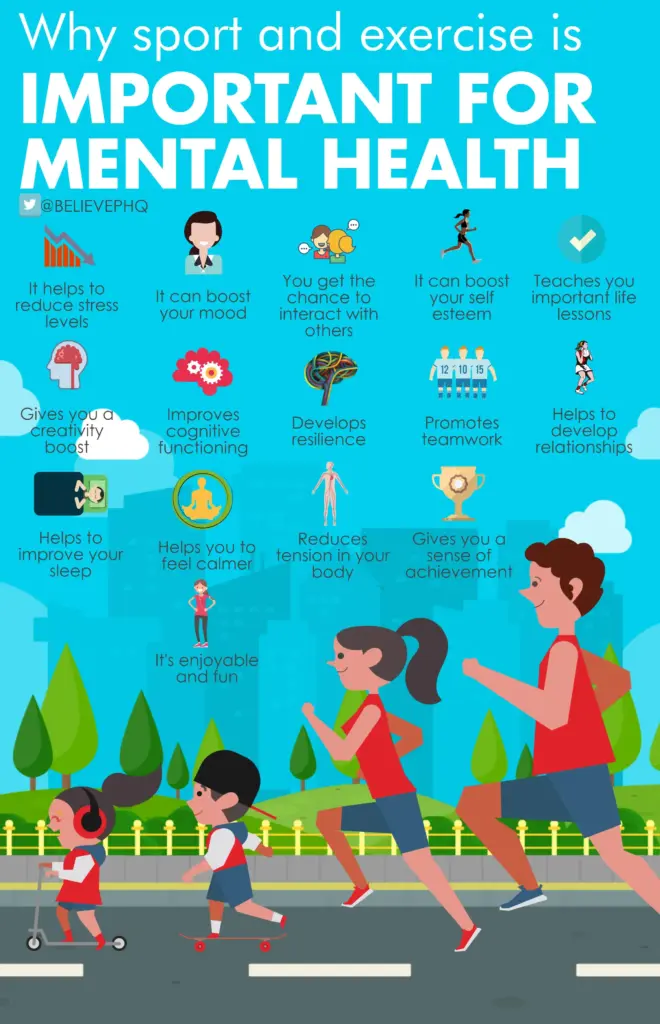
Regular exercise, especially in the form of sports, positively impacts mental wellness by boosting mood, reducing anxiety and stress, improving self-esteem, and fostering resilience.
What types of sports are recommended for mental health improvement?
Engaging in any physical activity you enjoy can be beneficial for mental health. Popular options include running, swimming, cycling, and team sports, which provide both physical benefits and social interaction.
| Key Points | Explanation |
|---|---|
| Exercise and Mental Health Connection | Research shows a strong correlation between physical activity and better mental health, linked to endorphin release. |
| Mood and Energy Boost | Engaging in sports enhances mood and provides higher energy levels, contributing to overall satisfaction. |
| Stress Reduction | Sports lower cortisol levels, effectively alleviating stress and anxiety. |
| Improved Sleep Quality | Regular sports participation enhances sleep patterns, which are crucial for mental health. |
| Increased Social Interaction | Team sports foster social connection, providing emotional support and a sense of community. |
| Self-Esteem and Confidence | Achieving goals in sports builds self-esteem and a positive self-image. |
| Fostering Resilience | Competitive sports develop resilience and coping skills for managing everyday stress. |
| Therapeutic Role of Sports | Sports therapy integrates physical activity with mental health support for holistic recovery. |
Summary
Sport and mental health are intricately linked, as engaging in regular physical activity offers substantial benefits for mental wellness. Exercise not only releases endorphins, which improve mood, but also helps reduce anxiety and stress levels. As individuals partake in sports, they experience heightened self-esteem and social interaction, both of which are crucial for emotional health. Furthermore, the structure and discipline inherent in sports foster resilience, equipping individuals to handle life’s challenges more effectively. Ultimately, incorporating sports into one’s routine is a powerful strategy for enhancing mental health.