
Listen to this article
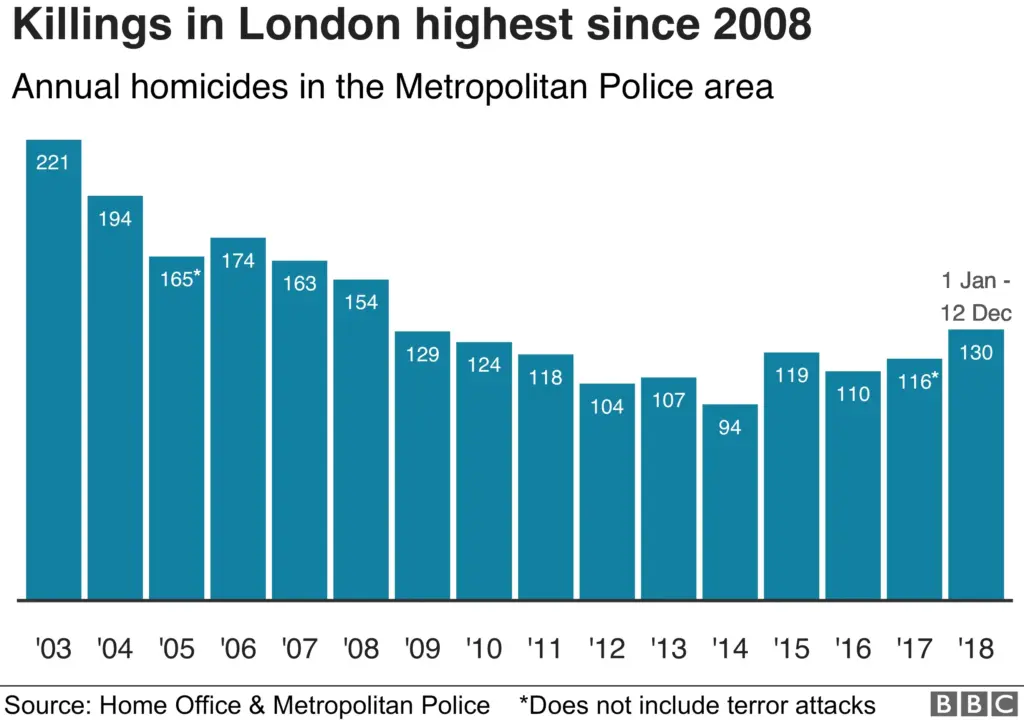
Homicides in London have recently made headway in a remarkable decline, reaching their lowest levels in over ten years. In 2025, the capital recorded only 97 homicides, which translates to a mere 1.1 per 100,000 people, a rate significantly lower than that of other global metropolises such as New York and Berlin. This improvement is mirrored in the wider crime statistics UK, showcasing a national trend of reduced homicides across England and Wales. Notably, teenage homicides were at an alarming peak in 2021 but have since dropped to only eight cases in the past year. Driven by responsive policing efforts from the Met Police, including heightened focus on organized crime and innovative crime-fighting technologies, the landscape of London safety news is changing, presenting a hopeful outlook for the city’s residents.
The issue of violent crime, particularly the alarming rates of murders in the city, has sparked significant discussion among Londoners. As public concerns rise regarding the safety of local neighborhoods, it’s crucial to look beyond the numbers and understand the context of this violence. The decreasing rates of youth murders signify both a societal shift and the impact of strategic law enforcement initiatives. Moreover, discussions surrounding urban crime are increasingly relevant, highlighting how police strategies, community programs, and legislative efforts intersect to form the backbone of London’s approach to maintaining safety. Engaging with these dynamics not only informs residents but also shapes the narrative around crime rates in London as a whole.
Current Trends in Homicides in London
Recent data indicates that homicides in London have reached their lowest levels in over ten years, with only 97 recorded murders in 2025. This figure translates to a homicide rate of 1.1 per 100,000 residents, which is notably lower than comparable large cities like New York and Berlin. The reduction in homicides is part of a broader trend observed throughout the United Kingdom, where crime statistics reveal significant declines across various violent crime categories. This progress highlights the effectiveness of policing and community safety initiatives in addressing the root causes of violence in the city.
Moreover, teenage homicides, which had alarmingly escalated in previous years, particularly in 2021, have seen a remarkable decrease. Only eight teenagers were murdered last year, a statistic that brings hope amidst ongoing concerns about youth violence. This drop is attributed to targeted interventions by the Metropolitan Police and organizations such as the Violence Reduction Unit (VRU), proving that community engagement and preventative measures can lead to a safer environment for young individuals.
The Role of the Metropolitan Police in Crime Reduction
The Metropolitan Police, under the leadership of Commissioner Sir Mark Rowley, has been proactive in combating organized crime, which has significantly contributed to the decline in homicides in London. Rowley emphasizes that every murder profoundly affects families and communities, and thus, targeted policing on crime networks has become essential. The force’s commitment to leveraging technology, including live facial recognition software, represents a modern approach to law enforcement, aimed at swiftly addressing criminal activities and deterring potential offenders.
Additionally, the establishment of the Violence Reduction Unit (VRU) by Mayor Sadiq Khan in 2019 has played a crucial role in reducing youth violence. The VRU focuses on providing support and guidance to at-risk youths, steering them away from gangs and criminal activities. The combination of community support systems and focused police work demonstrates a multifaceted strategy to enhance public safety, indicating a possible future where crime rates continue to decrease even further in London.
Public Concerns About Crime and Police Response
Despite the encouraging news surrounding homicide rates, public perception of crime, especially regarding violence against women and rising incidents of phone theft and shoplifting, remains a concern for London residents. The recent uptick in these crimes has sparked discussions in the London Assembly, where members have voiced significant worries about the effectiveness of the police response to such offenses. Community members feel that they have not seen adequate police presence or timely responses, which can exacerbate fears about safety in their own neighborhoods.
Commissioner Rowley has acknowledged these concerns, assuring residents that the Met Police remains committed to addressing various crime challenges despite facing budgetary issues. The police force is working on enhancing their operational strategy to ensure efficient management of emerging crime trends, including property crimes like shoplifting. The emphasis on community engagement and improved visibility of law enforcement could be pivotal in reassuring the public about their safety and trust in the police.
Youth Violence and Community Interventions
Youth violence has been a pressing issue in London, particularly concerning teenage homicides. The reduction in these incidents is a positive indicator of the effectiveness of community interventions designed to protect at-risk youths from falling into cycles of violence. The involvement of dedicated youth workers as part of the VRU’s initiatives is instrumental in providing young people with alternatives to gang affiliations. By offering mentorship and support, these programs aim to cultivate a sense of belonging and purpose that steers youths away from violence.
Moreover, surrounding communities are increasingly collaborating with law enforcement to foster safer environments for children and teenagers. Workshops, outreach programs, and educational initiatives are being launched to engage youths in meaningful activities that build resilience against gang influences. Such community-backed efforts signal a collective commitment to addressing the underlying issues of youth violence, reflecting a promising strategy for continued improvement in public safety.
The Impact of Crime Statistics on Policy Making
Up-to-date crime statistics in the UK, including accurate homicide and violence rates, serve as critical tools for policymakers and law enforcement agencies. These statistics inform decisions regarding resource allocation, proactive policing strategies, and community programs designed to combat crime effectively. As London experiences a decrease in homicide rates and overall crime statistics show improvement, policy adjustments can be made to reinforce successful tactics and redirect resources where they are needed most.
Furthermore, the continuous analysis of crime trends and community feedback helps in crafting policies that resonate with public safety concerns. Policymakers are now more encouraged to base their decisions on empirical data rather than public perception alone. This approach not only supports transparency but also fosters trust within communities as citizens see tangible outcomes resulting from active engagement and strategic planning.
Community Initiatives Against Gang Violence
With gang violence being a significant contributor to the homicide rate in London, community initiatives aimed at prevention are essential. Local organizations and government agencies have formed partnerships to implement programs that offer mentorship, education, and recreational activities for youth who may be at risk. These initiatives are designed to create safe spaces where young people can engage in positive activities, thereby reducing the allure of gang involvement.
Moreover, the importance of community policing cannot be overstated. By fostering relationships between police officers and community members, trust is built, and residents feel more empowered to report gang activities. Support from local leaders and residents enhances the chances of success for these initiatives, as they address the specific needs and dynamics within different neighborhoods, ultimately leading to a safer environment for everyone.
Exploring the Relationship Between Technology and Crime Prevention
The integration of advanced technology into policing strategies has revolutionized crime prevention efforts across London. Features like live facial recognition and data analytics enable law enforcement to respond rapidly to ongoing criminal activities and make informed decisions based on real-time information. These technological tools enhance the capabilities of the Metropolitan Police, allowing them to tackle crime more efficiently and maintain public safety effectively.
In addition to immediate crime response, technology also plays a significant role in community outreach and education. Informative platforms and mobile applications help disseminate important safety information to residents, empowering them to participate actively in crime prevention initiatives. Public engagement through technology not only boosts awareness of crime statistics but also encourages communal action, fostering a collective responsibility towards creating a safer London.
Challenges Facing the Metropolitan Police
Despite the positive trends in crime reduction, the Metropolitan Police faces various challenges. Among these are budget limitations that can affect resource allocation and hiring efforts. The need to manage public expectations while addressing the complexities of modern crime, such as cybercrime and drug-related offenses, increases the pressure on the police force. As crime patterns evolve, so too must the strategies employed by law enforcement, which often requires additional funding and support to implement effectively.
Moreover, the scrutiny of police response times and management of crimes like theft and assault has put additional stress on the Met Police. Public confidence in law enforcement is crucial, and any perceived inadequacies can undermine community relations. The police must not only address these challenges but also work towards reinforcing the public’s trust through transparency and accountability, ensuring that they remain a respected institution committed to safeguarding the community.
The Future of Public Safety in London
Looking to the future, the continuous collaboration between law enforcement, local authorities, and community organizations will be vital in maintaining and further reducing crime rates in London. The successes seen in recent years underscore the importance of comprehensive strategies that combine enforcement with community support. By prioritizing preventive measures and utilizing technology, the Metropolitan Police can create a proactive framework that addresses the needs of the city.
Ultimately, a shared commitment to safety from all sectors of society—whether government, law enforcement, or community members—will foster resilience against crime. As Londoners strive towards a safer future, consistent monitoring of crime statistics and the effectiveness of various initiatives will be essential in adapting strategies and continuing the decline in crime, particularly in violent offenses such as homicides.
Frequently Asked Questions
What are the current homicide statistics in London for 2025?
In 2025, London recorded 97 homicides, marking the lowest level in over a decade. This translates to a homicide rate of 1.1 per 100,000 people, which is lower compared to other major cities such as New York and Berlin.
How have teenage homicides in London changed recently?
Teenage homicides in London have significantly decreased, with only eight reported cases in the past year. This reduction follows a peak in 2021 and aligns with trends in overall crime statistics in the UK, reflecting successful policing against gangs.
What efforts are being made to reduce homicides in London?
The reduction in homicides in London is largely attributed to targeted police efforts against organized crime and the implementation of advanced technologies like live facial recognition. The Metropolitan Police, under the Violence Reduction Unit (VRU), has been active in steering youth away from gang involvement.
How does London compare to other major cities in terms of crime rates?
Recent data indicates that London has lower homicide rates than major international cities such as New York and Berlin. The crime statistics show an overall decrease in crime rates across London, contributing to improved safety perceptions among residents.
What is the role of the Violence Reduction Unit (VRU) in tackling crime in London?
Established by Mayor Sadiq Khan in 2019, the Violence Reduction Unit (VRU) focuses on preventing violence and crime among youth by providing support through youth workers in at-risk areas. Their proactive measures have been instrumental in reducing teenage homicides and overall crime rates.
What challenges do the Metropolitan Police face regarding crime response times?
The Metropolitan Police have faced scrutiny concerning their response times to various crimes, including shoplifting and phone theft. Despite budget constraints, the Commissioner has emphasized their commitment to addressing these challenges openly to improve public safety.
How has the public perception of crime in London changed recently?
While the statistics show a decrease in homicides in London, public perception continues to be influenced by concerns over violence, especially against women, and the management of petty crimes like shoplifting. This has led to calls for improved police presence and response.
Why did homicides in London decrease over the past decade?
The decline in homicides in London over the past decade can be attributed to focused policing strategies targeting organized crime networks and the effective use of technology in law enforcement. These efforts, along with community initiatives like the VRU, have contributed to a safer environment.
What implications do London’s homicide rates have on public safety news?
The decrease in homicide rates in London feeds into positive narratives in public safety news, suggesting improved outcomes from police interventions and community programs. However, ongoing concerns over specific crimes continue to challenge the perception of safety in the capital.
| Key Point | Details |
|---|---|
| Overall Homicide Rate in 2025 | 97 recorded homicides, rate of 1.1 per 100,000 people. |
| Comparison with Other Cities | Lower homicide rate compared to major cities like New York and Berlin. |
| Teenage Homicides | Only 8 teenagers murdered last year, a significant decrease since 2021. |
| National Crime Reduction | Wider national reduction in homicides due to targeted police efforts. |
| Focus on Organized Crime | Police efforts concentrated on dismantling criminal gangs using advanced tech. |
| VRU Initiatives | Established in 2019 to help youth avoid gangs and violence. |
| Concerns About Crime Perception | Public perception issues regarding crimes like violence against women and theft. |
| Police Response Problems | Criticism over police response times and management of thefts. |
Summary
Homicides in London have reached their lowest level in over a decade, reflecting significant progress in public safety and crime reduction efforts. The marked decline in homicide rates and targeted initiatives by law enforcement, particularly towards youth and organized crime, showcase London’s commitment to reducing violence. Such efforts not only provide safer communities but also reshape public perceptions about crime in the city.