Listen to this article
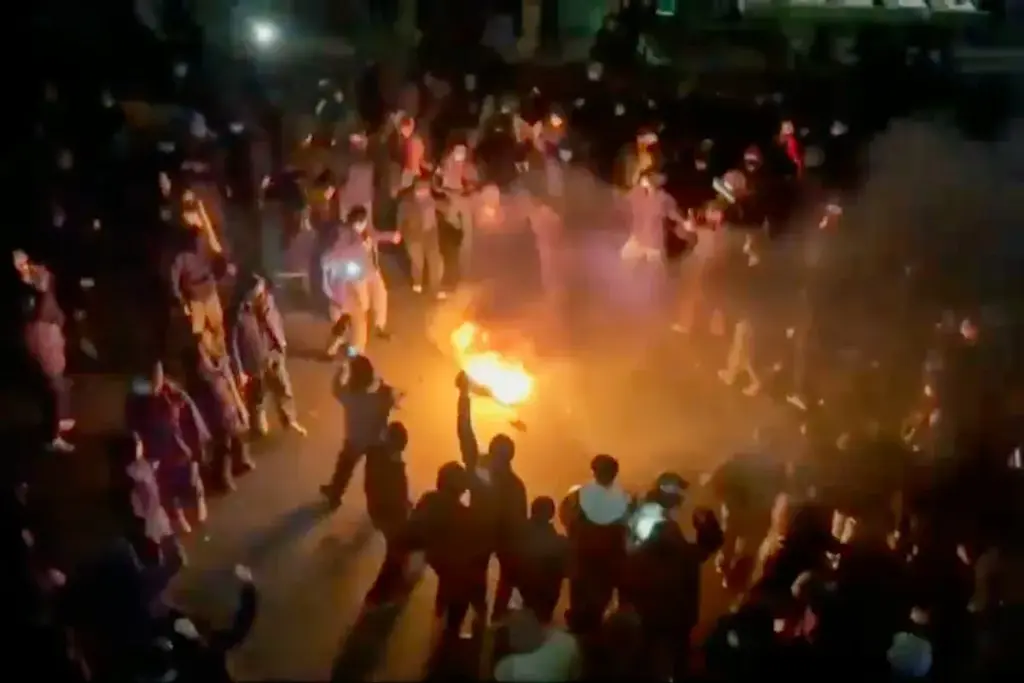
The ongoing Iran protests have ignited a wave of unrest that has captured global attention, as citizens voice their grievances against the ruling regime. With the demonstrations entering their third week, reports indicate a chilling death toll, with nearly 500 lives lost in what has become a significant flashpoint for anti-government protests in Iran. President Donald Trump has asserted that the US military is weighing “very strong options” amid the Iranian government crackdown, which has intensified the crisis. As the Iranian regime brands demonstrators as “vandals,” public dissent grows in response to the declining economic conditions and increasing political repression. These protests in Iran in 2023 mark a pivotal moment, highlighting a legitimacy crisis for the Iranian authorities and challenging the status quo of the government led by Supreme Leader Ayatollah Ali Khamenei.
The current civil unrest in Iran, marked by widespread demonstrations and public outcry, reflects deep-seated frustrations among citizens regarding their government’s policies and the economic hardships they face. As authorities respond with a heavy crackdown on dissent, fears grow over the potential for heightened violence and human rights abuses. This turmoil has not only drawn international concern but also provoked discussions within the United States about the implications of military involvement and potential diplomatic negotiations. Alternatively described as anti-regime protests, these developments are reminiscent of past uprisings, showcasing a recurring struggle for freedom and reform within the nation. As the situation evolves, the international community watches closely, concerned about the broader implications for stability in the region.
Understanding the Iran Protests of 2023
The Iran protests, which erupted in late December 2022, have evolved into a significant socio-political challenge for the Iranian government. Initially ignited by public outrage over the plummeting value of the Iranian currency, these anti-government protests quickly morphed into widespread demonstrations questioning the legitimacy of the Iranian regime itself. As protests spread across multiple cities, they were met with severe crackdowns by authorities, leading to escalating violence and loss of life, with reports of hundreds having died during confrontations with security forces.
The protests in Iran 2023 are characterized by a growing frustration among citizens regarding economic mismanagement, political repression, and public rights violations. Demonstrators have vocally opposed the clerical establishment and have made clear calls for democratic reforms. The government’s narrative positions these protests as being fueled by foreign influence, particularly from the US and Israel, but many Iranians assert their grievances are rooted in domestic issues. This ongoing unrest has intensified the discourse on Iran’s political fate and has become a focal point for international attention, particularly in the context of discussions around potential US military intervention.
Trump’s Stance on Military Options Against Iran
In response to the rampant unrest in Iran, former President Donald Trump has asserted that the US military is contemplating ‘very strong options.’ Trump has hinted at a readiness to act against the Iranian leadership if urgent negotiations do not yield results. His administration’s prior engagements with Tehran have historically been characterized by a tough stance and threats of military intervention, stressing the need for a tactical approach that may include military strikes or enhanced sanctions on the Iranian government.
Trump’s consideration of military options, amid widespread anti-government protests in Iran, has stirred significant debate within US political circles. Analysts suggest that while military action might serve as a deterrent, it also risks exacerbating tensions and potentially escalating violence within the region. Moreover, discussions around military intervention are complicated by the realities of past engagements in Middle Eastern conflicts, which have often led to prolonged instability rather than resolution.
The Human Rights Crisis Amid the Unrest
As the protests have continued unabated, a grave human rights crisis has emerged, drawing international condemnation. The Human Rights Activist News Agency (HRANA)’s reports detailing the deaths of approximately 500 protesters reflect the violent crackdown by Iranian security forces, which has resulted in thousands of detentions. These figures indicate a severe state of emergency within the country, with families of missing individuals desperately seeking information while authorities hinder transparent reporting.
The Iranian government has faced criticism not only for its military response but also for its systematic violations of human rights during these protests. Eyewitness accounts reveal harrowing experiences of violence and repression, including the use of drones to surveil demonstrators and internet blackouts to stifle communication. The ongoing lack of transparency and accountability from the government raises pressing concerns over the treatment of detainees and the overall safety of citizens amid a climate of fear.
Responses from Iranian Leadership and Their Implications
Iranian leaders have aggressively dismissed the protesters, branding them as ‘vandals’ and framing their dissent as a coordinated attack orchestrated by foreign adversaries, particularly the US and Israel. This narrative helps the government unify its base by calling for solidarity against perceived external threats while justifying severe punitive measures against protesters and dissenters. In doing so, the Iranian government attempts to shift public focus away from its internal failures to broader geopolitical issues.
The call for pro-government marches signifies the regime’s strategy to consolidate public support amidst the ongoing turmoil. However, such moves may only deepen societal divisions as many citizens feel increasingly disenfranchised by a government that they perceive as ignoring their needs and aspirations. The response from Iranian officials underscores a critical and escalating crisis of legitimacy for the regime, which could have long-lasting implications for its stability as public trust continues to dwindle.
The Role of Cyber Warfare in Current Protests
In light of the ongoing protests and governmental response, cyber warfare is becoming an increasingly critical element in the dynamics of the unrest in Iran. Reports suggest that the US military could use cyber operations as a tool to undermine the Iranian regime’s capabilities, potentially targeting its infrastructure or amplifying support for anti-government outlets. This strategy represents a modern facet of warfare that ties into broader geopolitical conflicts, leveraging technology to influence domestic movements.
On the ground, internet shutdowns implemented by the Iranian government aim to stymie the flow of information and prevent effective organization among protestors. The introduction of drone surveillance further complicates the situation, making it even more challenging for demonstrators to communicate freely. In this context, discussions about restoring internet access through services such as SpaceX’s Starlink reflect the intersection of technology and civil rights, demonstrating how modern warfare and protest strategies evolve in real time.
Analyzing the Regional Repercussions of Iran’s Protests
The protests taking place in Iran are not an isolated event but have significant implications across the Middle East region and beyond. Should the Iranian government falter, it could embolden similar anti-authoritarian movements in neighboring countries, impacting political stability across the region. Conversely, if the government manages to suppress the unrest successfully, it may lead to a more heavy-handed approach to dissent, potentially provoking further violence and unrest.
Regional leaders are closely monitoring the situation in Iran, as any change in governance could shift alliances and power dynamics. The Iranian leadership’s narrative of external threats could also incite hostility towards the US and its allies in the region, creating a volatile environment. Intense scrutiny of the situation by global powers adds another layer of complexity, as nations weigh their own geopolitical interests against the potential for humanitarian crises and broader conflict.
International Perspectives on Iran’s Internal Crisis
The ongoing protests have not only caught the attention of regional powers but have also drawn the focus of international human rights organizations. These groups are advocating for the Iranian government’s accountability regarding the deaths of numerous protesters and the treatment of detainees. The clamor for justice is growing louder as international communities increasingly view the unrest as a pivotal moment in Iran’s socio-political landscape.
Moreover, international responses, including sanctions and diplomatic pressures, are likely to escalate if the crackdown on protests continues unabated. Such responses raise ethical questions regarding the extent to which foreign nations should intervene in domestic affairs, even in the face of egregious human rights violations. This balancing act between sovereignty and human rights advocacy remains central to ongoing discussions about Iran’s internal crisis and the wider implications for global governance.
The Future of Leadership in Iran Amidst Crisis
As the protests endure, questions regarding the future of Iran’s leadership loom large. Analysts suggest that the current unrest signifies a fundamental crisis of authority for the Iranian government, bringing to light the regime’s fragility as public discontent grows. Under pressure from both internal dissent and international scrutiny, the Iranian leadership faces an existential challenge that could reshape its governance structure and policies.
The potential for leadership changes raises uncertainties regarding succession, particularly as leaders like Ayatollah Ali Khamenei contend with a highly critical populace. The ongoing violence against protestors, which many see as a desperate attempt to cling to power, could well backfire, accelerating demands for democratic reforms and accountability. Observers contend that the outcomes of these protests could mark a turning point, not just for Iran, but for the broader regional dynamic concerning authoritarianism and governance.
The Sociopolitical Landscape Shaping Iranian Protests
The sociopolitical landscape in Iran is critical to understanding the current wave of protests, shaped by decades-long frustrations with authoritarianism, economic hardships, and social restrictions. The movement’s roots lie in a combination of economic instability stemming from sanctions and government mismanagement, alongside a longstanding legacy of political repression. As millions feel the sting of inflation and currency devaluation, their demands for reform reflect a collective yearning for change.
Amidst the evolving protests, the role of social media as a tool for organization and dissemination of information cannot be overstated. Protesters have utilized these platforms to share their experiences, organize protests, and draw international attention to their plight. However, the Iranian government’s attempts to stifle these communications through internet disruptions highlight the lengths to which authorities will go to maintain control. The interplay between technology, grassroots activism, and state repression continues to shape the trajectory of the protests facing Iran as voices for change grow louder.
Frequently Asked Questions
What are the main causes behind the Iran protests?
The Iran protests have primarily been fueled by public outrage over the declining value of the Iranian currency, which has intensified economic hardships. This unrest has developed into a broader legitimacy crisis for Iran’s Supreme Leader, Ayatollah Ali Khamenei, as citizens express dissatisfaction over governmental issues and policies.
How has the Iranian government responded to the anti-government protests in Iran?
The Iranian government has responded to the anti-government protests with significant crackdowns, labeling demonstrators as ‘vandals.’ They have deployed security forces, imposed internet restrictions, and called for pro-government marches. Reports indicate that at least 10,600 individuals have been detained during the unrest.
What is Trump’s position regarding the Iran protests and possible military options?
President Trump has stated that the US military is considering ‘very strong options’ in response to the Iran protests. He has indicated that Iranian officials have contacted him for negotiations but emphasized the possibility of acting militarily before a meeting occurs, citing concerns about the ongoing unrest and violence.
What impact has the internet shutdown had on the protests in Iran?
The internet shutdown imposed by the Iranian government has severely hampered communication and reporting on the protests. It complicates the ability of activists to organize and share information, making it challenging for protesters to coordinate efforts or for external observers to gauge the situation accurately.
Have there been any notable casualties reported during the protests in Iran in 2023?
Yes, reports indicate that there have been significant casualties during the protests in Iran, with the Human Rights Activist News Agency confirming nearly 500 deaths among protesters and 48 security personnel. The actual death toll may be higher, reflecting the severity of the government’s crackdown on dissent.
What role does the international community play in the Iran protests?
The international community is closely monitoring the Iran protests, with the US considering various measures, including military options and stricter sanctions against the Iranian government. Support for the protesters, alongside pressure on Iranian officials to respect human rights, is a key focus for many global leaders amid the unrest.
How are the protests in Iran related to past movements, like the unrest after Mahsa Amini’s death?
The ongoing protests in Iran are seen as the largest since the unrest following the death of Mahsa Amini in 2022. Her death sparked significant demonstrations against the Iranian government’s policies, particularly concerning women’s rights and personal freedoms. The current protests continue to reflect the deep-rooted discontent with the regime.
What challenges do protesters face amid the Iranian government crackdown?
Protesters in Iran face numerous challenges during the crackdown, including swift government retaliation, heightened surveillance, and the risk of detention. The deployment of drones to monitor gatherings and the internet shutdown have further complicated their ability to organize, communicate, and secure media coverage about their cause.
What has been the reaction of Iran’s leadership to the protests?
Iran’s leadership has condemned the protests, depicting them as efforts fueled by foreign enemies, particularly the US and Israel. They have characterized the protesters as ‘vandals’ and have called on their supporters to participate in pro-government displays, emphasizing the need for unity against perceived external threats.
Can we expect a resolution to the unrest in Iran in the near future?
While the situation in Iran is fluid and unpredictable, the combination of intense public dissatisfaction, governmental crackdown, and international scrutiny suggests that the unrest is unlikely to resolve quickly. The Iranian government’s response will significantly influence the protests’ trajectory moving forward.
| Key Point | Details |
|---|---|
| US Military Options | Trump stated the US is considering ‘very strong options’ in response to the protests. |
| Death Toll Reports | HRANA verified nearly 500 deaths among protesters and 48 security personnel, with estimates suggesting higher tolls. |
| Iranian Government’s Response | Iranian leaders call protesters ‘vandals’ and hold pro-government marches while declaring three days of mourning. |
| Public Sentiment | Protests began over currency decline and turned into a legitimacy crisis for Supreme Leader Khamenei. |
| Potential US Actions | Options include military strikes, cyber warfare, support for anti-government media, and sanctions. |
| Protest Statistics | HRANA estimates at least 10,600 detentions and reports significant casualties amidst continuing protests. |
| Internet Shutdown | Iran has imposed an internet blackout to hinder protest organization and reporting. |
| Elon Musk’s Involvement | Trump may discuss with Musk about restoring internet access in Iran using SpaceX’s Starlink. |
| Historical Context | Current protests are the largest since the unrest after Mahsa Amini’s death in 2022. |
Summary
The Iran protests continue to be a significant event capturing global attention as anti-government demonstrations escalate amidst a climate of violence and repression. With hundreds of casualties reported, the Iranian government faces increasing pressure both domestically and internationally. The US military’s consideration of strong options underscores the seriousness of the situation, while the Iranian leadership’s responses highlight the deeply rooted tensions within the country. As the protests evolve, they signal a profound legitimacy crisis for the regime, reflecting widespread discontent among the Iranian populace. Moving forward, the global community must remain vigilant, as the developments in Iran will likely have far-reaching ramifications.