
Listen to this article
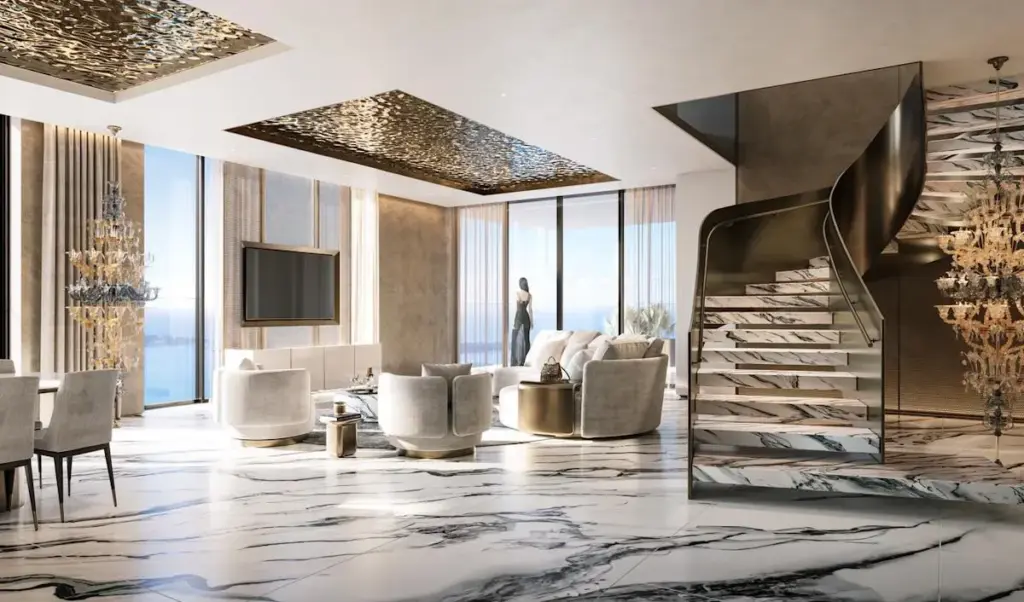
Luxury branded residences are revolutionizing the high-end living spaces market, merging opulence with lifestyle choices for the ultra-wealthy. As prestigious auto manufacturers like Bugatti, Porsche, and Aston Martin delve into luxury real estate, they bring their iconic brand identities to towering apartment buildings, creating a unique fusion of style and functionality. These lavish residences, often referred to as branded apartments, transform traditional living into a curated experience, offering residents not just homes, but an everyday encounter with their favorite luxury consumer brands. With properties like the Bugatti skyscraper making headlines, it’s evident that demand for these exclusive offerings is soaring, attracting discerning buyers who desire the ultimate blend of luxury and brand loyalty. As the market for luxury branded residences continues to expand, it is becoming clear that owning a piece of this exclusive lifestyle is no longer just about real estate, but about status and personal branding itself.
In recent years, the emergence of branded living spaces has marked a noteworthy trend within the luxury real estate sector. High-profile companies from diverse industries are entering this niche, creating extravagant residential offerings that reflect their brand ethos. Branded homes and estates have become synonymous with prestige and exclusivity, appealing to discerning clientele who aim to immerse themselves in the luxurious lifestyles these brands represent. Residential developments linked to elite brands provide not only exceptional living arrangements but also unique amenities that resonate with a luxury-oriented lifestyle. As consumer preferences shift towards experiential living, the rise of branded properties signifies a broader cultural movement towards personalized and culturally significant home environments.
The Rise of Luxury Branded Residences
In recent years, the concept of luxury branded residences has seen a meteoric rise, especially in affluent global cities like Dubai. These high-end living spaces are more than just apartments; they represent a lifestyle choice for the ultra-wealthy, merging luxury real estate with brand prestige. As the demand for exclusive residences increases, brands like Bugatti and Aston Martin are capitalizing on this trend by offering exclusive experiences tailored to their affluent clientele.
Statistical analysis reveals a sharp growth in the number of branded residences, with projections indicating a jump from 611 projects today to over 1,000 by 2030. This is a testament to the shifting dynamics in real estate, where elite consumers are seeking not only opulent amenities but also an immersive brand experience in their residential choices. This trend underscores the importance of brand loyalty and how it influences the purchasing decisions of the wealthy.
Bugatti: A New Era in Luxury Living
Bugatti’s venture into luxury real estate with its Dubai skyscraper exemplifies how luxury consumer brands are transcending traditional boundaries. By creating residences that reflect its iconic brand values—performance, exclusivity, and sophistication—Bugatti not only reinforces its status in the automotive industry but also taps into lucrative real estate markets. The inclusion of unique features, such as car elevators in the penthouses, dramatically elevates the living experience and emphasizes the brand’s commitment to luxury.
This venture into branded apartments is a strategic move for Bugatti. It allows the brand to connect with its customers on a deeper level while also providing a new revenue stream beyond automotive sales. The Bugatti Residences aim to offer unparalleled luxury, making it appealing not just to car enthusiasts but also to those seeking high-end living spaces that embody their desired lifestyle and prestige.
Branded Residences: A Growing Trend Among Luxury Brands
Many luxury brands are now entering the real estate sector, recognizing the lucrative opportunities that come with branded residences. Companies like Porsche and Aston Martin have also pursued this venture, transforming traditional apartments into unique experiences. These branded apartment buildings are not merely about living space; they are lifestyle statements that make a bold claim about the occupant’s taste and exclusivity.
As the market grows, these residences are adapting to reflect consumer desires, offering bespoke services, private clubs, and wellness facilities tailored to a distinct clientele. Such developments not only foster a sense of community among residents but also enhance the social signaling aspects associated with luxury living, where every detail is meticulously designed to cater to a high-end lifestyle.
The Economic Impact of Luxury Branded Residences
The construction of luxury branded residences also has significant economic implications. As these high-priced properties come into the market, they attract international investment and contribute to the local economy, particularly in vibrant cities such as Dubai. The influx of wealthy individuals moving to areas with luxurious living opportunities stimulates demand for supporting industries, including hospitality, retail, and services.
Moreover, luxury brands venturing into real estate pave the way for job creation and infrastructure development in urban areas. This trend creates a ripple effect that can enhance surrounding communities and drive economic growth, making it a pivotal component in modern real estate strategies.
Luxury Consumer Brands Reinventing Urban Landscapes
Icons from the luxury automotive and fashion sectors are redefining urban landscapes through the introduction of branded residences. As brands like Bugatti and Fendi make their entry into the realm of high-end living, they bring with them signature aesthetics and unparalleled service standards. This phenomenon has transformed urban skylines into symbols of wealth and exclusivity, making every building a landmark in its own right.
Beyond mere aesthetics, these branded residences provide an experience that is intricately connected to the ethos of the brand. Features like state-of-the-art amenities, personalized services, and curated events reflect an understanding of luxury that transcends mere ownership, creating lifestyle ecosystems that resonate deeply with affluent consumers.
The Social Dynamics of Luxury Living
Living in luxury branded residences taps into the psychology of social status among the ultra-wealthy. These homes serve as powerful status symbols, heavily influencing the perception of one’s social positioning. As marketing expert Giana Eckhardt suggests, branded homes act much like luxury handbags or jewelry, becoming currency in a social hierarchy defined by exclusivity and elite taste.
This dynamic presents a fascinating landscape where the appreciation for fine living intertwines with the human desire for recognition and validation. As more affluent individuals seek to showcase their lifestyle choices, luxury residences become a medium through which prestige and identity are expressed on a grand scale.
Luxury Living: More than Just a Home
For many affluent buyers, luxury living spaces offer more than just a place to reside; they present an opportunity to experience a lifestyle that embodies their aspirations. The integration of branded residences into daily life allows owners to engage with their favorite brands on an intimate level, enhancing their living experience while cementing their loyalty to the brand.
The convergence of luxury brands with real estate also speaks to evolving consumer preferences for experiences over mere possessions. Homebuyers are increasingly interested in living environments that provide unique narratives and exceptional quality, making branded residences a perfect choice for those seeking the peaks of high-end luxury.
Market Growth and Future Trends in Branded Residences
The impressive growth of luxury branded residences reflects evolving market dynamics driven by external economic factors and shifting consumer preferences. As highlighted by real estate assessments, the significant uptick in the number of such projects manifests an undeniable trend toward branded living, especially in emerging markets within the Middle East and beyond.
Looking towards the future, forecasts suggest that we can expect even greater diversification of offerings in the branded residences sector. As the luxury market expands, brands will likely innovate new concepts that cater to evolving consumer lifestyles, from wellness-focused living spaces to eco-friendly designs, further enriching the tapestry of high-end living.
Challenges Facing Branded Residences
Despite the burgeoning market, branded residences face a set of challenges that could impact their growth trajectory. Critics argue that excessive branding can dilute the uniqueness of residential spaces, making them seem more like commercial properties than exclusive homes. Insights from business psychologists suggest that overt displays of brand identity may alienate potential buyers who prefer understated elegance.
Additionally, the economic fluctuations affecting luxury markets could lead to volatility in demand for these high-end properties. As luxury markets become more competitive, branded residences must navigate these challenges strategically to maintain their appeal among discerning buyers who seek both exclusivity and authenticity.
The Exclusive Lifestyle of Branded Residences
Living in a branded residence is not just about the luxury of the physical space; it embodies an exclusive lifestyle that attracts those seeking social standing and community among like-minded individuals. These residences often host events, social gatherings, and curated experiences that foster a sense of belonging, making them desirable to those who thrive in exclusive environments.
The lifestyle attached to luxury branded residences goes beyond personal enjoyment; it’s about engaging with a broader community and creating memories that resonate with the brand’s ethos. This unique aspect of branded living continues to draw affluent buyers who value more than just the aesthetics of a home, but rather the lifestyle it represents.
Frequently Asked Questions
What are luxury branded residences and how do they differ from traditional luxury real estate?
Luxury branded residences refer to high-end living spaces developed or endorsed by luxury consumer brands, such as Bugatti and Porsche. Unlike traditional luxury real estate, these branded apartments offer unique features aligned with the brand’s identity, including premium furnished interiors and exclusive amenities, catering to affluent individuals looking for more than just a home—it’s about a lifestyle.
How is Bugatti entering the luxury branded residences market?
Bugatti is entering the luxury branded residences market by constructing a 43-story residential tower in Dubai, known as Bugatti Residences By Binghatti. This development reflects the brand’s expansion beyond high-performance automobiles into luxurious living spaces, allowing buyers to experience the Bugatti brand daily through exclusive real estate.
What luxury consumer brands are involved in developing branded apartment buildings?
A number of luxury consumer brands are now involved in developing branded apartment buildings, including Bugatti, Porsche, Aston Martin, Jacob & Co, Fendi, and Missoni. These brands are leveraging their prestigious names to create unique residential experiences that appeal to the ultra-wealthy.
Why are branded residences becoming increasingly popular among the ultra-wealthy?
Branded residences are becoming popular among the ultra-wealthy due to their association with prestige and luxury. They offer unique design, exclusivity, and the chance to integrate beloved brands into everyday life. With a significant increase in development, these residences cater to individuals looking for status and a luxurious lifestyle.
What amenities can one expect in luxury branded residences?
Luxury branded residences often include high-end amenities such as private members’ clubs, wellness facilities, concierge services, and exclusive partnerships for yacht or private jet access. These features enhance the luxurious living experience, attracting buyers who value both comfort and brand prestige.
How does the pricing of luxury branded residences compare to non-branded luxury homes?
Luxury branded residences typically command prices 30% to 40% higher than non-branded luxury homes, reflecting the exclusivity and design offered by esteemed brands like Bugatti and Aston Martin. Buyers pay a premium for the unique lifestyle associated with these branded properties.
What factors are driving the growth of luxury branded residences in regions like Dubai and Saudi Arabia?
The growth of luxury branded residences in regions like Dubai and Saudi Arabia is driven by an influx of wealthy individuals seeking high-end living spaces, low taxation, and relatively affordable property prices compared to cities like New York and London. Developers are capitalizing on this demand by creating branded residences that appeal to affluent buyers.
What are the challenges associated with branded apartments from a consumer perception standpoint?
While branded apartments offer luxury, they may face challenges related to consumer perception. Some individuals may view excessive branding as lacking taste or as boasting, potentially diminishing the property’s uniqueness and exclusivity. Properly balancing brand visibility with elegance is crucial in these developments.
| Key Point | Details |
|---|---|
| Luxury Brands Entering Real Estate | Luxury carmakers like Bugatti, Porsche, and Aston Martin are venturing into the branded residence market, constructing high-end residential towers. |
| Bugatti Residences in Dubai | The Bugatti Residences’ cheapest apartments start at $5.2 million, featuring exclusive amenities such as car elevators. |
| Growing Market | The market for branded residences has significantly increased, with projections of 1,019 branded projects by 2030. |
| Target Demographic | Branded residences appeal to high-net-worth individuals seeking luxury and brand association in their daily lives. |
| Global Trends | The US leads in branded residences, but the Middle East, particularly UAE, is experiencing rapid growth. |
| Higher Pricing | Branded residences are priced 30-40% more than non-branded luxury homes, reflecting their exclusivity. |
| Social Status and Exclusivity | Owning branded apartments reflects social status and exclusivity among ultra-wealthy consumers. |
| Concerns and Criticism | Some perceive branded apartments as lacking taste when brand displays are excessive, risking perceptions of vulgarity. |
Summary
Luxury branded residences are rapidly becoming a significant aspect of the real estate market, as luxury carmakers and prestigious brands like Bugatti expand their portfolio beyond cars and into opulent living spaces. This shift not only caters to affluent consumers who desire to incorporate luxury brand experiences into their daily lives but also reflects broader social dynamics around exclusivity and status. With a growing number of branded residences worldwide, particularly in vibrant markets like Dubai, this trend signifies an evolution in luxury living to match the desires of a new generation of ultra-wealthy clientele.

