Listen to this article
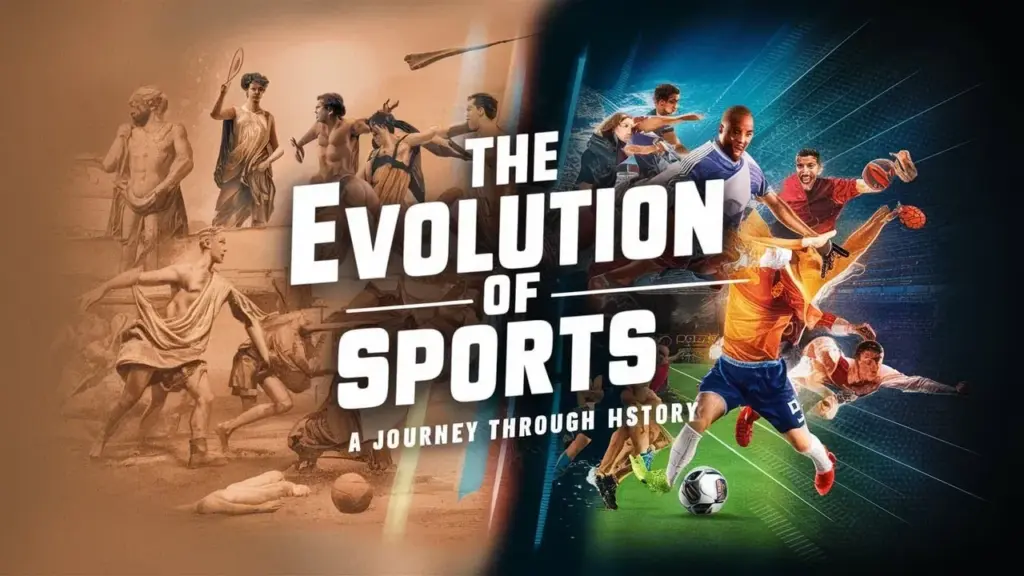
The evolution of sport is a captivating journey that traces the transformation of physical competition through the ages. From the ancient sports of civilizations like Greece and Rome, where athletic prowess was glorified in monumental events like the Olympic Games, to the dynamic landscape of modern sports we witness today, the changes reflect our society’s progression. The history of sports reveals how these pursuits of athletic excellence have intertwined with technology, culture, and economy, shaping them into the professional sports leagues that dominate our screens. As we delve into the evolution of sport, we uncover not only the origins of these games but also their continuing relevance in our fast-paced world. This exploration promises to shed light on the intricate connections between ancient traditions and contemporary practices in the exhilarating sphere of athletics.
The development of competitive athletics holds a significant place in human history, showcasing how these activities have evolved over the centuries. From primitive games in ancient cultures to the structured competitions we see in today’s athletic events, the journey of sports highlights our collective human spirit and adaptability. Examining the shift from traditional practices to modern-day sporting events reveals insights into the societal values and advancements that have influenced this dynamic field. The resurgence of international competitions, such as the Olympic Games, alongside the rise of professional leagues, illustrates the profound impact of technology in sports, which has amplified the global reach and commercial appeal. Ultimately, understanding the progression of these engagements enriches our appreciation for both the historical and contemporary significance of sports in our lives.
The Origins of Ancient Sports: A Historical Perspective
The origins of sports date back thousands of years, with various ancient civilizations engaging in competitive physical activities. Civilizations like Mesopotamia and Egypt held events that were often linked to religious and cultural practices. The Greeks are notably credited for establishing a formal structure to sports through the Olympic Games, which not only showcased athletic talent but also symbolized peace and unity among city-states. Events ranging from running to wrestling were dedicated to appeasing the gods and celebrating human potential.
These ancient sports laid the groundwork for modern athletics. The emphasis on physical skill and competition ignited a passion for sports that transcended cultures and eras. The festivals accompanying these games fostered a community spirit and were pivotal in unifying different tribes and nations, much like today’s international sports federations aim for. Understanding this historical context is crucial as we explore how ancient sports have shaped the framework of modern sporting events.
The Gladiatorial Games: Rome’s Sporting Era
Rome’s connection to sports is heavily characterized by the infamous gladiatorial games, a stark contrast to the peaceful competitions of ancient Greece. Gladiators, often drawn from slaves or prisoners of war, fought for their lives in grand amphitheaters like the Colosseum, captivating audiences and providing a spectacle that reflected Roman societal values. These brutal contests were not only entertainment; they were a demonstration of power and control, paralleling modern sports in how they can evoke both admiration and moral conflict.
The popularity of such violent entertainments overshadowed many other forms of organized sports during the Roman Empire. After the empire’s decline, the rise of Christianity led to a significant change in the type of sports celebrated, deemphasizing violence and promoting gentler forms of competition. This transition marks a pivotal point in the evolution of sport, illustrating how cultural and religious shifts have historically shaped sporting practices and the development of organized athletics.
The Renaissance: Reinvigorating Sports and Physical Games
The Renaissance emerged as a vibrant period that influenced not only the arts but revitalized physical athleticism as well. With a renewed focus on the accomplishments of the human body, sports became intertwined with new philosophies that celebrated physical prowess and skill. Tournaments featuring jousting and archery were widely popular, serving as entertainment for the elite, while also cultivating a spirit of competition and camaraderie among participants.
This period also saw the rise of fencing as a favored sport among nobles, emphasizing discipline and agility. The Renaissance’s impact on sport can be viewed as a formative stage in the gradual shift toward more organized forms of competition. This revival contributed to the foundations of modern sports, demonstrating how historical contexts can breathe life into age-old practices, leading to an evolved understanding of athletics as an essential aspect of human experience.
The Industrial Revolution: A New Era of Organized Sports
The Industrial Revolution fundamentally transformed society and leisure activities, paving the way for the emergence of organized sports. The introduction of mechanization and urbanization reshaped lifestyles, allowing more leisure time for the growing working class. This period witnessed significant developments, such as the establishment of the England Football Association in 1863, which codified the rules of football and fostered widespread interest and participation in sports.
As urban centers burgeoned, so did the attendance at sporting events, evolving them into highly organized gatherings. The late 19th century marked the birth of modern sports leagues, laying the groundwork for the professional sports we recognize today. This transition highlights how industrial advancements have intertwined with recreational pursuits, influencing not just the nature of sport but also its role as a unifying social phenomenon in an increasingly fragmented world.
The Modern Olympics: Celebrating Global Athleticism
The revival of the Olympics in the 19th century, championed by Pierre de Coubertin, stands as a monumental achievement in the history of global sports. The first modern Olympic Games, held in Athens in 1896, emphasized the ideals of international unity, friendship, and competition. Athletes from various nations competed side by side, showcasing their talents in a variety of disciplines, which laid the framework for the multi-sport extravaganza that the Olympics have become today.
As the Olympics have evolved, so have the types of sports included, expanding to include winter games and a greater diversity of events. The Olympics now represent a platform for athletic excellence and national pride, drawing billions of viewers worldwide. They serve as a reminder of the enduring legacy of ancient competitions while highlighting the importance of sports in promoting peace and understanding among different cultures.
The Role of Technology in Shaping Modern Sports
The advent of technology has revolutionized the landscape of professional sports in the 20th century and beyond. Live television broadcasts have opened up new channels for fans to engage with sporting events, significantly increasing popularity and transforming athletes into household names. The commercialization of sports was propelled by this technological wave, with endorsements turning athletes into influential figures who can build brands around their personas.
Moreover, advancements such as instant replay, sports analytics, and wearable technology have drastically changed how games are played, managed, and consumed. These innovations not only improve the athlete’s performance but also enhance the spectator’s experience, making sports more accessible and interactive. As technology continues to evolve, its integration into sports will undoubtedly usher in further transformations in how we understand and appreciate athletic competition.
Sport as a Catalyst for Cultural Identity
In today’s society, sport has transcended its traditional role as merely a competition to embody cultural identity and collective pride. Events like the FIFA World Cup and the Olympics unite diverse nations, fostering a sense of global community. These events not only showcase athletic talent but also celebrate cultural heritage, reinforcing national identities while promoting cross-cultural understanding and respect.
Moreover, athletes often leverage their visibility to advocate for social changes, breaking barriers, and challenging societal norms. This powerful intersection of sport and activism underscores the growing recognition that sports can be a platform for significant cultural dialogues, illustrating how athletic competition can foster not just recreation but meaningful societal impact.
Embracing the Digital Era: Sports and Technology Integration
The digital age has profoundly affected how we engage with sports, transforming traditional viewing habits and fan interactions. Platforms for live streaming, social media, and mobile applications have enabled real-time engagement with sporting events, creating online communities that are more connected than ever. Fans can now follow their favorite athletes, receive live updates, and participate in conversation across the globe, redefining the dynamics of fan engagement.
Additionally, the rise of fantasy leagues and sports betting has created new avenues for fans to deepen their connection to sports, adding layers of excitement and personal investment in the outcomes of events. The increasing role of technology in sports signifies a shift towards more personalized and immersive experiences, suggesting that the relationship between fans and the athletic world will only deepen as innovations continue to emerge.
Looking Ahead: The Future of Sports in Our Evolving Society
As we gaze into the future of sports, it is evident that the evolution of athletics will continue to reflect societal changes and technological innovations. There is a growing emphasis on health and wellness, leading to an increased interest in alternative and non-traditional sports. This shift suggests a broadening of what defines ‘sport’ beyond traditional boundaries, paving the way for diverse athletic pursuits that promote inclusivity.
Additionally, the burgeoning world of esports has emerged as a significant player in the competitive sports landscape, attracting millions of viewers and challenging preconceived notions of athletic competition. As society embraces new forms of competition, the future of sports will undoubtedly be characterized by a convergence of traditional and electronic sports, signifying the dynamic nature of athletic expression and its role in our lives.
Frequently Asked Questions
What is the evolution of sport from ancient times to now?
The evolution of sport spans thousands of years, beginning with ancient games in civilizations such as Greece and Rome, where events like the Olympic Games celebrated athletic prowess. Over time, sports have transitioned through various societal changes, including the decline during the Roman Empire, the Renaissance’s revival of physical activities, and the formation of organized sports during the Industrial Revolution. Today, modern sports are characterized by professional leagues and technological advancements that enhance viewer engagement.
How did ancient sports influence the evolution of modern sports?
Ancient sports laid the foundation for the evolution of modern sports by establishing competitive formats, rules, and the cultural significance of athletic events. The Olympic Games, for example, inspired the resurgence of multi-sport competitions and influenced the formalization of rules, leading to the organized and structured nature of contemporary sports.
What role did technology play in the evolution of sport?
Technology has played a pivotal role in the evolution of sport, particularly in the 20th century. Innovations such as television transformed how sports are consumed by providing live broadcasts, while the internet and social media have revolutionized fan engagement, allowing real-time interactions and access to a wider audience.
How have the Olympic Games evolved since their inception?
The Olympic Games have evolved significantly since their inception in 776 BC, transitioning from a local Greek event to a global sporting phenomenon. The modern Olympics, revived in 1896, now feature thousands of athletes from around the world competing in diverse sports, promoting international unity and celebrating athletic excellence.
What is the significance of professional sports in the evolution of sport?
Professional sports have drastically changed the landscape of athletics, marking a shift from amateur competition to highly commercialized entertainment. This evolution has led to the establishment of major sports leagues, increased media coverage, and the rise of athlete celebrities, impacting how sports are perceived culturally and economically.
In what ways did the Industrial Revolution affect sport?
The Industrial Revolution significantly influenced the evolution of sport by creating more leisure time for the working class and urbanizing populations. This led to the formation of organized sports teams, standardized rules, and the establishment of national and international sporting federations, marking the foundation of modern sports as we know them today.
How do ancient sports compare to modern sports?
Ancient sports and modern sports differ primarily in organization and complexity. Ancient sports, such as the Greek Olympics, were less formalized and often tied to religious events, while modern sports are organized with strict rules, professional leagues, and widespread media coverage, emphasizing competition as entertainment.
What impact has the digital era had on the evolution of sport?
The digital era has transformed the evolution of sport by enhancing fan engagement through live streaming, social media, and interactive platforms. This shift has allowed for more personalized viewing experiences, increased accessibility to information about sports, and the rise of new forms of competition like esports, reflecting broader changes in how society consumes sports.
How have societal changes influenced the evolution of sport over time?
Societal changes, such as shifts in cultural values, advancements in technology, and economic factors, have greatly influenced the evolution of sport. For example, the rise of professionalism in sports was driven by consumer interest and commercial opportunities, while social movements have highlighted athletes’ roles in advocating for change and unity, further embedding sports within cultural narratives.
What are some alternative sports that have gained popularity in modern times?
Alternative sports, such as esports, rock climbing, and parkour, have gained popularity in modern times, reflecting changing interests among younger generations. These sports often emphasize community engagement, skill-based competition, and innovation, marking a shift from traditional sports and showcasing the ongoing evolution of athletic pursuits.
| Key Points | Description |
|---|---|
| The Dawn of Sport | Sporting events trace back to ancient civilizations, particularly with the Greeks formalizing them through the Olympic Games. |
| Roman Influence | The Roman Empire popularized gladiatorial games and public entertainment, leading to a decline in organized sports after its fall. |
| Renaissance Rebirth | A revival of physical activity occurred, with tournaments and sports returning to prominence among society. |
| Industrial Revolution | Development of organized sports and national associations, marking the start of modern sports structures. |
| The Modern Olympics | Began in 1896, inspired by the ancient games, fostering international unity through competition. |
| Technological Advancements | Television and professional leagues transformed sports into a commercial phenomenon. |
| Cultural Impact | Sports act as a vital component of cultural identity, fostering community and social advocacy. |
| Digital Era Influences | Digital technology shapes fan engagement, introducing new entertainment avenues like esports. |
| Future of Sport | The evolution of sport is set to continue, highlighting alternative and non-traditional sports as well as advancing in technology. |
Summary
The evolution of sport has traveled a remarkable journey, illustrating how human society has transformed through the ages. From the ancient games of the Greeks celebrating physical strength and prowess to the contemporary global events that foster connection and cultural identity, sport has mirrored societal shifts and technological advancements. As we move forward, the realm of sports promises to adapt and thrive, continuing to enrich our lives and communities.