
Listen to this article
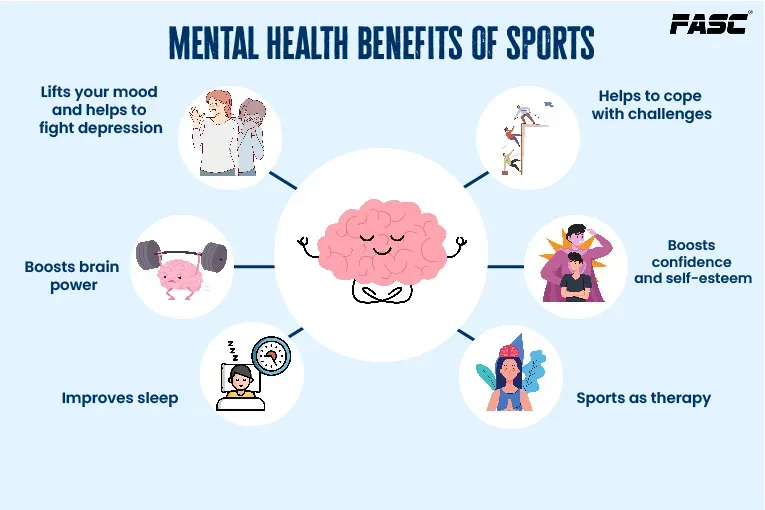
Engaging in sport offers numerous psychological benefits that extend far beyond just physical fitness. These benefits play a crucial role in enhancing mental health and sports participation has been shown to improve self-esteem, reduce anxiety, and boost resilience. As individuals immerse themselves in sports, they not only cultivate social interactions but also derive a sense of accomplishment that amplifies their overall well-being. Studies reveal a strong link between exercise and anxiety reduction, highlighting sports as a powerful tool for alleviating stress. Embracing the psychological benefits of engaging in sport can lead individuals to happier and healthier lives, making it an invaluable addition to daily routines.
Participating in athletic activities provides significant emotional advantages that contribute to improved mental wellness. The positive effects of exercising through sports often reflect in enhanced mood, better stress management, and strengthened self-worth. This exploration into the psychological effects of participating in physical activities reveals how sports foster social ties and facilitate resilience in coping with life’s challenges. Moreover, engaging in physical challenges enables individuals to redirect their focus, effectively combating anxiety and boosting confidence, which are essential elements of a fulfilling life. By integrating sports into their lifestyles, individuals can significantly enhance their emotional resilience and quality of life.
Boosting Self-Esteem Through Sports Participation
Engaging in sports serves as a powerful catalyst for boosting self-esteem. Athletes, regardless of their skill level, frequently encounter situations where they must set personal goals, whether that’s improving a specific skill or achieving better performance metrics. Achieving these goals, even the small victories, can significantly enhance an individual’s self-worth. The affirmation obtained from personal achievements in sports bolsters confidence, allowing participants to view themselves positively and take pride in their abilities.
Moreover, sports provide a structured environment where individuals receive constructive feedback. Coaches and teammates often encourage one another, leading to a supportive atmosphere that fosters self-acceptance and self-improvement. This reinforcement not only solidifies a sense of identity within sports but also extends beyond the field or court, positively affecting personal and professional domains. Thus, through regular participation, individuals are likely to experience an uplift in their overall self-esteem, creating a more confident approach to life.
Reducing Stress and Anxiety through Physical Activity
In today’s fast-paced environment, the relief of stress and anxiety through sports is more important than ever. Physical activity, particularly through team sports or engaging with a regular exercise routine, leads to the release of endorphins, which naturally elevate mood. When individuals participate in sports, they are not only exercising their bodies but also disconnecting from daily stressors. The focus on physical exertion can serve as a mental respite, allowing participants to forget their worries temporarily and immerse themselves in the activity.
The structured nature of sports also adds to their stress-relieving benefits. For instance, the camaraderie built within a team setting fosters connections and support systems that relieve feelings of isolation. As participants share victories and challenges, the mutual support can significantly alleviate stress. Studies suggest that regular involvement in physical activities can result in long-term decreases in anxiety levels, underscoring the importance of integrating sports into daily lifestyles for mental well-being.
Enhancing Social Connections Through Sports
Sports are a unique gateway to building and enhancing social connections. When individuals join local teams or participate in sporting events, they find themselves part of a community based on shared interests and goals. This environment promotes interaction and encourages relationships that can blossom into strong friendships. The bonds formed during training sessions or competitions can provide essential emotional support, significantly impacting one’s mental health.
Aside from fostering close friendships, participation in sports can also enhance social skills and communication. Players learn to work together, strategize, and develop trust within their teams, all of which are invaluable personal skills. Research indicates that individuals involved in group sports often report higher levels of happiness and lower levels of loneliness, highlighting how crucial these social connections are for psychological wellness.
Improving Mood and Combating Depression Through Exercise
Engaging in regular physical activities such as sports is notably beneficial for mood enhancement and combating symptoms of depression. The act of exercising promotes the release of serotonin and dopamine, neurotransmitters that play vital roles in mood regulation. These biochemical changes contribute to a general feeling of euphoria post-exercise, and regular participation can lead to lasting positive effects on one’s mental health.
Furthermore, team-based sports often cultivate a sense of community, alleviating feelings of isolation commonly associated with depression. The shared experiences and mutual encouragement among teammates can be uplifting, fostering a supportive environment that encourages individuals to discuss their struggles and seek solutions together. Studies consistently show that individuals who actively engage in sports tend to have lower rates of depression, affirming the role of exercise in mental health management.
Building Resilience Through Sporting Challenges
Sports present unique challenges that foster the development of resilience among participants. Athletes frequently face adversities, from losing matches to overcoming personal injuries. These experiences teach important lessons about perseverance, adaptability, and the ability to bounce back from setbacks. By navigating these challenges, individuals learn coping strategies that strengthen their resilience, enabling them to handle future obstacles in both personal and professional contexts.
Research consistently shows that participation in sports is associated with higher resilience levels compared to non-athletes. Athletes learn to reframe setbacks as opportunities for growth, which translates into better stress management outside sports. Therefore, the psychological training embedded in sports competition lies in its ability to prepare individuals for life’s challenges, promoting a resilient mindset that is invaluable in any pursuit.
Enhancing Concentration and Cognitive Functioning via Sports
The brain benefits immensely from the concentration required in sports. Engaging in athletic activities demands focus and strategic thinking, which can enhance overall cognitive skills. Athletes learn to evaluate their environment quickly, make decisions under pressure, and adapt to changing situations — all of which contribute to better mental agility in everyday tasks. Furthermore, studies indicate that regular participation in sports can improve memory, particularly in younger individuals.
The cognitive benefits extend beyond the field, as those who participate in sports often develop skills that enhance academic performance and professional effectiveness. Increased focus and improved memory serve as foundational aspects for successful learning and retention of information. Therefore, incorporating sports into one’s routine can have far-reaching effects on cognitive capabilities, reinforcing the brain-body connection essential for overall well-being.
Cultivating Discipline and Time Management through Sports
The structured nature of competitive sports necessitates a level of discipline that translates into everyday life. Training for games requires athletes to adhere to strict schedules, balancing practice, travel, and competition with personal responsibilities. This constant juggling helps develop superior time management skills, as participants learn to prioritize their commitments effectively. The discipline acquired in sports also cultivates a strong work ethic, promoting achievement across various aspects of life.
Furthermore, sports instill a sense of responsibility and accountability in individuals. Athletes understand the importance of attending practices, maintaining fitness levels, and contributing to their team’s success. This commitment to discipline not only helps in the mastery of skills in sports but is also a valuable asset in academic and workplace environments, where managing time and responsibilities can be challenging.
Promoting a Healthy Lifestyle through Active Engagement in Sports
Incorporating sports into your life promotes physical activity and encourages healthy lifestyle choices. Athletes often become more mindful of their nutrition, sleep patterns, and recovery processes, embracing a holistic approach to health. This awareness fosters habits that lead to better physical and mental wellness, such as making informed dietary choices and understanding the importance of adequate rest. Engaging in sports, therefore, often acts as a gateway to a lifetime of healthier living.
Moreover, the commitment to regular exercise through sports creates a positive feedback loop: as individuals experience the benefits of a healthy lifestyle, they are motivated to maintain it. This dedication to health and wellness can reduce the risk of various physical and mental health issues, ensuring that participants not only excel in their sport but also thrive in their everyday lives. It underscores the intrinsic relation between sports participation and long-term health benefits.
Finding Joy and Fulfillment in Sports Participation
Engaging in sports is not solely about competition or physical exertion; it is also about discovering joy and fulfillment in activities that ignite passion. Participating in sports can lead to heightened enjoyment and a sense of purpose, which are essential components of overall mental health. When individuals engage in activities they love, it fosters a sense of happiness that can permeate all areas of life, contributing positively to emotional well-being.
Moreover, the simple pleasure derived from playing a sport, whether competitively or recreationally, reinforces the importance of leisure and enjoyment in life. This mind-body connection emphasizes that taking time to engage in enjoyable activities is crucial for reducing stress and maintaining a positive outlook. Thus, the joy of participating in a sport contributes significantly to personal fulfillment and mental health, reminding us that happiness often lies in pursuing passions.
Frequently Asked Questions
What are the psychological benefits of engaging in sport?
Engaging in sports offers psychological benefits such as boosted self-esteem, reduced anxiety, enhanced mood, increased resilience, and improved social interactions. These factors collectively contribute to better mental health and overall well-being.
How does sports participation enhance self-esteem?
Sports participation boosts self-esteem by helping individuals set and achieve goals, celebrate small victories, and foster a sense of accomplishment, thereby improving their confidence and self-worth over time.
Can exercise really reduce anxiety?
Yes, exercise, particularly through engaging in sports, can significantly reduce anxiety levels. Physical activity releases endorphins, which act as natural stress relievers, creating a feeling of euphoria and helping individuals focus on the present.
What social benefits are derived from participating in sports?
Participating in sports enhances social connections by bringing people together, fostering friendships and camaraderie, and creating a sense of belonging, which ultimately supports emotional health and combats loneliness.
How do sports help in combating depression?
Regular involvement in sports is linked to improved mood and mood regulation through neurogenesis, leading to lower rates of depression. Team sports also provide a sense of achievement and joy, bolstering mental well-being.
What role does resilience play in sports participation?
Engaging in sports teaches resilience by challenging individuals to cope with failure and setbacks. This experience translates to better coping strategies in life, equipping individuals to handle adversities more effectively.
How do sports improve concentration and cognitive skills?
Sports demand focus and strategic thinking, which enhance cognitive skills. Regular physical activity is linked to improved concentration, memory, and executive functioning, making it particularly beneficial for children and adolescents.
Can participating in sports promote a healthier lifestyle?
Absolutely! Participation in sports often encourages better nutrition, sleep, and recovery practices, as the mental discipline from sports fosters a holistic approach to health and well-being.
What enjoyment and fulfillment can be gained from engaging in sports?
Engaging in sports provides enjoyment and fulfillment, adding fun and purpose to routine activities. This enjoyment significantly impacts mood, reinforcing the importance of satisfaction in enhancing overall mental health.
Why is mental health and sports a crucial topic today?
Mental health and sports is a critical topic as engaging in sports provides essential psychological benefits that combat stress, anxiety, and depression, promoting a healthier, happier lifestyle in today’s fast-paced world.
| Key Points | Explanation |
|---|---|
| Boosting Self-Esteem and Confidence | Sports promote a cycle of goal-setting and achievement, leading to increased self-worth and confidence. |
| Reducing Stress and Anxiety | Physical activity releases endorphins which alleviate stress and help focus on the present. |
| Enhancing Social Connections | Participating in sports fosters friendships and emotional support, combating loneliness. |
| Improving Mood and Combatting Depression | Regular physical activity is associated with lower rates of depression and better mood regulation. |
| Increasing Resilience | Exposure to challenges in sports teaches individuals to cope with failure and build resilience. |
| Enhancing Concentration and Cognitive Skills | Sports improve focus, critical thinking, and memory, enhancing cognitive functioning. |
| Cultivating Discipline and Time Management | Sports participation fosters discipline and time management skills applicable to life. |
| Promoting a Healthy Lifestyle | Engagement in sports leads to healthier lifestyle choices, including nutrition and self-care. |
| Finding Enjoyment and Fulfillment | Involvement in sports provides joy and a sense of purpose, crucial for mental health. |
Summary
The psychological benefits of engaging in sport are profound and numerous, enhancing overall mental well-being and quality of life. From boosting self-esteem and reducing anxiety to fostering social connections and promoting resilience, sports positively influence various aspects of mental health. By incorporating sports into our daily routines, we not only improve our mental fitness but also inspire others in our communities. Whether through team sports or individual activities, making time for sports can lead to a happier, healthier, and more fulfilling life.

