
Listen to this article
Screen time for children has become a pressing topic for parents and educators alike, as recent studies highlight the pivotal role it plays in early childhood development. With approximately 98 percent of children under two engaging with screens daily, experts and researchers are urging families to consider screen time guidelines that promote healthier habits. The effects of screen time on language development are particularly concerning, as evidence shows that excessive exposure may hinder children’s ability to communicate effectively. As young learners navigate their formative years, it’s crucial for parents to balance their interaction with screens and prioritize activities that foster connection and education. The upcoming state guidance is set to equip families with the knowledge they need to navigate this modern challenge, ensuring children can thrive both digitally and socially.
The influence of digital devices on our youngest generation is a key issue that merits thoughtful consideration. As discussions around children’s interaction with technology evolve, many stakeholders are calling for a deeper examination of how these devices affect early language skills and educational readiness. Youngsters, immersed in screens during their critical learning phases, may face obstacles in engaging socially and focusing on educational tasks, necessitating guidelines tailored to their developmental needs. This evolving conversation underscores the importance of striking a balance between technology use and traditional forms of learning, like reading and play. Ultimately, finding harmonious ways to integrate screens into childhood experiences is essential for fostering both cognitive and social growth.
Understanding Screen Time Guidelines for Children
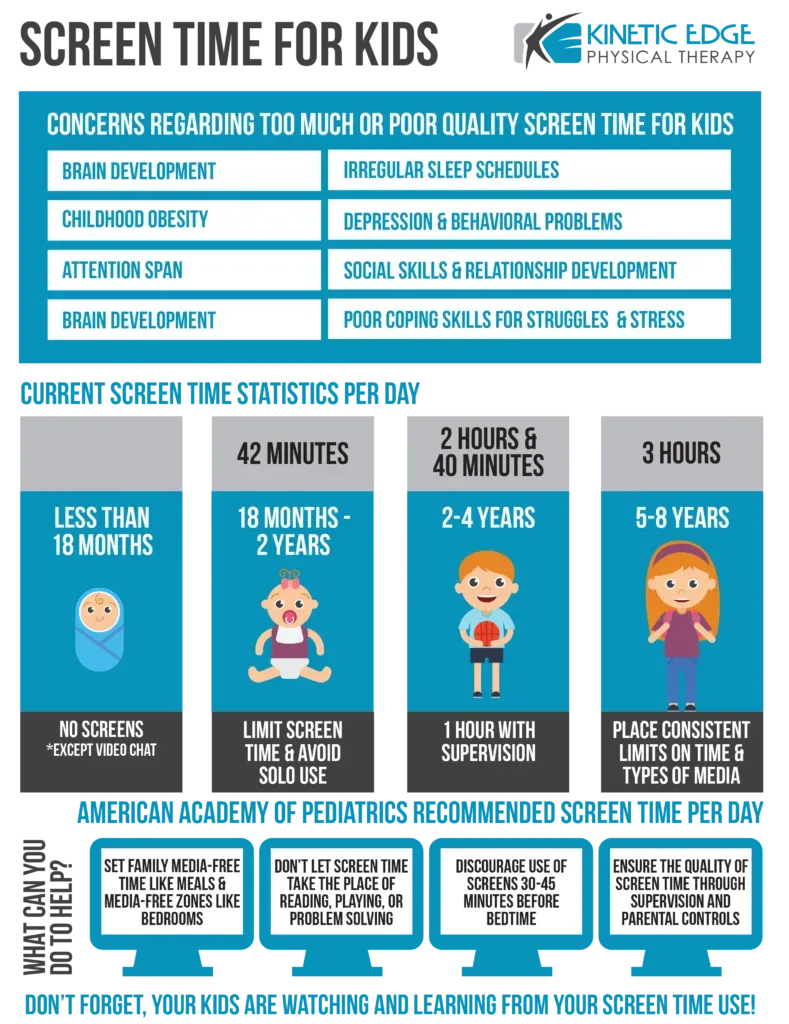
As a burgeoning area of concern for many parents and educators, screen time guidelines for children are crucial to ensuring healthy development. With nearly all children under the age of two engaging with screens daily, the need for comprehensive regulations has never been more apparent. Current recommendations stress the importance of limiting screen time to allow for essential interactions that promote language development and social skills. These guidelines aim to provide benchmarks that influence how children interact with digital devices, ensuring that their developmental needs are prioritized over passive consumption.
Parents are encouraged to find a balance between screen use and other forms of interaction, especially during the formative early childhood years. Engaging children with educational content can provide some benefits, but the emphasis must remain on fostering active communication and play. The state’s initiative to involve parents in shaping these guidelines reflects a growing understanding that collaborative input is vital for creating effective strategies that support children’s language acquisition and overall development.
The Effects of Screen Time on Language Development
Recent research highlights the detrimental effects of excessive screen time on children’s language development. Children exposed to more screen time, particularly those under the age of two, exhibit slower acquisition of vocabulary compared to their peers with limited screen exposure. The concerning statistic indicates that children averaging five hours of screen time daily may encounter significant delays in their linguistic abilities. This is particularly alarming during early childhood, a critical period for fundamental language skills.
Moreover, educators and childcare professionals are observing a troubling trend: children entering preschool and kindergarten are struggling with basic engagement, which includes maintaining conversations and focusing on tasks. These observations underscore the need for parents and caregivers to be mindful of how screen time impacts developmental milestones and to prioritize interactive experiences, such as storytelling, reading, and play, that build essential language skills. Addressing these concerns proactively can help counteract the negative implications of excessive screen exposure.
Creative Alternatives to Screen Time for Early Learners
With screens becoming an integral part of daily life, it is essential for parents to explore creative alternatives to screen time. Engaging children in activities such as reading books, playing with educational toys, or participating in outdoor play can provide valuable learning experiences while supporting language development. Incorporating interactive storytelling or role-playing games not only enhances children’s communication skills but also fosters imagination and problem-solving abilities.
Parents can also leverage the idea of co-viewing educational content as a way to enhance learning while simultaneously reducing isolation that prolonged screen use may impose. By discussing the material together, parents can stimulate conversations that reinforce vocabulary and comprehension. As noted in state guidance, fostering a balance between meaningful interactions and screen engagement is key to ensuring that children thrive in their early educational journeys.
Collaboration with Parents to Shape Screen Time Policies
As the government moves forward in establishing screen time guidelines, involving parents in the policymaking process is vital. Education Secretary Bridget Phillipson emphasizes the necessity of shaping these guidelines in collaboration with parents rather than imposing them unilaterally. This participatory approach ensures that the recommendations resonate with the experiences and needs of families, allowing for more practical and applicable strategies in managing children’s screen time.
Engagement sessions planned by the Department for Education will provide platforms for parents to voice their opinions and share insights drawn from their day-to-day interactions with children and screens. This collaborative atmosphere is essential in crafting guidelines that parents feel equipped to implement, ultimately leading to more effective solutions that address the growing concerns surrounding screen time and its impact on childhood development.
Recognizing the Importance of Communication Skills in Early Childhood Education
Communication skills form the foundation of effective learning in early childhood education, and there is growing concern about how screen time affects these essential skills. As children become increasingly reliant on screens, they may struggle to engage in meaningful conversations, a vital component of their educational journey. Teachers and childcare providers highlight the need for dedicated time spent interacting with peers and adults to nurture these critical abilities.
To address the decline in conversational skills linked to screen time, early childhood education programs are integrating more interactive activities that encourage verbal expression and social interaction. Activities such as group storytelling, collaborative play, and hands-on learning experiences are being promoted to offset the passive engagement that screens often encourage. Cultivating these communication skills will not only enhance children’s language abilities but also nurture their confidence and connection with others.
Impact of Screen Time on Focus and Attention in Young Children
The growing reliance on digital devices among young children has raised alarms regarding focus and attention spans. Increased screen time is correlated with difficulties in maintaining concentration, as many children transitioned from traditional play to digital interactions. Teachers are reporting that children often struggle to stay engaged in classroom activities, a phenomenon that can be partly attributed to the rapid pace of information on screens that sometimes overwhelms their capacity for focused attention.
To combat these trends, educational strategies are being re-evaluated, with a focus on incorporating methods that adapt to children’s needs and promote sustained attention. Techniques such as mindfulness practices in the classroom, structured play sessions, and frequent breaks during learning activities can help counterbalance the effects of excessive screen exposure. Creating an environment that prioritizes engagement and focus will be essential for optimizing children’s learning outcomes.
Encouraging Healthy Screen Habits for Lifelong Learning
Establishing healthy screen habits early in life can pave the way for children’s lifelong learning and wellbeing. Parents are encouraged to model balanced screen use by setting limits and actively engaging with their children during screen time. By choosing educational content and discussing it together, parents can enhance the learning experience while also teaching their children about healthy media consumption.
Additionally, creating a schedule that includes designated screen time alongside various non-screen activities can help children understand the value of balance. The integration of arts and crafts, outdoor adventures, and family reading time can all contribute to a holistic approach to learning. Teaching children to engage with technology critically, rather than passively, will prepare them for a future where digital literacy is increasingly important.
Transitioning from Screen Time to Interactive Play
Transitioning children from screen time to more interactive play is essential for fostering creativity and social skills. As children engage less with screens, parents can introduce engaging activities that spark imagination, such as building blocks, storytelling sessions, and group games that emphasize teamwork. These interactive experiences not only cultivate teamwork and communication but also encourage problem-solving skills.
Moreover, setting aside daily routines dedicated to non-screen activities can help mitigate the craving for digital devices. Encouraging outdoor play, arts and crafts, and family game nights can create a rich environment for children to explore their interests. By offering varied experiences, parents can help children build a diverse skill set while minimizing dependence on screens.
The Role of Educators in Guiding Screen Use
Educators play a pivotal role in guiding appropriate screen use in early childhood settings. As trusted figures in children’s lives, teachers can influence how screen time is perceived and integrated into learning. By promoting chronologically appropriate and educational content, educators can help minimize the potential negative impacts of screens and demonstrate effective ways to engage with technology when necessary.
Furthermore, they can collaborate with parents to establish consistent guidelines that apply at home and in the classroom. By sharing strategies for healthy screen habits and encouraging dialogues about screen use, educators can foster a unified approach to managing children’s digital interactions. This collaborative effort ensures that children receive clear messaging about appropriate screen use, supporting their development in both academic and social settings.
Frequently Asked Questions
What are the recommended screen time guidelines for children under five?
Screen time guidelines for children under five suggest that children should have limited exposure to screens, especially those under two. The upcoming guidance from the government is expected to provide specific recommendations to help parents navigate screen use while promoting healthy development through activities like talking and playing.
How does excessive screen time affect language development in children?
Research indicates that increased screen time for children under two can lead to slower language development. Children who spend excessive time on screens—around five hours daily—may develop a smaller vocabulary compared to those who watch for less than an hour. Limiting screen time and promoting interactive communication can help foster better language skills.
What are the effects of screen time on children’s ability to concentrate?
The effects of screen time on children’s concentration are concerning; many children are entering nursery and school struggling to focus and engage in conversations. Educators and parents have observed that excessive screen exposure can hinder attention spans, which are crucial during early childhood education.
How can parents balance screen time with other activities for their children?
Parents can balance screen time with other activities by implementing structured routines that include talking, reading, and playing together. The upcoming guidelines will provide practical advice on how screens can coexist with meaningful interactions, ensuring that screen time does not replace critical opportunities for development.
What should parents consider when allowing children to use screens?
When allowing children to use screens, parents should consider the content quality, duration, and context of use. As screens are prevalent in our lives, choosing educational games or stories that promote engagement can be beneficial, while being mindful of the overall time spent on screens to encourage a healthier balance.
What resources will be provided to parents regarding screen time for children?
The government plans to release resources in April that will offer parents guidance on screen time for children. These resources will focus on actionable strategies to mitigate potential negative effects of screen exposure while incorporating screen use positively in daily activities.
Why is it important to shape guidance on screen time together with parents?
It is important to shape guidance on screen time with parents to ensure that their concerns and insights are addressed. Collaborative engagement will help create practical advice that resonates with families, making it easier for them to manage screen exposure while supporting their children’s development.
What role do educators play in children’s screen time management?
Educators play a significant role in managing children’s screen time by observing its effects in the classroom and providing parents with feedback on their children’s engagement and concentration. Collaboration between parents and educators is essential for developing effective strategies to balance screen use and promote essential learning experiences.
| Key Point | Details |
|---|---|
| Screen Time Guidance | The state will provide guidelines on screen time for children under five. |
| Statistics on Screen Use | 98% of children are using screens daily by age two, possibly impacting language development. |
| Impact of Excessive Screen Time | Higher screen time (5 hours/day) correlates with a smaller vocabulary compared to lower usage (44 minutes/day). |
| Personal Reflection | Education Secretary Bridget Phillipson shared her own experiences as a parent regarding screen time management. |
| Proposed Alternatives | Guidance will include suggestions for non-screen activities that foster learning and connection. |
| Consultative Approach | The guidance development will include input from parents, children, and educators. |
| Research Implications | The initiative is backed by research showcasing the negative impacts of increased screen time. |
Summary
Screen time for children has become an important topic of discussion among parents and educational authorities. The upcoming guidance will help inform parents about the recommended screen exposure for children under five, highlighting potential developmental risks associated with excessive screen use. By collaborating with parents and caregivers, the government aims to develop practical tips for balancing screen time with essential activities like play and conversation, ensuring children can thrive in their early years.