Listen to this article
Sport recovery is an essential aspect of athletic performance that every athlete should prioritize. It encompasses various recovery techniques that not only alleviate physical fatigue but also enhance mental clarity and overall well-being. With effective strategies in place, such as proper nutrition for recovery and active recovery methods, athletes can optimize their performance and longevity in sports. Understanding the importance of sleep for athletes further complements a well-rounded recovery plan, enabling them to bounce back stronger after intense training sessions. By integrating these vital recovery practices into their routine, athletes can significantly reduce the risk of injuries and ensure they are always prepared for their next challenge.
Athletic recuperation extends beyond mere rest; it involves the intricate processes through which an athlete’s body and mind recover from high-intensity exertion. This holistic approach to rehabilitation includes diverse methods such as cooldown activities, nutritional support, and mental wellness practices. Athletes seeking to enhance their performance must understand the significance of structured recovery protocols alongside their training regimens. Moreover, engaging in both active and passive recovery techniques can greatly improve physical and mental recovery, laying a solid foundation for future endeavors in their sport. Recognizing that effective recovery leads to better performance can empower athletes in their pursuit of excellence.
Understanding the Importance of Sport Recovery
Sport recovery is an essential element for any athlete looking to maintain peak performance levels. When athletes engage in high-intensity workouts, their bodies undergo significant stress, leading to micro-tears in muscle fibers and depletion of energy stores. Recovery allows these tissues to repair, replenishing essential nutrients and energy. Furthermore, adequate recovery contributes to mental clarity, motivation, and overall athletic longevity, which are crucial for sustained success in competitive environments.
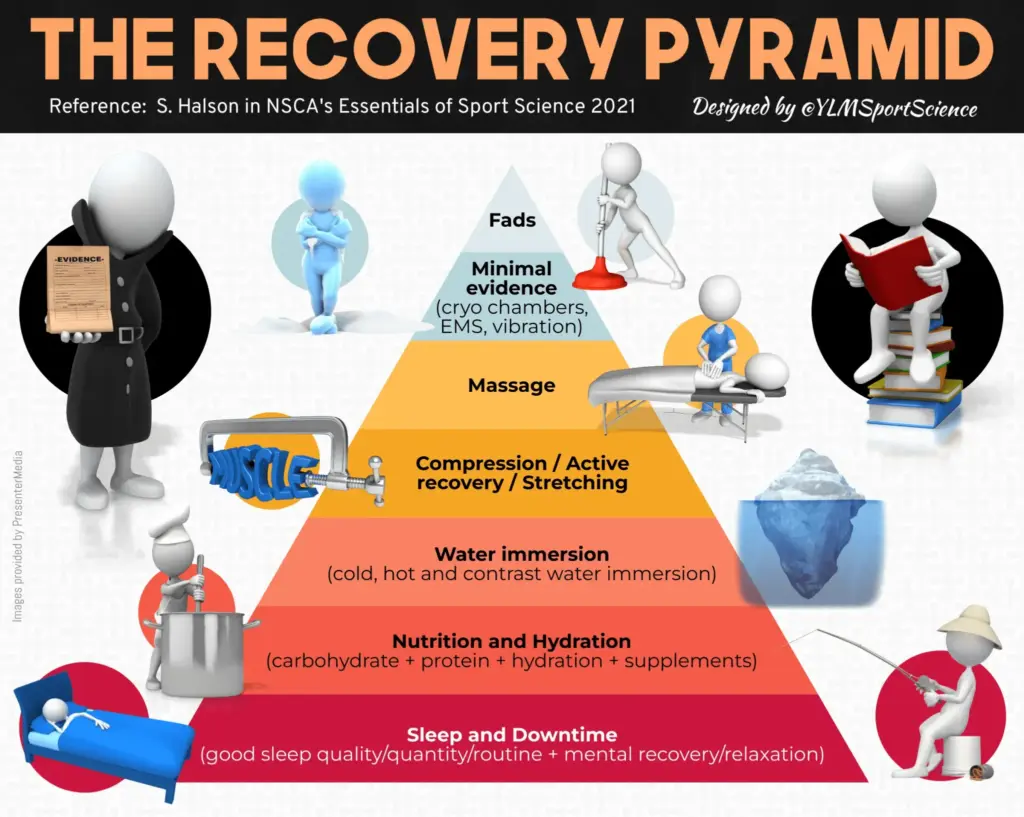
Understanding the significance of recovery goes beyond just resting after workouts. An effective recovery strategy incorporates various methods, including nutrition, hydration, and sleep, all aimed at enhancing the body’s ability to recover. It’s critical for athletes to recognize that ignoring recovery can lead to overtraining, fatigue, and even chronic injuries, hindering their performance in the long run.
Active Recovery Techniques for Athletes
Active recovery refers to engaging in low-intensity physical activities that promote blood flow without adding additional strain to the muscles. Activities like yoga, gentle cycling, or swimming can aid in muscle recovery by facilitating the removal of lactic acid build-up while also keeping the body moving. This not only prevents stiffness but also contributes to psychological benefits, helping athletes maintain a routine without the pressure of high-performance outputs.
Additionally, implementing active recovery techniques encourages flexibility and mobility in muscles and joints. It is essential to tailor these activities to each athlete’s specific needs and the intensity of their previous workouts. A personalized approach to active recovery can significantly enhance an athlete’s resilience and adaptability in future training sessions.
Nutrition for Effective Recovery
Nutrition plays a pivotal role in the recovery process, serving as the foundation that supports muscle repair and overall bodily function. Athletes need to focus on three main components: carbohydrates, proteins, and hydration. Carbohydrates help replenish glycogen stores quickly, while protein provides the necessary building blocks for muscle repair after strenuous activity. Consuming these macronutrients within a post-workout window of about 30 to 60 minutes is crucial for optimal recovery.
In addition to carbohydrates and proteins, proper hydration cannot be overlooked. Dehydration can severely hinder recovery and performance, leading to issues such as muscle cramps and fatigue. Athletes are encouraged to drink fluids consistently and consider incorporating electrolytes to replace lost salts. Overall, a balanced diet rich in vitamins and minerals—particularly from fruits and vegetables—will further enhance recovery by reducing inflammation and oxidative stress.
The Role of Sleep in Athletic Recovery
Sleep is one of the most critical elements of recovery, often overshadowed by discussions of physical training and nutrition. Scientific studies indicate that during deep sleep stages, the body undergoes vital repair processes, including muscle recovery and hormonal regulation. For athletes, obtaining between 7 to 9 hours of quality sleep each night is essential for optimal recovery and performance enhancement.
Improving sleep quality can be achieved through creating a conducive sleeping environment and maintaining a consistent sleep schedule. Athletes should aim to reduce exposure to screens before bedtime and engage in relaxing bedtime routines. Prioritizing sleep will not only bolster physical recovery but also enhance mental clarity and decision-making skills, which are fundamental in competitive sports.
Mental Recovery: More Than Just Physical Rest
Mental recovery is equally vital as physical recovery in sports, as mental fatigue can negatively impact performance and motivation. Techniques such as mindfulness, meditation, and visualization have been proven to alleviate stress and cultivate focus. Athletes should regularly engage in mindfulness exercises that promote relaxation, making it easier to deal with the pressures of training and competition.
Furthermore, visualization techniques allow athletes to mentally rehearse their performances, improving their confidence and preparedness. Imagining success in their respective sports can create positive associations, which enhance motivation and reduce anxiety. Incorporating mental recovery techniques into regular training regimens will yield significant benefits in both performance outcomes and overall well-being.
Creating a Structured Recovery Plan
Designing a structured recovery plan is integral for any athlete who wishes to optimize performance and minimize injuries. A well-thought-out recovery plan should include designated rest days, active recovery sessions, and specific nutrition strategies that align with workout intensities. Both physical and mental recovery practices should be woven into an athlete’s schedule to ensure a holistic approach.
It’s crucial that athletes regularly assess their recovery plans based on performance feedback and bodily responses. Listening to the body—recognizing indicators of fatigue or distress—can help tailor recovery activities more effectively, ultimately leading to improved outcomes. Maintaining a journal can aid in tracking feelings and recovery responses, allowing for fine-tuning of techniques over time.
The Science Behind Recovery Techniques
Understanding the scientific basis for various recovery techniques can empower athletes to make informed decisions. Techniques range from active recovery to advanced methods like cryotherapy and hydrotherapy, all showing varying levels of effectiveness in research. Utilizing a combination of these techniques, from massage therapy to compression garments, can lead to enhanced muscle recovery by improving circulation and reducing muscle soreness.
Moreover, new technologies are emerging in recovery science, offering athletes innovative methods to speed up recovery, such as infrared treatments and smart wearables that monitor heart rates, muscle fatigue, and sleep patterns. Keeping abreast of scientific advancements will help athletes continuously adapt and refine their recovery strategies, ensuring they are always prepared to optimally perform.
The Impact of Proper Hydration on Recovery
Hydration is a cornerstone of effective recovery yet often underestimated in its importance. Water plays several critical roles, including temperature regulation, nutrient transport, and waste removal from the body. Adequate hydration helps to maintain optimal cognitive function and physical performance, reducing risks associated with dehydration that can lead to muscle cramps and fatigue.
Athletes should develop a hydration strategy that accounts for individual sweat rates, environmental conditions, and workout intensity. Incorporating electrolyte-rich beverages during prolonged or intense activities is beneficial too, as it helps replace lost salts and maintain fluid balance. A conscious effort towards hydration can significantly enhance recovery rates and overall performance.
Monitoring Recovery Progress for Optimal Performance
Monitoring recovery progress is essential to ensure that athletes are effectively preparing for subsequent training sessions and competitions. Keeping track of metrics such as sleep duration, hydration levels, muscle soreness, and overall physical and mental well-being can help athletes recognize patterns and adjust their recovery strategies appropriately. Regularly reviewing this data can provide invaluable insights into what methods are most effective for individual needs.
Utilizing technology such as recovery monitoring apps or wearables can facilitate this tracking process, offering real-time feedback on recovery metrics. By understanding how various factors impact their recovery, athletes can make data-driven decisions to optimize their performance, achieve competitive advantages, and keep injuries at bay.
Frequently Asked Questions
What are effective recovery techniques for athletes?
Recovery techniques for athletes include active recovery methods like walking or yoga, passive recovery such as complete rest, and specific methods like massage or ice baths that enhance blood flow and reduce soreness.
How does nutrition for recovery impact athletic performance?
Nutrition for recovery is vital; hydration helps prevent cramps, carbohydrates replenish glycogen, protein supports muscle repair, and antioxidants reduce inflammation, all contributing to enhanced athletic performance.
Why is sleep important for sport recovery?
Sleep is crucial for sport recovery as it allows the body to repair muscles, release hormones, and recover cognitively. Athletes should aim for 7-9 hours of quality sleep each night.
What is active recovery, and how can it benefit athletes?
Active recovery involves engaging in low-intensity activities post-workout, like walking or light cycling, which maintains blood circulation and aids muscle recovery without adding stress.
What are some mental recovery techniques for athletes?
Mental recovery techniques for athletes include mindfulness practices, meditation, and visualization, all of which can alleviate stress, boost focus, and improve performance.
How can athletes create a personalized recovery plan?
Athletes can create a personalized recovery plan by integrating recovery activities like stretching and foam rolling into their training schedule and modifying based on workout intensity and competition periods.
What role does hydration play in sport recovery?
Hydration is essential for sport recovery as it prevents dehydration, muscle cramps, and fatigue. Athletes should focus on drinking enough fluids and incorporating electrolytes post-exercise.
What are some tips for improving sleep for athletes?
To improve sleep for athletes, establish a regular sleep schedule, create a calming bedroom environment, and limit screen time before bed to enhance sleep quality.
What are passive recovery methods and when should athletes use them?
Passive recovery methods, such as complete rest and sleep, should be used after intense training or competition to fully recharge the body and support overall recovery.
How can athletes listen to their bodies during recovery?
Athletes can listen to their bodies by recognizing signs of fatigue and discomfort, allowing for extra recovery time when needed, and adjusting training intensity based on their physical condition.
| Key Points | Details |
|---|---|
| Importance of Recovery | Recovery repairs tissues, replenishes energy stores, and helps achieve performance equilibrium. |
| Types of Recovery | 1. Active Recovery: Low-intensity exercise like walking or yoga. 2. Passive Recovery: Complete rest, crucial for full recharge, including sleep. 3. Recovery Techniques: Massage, ice baths, and compression garments to enhance recovery speed. |
| Nutrition for Recovery | – Hydration: Vital for muscle recovery. – Carbohydrates: Replenish glycogen stores after exercise. – Protein: Supports muscle repair post-workout. – Antioxidants: Reduce inflammation from workouts. |
| Sleep and Recovery | Sleep is essential for repair processes involving muscles and cognitive function; aim for 7-9 hours per night. |
| Mental Recovery | Techniques like mindfulness and visualization help reduce mental fatigue, enhancing performance. |
| Incorporating Recovery Strategies | 1. Create a Recovery Plan. 2. Listen to your body for needs. 3. Adjust strategies based on feedback. 4. Consult professionals for personalized recovery approaches. |
Summary
Sport recovery is essential for athletes aiming to maximize their performance and longevity in their respective sports. Understanding the science behind recovery helps athletes implement effective strategies, ensuring they are prepared for upcoming challenges. Recovery encompasses both physical and mental processes, requiring a balance between rest, nutrition, and sleep, as well as techniques to improve recovery rates. By prioritizing recovery alongside training, athletes can enhance their abilities, reduce injury risks, and maintain motivation for their sports.