Listen to this article
Debt help has never been more crucial as many individuals face overwhelming financial challenges in today’s economy. With the holiday season’s aftermath still fresh, calls to debt charities have surged, revealing the urgent need for financial advice and support. Organizations like StepChange and Money Wellness are stepping up to provide essential resources, including credit counseling and money management tips tailored to help people overcome debt. The rise in late-night queries highlights the anxiety many feel, prompting them to seek immediate assistance when traditional support hours may not be accessible. For those grappling with debt, reaching out for help can be the first step towards regaining control and building a more secure financial future.
Financial assistance programs have seen a dramatic increase in inquiries, reflecting a growing need for support among those wrestling with money troubles. As communities become more aware of their options, services like credit counseling and assistance from debt charities provide necessary guidance for effective money management. From personalized financial advice to resources aimed at overcoming debt, these organizations empower individuals to take charge of their fiscal health. Many who previously felt isolated in their struggles are now seeking help, demonstrating a significant shift in acknowledging the importance of financial wellness. Ultimately, these services are pivotal in fostering a culture of support and resilience against the pressures of debt.
The Surge in Debt Help Requests After the Holiday Season
As the holiday season concludes, many individuals find themselves grappling with the aftermath of increased spending, leading to a significant rise in the demand for debt help services. Charities like StepChange and Money Wellness report unprecedented call volumes in early January, surpassing prior years and indicating a critical need for immediate assistance. The financial pressure experienced during this time exacerbates existing challenges, prompting individuals who may have managed their finances to suddenly seek help as their debts become unmanageable.
The timing of this surge coincides with the psychological impact of the holiday season, where the desire to celebrate often outweighs financial caution. Images of festive cheer and gift-giving can overshadow the lurking worries of credit card debt and unpaid bills. Consequently, organizations providing credit counseling observe that many individuals reach out for help, particularly late at night when anxiety peaks, revealing a shift towards seeking support after traditionally stressful periods.
Understanding Your Options for Debt Charities and Counseling
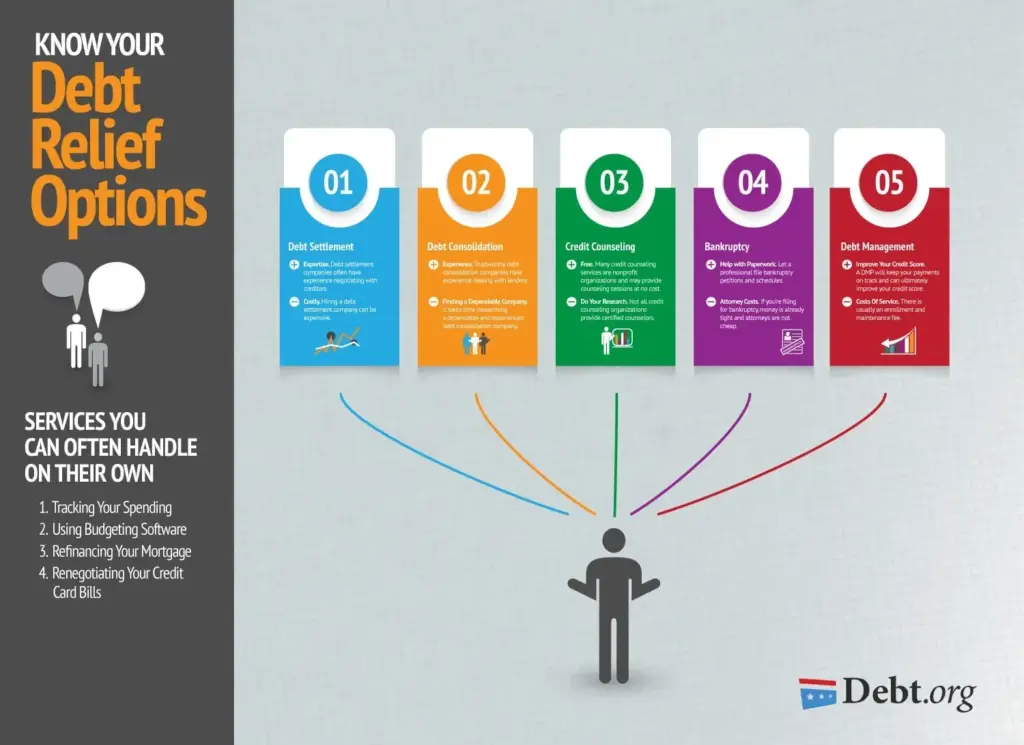
Searching for debt help can seem overwhelming, but it’s essential to understand the various options available. Debt charities provide a wealth of resources, including free consultations and financial advice, designed to help individuals navigate their debt challenges. Organizations like StepChange and National Debtline not only offer guidance on creating a manageable repayment plan but also provide emotional support to help clients cope with the stress of their financial situation.
Credit counseling services empower individuals by offering structured support through budgeting strategies and prioritization of outstanding debts. These organizations emphasize effective money management tips that can lead to improved financial health. Connecting with a debt charity or a credit counselor can be a crucial step towards understanding one’s financial landscape, enabling people to overcome debt rather than being trapped in a cycle of stress and anxiety.
Strategies for Overcoming Debt: Insights from the Experts
Experts emphasize that overcoming debt is a process that requires commitment and strategic planning. Individuals struggling should first assess their financial situation comprehensively, including income, expenses, and outstanding debts. By doing so, they can identify which debts are most urgent—such as priority bills like rent or council tax—and focus their efforts on these areas first. Emphasizing communication with creditors is also critical; many are willing to negotiate terms if they are made aware of a person’s financial difficulties.
Moreover, adopting money management tips like regular budgeting, expense tracking, and setting achievable financial goals can dramatically improve one’s ability to overcome debt. This proactive approach not only alleviates the immediate pressures of debt repayment but also fosters long-term financial stability. Through persistence and the right resources, such as credit counseling services, individuals can regain control over their finances and learn invaluable tools to prevent future debt crises.
The Role of Emotional Support in Debt Recovery
Recovering from debt is not just about numbers; it also involves significant emotional and psychological components. Many individuals face anxiety, depression, and feelings of hopelessness while managing their financial challenges. This emotional toll can exacerbate an already stressful situation, making it difficult to take constructive steps toward recovery. Therefore, seeking emotional support, whether through friends, support groups, or professional counseling, can be just as important as financial advice.
Debt charities often provide not only financial counseling but also emotional support, recognizing the intricate relationship between mental health and financial stability. Services like Money Wellness highlight the necessity of addressing both dimensions, encouraging individuals to seek comprehensive support. This multifaceted approach can create a healthier mindset, empowering those struggling with debt to take actionable steps towards recovery.
Why Seeking Debt Assistance Early Can Change Your Financial Future
Many people delay seeking help for their debts, believing they can manage their financial struggles on their own. However, waiting too long to seek assistance from debt charities or credit counseling services can lead to escalating issues, including further debt accumulation and potential legal actions from creditors. Early intervention allows individuals to access vital resources that help prevent situations from worsening, such as creating effective repayment strategies and budgeting techniques.
Organizations dedicated to debt help often stress that the sooner individuals reach out, the better their chances of regaining financial control. They provide immediate support and can help clients understand their rights and options, ultimately leading to more favorable outcomes. Those who act promptly are likely to experience less stress and be in a better position to navigate their financial recovery journey.
The Impact of Seasonal Spending on Personal Finances
Seasonal spending during the holidays places significant financial strain on many individuals, often leading to overwhelming debt. The allure of holiday shopping can result in overspending or reliance on credit cards, which may feel like a convenient solution at the moment. However, as the New Year arrives, the reality of these financial choices often hits hard, prompting a higher demand for debt help services as individuals face mounting bills and payments.
Understanding this cyclical nature of spending is crucial for developing effective money management tips for the future. By preparing for heightened expenses during festive seasons—such as setting aside savings or creating a budget for holiday spending—individuals can mitigate the financial fallout that often follows. Awareness of the impact of seasonal expenses can empower people to make informed choices moving forward, avoiding the debt spiral that so many experience.
Building a Sustainable Budget After Debt Relief
Once individuals have commenced their journey towards debt relief, establishing a sustainable budget becomes vital for maintaining financial health. A well-structured budget and clear financial goals enable individuals to manage their finances effectively, preventing the recurrence of debt issues. Fundamental components often include tracking income versus expenses, allocating funds for savings, and ensuring that priority debts are addressed first.
Regular financial check-ins can help individuals assess their budgeting strategies, making necessary adjustments as elements of their financial situation change. This proactive approach fosters discipline and accountability, ensuring that the lessons learned during the debt recovery process are not forgotten. Moreover, re-engaging with resources offered by debt charities or financial advisors can provide continued support and guidance, helping individuals build a stable financial future.
The Role of Government Support in Financial Recovery
Government interventions, such as cold weather payments and other financial aid initiatives, play an essential role in supporting individuals facing financial difficulties during harsh economic times. These programs can provide temporary relief, especially for vulnerable households struggling with priority bills like energy costs. Awareness of such benefits is crucial for individuals who may feel isolated in their financial challenges, as this support can serve as a lifeline when managing debt becomes overwhelming.
Additionally, debt charities often collaborate with government programs to ensure that individuals receive the necessary information and support to access available resources. This collaborative effort can enhance the effectiveness of existing financial advice services, guiding individuals through the complexities of government aid while addressing their immediate financial needs. Understanding and utilizing these aids can significantly improve one’s situation, facilitating long-term recovery and financial stability.
Empowering Others: Sharing Personal Debt Recovery Stories
Personal narratives of overcoming debt not only inspire others but also reinforce the significance of seeking help. Individuals like Dave Murphy share their journeys from financial hardship to recovery, highlighting the pivotal role of debt charities and credit counseling in their experiences. Such stories illuminate the notion that recovery is possible and that individuals do not need to navigate their struggles alone. Sharing personal challenges can foster community support and encourage those still struggling to seek help.
Moreover, advocates often use their stories to educate others about the availability of debt help resources, aiming to destigmatize financial difficulties. By opening up discussions about debt and recovery, more individuals might feel empowered to reach out for assistance, knowing that they are not alone in their struggles. These narratives serve as powerful reminders that financial recovery, supported by community and expert guidance, can lead to renewed hope and stability.
Frequently Asked Questions
What types of debt help are available for individuals struggling with financial issues?
There are several forms of debt help available, including free services from debt charities, credit counseling programs, and money management tips specifically designed to assist individuals in overcoming debt. Organizations like StepChange and Money Wellness provide guidance, support, and resources to help you regain control of your finances.
How can debt charities assist those facing overwhelming financial pressures?
Debt charities offer a variety of services to help individuals manage their debts. They provide free advice, support through credit counseling, budgeting tools, and help in negotiating with creditors. The goal is to empower individuals to tackle their financial problems before they escalate, especially after costly periods like the holiday season.
When is the best time to seek debt help?
The best time to seek debt help is as soon as you recognize that your financial situation is becoming unmanageable. Many people reach out for help in January after the holidays, but it’s important to seek assistance earlier rather than later to prevent further accumulation of debt. Resources like Money Wellness are available 24/7, allowing you to access help at any time.
What impact does poor money management have on debt levels?
Poor money management can lead to increased debt levels as individuals may struggle to meet financial obligations. Utilizing money management tips and seeking guidance from credit counseling services can significantly help in developing better budgeting skills and avoiding the pitfalls of debt.
Can credit counseling really help someone in debt?
Yes, credit counseling can be highly effective for those in debt. Credit counselors provide personalized financial advice, help you create a manageable repayment plan, and offer strategies to deal with creditors. This professional support is vital in overcoming debt challenges and achieving financial stability.
What should I do if I’m struggling to pay priority bills like rent or council tax?
If you’re struggling to pay priority bills, it’s crucial to seek debt help immediately. Contact debt charities or financial advisors who can assist you with negotiating payment plans and explore options for support. Ignoring these bills can worsen your financial situation, so proactive management is key.
How can I find appropriate debt help services in my area?
You can find debt help services in your area by visiting websites of debt charities, such as StepChange or National Debtline. These organizations provide comprehensive information and support tailored to your needs, including local advice centers and online resources.
What are the benefits of consulting a debt charity for financial advice?
Consulting a debt charity for financial advice provides access to expert guidance, personalized debt management solutions, and emotional support. These services are usually free of charge and aim to educate individuals on overcoming debt while providing ongoing assistance through difficult financial periods.
How do debt charities respond to increased demand during the holiday season?
Debt charities often experience a surge in calls for help during the holiday season, prompting them to enhance their services. They extend their hours and provide additional online support to ensure that individuals can access timely debt help, especially during peak periods of financial distress.
What can individuals do to prepare for seeking debt help?
Individuals preparing to seek debt help should gather all relevant financial documents, such as bills, income statements, and any communication from creditors. This information is crucial for advisors to provide effective support and create a realistic plan to address your debt challenges.
| Key Point | Details |
|---|---|
| Surge in Calls to Debt Charities | Debt charities are seeing a significant increase in calls and requests for help, particularly during January after the holiday season. |
| Busy Period for Helplines | January is traditionally the busiest month, with many people seeking help during this time due to financial strain from the holidays. |
| Late Night Calls | Services like Money Wellness receive many calls late at night, indicating heightened anxiety among those dealing with debt. |
| High Visitor Traffic on Websites | StepChange’s website received thousands of visitors on Christmas Day and New Year’s, signaling urgent need for information. |
| Struggles with Priority Bills | People are particularly struggling with essential bills such as council tax and rent amidst rising living costs. |
| Personal Stories of Recovery | Individuals like Dave Murphy highlight the importance of seeking help and managing debts to recover from financial difficulties. |
Summary
Debt help is increasingly vital as many individuals face financial challenges following the costly holiday season. The surge in calls to debt charities illustrates the urgency of addressing unmanaged debts. It’s essential for anyone struggling with finances to recognize the importance of seeking support and guidance, as many organizations offer free services to assist in overcoming these difficulties. As the strain of bills and living expenses rises, reaching out for debt help can lead to improved financial stability and peace of mind.