
Listen to this article
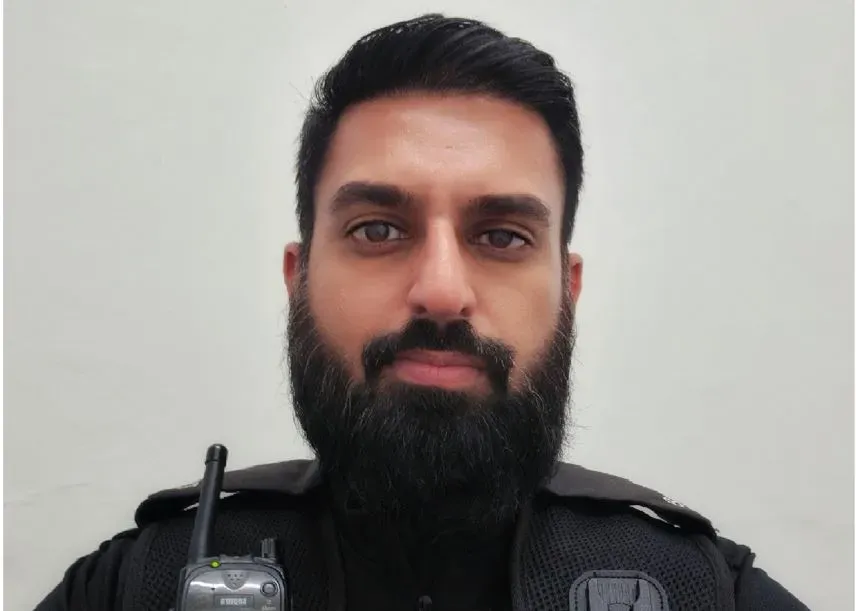
The recent case of PC Mohammed Bhatti misconduct has sent ripples through the Metropolitan Police, drawing attention to critical issues of integrity within law enforcement. Bhatti faced dismissal after failing to disclose a past arrest linked to drinking and driving, alongside a troubling firearms investigation initiated due to threats made against his ex-partner. Incomplete police vetting forms filled out by Bhatti in 2020, in which he omitted crucial details about his arrest, became a focal point during a gross misconduct hearing. Evidence revealed that Bhatti, who initially became a police community support officer in 2003 before rising to constable in 2009, could not recall significant incidents from his past that would typically undermine a police officer’s credibility. The fallout from these revelations has sparked debates about vetting processes and accountability within the ranks of the police force, highlighting the vital need for transparency in maintaining public trust.
The case involving the misconduct of a Metropolitan Police officer has raised pressing concerns regarding the ethical standards and accountability expected from those in law enforcement. In this instance, the officer in question, PC Mohammed Bhatti, allegedly failed to disclose critical information related to his past encounters with the law, including an arrest for drinking and driving and a subsequent investigation into firearms possession. Such negligence not only jeopardizes the integrity of police vetting forms but also casts a shadow on the entire police force’s credibility. As the audience delves deeper into this scandal, the implications of Bhatti’s actions reveal broader questions about the importance of honesty in police conduct and the consequences of failing to adhere to professional standards. This case will likely serve as a pivotal moment in discussions about reforms needed within police oversight and vetting procedures.
The Misconduct of PC Mohammed Bhatti: An Overview
PC Mohammed Bhatti, a Metropolitan Police officer, faces serious scrutiny following his dismissal due to grave misconduct related to police vetting forms. His failure to disclose critical incidents, including an arrest for drinking and driving, raises questions about integrity within law enforcement. Bhatti’s case highlights significant issues surrounding police accountability and the importance of transparency in maintaining public trust. When serving as a police community support officer since 2003 and later as a constable, Bhatti was expected to adhere to high standards of behavior, and his recent actions reflect poorly on the Metropolitan Police Force.
The law mandates that police officers must be honest and forthright in their reporting, especially when it concerns arrests or investigations that could impact their reliability as officers. During his misconduct hearing, it was evident that Bhatti was not only accused of concealing his arrest by Sussex Police in 2008 but also failed to accurately complete police vetting forms in 2020. Such negligence not only undermines the credibility of the police department but also poses risks of misconduct going unaddressed. The consequences Bhatti faced serve as a warning to other officers about the critical need for honesty in all professional dealings.
Consequences of Failing to Disclose Information in Vetting Forms
The implications of not disclosing past arrests and investigations on police vetting forms can lead to serious ramifications for law enforcement personnel. In the case of PC Mohammed Bhatti, his omission resulted in a gross misconduct hearing where he was ultimately dismissed without notice. This decision highlights how essential it is for police officers to maintain transparency in their actions. The vetting process is designed to ensure that only individuals with upright character serve in positions of authority. Therefore, failing to declare relevant information constitutes a breach of trust, undermining the reputation of not only the officer involved but also the entire police force.
The Metropolitan Police, along with other law enforcement agencies, must enforce strict adherence to disclosure requirements in vetting forms to uphold operational integrity. The case against Bhatti illustrates the challenges faced when officers attempt to hide misconduct, leading to eroded public confidence. The decisions made during misconduct hearings serve to reinforce that accountability is a non-negotiable aspect of policing. This incident may prompt a reevaluation of current vetting policies, ensuring that any lapses are addressed promptly to prevent future misconduct.
The Legal and Ethical Obligations of Metropolitan Police Officers
Metropolitan Police officers are bound by a strict code of ethics that emphasizes the importance of honesty and integrity. The expectations outlined in the professional standards of behavior indicate that officers must always disclose any prior arrests or investigations that could reflect on their ability to perform their duties. PC Mohammed Bhatti’s failure to comply with these ethical obligations led to significant disciplinary actions, reminding all police officers of the grave consequences of deception. During his misconduct hearing, the chairwoman highlighted Bhatti’s responsibilities in disclosure, emphasizing that honesty is vital for fostering community trust.
The ethical framework within which police officers operate is intended to safeguard the public interest. Incidents like Bhatti’s should act as a catalyst for stricter enforcement of ethical standards within police departments. When officers, like Bhatti, neglect their duty to be transparent about past incidents such as arrests for drinking and driving, it creates a ripple effect that jeopardizes the public’s perception of police credibility. Thus, it is crucial for the powers that govern the police to reinforce robust vetting processes and continual training on the importance of ethical conduct.
Impact of Alcohol-Related Incidents on Officer Conduct
Alcohol-related incidents, like PC Mohammed Bhatti’s arrest for drinking and driving, represent a serious concern within law enforcement agencies. Such incidents can hinder an officer’s judgment and decision-making abilities, which are crucial when performing their duties. The negative repercussions of drinking and driving extend beyond personal consequences; they can influence an officer’s credibility and reliability in law enforcement. Bhatti’s case serves as a reminder of how past conduct can overshadow an officer’s career and compromise the professional image of the police department.
The Metropolitan Police has a responsibility to address any incidents regarding alcohol abuse among its officers decisively. By fostering a culture of accountability and support, the police force can mitigate the risks posed by officers engaging in irresponsible behavior. Implementing preventive measures, including ongoing training and counseling regarding alcohol consumption, is essential to safeguard the integrity of police work. In light of Bhatti’s case, it becomes even more vital for the police force to establish clear protocols for managing officers with a history of alcohol-related offenses.
Navigating Firearm Investigations in Law Enforcement
Firearm investigations pose unique challenges for police officers, as demonstrated in the case of PC Mohammed Bhatti. The investigation into Bhatti’s possession of firearms based on allegations from his ex-partner brings to light the delicate balance that law enforcement must strike between individual rights and public safety. Officers are often scrutinized for their conduct regarding firearms, and any allegation can lead to serious consequences, including investigations and disciplinary hearings. Bhatti’s case showcases the necessity for officers to maintain proper conduct and address any claims with transparency.
In managing firearm-related allegations and investigations, police departments must have clearly defined protocols that uphold the rule of law while ensuring fairness in the process. The risks associated with officers involved in firearm incidents necessitate a thorough approach to vetting and ongoing training in responsible gun ownership. The lessons learned from Bhatti’s investigation can inform best practices for handling similar claims and ensuring the integrity of police work, as officers must navigate these sensitive investigations with caution, transparency, and commitment to ethical standards.
The Importance of Character References in Misconduct Hearings
During misconduct hearings, character references can significantly influence the outcomes of a case. In PC Mohammed Bhatti’s hearing, colleagues provided testimonies highlighting his previous exemplary character. Such references can offer insight into an officer’s conduct and attitude, potentially swaying the opinions of the hearing panel regarding the severity of the misconduct. However, while character references are valuable, they must be considered alongside the facts of the case to ensure a fair resolution. Bhatti’s case illustrates the complexity of how past behavior intersects with current allegations.
Character references serve as a double-edged sword in misconduct situations; they can either bolster an officer’s defense or draw further scrutiny. In Bhatti’s case, despite positive references from colleagues, the substantial evidence against him regarding the concealment of his arrest and firearm investigation ultimately outweighed the endorsements. This indicates that while good character can provide context, it does not absolve officers of accountability for serious misconduct. Police departments must carefully assess character references, ensuring they do not overshadow the pressing need for accountability and transparency.
Assessment of Police Professional Standards in Bhatti’s Case
The dismissal of PC Mohammed Bhatti underscores the critical importance of adhering to professional standards within the Metropolitan Police. The findings from Bhatti’s misconduct hearing illustrate a failure to meet the high expectations set for officers. The hearing chairwoman concluded that Bhatti had breached the standards of behavior required for officers, which was ultimately pivotal in the decision to dismiss him. This case emphasizes that the integrity of the police force depends on the commitment of each officer to uphold professional standards.
Ensuring compliance with professional standards requires regular audits and training for all officers. Bhatti’s actions reveal not only personal shortcomings but also highlight potential gaps in the policing system regarding adherence to ethical guidelines. In response, the Metropolitan Police may benefit from revisiting their training programs and vetting processes to strengthen the framework that governs police conduct. By fostering an environment where professional standards are a priority, the police can mitigate the likelihood of future misconduct and enhance public trust.
Addressing Misconduct Through Reformed Policies
The response to incidents of misconduct, such as those involving PC Mohammed Bhatti, calls for reformed policies within police departments. Bhatti’s case presents an opportunity for the Metropolitan Police to review and enhance their current policies regarding vetting and reporting requirements. Developing a more transparent system for assessing officers’ backgrounds could prevent future occurrences of undisclosed incidents like drinking and driving arrests. The need for thorough vetting processes is underscored by Bhatti’s dismissal, reflecting the urgency for stricter adherence to each officer’s duty to disclose arrest history.
Reforming policies in response to misconduct also involves fostering a culture of accountability and support. Police departments can benefit from implementing regular training workshops focused on ethical standards, emphasizing the consequences of failing to disclose critical information. Facilitating open discussions about the importance of honesty in police work can empower officers to prioritize transparency in their conduct. The lessons learned from Bhatti’s situation can be pivotal in shaping future policies that aim to uphold the integrity of law enforcement agencies.
Establishing Trust Between Police and Communities
The integrity of law enforcement is vital for establishing and maintaining trust within the communities they serve. The misconduct case of PC Mohammed Bhatti highlights the detrimental effects that dishonesty can have on public perception of the police. Trust is essential for effective policing; without it, officers may struggle to engage with community members, undermining their ability to perform their duties effectively. Bhatti’s actions not only jeopardized his career but also served to erode the trust that the public places in the police force.
Rebuilding trust requires a collective effort from police departments to demonstrate accountability and commitment to ethical decision-making. The Metropolitan Police can take proactive measures, such as transparent communication about incidents of misconduct, to reassure the public about their dedication to upholding high standards. Additionally, public engagement initiatives can foster collaboration between officers and community members, reinforcing the importance of shared values in maintaining safety and security. Addressing the fallout from incidents like Bhatti’s is crucial for restoring faith in law enforcement agencies.
Frequently Asked Questions
What were the reasons for PC Mohammed Bhatti’s misconduct hearing?
PC Mohammed Bhatti’s misconduct hearing was primarily due to his failure to disclose an arrest for drinking and driving and an investigation related to firearms possession on his police vetting forms. He faced allegations of threatening his ex-partner with pistols, resulting in a police investigation and a subsequent hearing that deemed his actions as gross misconduct.
How did the Metropolitan Police react to PC Mohammed Bhatti’s misconduct?
The Metropolitan Police dismissed PC Mohammed Bhatti without notice following the findings from his gross misconduct hearing. The adjudication revealed that he had failed to disclose critical information regarding his arrest for drinking and driving and his involvement in a firearms investigation on his police vetting forms.
What incidents led to the arrest of PC Mohammed Bhatti for drinking and driving?
PC Mohammed Bhatti was arrested in 2008 after crashing into four sets of railings. Although Sussex Police determined that his blood alcohol level was below the legal limit, the incident raised concerns about his professional conduct, particularly when he later failed to mention this arrest on police vetting forms.
What allegations were made against PC Mohammed Bhatti regarding firearms?
PC Mohammed Bhatti faced allegations from his ex-partner, who claimed he threatened her with two pistols. This led to a firearms investigation where Sussex Police conducted a search of his home, resulting in the seizure of a BB gun and a gas-powered gun, both of which were deemed legal.
What did the misconduct hearing conclude about PC Mohammed Bhatti’s honesty?
The misconduct hearing concluded that PC Mohammed Bhatti lacked candor and honesty. The chairwoman, Cdr Katie Lilburn, emphasized that he had a clear obligation to disclose his prior arrest and the firearms investigation on his 2020 police vetting form, but he deliberately omitted this information to conceal it for personal gain.
What can be learned from PC Mohammed Bhatti’s case regarding police vetting processes?
The case of PC Mohammed Bhatti highlights the importance of honesty and transparency in police vetting processes. It demonstrates that failing to disclose past arrests or investigations can lead to severe consequences, including dismissal from the force. Police officers are held to high professional standards and are expected to fully disclose any relevant information during vetting.
Was PC Mohammed Bhatti supported during his misconduct hearing?
Yes, during the misconduct hearing, PC Mohammed Bhatti received character references from colleagues who described him as having ‘exemplary character.’ However, despite this support, the hearing still found him guilty of gross misconduct due to his failure to disclose critical information on his police vetting forms.
How many years did PC Mohammed Bhatti serve in the Metropolitan Police before his dismissal?
PC Mohammed Bhatti served in the Metropolitan Police for approximately 16 years, having joined as a police community support officer in 2003 and becoming a police constable in 2009, before his dismissal for misconduct in 2020.
| Key Point | Details |
|---|---|
| PC Mohammed Bhatti Dismissed | Dismissed for failing to disclose an arrest and investigation related to drinking and driving and firearms possession. |
| Arrest History | In 2008, Bhatti was arrested after a car crash but was found below the legal alcohol limit. |
| Allegations by Ex-Partner | Accused by his ex-partner of threatening her with two pistols, leading to police investigations and a search of his home. |
| Misconduct Hearing | At a hearing in December 2020, Bhatti claimed he misunderstood the vetting question regarding his arrests, but was dismissed for lack of candour. |
| Character References | Colleagues provided references describing him as having exemplary character despite the allegations. |
| Hearing Conclusion | Chairwoman Cdr Katie Lilburn concluded Bhatti lacked honesty in failing to disclose pertinent information during the vetting process. |
Summary
PC Mohammed Bhatti misconduct has led to his dismissal from the Metropolitan Police due to serious allegations and failure to disclose important information during his vetting process. Bhatti’s case illustrates the importance of integrity within law enforcement, as he was found to have not only concealed his arrest related to driving under the influence but also failed to provide full disclosure regarding firearms allegations. The findings of the misconduct hearing emphasize the need for transparency and accountability among police officers, which are paramount to maintaining public trust.