Listen to this article
Teamwork in sports is a critical element that fuels both individual and collective success on the field. It embodies the sports spirit, where collaboration in sports elevates performance and fosters team dynamics. Successful teams thrive on strong relationships built on trust, communication, and leadership through sports. This powerful synergy not only enhances team morale but also serves as a catalyst for achieving shared goals. When each member is committed to their role, the potential for team success is limitless, making teamwork an invaluable lesson for athletes and enthusiasts alike.
In the realm of athletics, the ability to work cohesively as a unit is often referred to as collaborative effort among players. This essential aspect of competitive games emphasizes the importance of unity and shared objectives, often described as the synergy of teams. Understanding the intricacies of group interaction in sports sheds light on the dynamics that propel teams to victory. The collective enthusiasm helps enhance morale and instills a sense of accomplishment which is crucial for overall performance. Ultimately, the pursuit of excellence in sports relies heavily on these foundational elements of teamwork.
Understanding the Importance of Team Dynamics
Team dynamics refer to the psychological and behavioral interactions that occur between members of a team, influencing their performance and overall success. In the context of sports, these dynamics are crucial as they dictate how well athletes can work together towards a common goal. A strong team dynamic promotes the development of trust, communication, and collaboration, which are essential for executing strategies effectively during competitive play. Successful teams often display a well-balanced dynamic where each member understands their role and contributes to the collective success.
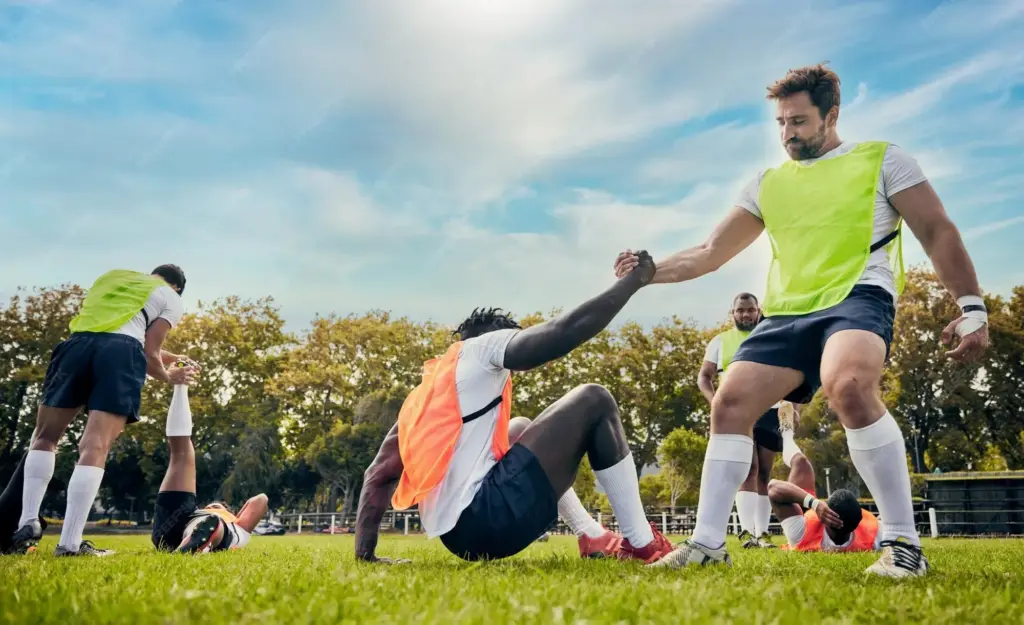
Moreover, positive team dynamics foster an environment where players feel valued, encouraging participation and motivation. When members support each other, providing encouragement during challenging times, it significantly impacts individual performance and overall morale. This correlation between team dynamics and success not only applies on the field but also translates into other aspects of life, strengthening community ties and interpersonal relationships.
How Teamwork Enhances Team Success
Teamwork in sports is often considered a fundamental pillar of achieving victory. Each player’s skills and strategies are leveraged to create a unified effort that can outperform opponents. The synergy born from teamwork enhances individual capabilities and fosters an environment where creativity and innovation can thrive. Teams that focus on collaboration and mutual support are more likely to adapt to changing circumstances during gameplay, leading to better decision-making under pressure.
Furthermore, teamwork directly affects team success by building resilience. When a team works closely together, they share not just victories but also defeats. These shared experiences lay the groundwork for a supportive culture, which, as studies suggest, leads to higher performance levels over time. Collectively overcoming challenges strengthens bonds among players and reinforces their commitment to the team, which is essential for long-term success.
Building Team Morale through Collaboration
Team morale is heavily influenced by the collaborative efforts of its members. High morale enhances enthusiasm, commitment, and overall team performance. Teams that prioritize building morale through open communication, recognition of achievements, and fostering supportive relationships tend to perform better in high-stress situations. When players feel appreciated and supported by their teammates, they are more likely to express themselves freely and take risks that can lead to greater success.
Additionally, collaboration leads to shared ownership of both victories and failures, which cultivates a sense of responsibility among team members. A culture that celebrates teamwork creates a buoyant atmosphere where positive energy flourishes, resulting in improved performance. Consequently, investing in team morale through collaborative practices is not just beneficial but vital for achieving sustained success in sports.
The Role of Leadership in Team Sports
Leadership in team sports plays a critical role beyond the captain’s designated position. Effective leaders foster an environment where all team members feel empowered to contribute their ideas and strengths. Leadership is about influence, not just authority; thus, successful teams often have informal leaders who motivate and inspire others regardless of their title. These leaders help maintain focus on goals and encourage collaboration amongst team members to enhance performance.
Moreover, strong leadership is essential for conflict resolution. Disagreements are natural in any team setting, but how they are handled can significantly impact team cohesion. A skillful leader navigates conflicts with empathy and clarity, turning potential challenges into opportunities for growth. By addressing discrepancies constructively, leaders can reinforce a culture of teamwork and trust, ultimately maximizing the team’s potential and success.
The Lifelong Lessons Learned through Team Sports
Participating in team sports imbues individuals with essential life skills that extend far beyond athletic performance. The importance of communication, cooperation, adaptability, and conflict resolution becomes evident in sports, reinforcing the principles of teamwork. Players learn to convey ideas clearly, work collaboratively, and adapt strategies based on team dynamics, preparing them for various real-life situations, such as in the workplace or community projects.
Furthermore, team sports teach resilience. The ability to bounce back from losses and learn from mistakes fosters a growth mindset, crucial for personal and professional development. Players become adept at setting goals, managing their emotions, and understanding the value of perseverance. These lifelong lessons instill characteristics that not only enhance sportsmanship but also contribute to an individual’s overall character and success in various fields.
Fostering Unity through Teamwork
Fostering unity among team members is vital for harnessing the full potential of teamwork in sports. When athletes feel part of a cohesive group, their commitment to collective goals deepens. Activities that encourage team bonding outside of competitive scenarios contribute significantly to building a unified team culture. For instance, engaging in team retreats or community service projects allows members to strengthen personal relationships, which translates into better collaboration during competitions.
Moreover, a culture of unity promotes inclusion and respect, allowing diverse perspectives to thrive. Recognizing and valuing each member’s contribution reinforces a sense of belonging, motivating individuals to work harder for the team’s success. This unity creates a strong foundation for success, as it encourages athletes to look out for each other both on and off the field.
The Influence of the Sports Spirit on Community Engagement
The influence of the sports spirit extends into community engagement, where teamwork principles can be applied to foster collective action. Communities that embrace the spirit of teamwork often experience heightened collaboration towards local initiatives such as charity events, fundraising, and volunteer programs. This cooperative attitude encourages neighbors to come together, share resources, and work towards shared objectives, mirroring the dynamics seen in successful sports teams.
Additionally, utilizing teamwork in community engagements helps cultivate empathy and solidarity, essential components for addressing local challenges. Just as players rely on one another for support during competitions, community members can harness their unique strengths and perspectives to create impactful solutions, improving overall quality of life. Thus, the sports spirit is not just confined to the field; it enriches community bonds and nurtures a proactive environment.
Creating a Strong Team Culture through Shared Values
Creating a strong team culture begins with establishing shared values among members. These values should reflect what the team stands for, guiding behaviors and expectations both on and off the field. By defining values such as respect, trust, and collective success, teams can align their efforts and embed these principles into daily practices, enhancing the overall collaboration and teamwork.
Moreover, regularly revisiting and reinforcing these core values is essential for maintaining a cohesive team culture. Celebrating successes that exemplify these values encourages team members to embody them consistently. This continuous reinforcement leads to a deeper understanding of each other’s roles and creates an environment where everyone feels motivated to contribute. Ultimately, this strong team culture supports sustained success and fosters an unparalleled sense of belonging.
The Relationship between Teamwork and Sports Performance
The relationship between teamwork and sports performance is profound, as cohesive teams often outperform those that rely solely on individual talent. When athletes synchronize their efforts, they create a more formidable unit capable of executing complex strategies more effectively. This interconnectedness allows teams to leverage individual strengths, fill gaps in weaknesses, and adapt fluidly to challenges presented during competitions.
Moreover, strong teamwork cultivates a competitive edge as players push one another to elevate their performance. An environment that encourages collaboration leads to heightened accountability, where team members strive to meet and exceed collective standards. This emphasis on teamwork, combined with a shared commitment to excellence, lays the foundation for achieving remarkable results and overcoming adversity in high-stakes environments.
Frequently Asked Questions
What is the importance of teamwork in sports?
Teamwork in sports is crucial as it enhances performance, fosters collaboration, and builds camaraderie among players. Through effective teamwork, athletes can leverage each other’s strengths, compensate for weaknesses, and achieve higher levels of success. This sports spirit not only improves outcomes on the field but also instills valuable life skills.
How does team morale impact performance in sports?
Team morale greatly influences performance in sports. High morale leads to increased motivation, better communication, and greater cooperation among teammates. A supportive environment where players encourage each other can boost confidence and enhance collaboration, ultimately resulting in improved overall team success.
What role does communication play in teamwork within sports?
Communication is essential in teamwork for sports. Effective communication helps teams relay strategies, share feedback, and ensure that all players are aligned towards common goals. Clear, open dialogue fosters trust and understanding, which is vital for successful collaboration and optimal performance.
How can leadership be developed through teamwork in sports?
Teamwork in sports often nurtures leadership qualities in players. By working together, individuals learn to motivate and inspire their teammates, take initiative during critical moments, and resolve conflicts. These leadership skills are transferable to other areas of life, enhancing personal and professional growth.
What strategies improve team dynamics in sports?
Improving team dynamics in sports involves setting clear goals, encouraging cohesion through team-building activities, recognizing and rewarding achievements, and embracing diversity. These strategies help cultivate a collaborative environment that enhances teamwork and leads to greater team success.
How does conflict resolution occur in sports teams?
Conflict resolution in sports teams is addressed through open communication and collaboration. Teammates work together to resolve disagreements, focusing on the team’s welfare rather than individual differences. This skill is crucial, as it teaches athletes how to navigate challenges effectively both on and off the field.
What are some lessons learned from teamwork in sports?
Teamwork in sports teaches valuable lessons such as the importance of collaboration, trust, leadership, and resilience. Athletes learn to set collective goals, support one another through challenges, and celebrate successes together. These lessons can significantly impact personal character development and professional life.
Why is collaboration in sports essential for success?
Collaboration in sports is essential because it allows teams to function cohesively, combining individual talents and skills to achieve a common goal. Effective collaboration fosters a spirit of teamwork that enhances overall performance, making it easier to overcome challenges and compete successfully.
How does teamwork in sports influence community engagement?
Teamwork in sports promotes community engagement by fostering a spirit of cooperation and shared goals. Sports teams often serve as a model for collaboration, inspiring community initiatives that unite people toward addressing social challenges, performing community service, and building solidarity.
What impact does a strong team culture have on sports teams?
A strong team culture positively impacts sports teams by enhancing trust, commitment, and collaboration among players. When team members feel valued and engaged, it increases motivation and cohesiveness, leading to improved performance and a greater chance of achieving team success.
| Key Points | Explanation | Example | |
|---|---|---|---|
| Essence of Teamwork | Teamwork requires understanding, trust, and communication between players. | ||
| Trust and Communication | Effective communication and trust enhance team dynamics, especially under pressure. | ||
| Impact on Performance | Teamwork magnifies individual strengths and assists in overcoming challenges. | ||
| Enhancing Team Morale | High morale leads to better performance and a supportive environment. | ||
| Lessons from Team Sports | Team sports teach conflict resolution, leadership skills, and collaboration. | ||
| Sports Spirit Beyond the Field | Teamwork principles can enhance community engagement and collective efforts. | ||
| Building a Team Culture | Creating a team culture involves clear goals, cohesion, recognition, and diversity. | ||
Summary
Teamwork in sports is essential for achieving collective success and creating a strong foundation for personal growth. The article highlights that successful teams are built on trust, communication, and collaboration while showcasing the importance of morale and support. The spirit of teamwork teaches invaluable lessons, such as conflict resolution and leadership, which extend beyond the sports field into everyday life. By embracing these principles, individuals can collectively tackle challenges and foster a sense of community, ultimately unleashing their full potential.