
Listen to this article
The alarming rise in bowel cancer cases, particularly among young bowel cancer patients, is prompting urgent attention from health experts and researchers alike. In recent years, rising bowel cancer rates globally have been linked to various health factors, shedding light on what could be causing this troubling trend. In the UK, for example, statistics reveal a staggering 75% increase in bowel cancer cases among individuals under 24 since the early 1990s. Despite the majority of bowel cancer diagnoses still occurring in older adults, the dramatic uptick in younger demographics underscores the need for significant bowel cancer research to uncover the underlying causes. As scientists delve into archived samples from decades past, understanding these dynamics may hold the key to effective prevention and treatment strategies for this growing population.
The surge in colorectal malignancies, especially among younger individuals, has raised significant concerns in the medical community. This emergence of early-onset colorectal cancer cases highlights the necessity to explore various contributory factors and triggers involved in this phenomenon. Analysts and health professionals are keenly investigating potential culprits, including lifestyle choices, dietary influences, and environmental toxins, all of which may be linked to these increasing diagnoses. Additionally, the need for extensive investigation into the genetics and microbiome of young patients has never been more critical as researchers strive to understand this complex health issue. The rising incidence of bowel cancer among younger populations indicates a potential shift in how we view and address this pivotal disease.
The Alarming Rise of Bowel Cancer Rates in Young Adults
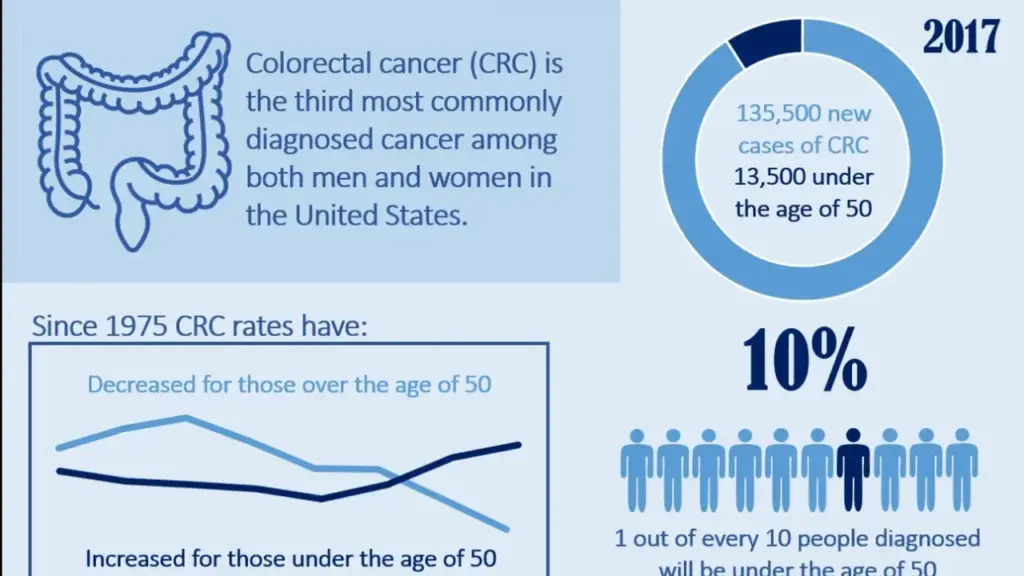
Recent statistics reveal a disconcerting trend: bowel cancer rates are surging among the younger population, with staggering increases observed particularly among individuals under 50 years of age. In the UK alone, there has been a 75% rise in cases for those under 24 since the 1990s. This notable increase poses a challenging question—why are we seeing rising bowel cancer rates in a demographic typically not associated with this disease? The growing prevalence among young bowel cancer patients has ignited urgent calls for further research and understanding of potential health factors that may be contributing to this trend.
Experts like Prof Kevin Monahan emphasize the critical need for effective prevention strategies targeting younger generations. Given that most bowel cancers are still diagnosed in older adults, the rising incidence among younger individuals is alarming and suggests a shift in the cancer landscape. Scientists are delving into various potential causes, including changes in diet and environmental factors, which may be instrumental in understanding why young bowel cancer patients are emerging at such an alarming rate.
Health Factors Contributing to Bowel Cancer
The relationship between health factors and bowel cancer is intricately linked to lifestyle choices and environmental influences. Factors such as rising obesity rates, increased consumption of ultra-processed foods, and exposure to antibiotics have been proposed as significant contributors. Obesity, in particular, has been associated with a myriad of health issues, including the risk of developing cancer. Furthermore, the microbiome—a complex community of microorganisms within our intestines—has garnered attention for its potential role in bowel cancer development. Studies suggest that imbalances in gut bacteria could lead to conditions favoring the onset of cancer, particularly in younger individuals.
Moreover, environmental influences such as air pollution and microplastics are emerging as potential contributors to bowel cancer. The toxins produced by certain E. coli strains, which may now be more prevalent in young people’s intestines, could compromise DNA integrity and promote cancerous growths. As researchers investigate these health factors, it becomes increasingly vital to raise awareness and encourage lifestyle modifications that prioritize preventive health measures in younger populations.
Exploring the Causes of Bowel Cancer Through Research
Ongoing bowel cancer research seeks to uncover the underpinnings of this worrying increase among young adults. By analyzing preserved cancer samples from patients over a century, scientists aim to identify how the causes of bowel cancer have evolved over time. This investigation is facilitated by the abundance of archived samples at St Mark’s National Bowel Hospital, which represent a unique resource for understanding the shifting landscape of this disease. These samples not only provide insights into individual cases but may also reveal broader trends related to dietary changes and health factors that have evolved over decades.
The goal of this research is not only to clarify the causes of bowel cancer in young patients but also to enhance treatment and prevention strategies moving forward. With modern molecular analysis techniques, scientists are uncovering specific DNA signatures associated with distinct cancer types, shedding light on the complex interplay of genetics and environmental influences. Such advancements could prove crucial in identifying at-risk populations and developing targeted interventions to combat the rising incidence of bowel cancer among young adults.
The Role of Microbiome in Bowel Cancer Development
Recent findings have highlighted the gut microbiome’s pivotal role in bowel cancer development, especially among younger patients. Prof Trevor Graham’s research suggests that a specific strain of E. coli found in young individuals today may be a significant factor in the increasing rates of bowel cancer. These bacteria, which were less common in the past, may produce toxins that cause DNA damage in bowel tissue, leading to cancer development. Investigating this microbial shift allows researchers to delve into potential preventive measures and treatments aimed at rectifying dysbiosis in the gut.
The increasing prevalence of harmful bacteria in the intestines raises questions about lifestyle practices, diet, and environmental exposures that could contribute to this imbalance. Understanding the microbiome’s role in bowel cancer prompts inquiries about the influence of modern diets—rich in processed foods—on gut microbial health. As science advances in this area, targeting gut health could emerge as a viable strategy to combat rising bowel cancer rates among young adults, paving the way for innovative prevention strategies.
Innovative Techniques in Bowel Cancer Research
With the advent of advanced scientific methodologies, bowel cancer research is entering exciting new territory. Researchers are utilizing cutting-edge molecular analysis to investigate historical cancer samples preserved in paraffin wax. This innovative approach allows scientists to determine specific DNA signatures linked to cancer, providing a clearer understanding of the disease’s evolution over time. As researchers study how cancer signatures have changed, they gain insight into potential reasons behind the increase in bowel cancer among young patients.
Moreover, the ability to conduct in-depth analyses of archived samples enables scientists to explore various hypotheses surrounding bowel cancer causes, from dietary components to environmental pollutants. By leveraging these innovative techniques, researchers can identify patterns and potential risk factors associated with rising bowel cancer rates, informing future preventive measures and treatment protocols aimed at young bowel cancer patients. The ongoing exploration of this field holds promise for uncovering the mysteries behind bowel cancer and potentially curbing its rising incidence.
The Importance of Early Detection in Young Bowel Cancer Patients
Early detection of bowel cancer plays a crucial role in treatment outcomes, particularly for younger patients. As the statistics reveal an alarming rise in cases among individuals under 50, raising awareness about the importance of recognizing early symptoms is paramount. Common signs such as unexplained weight loss, changes in bowel habits, or abdominal discomfort should prompt young adults to seek medical advice. Timely diagnosis can significantly improve survival rates and the overall prognosis for young bowel cancer patients.
Healthcare providers must prioritize education and outreach to ensure that early detection remains at the forefront of discussions concerning bowel cancer, especially among young populations. As research evolves, understanding the unique demographic at risk can guide healthcare policy and screening recommendations. Empowering young individuals with knowledge about the signs and risks of bowel cancer fosters a proactive approach towards their health, ultimately contributing to better outcomes in the fight against this disease.
Societal Impact of Rising Bowel Cancer Rates
The increase in bowel cancer rates among young adults has significant societal impacts that extend beyond the individual diagnosis. Families and communities often bear the emotional and financial burdens of cancer treatment, which can disrupt lives and alter future plans. As more young people are diagnosed with bowel cancer, the societal implications become profound, calling for collective efforts to address this growing public health crisis. Conversations about health, diet, and lifestyle must shift to emphasize the importance of preventing chronic illnesses such as bowel cancer in younger demographics.
Furthermore, the rising prevalence of this disease among a historically low-risk group necessitates policy changes aimed at healthcare funding, research initiatives, and public awareness campaigns. As the focus shifts to younger bowel cancer patients, it becomes increasingly important for societies to mobilize resources and support systems to assist affected individuals and their families. The collective responsibility toward addressing rising bowel cancer rates could pave the way for a healthier future and a more informed public.
Navigating Treatment Challenges for Young Bowel Cancer Patients
Navigating the treatment landscape for young bowel cancer patients presents unique challenges that require specialized approaches. Young adults often experience advanced stages of the disease by the time they receive a diagnosis, leading to intense treatment regimens that can be physically and emotionally taxing. Such treatments have significant repercussions on their quality of life, early career trajectories, and personal relationships. As illustrated by Holly’s story, the impact of treatment often extends beyond physical health, affecting mental health and overall well-being.
Moreover, healthcare providers must develop age-appropriate treatment protocols tailored to the specific needs of younger patients. Supportive care mechanisms and mental health resources are critical components of a holistic approach to treatment. Encouraging open dialogues about the emotional aspects of living with cancer can empower young adults to process their experiences and foster resilience during their journey. Addressing these treatment challenges is crucial in improving outcomes for those navigating bowel cancer at a young age.
Future Directions in Bowel Cancer Prevention Research
The future of bowel cancer prevention research lies in collaborative efforts to understand the causes and develop effective strategies to combat this rising public health concern. As researchers delve into the preserved samples from the past, insights gained will inform potential prevention measures aimed specifically at young bowel cancer patients. By examining correlations between lifestyle changes, dietary patterns, and microbial health, researchers can shed light on viable prevention tactics that could ultimately decrease the incidence of bowel cancer.
Additionally, fostering a robust dialogue among healthcare professionals, researchers, and patients is crucial for advancing bowel cancer prevention initiatives. Engaging young adults in discussions about dietary choices, screening practices, and overall health can create a proactive community that prioritizes cancer prevention. As advancements in research continue, the commitment to understanding and addressing the causes of rising bowel cancer rates among young individuals must remain a persistent focus.
Frequently Asked Questions
What factors contribute to the rising bowel cancer rates among young bowel cancer patients?
The rising rates of bowel cancer among young bowel cancer patients have been linked to several factors, including obesity, the consumption of ultra-processed foods, antibiotic use, the gut microbiome, air pollution, and exposure to microplastics. Understanding these health factors is crucial for identifying the causes behind the increase in this age group.
Why is there a notable increase in bowel cancer among young adults when the majority of cases are still in older adults?
While the majority of bowel cancer cases are still diagnosed in older adults, the notable increase in cases among young adults could indicate changing environmental and lifestyle factors affecting health. Recent studies show a 75% rise in bowel cancer rates among individuals under 24 since the early 1990s, necessitating further research to understand this alarming trend.
How is bowel cancer research being conducted to address the increase in cases among young patients?
Bowel cancer research is being conducted through the analysis of preserved bowel cancer samples from the past century. This unique approach allows scientists to explore changes in cancer signatures in young patients over time. By understanding the genetic markers associated with rising bowel cancer rates, researchers aim to uncover potential causes and develop effective prevention strategies.
What role do gut bacteria play in the increase of bowel cancer among young individuals?
Gut bacteria, particularly a specific strain of E. coli, may play a significant role in the increase of bowel cancer among young individuals. This bacterium is thought to produce toxins that damage DNA in bowel tissue, leading to cancer. Ongoing research aims to determine the prevalence of these harmful bacteria in young patients today compared to previous generations.
What has been the impact of dietary changes on the rising bowel cancer rates among young people?
Dietary changes, including higher consumption of ultra-processed foods, have been proposed as a contributing factor to the rising bowel cancer rates among young people. These dietary habits may alter the gut microbiome and overall gut health, potentially leading to increased cancer risk. More research is needed to fully understand the relationship between diet and bowel cancer.
What is being done to develop prevention strategies for rising bowel cancer rates in young adults?
To combat the rising bowel cancer rates in young adults, researchers are focusing on analyzing historical cancer samples to identify changing patterns and signatures associated with the disease. This knowledge can aid in developing targeted prevention strategies, improving early detection, and potentially changing lifestyle and dietary recommendations for at-risk populations.
| Key Point | Details |
|---|---|
| Bowel cancer increase among young people | Globally, there is a rise in bowel cancer cases among individuals under 50, with a 75% increase in the UK for those under 24 since the early 1990s. |
| Archived cancer samples | St Mark’s National Bowel Hospital houses a unique collection of archived cancer samples for scientific analysis to understand changes over decades. |
| Holly’s story | A 27-year-old diagnosed with advanced bowel cancer at 23, Holly had her symptoms initially dismissed, illustrating the urgent need for awareness and research. |
| Factors contributing to increase | Speculated causes include obesity, ultra-processed foods, antibiotics, microbiome changes, air pollution, and microplastics. |
| Need for prevention strategies | Experts stress the importance of finding effective prevention strategies, as rates of bowel cancer continue to increase among younger demographics. |
| Molecular analysis of samples | The samples from bowel cancer patients will undergo molecular analysis to identify distinct genetic signatures and understand rising cancer prevalence in younger populations. |
| Research hypothesis by Prof Graham | Research indicates a specific type of E. coli could be linked to the increase in bowel cancer among young people, raising further questions about the modern intestinal microbiome. |
Summary
The bowel cancer increase among younger individuals is a concerning trend that requires immediate scientific attention. With a significant rise in diagnoses, particularly in the UK, the need for effective prevention strategies has never been more critical. Researchers at leading institutions like St Mark’s Hospital are analyzing archived cancer samples to uncover potential causes, including dietary changes and environmental factors. Stories like Holly’s highlight the personal impact of this alarming increase, underscoring the urgency for both awareness and research to combat this growing health crisis.