
Listen to this article
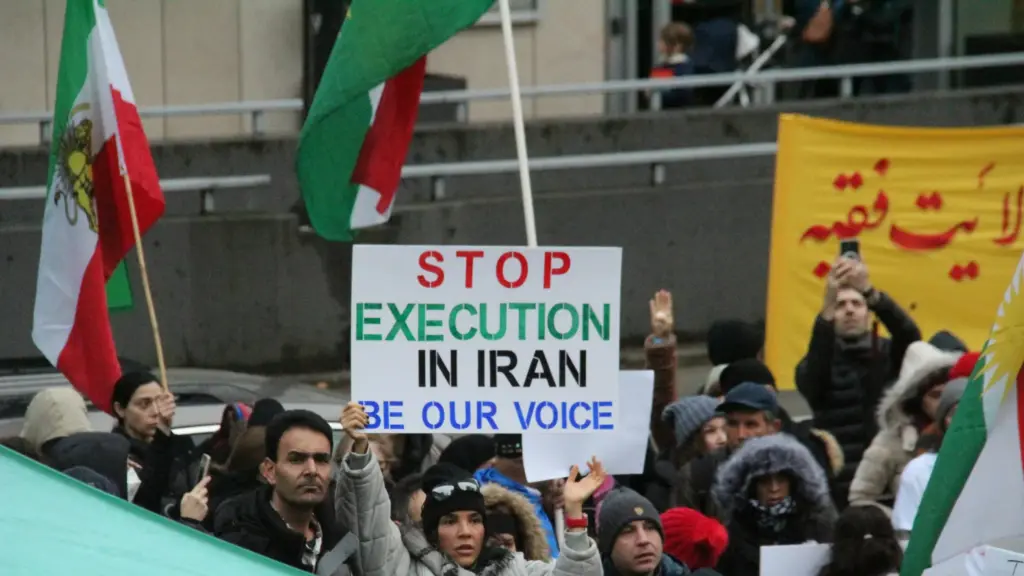
The Iran protests have surged to the forefront of global headlines, capturing the world’s attention as demonstrators demand change from the oppressive regime. As hundreds gathered outside the Iranian embassy in London, they voiced their discontent with anti-government slogans and waved flags, signaling solidarity with those back home. Human rights organizations have reported devastating casualties, with at least 50 protesters killed since the unrest began on December 28. This wave of protests has expanded beyond Iran, inspiring gatherings at embassies worldwide, highlighting the call for freedom and accountability for Iran’s human rights violations. Amidst these events, the exiled Reza Pahlavi has become a prominent symbol for many, as protesters rally for his return and an end to the Islamic Republic’s authoritarian grip on power.
The widespread demonstrations in Iran represent a significant movement against the existing political framework, as countless individuals take to the streets in protest. These manifestations, characterized by their fervent anti-regime sentiment, have sparked a growing international interest in the plight of Iranian citizens and their calls for reform. As accounts of human rights abuses reach a global audience, the narrative surrounding these protests fosters a crucial awareness of the struggles facing the Iranian populace. By rallying in front of foreign embassies, including the Iranian embassy in London, individuals are not only expressing their discontent but also connecting with a broader community advocating for change. With recent developments and Iran protest updates consistently emerging, the situation remains dynamic and critical, urging activists and leaders alike to respond to the urgent pleas for justice.
Overview of the Iran Protests
The ongoing Iran protests have gained widespread international attention as demonstrators demand significant reforms and accountability from their government. Originally sparked by economic grievances, these protests have transformed into a broader movement against the oppressive regime, calling for the end of the Islamic Republic. As sentiments escalate, protesters continue to gather both inside Iran and at Iranian embassies across the globe, where they express solidarity through rallies and demonstrations.
Witnesses report that many participants in these protests have bravely faced the threat of violent reprisals from authorities, exemplifying their commitment to expressing dissent. Recently, in London, one protester ascended the balcony of the Iranian embassy, symbolizing the escalating tensions and the protesters’ resolve to draw global attention to their plight. In addition to economic concerns, protesters are demanding action against ongoing human rights violations within Iran, emphasizing the urgent need for governmental reforms.
Iran Embassy Protests: Global Solidarity and Action
The demonstration at the Iranian embassy in London highlights the global solidarity emerging in response to the ongoing protests in Iran. Hundreds gathered outside, waving flags and chanting anti-government slogans, reflecting a growing international call to action against the policies of the Iranian leadership. This solidarity manifests not only in demonstrations but also in diplomatic statements from world leaders expressing their condemnation of the violence against Iranian protesters.
As anti-government protests take shape in various cities, solidarity rallies have been organized worldwide to support the Iranian people’s aspirations for freedom and change. Demonstrators have proudly displayed images of Reza Pahlavi, tapping into historical sentiments towards the figure who represents potential future leadership for some in Iran. This connection signifies hopes among protesters that a shift in governance may be possible, as widespread discontent continues to challenge the current regime.
Impact of Human Rights Violations on Iran Protests
Reports of systemic human rights violations in Iran have catalyzed the ongoing protests, pushing citizens to demand justice and accountability. Documented instances of violence against protesters, including excessive force by security forces, have fueled outrage and intensified calls for reform. Advocacy groups have highlighted the plight of victims and the urgent need for international pressure on the Iranian government to halt these practices.
Moreover, the lack of media access in Iran complicates the situation, leading to widespread misinformation. As news outlets are restricted from operating within the country, social media has emerged as a crucial tool for documenting the protests and human rights abuses. Activists and ordinary citizens alike share updates and live footage, emphasizing the resilience of the demonstrators amidst an oppressive regime.
Updates on the Situation in Iran
As the protests progress, various channels have reported fluctuating situations across Iran. The demonstrations, which are now in their 13th day, have drawn attention not only for their size but also for the fervor of the protesters who are calling for systemic change. Political analysts are closely monitoring events, as each consecutive day brings new developments in the movement against the Iranian authorities.
In recent updates, the Iranian government has attempted to suppress dissent through internet blackouts and the detention of protest leaders. Despite these efforts, reports from inside Iran indicate that protests remain ongoing, with citizens showing no signs of retreating from their demands for change. The solidarity between Iranian citizens and those protesting internationally may play a crucial role in the continued pressure on the government to respond to the people’s call for justice and reform.
The Role of Reza Pahlavi in the Protests
Reza Pahlavi, the son of the last Shah of Iran, has unexpectedly become a symbol of hope for many protesters seeking political change. His image has been increasingly featured in protests both in Iran and abroad, as crowds express their wishes for his potential return to power. The calls for monarchy restoration reflect a desperate yearning for stability and a departure from the current regime’s policies.
In the backdrop of protests demanding an end to the Islamic Republic, Pahlavi’s presence in public discourse highlights the depth of discontent with the ruling government. Many protestors view him as a figure representing a potential alternative government, one that could restore some sense of order and justice in a country where they have faced significant oppression. As calls for leadership continue, Reza Pahlavi’s emerging role signifies a crucial shift in the political landscape of Iran.
International Responses to Iran’s Protests
The international community has responded to the Iran protests with increasing concern and condemnation. Leaders from several countries have issued joint statements, emphasizing the need for Iran to respect the rights of its citizens to peacefully assemble and express dissent. UK Prime Minister Sir Keir Starmer and officials from Germany and France have highlighted the gravity of the situation, calling for an end to violence against demonstrators.
As global awareness of Iran’s human rights violations grows, calls for diplomatic intervention and sanctions against those responsible have intensified. The protests have provoked a spirited international dialogue on human rights and the responsibilities of states to protect their citizens. This global reaction underscores the interconnectedness of national governance and global human rights, reflecting a collective hope for positive change in Iran.
The Evolution of Protests in Iran
Initially sparked by economic dissatisfaction, the evolution of protests in Iran showcases the changing dynamics of civic activism. Initial demands for better living conditions have gradually transformed into broader calls for accountability and reform, with demonstrators now demanding a complete overhaul of the existing political structure. This shift represents a significant moment in Iranian history, as citizens directly confront a regime that has long suppressed dissent.
With each protest, the stakes rise higher—the voices of the people echoing through the streets of Iran and beyond, calling for a future free from oppression. The evolution from isolated strikes to large-scale demonstrations signals a profound awakening of public consciousness regarding rights and governance, positioning the protests as pivotal moments in Iran’s journey toward democracy and justice.
Challenges Faced by Protesters in Iran
Despite the courage shown by protesters, they face numerous challenges in their quest for justice. Iranian authorities tend to respond aggressively to dissent, often employing tactics of intimidation, arrests, and violence to suppress uprisings. The climate of fear stifles some potential protestors, as the repercussions for participating in demonstrations can be severe, including imprisonment and physical harm.
Moreover, disruptions in communication, as seen with recent internet blackouts, make organizing protests and sharing information increasingly difficult. This technological challenge is coupled with the state-controlled media narrative that undermines the protesters’ voices by portraying them as ‘troublemakers.’ Nevertheless, the resilience of those advocating for their rights continues to shine through, as they utilize social media and clandestine networks to keep the momentum alive.
The Future of Iran’s Political Landscape
As the protests continue into their third week, discussions surrounding the future of Iran’s political landscape grow increasingly urgent. Analysts and activists contemplate what a post-protest Iran could look like and which political ideologies might emerge in the wake of these upheavals. The ongoing demand for justice and accountability suggests that many Iranians are ready for significant changes in their governance.
Potential transitional government scenarios have sparked debates on media freedom, civil liberties, and the role of former political figures like Reza Pahlavi. Given the layers of complex socio-political fabric in Iran, activists argue that any new leadership must move away from the authoritarian practices of the current regime, paving the way for a more democratic and inclusive political system.
Frequently Asked Questions
What triggered the Iran protests in 2023?
The Iran protests in 2023 were triggered by widespread economic issues, escalating discontent with the Iranian government, and community grievances against human rights violations. These protests rapidly evolved into larger anti-government demonstrations calling for the end of the Islamic Republic and even the restoration of the monarchy.
What were the Iran embassy protest events in London?
The Iran embassy protest in London saw hundreds gathering outside the Iranian embassy, with participants waving flags and chanting anti-government slogans. Notably, a protester climbed onto the embassy’s balcony and tore down the Iranian flag. The Metropolitan Police reported two arrests related to the protest.
What role does Reza Pahlavi play in the Iran protests?
Reza Pahlavi, the exiled son of Iran’s last shah, has become a symbolic figure in the Iran protests, with demonstrators often holding up his pictures and calling for his return. Many protesters see him as a potential leader capable of challenging the current regime.
How are the Iranian authorities responding to the anti-government protests?
The Iranian authorities, including Supreme Leader Ayatollah Ali Khamenei, have labeled the anti-government protests as the actions of ‘troublemakers.’ They have been accused of human rights violations, including violent crackdowns on protesters, which has garnered international condemnation.
What are the latest Iran protest updates?
As of the latest updates, the anti-government protests in Iran are ongoing, marking their 13th day. Human rights groups report significant casualties among protesters, and an internet blackout has been enforced by the Iranian government, complicating the flow of information.
What are the international reactions to the Iran protests?
International leaders, including UK Prime Minister Sir Keir Starmer, French President Emmanuel Macron, and German Chancellor Friedrich Merz, have expressed deep concern over the violence against protesters in Iran and condemned the Iranian government’s actions related to human rights violations.
How are human rights violations linked to the Iran protests?
The Iran protests have highlighted severe human rights violations by the Iranian government, with protesters denouncing the killing and repression of dissent. Many in the protests call for accountability and reform, emphasizing the need for freedom of expression and peaceful assembly.
What impact do the Iran protests have on the region and beyond?
The Iran protests could significantly impact the region by potentially inspiring similar movements in neighboring countries. They also draw international attention to the ongoing issues in Iran regarding governance, human rights, and public dissent against authoritarian rule.
| Key Point | Details |
|---|---|
| Protester Action | A protester climbed onto the balcony of the Iranian embassy in London, tearing down the Iranian flag. |
| Gathering Protests | Hundreds gathered outside the Iranian embassy, waving flags and shouting anti-government slogans. |
| Arrests Made | The Metropolitan Police reported two arrests related to aggravated trespass and assault. |
| Protests in Iran | Protests in Iran began on December 28, leading to over 50 deaths and ongoing global demonstrations. |
| Global Reactions | UK Prime Minister and other European leaders condemned violence by Iranian security and called for freedom of expression. |
| Current Situation | Protests have become the largest in years, demanding the end of the Islamic Republic and calling for a monarchy restoration. |
| Media Restrictions | An internet blackout in Iran and restrictions on international media have hampered reporting. |
| Public Sentiment | Many protestors are expressing increased anger and determination against the regime. |
Summary
The ongoing Iran protests have emerged as a significant movement against the government, sparked by deep-rooted issues within the country. Over the past few weeks, hundreds have demonstrated their discontent not just in Iran, but globally, as seen with protests outside the Iranian embassy in London. As the situation unfolds, global leaders are voicing strong opposition to the violence against protesters, urging the Iranian authorities to respect human rights. The Iranian regime is facing increasing pressure both from its citizens and the international community, with protests calling not only for economic reforms but also for major political changes in the nation.