
Listen to this article
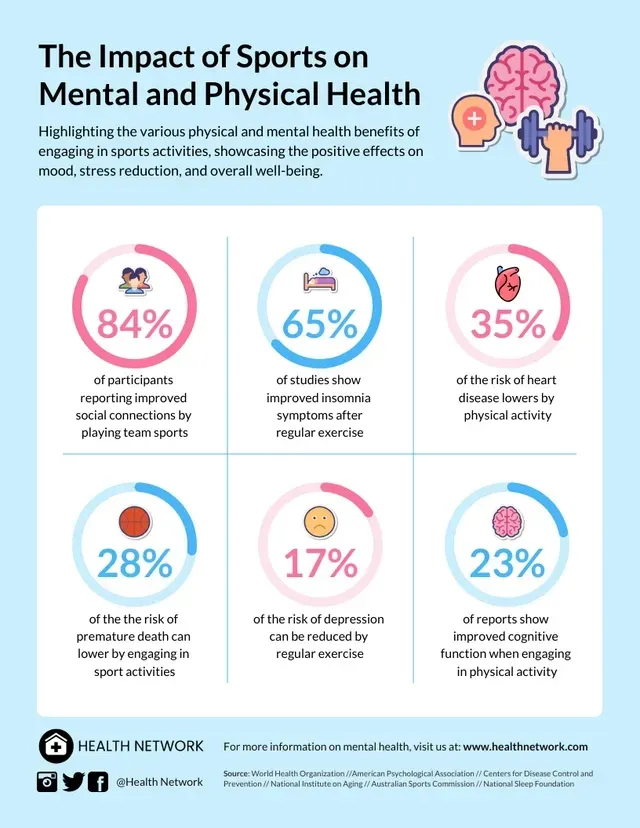
Sports impact mental health in remarkable ways, offering a pathway to emotional resilience and improved mental clarity. Engaging in physical activities not only boosts fitness but also promotes better mental well-being by reducing symptoms of anxiety and depression. Numerous studies highlight the benefits of sports, demonstrating how regular exercise can improve mood and cognitive function. From team sports fostering social connections to individual activities enhancing self-confidence, the physical activity mental health benefits are profound. As we explore this connection further, it’s clear that integrating sports into our routines can be a powerful tool for enhancing mental health and overall life satisfaction.
The relationship between physical activities and psychological well-being is both significant and multifaceted. When we discuss the role of exercise in fostering mental health, we uncover various dimensions, including stress relief and the cultivation of social ties. Engaging in recreational activities can create a sense of belonging and community, essential for psychological health. Furthermore, different forms of exercise—from solo pursuits to collaborative sports—offer unique advantages that contribute to emotional stability. As we unpack these vital links, it is evident that promoting physical activity is not just about fitness but about nurturing a healthier mind.
The Biological Mechanisms Linking Sports to Mental Health
Engaging in sports initiates a complex series of biological transformations that significantly enhance our mental health. Most prominently, physical activity prompts the release of neurotransmitters such as serotonin and dopamine. These chemicals are crucial for regulating mood and are often termed ‘feel-good hormones’ due to their ability to uplift spirits. An increased concentration of these neurotransmitters can markedly reduce symptoms of depression, anxiety, and other mood disorders, making regular involvement in sports a natural antidepressant and mood enhancer.
Moreover, sports play an essential role in moderating stress hormones, notably cortisol. High cortisol levels are associated with heightened stress and anxiety, which can detrimentally impact mental health. Through consistent physical activity, individuals can effectively lower these stress hormones, promoting a sense of calm and emotional stability. This correlation showcases the biological interplay between engaging in sports and enhancing mental resilience, highlighting why incorporating sports into daily routines is beneficial for psychological well-being.
Psychological Benefits of Sports Participation
Participation in sports offers extensive psychological benefits that directly contribute to improved mental health. One of the most notable advantages is the boost in self-esteem and confidence that athletes experience. Achievement in sports—be it learning a new skill, winning a match, or completing a workout—instills a sense of accomplishment. This increased self-worth is critical to mental wellness and helps combat negative thoughts often associated with anxiety and depression.
In addition to personal achievements, participating in sports fosters social interactions and connections. Engaging in team sports or group activities facilitates bonding and builds friendships, which are vital for emotional support. These social connections help reduce feelings of isolation and promote a sense of belonging, integral components of mental well-being. The camaraderie developed through shared experiences enhances emotional resilience, making individuals better equipped to face life’s challenges.
Exploring the Role of Team Sports in Mental Health
Team sports such as soccer, basketball, and football provide unique mental health benefits through collaboration and community. Participating in a team offers individuals a platform to develop their social skills and build lasting relationships. The collective spirit of teamwork fosters a supportive environment, allowing individuals to share experiences and encourage one another. This social interaction can effectively reduce feelings of loneliness and enhance feelings of belonging, crucial for good mental health.
Additionally, the structure and routine that team sports provide can also contribute to mental stability. Regular practice and scheduled games create a sense of purpose and commitment, helping individuals focus on their goals and responsibilities. This structured environment can significantly alleviate symptoms of anxiety and depression, showcasing how engaging in team sports not only improves physical fitness but also promotes emotional well-being and social connectedness.
Individual Sports and Their Psychological Advantages
Individual sports, like running, swimming, or cycling, offer unique psychological benefits distinct from team sports. These activities promote a personal journey of self-discovery and goal-setting. Engaging in solo sports allows individuals to reflect and find peace in their thoughts, facilitating mindfulness and reducing anxiety. This focus on personal achievement can lead to increased self-confidence and mental clarity, which are essential for navigating the stresses of daily life.
Moreover, individual sports can provide an opportunity for solitude that fosters one’s relationship with their inner self. As athletes concentrate on their surroundings and physical sensations, they practice mindfulness, which helps in managing negative thoughts and emotions. Such solitary activities can serve as a great escape from daily pressures, making them valuable tools for enhancing overall mental health.
The Mind-Body Connection: How Sports Shape Mental Health
The interplay between the mind and body during sports participation is a fascinating area of exploration. Sports and physical activities invoke a mind-body connection that reinforces mental health. When engaging in physical exertion, individuals often experience a surge of endorphins, enhancing their mood and decreasing stress levels. This bidirectional relationship illustrates how physical activity not only strengthens the body but also fortifies mental health through biochemical reactions.
Furthermore, as individuals become more physically active, they often develop a higher level of body awareness. This awareness allows athletes to recognize their physical limits and respect their bodies, contributing to improved self-image and confidence. Such positive body image influences mental well-being, making the mind-body connection in sports a key area for fostering both physical and psychological health.
Sports as a Coping Mechanism for Stress and Anxiety
Sports serve as an effective and healthy outlet for managing stress and anxiety. When individuals engage in physical activities, they channel their nervous energy into constructive movements, helping to dissipate feelings of tension and worry. This transformative power of sports can significantly diminish anxiety symptoms, allowing individuals to confront daily challenges with a clearer mind.
Moreover, the focus required during sports participation creates a temporary distraction from everyday stressors. This shift in attention can break the cycle of rumination, helping to alleviate persistent feelings of anxiety. By prioritizing sports as a coping mechanism, individuals can enhance their overall mental resilience and effectively navigate the stresses of modern life.
The Role of Regular Physical Activity in Mental Resilience
The importance of regular participation in sports cannot be overstated when it comes to building mental resilience. Consistency in physical activity not only amplifies the mental health benefits of sports but also ingrains a routine that fosters discipline and dedication. Setting aside time for regular sports participation promotes a health-conscious lifestyle that extends beyond fitness to encompass psychological well-being.
Moreover, habitual physical activity strengthens neural pathways associated with emotional regulation. This reinforcement aids in developing coping strategies that better equip individuals to handle difficult situations. Thus, regular engagement with sports not only improves physical health but also ensures that mental resilience is being fortified through a persistent commitment to well-being.
Exploring Yoga and Mindfulness Sports for Mental Health
Yoga and mindfulness-based practices such as tai chi have gained considerable recognition for their positive effects on mental health. These activities emphasize the importance of breathwork, meditation, and relaxation techniques, enabling practitioners to achieve a state of calm and mental clarity. The combination of physical movement and focused breathing reduces anxiety levels, promotes relaxation, and encourages mindfulness, which can profoundly impact overall mental well-being.
Participating in yoga or mindfulness sports not only helps in managing stress but also enhances emotional regulation. Practitioners learn to observe their thoughts without judgment, fostering a healthier relationship with their emotions. By integrating these mindful practices into one’s routine, individuals can cultivate resilience and inner peace, making such activities a powerful ally in the pursuit of mental health.
Finding Joy in Sports: A Key to Psychological Benefits
To fully reap the mental health benefits of sports, finding joy and satisfaction in physical activity is essential. Engaging in activities that you are passionate about enhances motivation and encourages consistency in participation. Whether it’s playing a favorite sport, taking dance lessons, or hiking in nature, discovering joy in the activity leads to a more fulfilling experience that can elevate mental health.
Moreover, when individuals participate in sports they enjoy, they are more likely to build connections with like-minded individuals, enhancing the social aspect of sports. This sense of community can foster a supportive environment where mental well-being thrives. By prioritizing enjoyment in physical activities, individuals can create a sustainable routine that not only benefits their physical health but also nurtures their psychological needs.
Frequently Asked Questions
How does sports impact mental health positively?
Sports impact mental health positively by boosting the release of neurotransmitters like serotonin and dopamine, which improve mood and reduce anxiety. Regular participation in physical activity is linked to lower cortisol levels, enhancing overall well-being and serving as a natural antidepressant.
What are the psychological benefits of engaging in sports?
Engaging in sports offers several psychological benefits, such as improved self-esteem, social connections, and a healthy outlet for stress. As individuals achieve personal goals or work as part of a team, their confidence grows, and they build valuable social networks that can combat feelings of isolation.
Can team sports really help with depression?
Yes, team sports can help with depression by fostering a sense of belonging and community. The camaraderie and support from teammates enhance mental health, reduce loneliness, and provide a constructive focus, which can be vital for overcoming depressive feelings.
Why is regular participation in sports important for mental health?
Regular participation in sports is crucial for maximizing mental health benefits as it helps establish consistent routines. This ensures that the physiological and psychological advantages of exercise, like reduced stress and improved mood, are sustained over time.
What are the mental health and exercise connections?
The mental health and exercise connection is profound; engaging in physical activity promotes the release of endorphins and helps lower stress hormones. This biological response not only enhances mood but also supports cognitive function, leading to overall mental clarity.
How can physical activity impact mental health benefits?
Physical activity can have lasting mental health benefits by promoting neurogenesis, improving brain health, and enhancing resilience against stress. This leads to greater emotional stability and a better capacity for coping with daily challenges.
What role do individual sports play in mental health?
Individual sports, such as running and swimming, allow for personal reflection, promoting mindfulness and focus. These activities can help reduce anxiety and improve self-confidence as participants set and achieve personal fitness goals.
What are the benefits of sports in reducing anxiety?
Sports reduce anxiety by providing a distraction from worries and allowing individuals to channel their energy positively. The focus and physical engagement involved in sports help mitigate stress and promote relaxation.
How do sports improve self-esteem and confidence?
Sports improve self-esteem and confidence through the sense of achievement and mastery individuals experience when they reach personal goals or improve their skills. This enhances their overall outlook, contributing positively to their mental health.
What types of sports are best for mental health?
While all sports can benefit mental health, team sports, individual activities, and mindfulness practices like yoga have shown significant positive impacts. Team sports foster social interaction, individual sports promote personal growth, and mindfulness sports enhance relaxation and focus.
| Key Aspect | Description |
|---|---|
| Release of Neurotransmitters | Exercise releases serotonin and dopamine, which elevate mood and reduce feelings of depression and anxiety. |
| Reduced Stress Hormones | Physical activity lowers cortisol levels, helping to manage stress and anxiety. |
| Neurogenesis | Engaging in sports stimulates the growth of new brain cells, enhancing mental clarity and resilience. |
| Improved Self-Esteem and Confidence | Achievement in sports fosters self-esteem and confidence, which are essential for mental well-being. |
| Social Connections | Sports provide opportunities for social interaction, reducing feelings of isolation and building a sense of belonging. |
| Healthy Outlet for Stress | Participation in sports offers a productive way to manage stress and anxiety, allowing individuals to focus on the activity rather than their worries. |
| Team Sports Benefits | Fosters community and teamwork, enhancing social skills and support systems among teammates. |
| Individual Sports Benefits | Promotes mindfulness and personal reflection, leading to reduced anxiety and improved focus. |
| Yoga and Mindfulness Sports Benefits | Promotes relaxation and mindfulness, teaching individuals to control their breath and focus on the present. |
| Regular Participation Importance | Key to maximizing mental health benefits through consistent exercise, enjoyable activities, and social engagement. |
Summary
Sports impact mental health in profound ways. Engaging in physical activities not only enhances physical fitness but also serves as a powerful tool for improving mental health. Through the release of neurotransmitters, reduction of stress hormones, and fostering social connections, sports play a vital role in enhancing psychological well-being. By incorporating regular participation in enjoyable sports activities, individuals can significantly boost their mood, reduce anxiety, and enhance their overall mental health. It’s essential to embrace sports not solely for physical fitness but also as a key component of healthy mental well-being.

