
Listen to this article
Technology in sports has become a cornerstone of modern athletics, fundamentally altering how athletes prepare, compete, and connect with fans. The remarkable integration of innovations such as sports analytics and wearable technology has transformed training regimens, allowing for incredibly precise data collection and performance monitoring. Moreover, the rise of virtual reality in sports provides immersive experiences that enhance both athlete training and fan engagement alike. As the sports industry embraces these advancements, eSports has emerged as a significant player, blending traditional athleticism with cutting-edge technology. Together, these elements are not just enhancing gameplay but also reshaping the overall landscape of sports, creating a richer and more interactive experience for everyone involved.
The intersection of cutting-edge technology and athletics is creating a vibrant new era in sports, where innovative tools are redefining performance and engagement strategies. This fusion of scientific analysis, advanced training techniques, and digital platforms facilitates breakthroughs in how competitors hone their skills and connect with their audience. Dynamic training technologies are empowering athletes to reach peak performance levels, while augmented and virtual experiences enrich the spectator journey. Meanwhile, the exciting rise of competitive gaming, or eSports, demonstrates the evolving nature of sportsmanship in a digitally driven world. In this exploratory journey, we will uncover the myriad ways in which technology reshapes the athletic landscape and enhances the overall experience for athletes and fans alike.
The Role of Technology in Enhancing Athlete Performance
Technology plays a pivotal role in enhancing athlete performance across various sports disciplines. By utilizing advanced data analytics, coaches can assess player statistics to develop tailored training regimens that cater to individual needs. This data-driven approach enables teams to identify player strengths and weaknesses, thereby improving overall game strategies. For instance, professional basketball teams are now deploying analytics software to study shooting patterns, defensive maneuvers, and even fatigue levels during high-stakes matches, which allows for precise tactical adjustments.
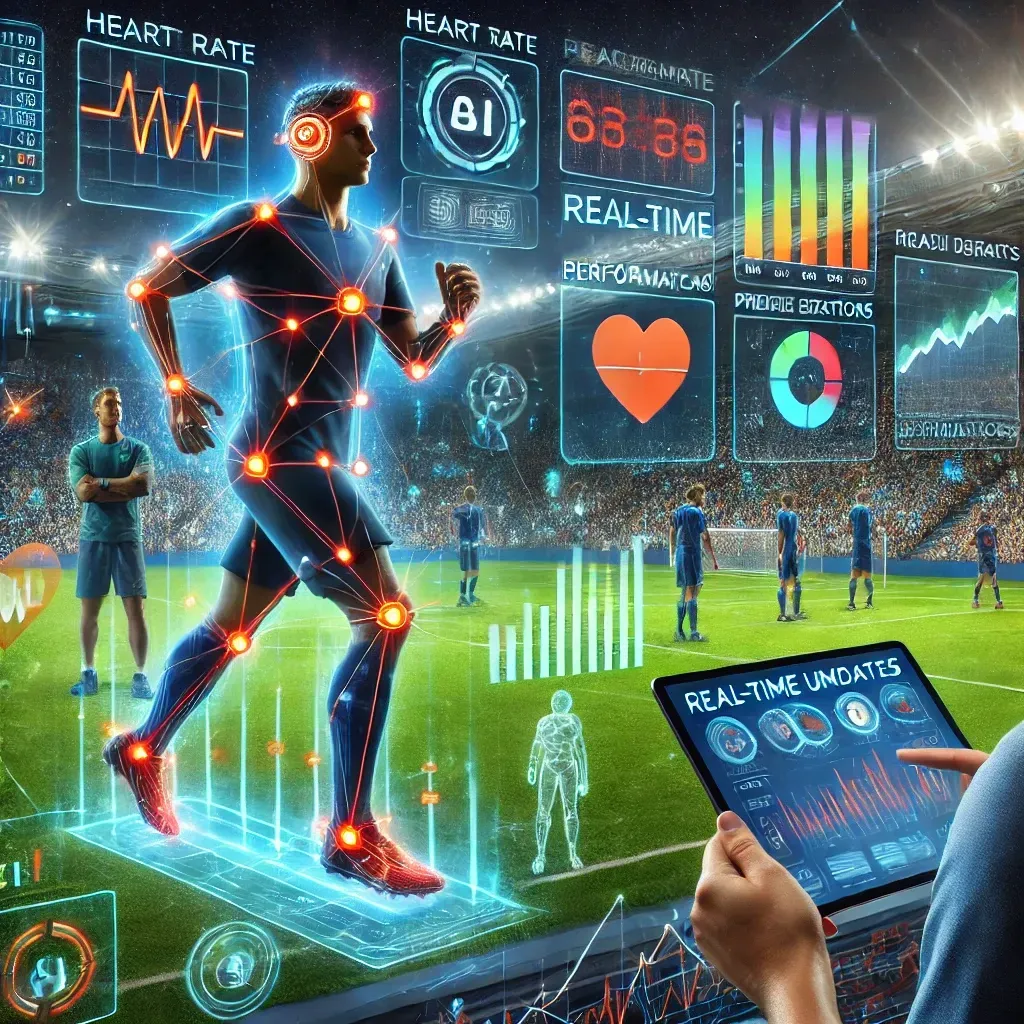
Furthermore, wearable technology has made great strides in tracking physiological metrics. Devices such as heart rate monitors and GPS trackers provide real-time feedback regarding an athlete’s physical condition, allowing coaches to monitor training intensity and recovery times effectively. This innovation minimizes the risk of injuries and maximizes performance, as training loads can be adjusted based on individual health data. Ultimately, the integration of technology into athletic training is propelling sports performance to unprecedented levels.
Wearable Technology: Revolutionizing Performance Tracking
Wearable technology has transformed the sports industry by providing athletes and coaches with invaluable performance-tracking data. With devices like fitness trackers, smartwatches, and physiological sensors, athletes gain insights into vital statistics such as heart rate, sleep quality, and energy expenditure. These metrics allow teams to tailor fitness regimens specifically to each athlete’s needs, optimizing their performance in both training and competition settings.
Moreover, the ability to track real-time performance metrics revolutionizes the way coaches manage training programs. In sports like soccer, for instance, data from wearable technology can indicate an athlete’s level of fatigue and readiness, helping coaches design more effective practices that align with peak performance periods. This personalized approach ensures that athletes can maximize their potential while minimizing the risk of overtraining and injuries.
Virtual Reality in Sports Training: A Game Changer
Virtual reality (VR) has emerged as a groundbreaking tool in sports training, offering athletes the ability to practice skills and strategies in a risk-free simulated environment. With VR, athletes can engage in realistic game scenarios without the physical toll that comes with traditional training methods. For example, quarterbacks can refine their passing accuracy by practicing in a virtual stadium, experiencing the pressure of a live game without risk of injury.
Additionally, VR enhances cognitive training by allowing players to mentally visualize plays and tactics. This immersive technology aids in improving decision-making skills under pressure, helping athletes develop a strategic mindset while on the field. As VR technology continues to evolve, its impact on training methodologies promises to reshape how athletes prepare for competition.
Fan Engagement in Sports: The Technological Transformation
As technology continues to advance, fan engagement in sports is reaching new heights. Innovations such as mobile applications and interactive platforms allow fans to access live stats, player information, and behind-the-scenes content, fostering a deeper connection with their favorite teams. These smart technologies facilitate instant communication and enhance the overall spectator experience during games.
Moreover, the integration of augmented reality (AR) and VR into fan experiences has transformed how sports are consumed. Fans can now enjoy live games as if they were physically present in the stadium, regardless of their location, through VR headsets. This immersive experience allows them to experience critical moments from different perspectives, making them feel like an active part of the game. The greater engagement not only enhances fan loyalty but also opens up new revenue streams for teams.
Sports Analytics: Enhancing Strategic Decision-Making
Sports analytics is an integral aspect of modern sports, empowering teams to make data-driven decisions. By leveraging advanced metrics and statistical models, teams can evaluate player performance and predict outcomes with greater accuracy. This analytical approach enables coaches to devise winning strategies and optimize player matchups based on empirical evidence.
Additionally, sports analytics has a profound impact on player recruitment and development. By analyzing data from previous seasons and player behaviors, teams can identify potential talent and make informed decisions about trades and acquisitions. This shift toward an analytical mindset not only enhances team performance but also contributes to the strategic growth of franchises within highly competitive leagues.
The Rise of E-Sports: Integrating Technology and Competition
E-sports signify a dramatic convergence of technology and competitive sports, evolving into a multi-billion dollar industry that attracts millions of viewers worldwide. As traditional sports leagues begin to embrace this trend, they recognize the potential of e-sports to attract younger audiences and diversify fan bases. The technological infrastructure supporting e-sports, from high-speed internet to streaming capabilities, ensures a vibrant and accessible competitive environment.
Moreover, e-sports have become a significant avenue for sponsorship opportunities and marketing strategies within the sporting community. Brands are eager to tap into the growing viewership of e-sports, leading to collaborations and partnerships that enhance visibility and revenue. This integration of e-sports into traditional sports frameworks exemplifies how technology continues to reshape the competitive landscape, creating new avenues for engagement and monetization.
Training Technology: Innovations That Enhance Athletic Performance
Training technology has revolutionized the way athletes prepare for competition, offering innovative tools that improve performance and recovery. Devices such as biomechanical analyzers and motion-tracking systems provide athletes and coaches with critical data to refine techniques. This insight enables more effective training strategies, helping athletes to enhance their skills and reduce their risk of injury.
Additionally, advancements in recovery technology, like cryotherapy and compression wear, support athletes in maintaining optimum performance levels. These innovations focus on speeding up recovery times after training sessions, allowing athletes to max out their potential during competitive events. By integrating cutting-edge training technology into athletes’ regimens, teams are taking a holistic approach to performance excellence.
The Impact of Mobile Technology on Sports Viewing Experience
Mobile technology has significantly transformed the way sports fans consume content, providing unprecedented access to live games, highlights, and updates at their fingertips. With the rise of dedicated sports apps, fans can follow their teams in real time, receive notifications about game alerts, and engage with other fans, creating a vibrant online community around their favorite sports.
Moreover, mobile technology has enabled innovative viewing experiences such as interactive polls, live commentary, and gamification features that allow fans to predict game outcomes and participate in competitions. This enhanced interaction not only keeps fans engaged during matches but also encourages them to share their experiences on social media, further amplifying the enthusiasm surrounding live sports events.
The Future of Technology in Sports: Trends to Watch
As we look to the future, several trends in technology are poised to reshape the sports industry even further. From advancements in artificial intelligence to the evolution of smart wearables, the potential for innovation is vast. AI-driven analytics will likely become more sophisticated, enabling teams to customize strategies and player training in ways previously thought impossible.
Moreover, augmented and virtual reality applications are expected to deepen the fan experience, providing immersive experiences that bring fans closer to the action than ever before. As technology continues to evolve, it will undoubtedly play a crucial role in enhancing athletic performance, training efficiency, and fan engagement, ensuring a bright future for the sports industry.
Frequently Asked Questions
How is technology revolutionizing sports analytics?
Technology is revolutionizing sports analytics by allowing teams to gather and process vast amounts of data from games and training. Advanced statistical models and tracking technologies enable coaches to analyze player performance, optimize strategies, and make data-driven decisions, leading to improved athletic performance.
What role does wearable technology play in athlete performance?
Wearable technology plays a crucial role in tracking athlete performance by providing real-time data on metrics such as heart rate, speed, and distance. Devices like fitness trackers and smartwatches help coaches monitor training loads and prevent injuries, ensuring athletes train safely and effectively.
How can virtual reality be used in sports training?
Virtual reality (VR) in sports training allows athletes to simulate game scenarios in a controlled environment without physical strain. This technology enhances mental preparation and allows players to practice skills, decision-making, and strategies in realistic settings, thereby improving their performance during actual competitions.
What are some examples of fan engagement technologies in sports?
Fan engagement technologies in sports include mobile apps, live streaming services, and interactive social media platforms. These technologies provide fans with live stats, instant highlights, and opportunities for direct interaction with teams, significantly enhancing the sporting experience.
How has eSports influenced traditional sports through technology?
eSports has influenced traditional sports through technology by creating a convergence of gaming and competitive sports. This brings new audiences, revenue opportunities through sponsorships, and innovative engagement strategies, leading to a growing acceptance of eSports as a legitimate competitive activity.
In what ways is training technology improving athlete performance?
Training technology is improving athlete performance by providing data analytics, wearable devices, and VR simulations that offer insights into an athlete’s health and skill development. These tools help tailor training regimens to individual needs, optimize performance, and reduce the risk of injuries.
What are the benefits of augmented reality in sports training?
Augmented reality (AR) enhances sports training by overlaying real-time data and visual feedback onto an athlete’s movements. This immediate analysis assists in refining techniques and improving skills in a more engaging and interactive learning environment.
How does technology enhance the spectator experience in sports?
Technology enhances the spectator experience in sports by providing immersive viewing options such as VR experiences that allow fans to feel as if they are part of the game. Smart stadiums also improve connectivity, enabling fans to engage with live stats and highlights during events.
What advancements in sports analytics are teams adopting?
Teams are adopting advancements in sports analytics such as machine learning algorithms, video analysis tools, and real-time performance metrics. These innovations enable teams to gain deeper insights into player dynamics, improve game strategies, and enhance overall performance outcomes.
How is technology reshaping the future of sports competition?
Technology is reshaping the future of sports competition by driving innovation in training methods, analysis tools, and fan experiences. As traditional sports leagues embrace technological advancements, we’re likely to see new formats of competitions, including eSports and hybrid events that broaden the landscape of athletic competition.
| Key Point | Description |
|---|---|
| Data Analytics | Teams use data analytics to analyze player performance, allowing coaches to make informed tactical decisions. |
| Wearable Technology | Devices like smartwatches track athlete health and performance, aiding in injury prevention and training management. |
| Virtual and Augmented Reality | VR and AR enhance training by providing realistic simulation and feedback for skill development. |
| Fan Engagement | Innovative technologies improve fan experience with live stats, interactive content, and immersive viewing. |
| E-Sports | E-sports have risen as a legitimate form of competition, linking traditional sports to the digital age. |
Summary
Technology in sports is fundamentally changing how athletes train, compete, and interact with fans. This ongoing revolution involves the integration of data analytics, wearable technology, virtual reality, and enhanced fan engagement strategies that redefine the landscape of sports. By leveraging advanced data, athletes can optimize their performance, while fans enjoy immersive experiences that connect them more deeply to their favorite teams. As the sports industry continues to evolve through innovative technologies, we can expect even more spectacular developments that will influence both athletic training and spectator enjoyment.

