
Listen to this article
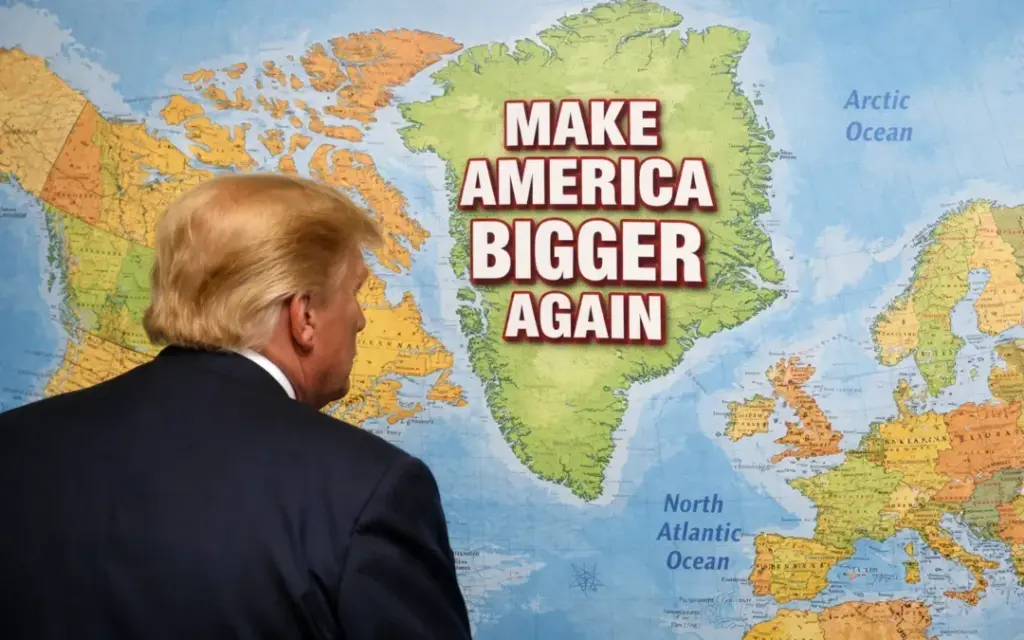
Greenland geopolitics is increasingly gaining attention as the island navigates a complex web of international interests. With the shadow of potential US military expansion looming, sparked by President Trump’s controversial claims of a Greenland takeover, the island’s future seems uncertain. Many Greenlanders express concerns over losing their autonomy in the face of geopolitical maneuvering, particularly amidst Arctic security concerns from Russia and China. The historical Greenland-Denmark relationship complicates these dynamics, as the desire for independence collides with economic dependencies on Danish subsidies. As discussions between US Secretary of State Marco Rubio and Danish officials unfold, the aspirations of Greenlanders for self-determination will be placed under the spotlight.
The geopolitics surrounding Greenland lays bare a unique intersection of power dynamics and territorial interests. As global superpowers set their sights on Arctic resources and strategic military positioning, the implications for this vast yet sparsely populated island become increasingly pronounced. Voice among the indigenous Inuit population calls for greater representation and independence cast a sharp light on the complexities of governance and foreign influence. Indeed, pressing issues entwined with Arctic security, national sovereignty, and the impacts of historical colonization shape the narrative of Greenland’s political landscape today. The world watches as Greenland seeks to assert its voice amidst the competing ambitions of nations prepared to stake their claims in this tantalizingly resource-rich territory.
Greenland’s Geopolitical Landscape
Greenland is increasingly becoming a focal point in global geopolitics, especially due to its strategic location between the Arctic and Atlantic Oceans. The island’s vast natural resources, including rare earth elements and minerals, have drawn the attention of major powers seeking to assert their influence in the region. As tensions escalate, especially with the involvement of the United States and President Trump’s geopolitical ambitions, Greenlanders find themselves at the center of a complicated international chess game. Their desire for autonomy and independence is juxtaposed against the backdrop of contested military and economic interests that different nations hold in this remote territory.
Local sentiments in Greenland reflect a mix of concern and resilience when faced with external pressures. Greenlanders are wary of becoming pawns in the power struggles between the US, Russia, and China. Despite President Trump’s overtures regarding potential takeover or increased military presence, there is a strong desire among the population to maintain sovereignty and self-determination. As Inuit communities grapple with these geopolitical dynamics, the prospect of increased independence from Denmark looms large in their considerations, especially as they confront the implications of foreign military presence on their land.
Trump’s Greenland Takeover Talks
The controversial remarks made by President Trump regarding a potential takeover of Greenland have elicited strong reactions from its residents. Many feel that such discussions undermine their right to self-determination and signify a colonial mindset towards the island. Trump’s assertion that Greenland is vital for US national security, particularly in countering Russian activities in the Arctic, has led to fears about loss of control over their land. This topic has become a point of contention, raising questions around the legitimacy of external powers claiming rights over territories inhabited by indigenous peoples.
Moreover, Trump’s proposed acquisition of Greenland has sparked widespread debate about the geopolitical implications of such a move. The assertion that Greenland is for sale belies the historical and cultural significance it holds for its people. With approximately 85% of Greenlanders opposing the idea of a US takeover, the move towards independence from Denmark seems both timely and essential. The push for Greenland’s sovereignty underscores the need for a genuine dialogue that respects the voices of the island’s inhabitants while navigating the broader geopolitical landscape.
Greenland’s Economic Aspirations and Independence
Amidst geopolitical tensions, Greenland is navigating its economic future with an eye towards independence from Denmark. The island’s rich natural resources present opportunities for economic growth but also complicate its relationships with external powers vying for access. Many Greenlanders express a desire to establish independent economic ties, particularly with the US, to foster self-sufficiency and reduce reliance on Danish subsidies. This ambition is challenged by the geopolitical realities surrounding their strategic location and the interests of larger nations.
Economic independence is deeply tied to Greenland’s identity and aspirations for self-governance. The drive for autonomy not only entails managing the island’s resources but also crafting relationships that honor the wishes of its populace. The pro-independence movements are gaining momentum, advocating for a new socio-economic framework that empowers Greenlanders while considering the implications of global partnerships. The discussions led by figures like Pipaluk Lynge-Rasmussen signal a collective effort to express their desires as a distinct nation, navigating both historical legacies and future aspirations.
The Role of Denmark in Greenland’s Autonomy
The relationship between Greenland and Denmark has historically been marked by colonial overtones and economic dependency. As Greenlanders seek greater autonomy, it’s essential to reevaluate this dynamic, ensuring that any discussions about the future of the territory prioritize the voices and aspirations of its residents. Many feel that Denmark has often overlooked their needs, treating Greenland as a secondary concern rather than an equal partner. This sentiment echoes in the push for independence, driving home the need for a reevaluation of this colonial relationship in light of contemporary geopolitical challenges.
Current dialogues involve not just Greenland and Denmark but the wider international community. As US officials engage with Danish and Greenlandic counterparts, there is a visible tension surrounding the true interests at play. Greenlanders desire a more active role in determining their future, and this extends to negotiating terms that align with their aspirations for independence while managing international pressures. The evolving Denmark-Greenland relationship necessitates mutual respect and understanding, paving the way for more equitable discussions about Greenland’s sovereignty.
Arctic Security Concerns and Global Powers
As global powers intensify their focus on the Arctic, Greenland finds itself in a precarious position. The implications of military posturing by the US, Russia, and China are felt deeply among Greenlanders, who question the motives behind foreign military interests. The assertion that Greenland’s territory is critical for missile defense systems or troop deployments raises alarms about their sovereignty and the potential for conflict. Greenland’s geopolitical significance, albeit highlighted by superpowers, should not come at the cost of its people’s rights and security.
In the context of Arctic security, Greenland plays a pivotal role in maintaining the balance between global interests and local autonomy. The heavy military involvement from the US, justified by the need for national security, contrasts sharply with the wishes of Greenlanders who advocate for peaceful coexistence. As they navigate these international dynamics, Greenlanders seek assurances that their land will not become a battleground for power struggles. The challenge lies in engaging international actors in meaningful dialogue that considers Greenland’s perspective while addressing broader security concerns in the Arctic.
The Future of Greenland’s Political Landscape
The future political landscape of Greenland remains uncertain as external pressures mount from global superpowers vying for influence in the region. The upcoming discussions with US Secretary of State Marco Rubio reflect broader geopolitical interests but raise concerns about whether Greenland’s voice will be prioritized. While the proximity of political events in Nuuk might suggest a bright future, the reality is that local sentiments shape this narrative – primarily a desire for genuine autonomy and engagement on equal terms with external powers.
In navigating this complex future, Greenlanders are increasingly looking towards strengthening their domestic governance and developing a clear political strategy that aligns with their aspiration for independence. This approach not only involves negotiating with external countries but fostering unity among the diverse communities within Greenland. As local leaders advocate for political expressions reflective of Greenland’s aspirations, the potential for a transformative future remains palpable amid the geopolitical storm.
International Attention on Greenland’s Independence
Greenland’s struggle for independence is drawing increased international attention, as geopolitical interests converge on the island. The attention from global actors such as the US presents an opportunity for Greenlanders to amplify their voices and assert their rights to self-determination. With external powers demonstrating interest in the region’s strategic resources and military implications, it becomes crucial for Greenlanders to navigate their aspirations for independence carefully, ensuring their needs take precedence amidst the noise.
The presence of international observers can either support or hinder Greenland’s quest for autonomy, depending on how these relationships are framed. Therefore, it is important for Greenlandic leaders to engage diplomatically and cultivate partnerships that respect their sovereignty while allowing for beneficial economic engagements. Harnessing the current spotlight can help reshape Greenland’s political narrative towards one of empowerment rather than subjugation, fostering an environment where their desires for independence can be fully recognized and addressed.
Human Rights and the Greenlandic Voice
At the heart of Greenland’s geopolitical narrative is the question of human rights and the genuine representation of the Greenlandic voice. The imperative for autonomy is not just about governance but about ensuring the rights of the Inuit population are respected and prioritized on the world stage. As they push back against potential takeovers and external interventions, Greenlanders are asserting their right to shape their destiny autonomously.
The prevailing narrative of colonization and external control must be transformed to highlight the resilience and aspirations of the Greenlandic people. Ensuring that discussions surrounding Greenland’s future involve robust contributions from its citizens is essential. It is through this lens of dignity and respect for cultural identity that Greenland can navigate a path towards self-governance, positioning itself as a voice of clarity amid the complex interplay of international politics.
The Strategic Importance of Greenland’s Resources
Greenland’s vast natural resources significantly contribute to its strategic importance in the geopolitical landscape. The rich minerals and rare earth elements available on the island not only bolster economic prospects but also attract international interest from global powers. Investing in extraction and production processes requires thoughtful consideration from Greenlanders to ensure they can reap the benefits of these resources while maintaining sovereignty over their land.
As Greenlanders explore their economic potential, it becomes increasingly vital to balance resource exploitation with environmental sustainability and community welfare. The push for independence from Denmark is intertwined with the pursuit of maximizing economic benefits associated with these natural treasures. The challenge lies in leveraging international interest to forge relationships that respect both the resources and the rights of the people who inhabit the land.
Frequently Asked Questions
What are the implications of Trump’s claims regarding a Greenland takeover for Greenland geopolitics?
Trump’s claims of needing to ‘own’ Greenland for national security have sparked significant debate about Greenland geopolitics. Such a takeover would impact Greenland’s semi-autonomous status and could provoke international tensions, especially with Denmark, potentially undermining the delicate balance established in Arctic geopolitics.
How does the Greenland independence movement relate to current geopolitical tensions?
The Greenland independence movement is gaining traction amid geopolitical tensions involving the US, Denmark, and global superpowers. Greenlanders are increasingly vocal about their desire for autonomy, emphasizing that they wish to determine their future independently from external pressures, particularly from the US seeking strategic military advantages in the Arctic.
What role does the US military currently play in Greenland and how does it shape geopolitics?
The US military maintains a presence in Greenland, operating under a bilateral agreement with Denmark since 1951. This military presence is a focal point of Greenland geopolitics, as it raises questions about national security and international relations, particularly given the recent focus on Arctic security by global powers.
How does the relationship between Greenland and Denmark influence discussions about US interests in the region?
The relationship between Greenland and Denmark significantly influences discussions about US interests, as Denmark feels responsible for its territory. The US’s interests, driven by military and economic factors, must navigate this relationship carefully to avoid tensions while seeking to enhance its strategic position in Greenland.
What are the primary Arctic security concerns influencing Greenland geopolitics today?
Arctic security concerns are pivotal in Greenland geopolitics, particularly regarding missile defense and monitoring of Russian and Chinese activities. The US views Greenland as a strategic asset in its plans for missile interception and surveillance against potential threats from these nations, intensifying the focus on military capabilities in the region.
| Key Points | |
|---|---|
| Geopolitical Concerns | Greenland is in the spotlight due to US President Trump’s claims of wanting to take control for national security reasons, which worries the local population. |
| Population and Culture | Despite being significantly larger than many countries, Greenland has a small population of 57,000, most of whom are indigenous Inuit. |
| Desire for Independence | Many Greenlanders desire independence from Denmark, although they rely on Danish financial support for welfare. |
| International Relations | Discussions with US officials, including Secretary of State Marco Rubio, highlight Greenland’s desire for a say in its foreign and domestic policies. |
| Military Implications | Concerns arise over military posturing by the US, with Greenland seen as strategically valuable due to its location near potential military routes. |
| Future Outlook | Greenlanders hope for understanding and compromise in dealings with the US, while seeking to assert themselves on the global stage. |
Summary
Greenland geopolitics is currently characterized by growing apprehension among Greenlanders as they face the potential of foreign intervention and buyout claims from the United States. The local population, primarily indigenous Inuit, expresses a strong desire for autonomy and a larger voice in their political future, fearing they are caught in the crossfire of global power struggles. As international interest intensifies, the Greenlanders strive for independence while recognizing the complexity of their economic dependencies, ultimately seeking a balanced approach to their future relations with both Denmark and the US.

