
Listen to this article
Ruben Amorim’s first game with Manchester United marked the beginning of what would become a tumultuous managerial stint at Old Trafford. Fans watched with anticipation as the Portuguese coach took the reins, eager to see how his tactics would unfold on the pitch. However, his debut ended in disappointment, showcasing the tactical issues that would plague his tenure, particularly his commitment to the 3-4-3 formation. With Manchester United’s performance analysis revealing significant flaws, it was clear that Amorim had inherited a challenging situation, exacerbated by questions surrounding his managerial decisions and the sacking of predecessors. Ultimately, as Amorim navigated the complexities of Manchester United’s storied managerial history, his inability to secure consistent victories would define his short-lived leadership, culminating in a draw against Leeds United that sealed his fate.
As the curtain rose on a new chapter for Manchester United, Ruben Amorim stepped onto the pitch, eager to assert his authority. The initial excitement surrounding his appointment soon transitioned into scrutiny, particularly regarding his strategic choices and the prevalent tactical challenges within the team. Focusing on a formation that many argued was ill-suited to the squad, Amorim’s strategies drew criticism from fans and analysts alike. The narrative surrounding Amorim quickly evolved into a discussion about the long-term implications for Manchester United, reflecting on his predecessor’s struggles and raising concerns about the future direction of the club. Amid mounting pressure, it became evident that Amorim’s tenure was not just about results, but also about whether he could overcome the hurdles of expectation in one of football’s most iconic institutions.
Ruben Amorim’s First Game at Manchester United
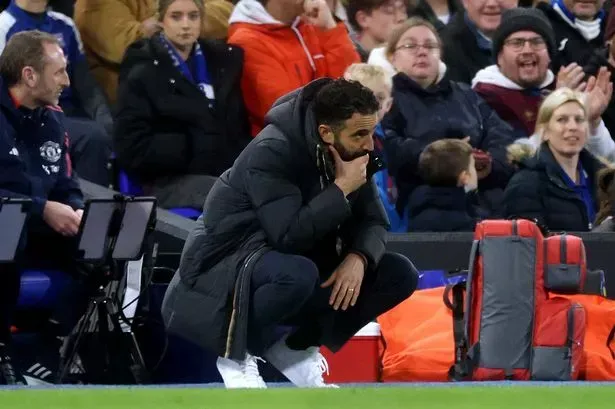
Ruben Amorim’s first match in charge of Manchester United at Portman Road Stadium against Ipswich Town was a decisive moment in his managerial career. Within the opening three minutes, Marcus Rashford gave United an early lead, hinting at a promising start for the new manager. However, the joy was short-lived as the team eventually settled for a frustrating 1-1 draw. This match encapsulated the challenges that Amorim would face throughout his tenure, including a lack of consistency and an inability to convert opportunities into victories, leading to his eventual sacking.
Despite the fast-paced start with Rashford’s goal, the performance failed to sustain that energy, reflecting deeper issues within the squad. Ipswich Town capitalized on United’s defensive frailties, equalizing just before the half-time mark, signaling potential tactical flaws under Amorim’s leadership. The inability to secure a win against a relegated side set a tone for the following 14 months, highlighting the challenges of adapting to the demands of Manchester United’s legacy.
Analyzing Ruben Amorim’s Managerial Performance
Ruben Amorim’s tenure at Manchester United was clouded by underwhelming statistical performances, with a dismal win ratio of just 31 percent marking him as the most unsuccessful permanent manager in the club’s modern history. His average of 1.23 points per game since assuming his role was the lowest since Sir Alex Ferguson’s era, raising doubts among fans regarding his ability to lead the team effectively. The pressure to replicate the success of past managers, along with the ambitious expectations of the fanbase, became apparent during his first game, setting the stage for a tumultuous period at Old Trafford.
The defensive strategies employed by Amorim during his first game became a recurring theme throughout his managerial stint, particularly his adherence to the 3-4-3 formation. This tactical choice often left the defense exposed, allowing opponents to exploit vulnerabilities. The distressing draw against Ipswich City was merely an early warning of the difficulties that lay ahead, with many critics urging for a shift in tactics that never materialized during his time at the helm.
Tactics and Formation Challenges Under Amorim
One of the most contentious aspects of Ruben Amorim’s managerial approach was his commitment to the 3-4-3 formation. This tactical setup was evident from his very first match, where it became clear that his strategies did not yield positive results. Watching the vulnerabilities in the United defense exposed by Ipswich Town, one could sense that there were larger tactical issues at play, a predicament many felt would characterize his coaching philosophy. As the United squad struggled to adapt, Amorim’s tactical rigidity became a focal point of his downfall.
Amorim’s preferences for this formation hinged on a solid midfield presence, yet it repeatedly left gaps in the defense that opponents could exploit easily. The match against Ipswich was not merely an isolated incident, as it was followed by further disappointing results, including a devastating loss to Manchester City. With time, it became evident that any managerial success would rely heavily on swift tactical adaptations, something Amorim was reluctant to embrace until it was too late.
The Influence of Player Attitudes on Amorim’s Tenure
The psychological dynamics within the Manchester United squad under Ruben Amorim became increasingly concerning. Early signs of player selfishness were apparent in his first match, particularly when Alejandro Garnacho opted to take a shot instead of passing to Rashford, who was in a better position to score. This tendency for personal ambition over collective success marked a significant theme throughout Amorim’s tenure, indicating a deeper cultural issue that arguably hindered the team’s performance.
Concerning player mentality was not an isolated incident, as similar examples surfaced in subsequent matches throughout his time in charge. The lack of teamwork and bonafide efforts to prioritize team goals over individual accolades continued to plague United’s consistency and overall morale. As these issues compounded, Amorim faced an uphill battle in uniting a squad that seemed burdened by its own internal conflicts.
Key Moments from Amorim’s Manchester United Journey
Throughout Ruben Amorim’s 14-month tenure at Manchester United, there were key moments that stood out, such as the thrilling but ultimately unfulfilling 5-4 victory over Lyon. In these flashes of brilliance, hints of a capable manager were present, yet they were overshadowed by a series of disappointing performances, including early elimination from the Carabao Cup and a lackluster finish in the Premier League. Each of these matches illustrated the fragile nature of Amorim’s strategies and the inconsistency that plagued the team throughout the season.
The draw against Leeds United that ultimately led to Amorim’s dismissal was a fitting end to his time at the club, reflecting the recurring issues that had surfaced since his first game. Spectators were left to ponder what could have been if key tactical changes had been implemented earlier in his tenure. These moments, while important in isolation, offered a stark reminder of the cyclical nature of Manchester United’s managerial history and the urgent need for a clear vision moving forward.
The Backlash Following Amorim’s Sacking
The decision to part ways with Ruben Amorim came as no surprise to many fans following a series of underwhelming performances. The backlash from supporters spotlighted the mounting frustrations with the club’s lack of direction, mirrored by the discontent among the squad. The criticisms regarding Amorim’s managerial strategies and decisions culminated in protests calling for a reevaluation of the club’s approach, putting pressure on Manchester United’s leadership to reconsider their direction in this turbulent chapter.
In light of Amorim’s sacking, reflections on the managerial history of Manchester United were inevitable. Fans began to demand a manager who could reinvigorate the legendary club’s ethos and build a squad capable of competing at the highest levels of English football. The future direction of United now hangs in the balance as the club seeks a leader who can steer it clear of the pitfalls that marked Amorim’s relatively short-lived tenure.
Lessons Learned from Amorim’s Tenure at Manchester United
From Ruben Amorim’s brief period at Manchester United, several important lessons emerge, particularly regarding the critical interplay of tactics and player mentality. His adherence to a specific formation and unwillingness to adapt were key issues that resulted in poor performance, indicating the necessity for flexibility in managerial strategy. The observed attitudes and behavior of the squad revealed that individual success sometimes overshadowed team objectives, a cultural issue needing resolution for any manager aiming to create a cohesive unit.
Additionally, the lessons from Amorim’s tenure illustrate the importance of tactical awareness and rhythmic adaptation to the evolving demands of the club’s top-tier competition. The glaring shortcomings witnessed during matches underscore the need for immediate, decisive action to enhance squad dynamics. Ultimately, his managerial journey serves as a poignant reminder of the complexities involved in managing a club of Manchester United’s stature, emphasizing a pivotal need for vision and agility in future managerial choices.
Future Prospects for Manchester United Post-Amorim
Following Ruben Amorim’s departure from Manchester United, the club stands at a crossroads, in search of a new managerial figure who can restore its legacy and inject fresh life into its performances. As the club contemplates the next steps, several potential candidates are emerging, each bringing different philosophies and tactical approaches that could revitalize the squad. The future prospects hinge on the ability to address the past managerial failures and guide the team back toward its former glory.
Moreover, collaboration with the sporting director and understanding the strengths within the current squad will be essential for the incoming manager. The challenge lies not only in rebuilding confidence but also in fostering a united team spirit. As United fans are eager for change, the upcoming decisions regarding managerial appointments will be closely scrutinized, as the club aims to reverse the downward trend seen during Amorim’s tumultuous period in charge.
Key Tactical Changes Needed for Manchester United’s Revival
As Manchester United moves forward without Ruben Amorim, a reevaluation of the tactical framework becomes imperative for capturing success in the Premier League. A departure from the 3-4-3 formation that served as a source of contention would be advisable, paving the way for strategies that emphasize the strengths of the current player roster. Engaging in new defensive frameworks alongside an offensive system that maximizes creativity and teamwork could be essential for igniting a more effective attacking philosophy.
Introducing modifications that prioritize fluidity, adaptability, and strategic versatility can help rebuild the foundation that supports effective team dynamics. Ensuring that future tactical frameworks foster collaboration will be crucial in resolving the underlying cultural issues that Amorim faced during his regime, making it imperative for the incoming manager to draw lessons from the past while embracing a new approach to achieving success.
Frequently Asked Questions
What happened in Ruben Amorim’s first game as Manchester United manager?
In Ruben Amorim’s first game as Manchester United manager, the team played an away match against Ipswich Town where they drew 1-1. Marcus Rashford opened the scoring early, but Omari Hutchinson equalized for Ipswich just before halftime. This match highlighted tactical issues and team performance problems that would ultimately contribute to Amorim’s later dismissal.
How did Ruben Amorim’s debut game affect his tenure at Manchester United?
Ruben Amorim’s debut game set the tone for his challenging tenure at Manchester United. The 1-1 draw against Ipswich showcased tactical flaws, such as difficulties in maintaining defensive solidity and a lack of offensive executions, which plagued the team throughout his managerial period.
What tactical formation did Ruben Amorim use in his first game at Manchester United?
Ruben Amorim employed a 3-4-3 formation in his first game as Manchester United manager. Despite his commitment to this tactical approach, it was evident that it led to several defensive vulnerabilities and was a contributing factor to his eventual sacking.
How did the performance in Ruben Amorim’s first match compare to his overall managerial record at Manchester United?
Ruben Amorim’s performance in his first match, a 1-1 draw, foreshadowed the struggles he would face at Manchester United. Ultimately, he secured only 24 wins out of 63 matches during his tenure, marking the lowest win ratio of any permanent manager in recent club history.
What can be learned about Manchester United’s managerial history from Ruben Amorim’s first game?
Ruben Amorim’s first game as Manchester United manager serves as a case study of the challenges faced by managers in the club’s history. His inability to solve tactical issues and achieve consistent performance led to his dismissal, emphasizing the importance of effective strategies and player management in United’s managerial history.
Did Ruben Amorim’s first game with Manchester United reflect any long-term issues within the squad?
Yes, Ruben Amorim’s first game reflected long-term issues within the Manchester United squad, such as selfishness in player decisions and inadequate tactics. These persistent problems were clear signs that he faced significant challenges, which contributed to his eventual downfall as manager.
What were the immediate reactions to Ruben Amorim’s first game at Manchester United?
The immediate reaction to Ruben Amorim’s first game was one of cautious optimism, as Marcus Rashford’s early goal suggested potential. However, the subsequent drop in performance leading to a draw with Ipswich raised concerns about tactical execution and team cohesion, foreshadowing the difficulties that lay ahead for Amorim.
How did Ruben Amorim’s first game signal future tactical issues for Manchester United?
Ruben Amorim’s first game signaled future tactical issues for Manchester United through the evident struggles in the 3-4-3 formation. The lack of defensive support and inability to capitalize on offensive opportunities indicated systemic problems that persisted throughout his management, ultimately leading to his dismissal.
| Key Points | Details |
|---|---|
| Ruben Amorim’s Tenure | He managed Manchester United for 14 months with 63 matches, only achieving a 31% win rate. |
| First Game Overview | His debut match ended in a 1-1 draw against Ipswich Town, where United started strong but couldn’t hold the lead. |
| Key Issues Identified | Poor attacking strategy and player selection were evident; Rashford’s potential was overlooked as he now excels at Barcelona. |
| Defensive Struggles | Weaknesses in defense allowed opposition teams to exploit United’s backline, leading to several missed opportunities. |
| Cultural Problems | Selfishness among players affected the team’s performance; decisions leading to missed chances were noted. |
Summary
Ruben Amorim’s first game at Manchester United underlined significant issues within the team, foreshadowing a turbulent tenure. Despite a strong start, Amorim’s lack of tactical flexibility and underutilization of key players, like Marcus Rashford, contributed heavily to his eventual downfall. Ultimately, his inability to adapt to Manchester United’s needs led to frustration among fans and management alike.

