Listen to this article
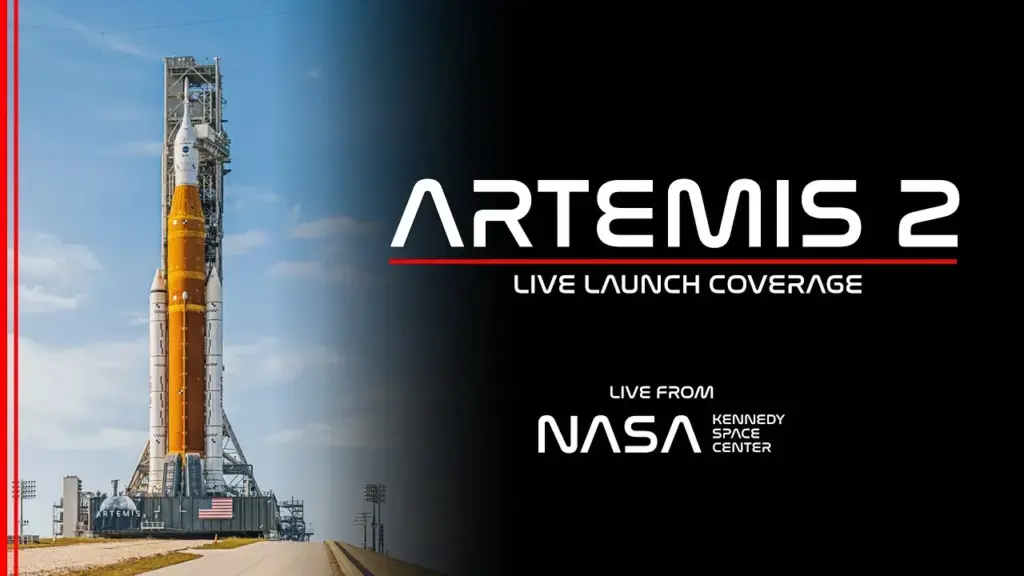
The upcoming Artemis II launch marks a significant leap for humanity’s aspirations in space exploration, as it is set to be the first crewed Moon mission in over half a century. Scheduled to begin as early as February 6, this NASA Moon mission aims to elevate astronauts to distances never before achieved, setting a pivotal foundation for future lunar exploration. With the Orion spacecraft transporting the crew, the Artemis II mission is crucial for testing vital life-support and navigation systems in preparation for a potential landing on the lunar surface during Artemis III. In just approximately 10 days, the mission will encapsulate a crucial phase in our journey back to the Moon, igniting renewed interest in sustained human presence beyond Earth. As we stand on the brink of this historic venture, excitement builds not only for what lies ahead but for how Artemis II will redefine our approach to lunar exploration.
The Artemis II mission, an exciting venture by NASA, is gearing up to propel astronauts back into lunar orbit, marking a new era of human spaceflight. Adopting the most advanced technologies available, this crewed Moon mission is a testament to our renewed commitment to explore beyond our planet. Known for utilizing the Orion spacecraft, this launch represents a critical step toward sustainable lunar exploration, paving the way for future initiatives. With a focus on rigorous testing and innovative systems, Artemis II aims to ensure the safety and success of subsequent missions aimed at landing on the Moon. By intertwining global partnerships and technological innovations, this mission reflects humanity’s collaborative spirit in the quest for knowledge and exploration.
The Significance of the Artemis II Launch
The Artemis II mission represents a monumental leap for NASA and the future of lunar exploration. Set to be the first crewed Moon mission in over 50 years, it is not just a nostalgic return to the Moon but a pathway towards deeper space exploration. This mission employs the Space Launch System (SLS) and the Orion spacecraft to send astronauts farther than ever before into the cosmos, ultimately laying the groundwork for future human landings on the lunar surface. The technological advancements and strategic planning involved in the Artemis II mission reflect NASA’s commitment to sustainable lunar exploration and surpassing previous milestones achieved during the Apollo program.
With its anticipated launch date set for February 6, the Artemis II mission could initiate an era of unprecedented exploration beyond our planet. It seeks to assess the Orion spacecraft’s capabilities and ensure all systems are robust enough for the unpredictable environment of deep space. The mission’s success is critical, not only for upcoming lunar missions but also for eventual Mars expeditions, as the technologies and methodologies tested on this adventure will directly influence strategies for human habitability on the Red Planet.
Meet the Artemis II Crew: Pioneers of Space
The crew of Artemis II, consisting of seasoned astronauts Reid Wiseman, Victor Glover, Christina Koch, and Jeremy Hansen, represents human ambition and international collaboration in space exploration. Each member brings unique expertise and experience, essential for their mission to test the capabilities of the Orion spacecraft and ensure a safe return from deep space. Their roles encompass a range of responsibilities during the approximately ten-day flight, including manually piloting the spacecraft and monitoring its life-support and navigation systems. This mission will not only test human endurance in the void beyond Earth but also provide invaluable data for developing future habitats on the Moon and beyond.
As the first crewed flight of both the SLS and Orion, the Artemis II mission serves as both a challenge and an opportunity for the astronauts aboard. They will encounter the effects of increased radiation levels and work in microgravity, providing insights into the physical impacts of long-duration spaceflight. The data collected will be crucial for preparing future missions where astronauts will eventually land on the lunar surface, ensuring their safety and the success of the Artemis III mission.
Artemis II: A Step Towards Future Moon Landings
While the Artemis II mission is a herald of lunar travel, it will not land on the Moon, as its primary focus is to test the Orion spacecraft’s systems in deep space. This preparatory journey is vital for ensuring that subsequent missions can safely shuttle astronauts to the Moon and back. NASA envisions that Artemis III, slated for no earlier than 2027, will utilize data from Artemis II to facilitate actual lunar landings, marking a renaissance in human Moon exploration. The mission not only aims at reaching the Moon’s south pole—an area rich in scientific potential—but also at establishing a long-term human presence on the lunar surface.
The groundwork laid by Artemis II will influence subsequent missions, such as Artemis IV and V, which aim to construct the Gateway, a lunar space station that will serve as a hub for future exploration. The critical systems and life-support technologies tested in Artemis II will be refined and employed in the Gateway architecture, enhancing the infrastructure necessary for ongoing human habitation of the Moon. This holistic approach ensures that NASA is not just setting foot on the lunar surface but is building an enduring presence that can facilitate rigorous scientific research and international collaboration.
What to Expect After the Artemis II Launch?
Following the Artemis II mission, NASA is committed to pushing the boundaries of lunar exploration with the Artemis III mission, which aims for a crewed Moon landing. The outcomes of Artemis II will be utilized to refine spacecraft operations and mission protocols, which could include decisions on landing systems and astronaut safety measures. With partnerships from commercial entities and international allies, the future still holds much promise for those seeking to explore the Moon and beyond.
The legacy of Artemis II transcends its own timeframe, as it represents a shift in exploring the Moon and even Mars. By setting a clear objective for human exploration on the Moon, NASA is reestablishing its position as a leader in space exploration, rallying countries globally to participate in extraordinary endeavors. The anticipation surrounding Artemis III builds upon the expectations that follow the Artemis II launch, potentially heralding a new era of human space exploration, with sustainable missions to establish bases for further exploration in the solar system.
The Last Moon Mission: Lessons from Apollo
Understanding the context of the Artemis II mission requires reflection on the Apollo program, particularly the last crewed mission, Apollo 17, which returned to Earth in December 1972. The Apollo missions successfully landed and explored the Moon and highlighted the importance of technological innovation and international ambition. Artemis II aims to build on those achievements, leveraging six decades of advancements in aerospace engineering and scientific knowledge to enhance our capability to live and work on the lunar surface.
As we look back at the Apollo missions, we see both the successes and the limitations of past efforts. Artemis II is determined to learn from these lessons, emphasizing long-term sustainability and international partnerships rather than one-off missions. This approach aims to create a cooperative framework among spacefaring nations to foster shared resources and knowledge, greatly benefiting future lunar exploration endeavors and helping to maintain an offline human presence on the Moon.
The Role of International Collaboration in Artemis II
The Artemis II mission marks a significant shift in how space exploration is approached, particularly through international collaboration. As NASA seeks to expand its mission objectives, partnerships with other space agencies—including the Canadian Space Agency, European Space Agency, and others—play a critical role in pooling resources, expertise, and technology. This collaborative effort enhances the capabilities of the Artemis missions, ensuring a multifaceted approach to lunar exploration that transcends national borders.
Global participation not only enriches the Artemis II mission but is also pivotal for future endeavors such as Artemis III. By involving astronauts from different countries, such as Jeremy Hansen, the mission symbolizes a unified approach to space exploration. This encourages more countries to engage in similar collaborative efforts, thereby fostering technological exchange and innovation in human spaceflight, ultimately paving the way for a cooperative environment to explore the Moon and beyond.
Preparing for the Challenges of Space: Orion’s Testing
Central to the success of the Artemis II mission is the testing of the Orion spacecraft, which is designed to carry astronauts beyond low Earth orbit. The mission will rigorously evaluate Orion’s life-support systems, navigation, propulsion, and overall performance during the flight. The astronauts will operate the spacecraft in a way that simulates future Moon missions, identifying potential improvements and necessary adaptations that could enhance safety and mission success in deep space.
The risks of deep-space travel, such as exposure to high radiation levels and microgravity impacts, necessitate robust testing of Orion’s systems in various conditions. The data collected from Artemis II will be crucial not only in verifying that crew members can safely endure spaceflight but also in ensuring that future missions to the Moon can proceed without significant health risks. This comprehensive testing regime underscores NASA’s commitment to establishing safe and effective long-term lunar missions.
Public Interest and Support for the Artemis II Launch
As the Artemis II launch approaches, public interest in lunar exploration has surged, echoing the excitement from the Apollo era. The mission encapsulates the human desire to explore the unknown and represents a significant step towards re-establishing a sustained human presence on the Moon. NASA’s communication strategies, including social media campaigns and public engagement, aim to rally support and inspire future generations of explorers, scientists, and engineers.
This renewed curiosity also highlights the advancements in technology and the importance of science education. Engaging with the public about the mission’s goals and potential impacts showcases how Artemis II is not simply about space travel, but also about fostering STEM (science, technology, engineering, and mathematics) fields within society. By sharing progress and plans, NASA hopes to cultivate a culture of curiosity and innovation that prepares society for the next epoch of space exploration.
What Lies Beyond Artemis II: Future Missions
The Artemis II mission lays the groundwork for a series of ambitious objectives in the coming years. Following its success, NASA plans to proceed with Artemis III, aimed at returning humans to the Moon’s surface for the first time in over five decades. This next mission will be pivotal in establishing a permanent human presence on the Moon, focusing primarily on the lunar south pole, which is believed to hold valuable resources such as water ice.
In addition to Artemis III, the missions following Artemis II are designed to explore deeper into lunar science, advancing our capabilities in long-duration human spaceflight. Upcoming missions are expected to incorporate lessons learned from Artemis II and involve more complex operations, such as establishing the Lunar Gateway. By steadily building on each mission’s success, NASA aims to ensure sustainable exploration that ultimately extends human presence beyond the Moon and onto Mars.
Frequently Asked Questions
When does the Artemis II launch take place?
The Artemis II launch window opens on February 6, with intentions for liftoff before the end of April. The exact launch date will be confirmed after final inspections of the Space Launch System (SLS) and Orion spacecraft.
Who are the crew members of the Artemis II mission?
The Artemis II mission crew consists of four astronauts: Commander Reid Wiseman, Pilot Victor Glover, Mission Specialist Christina Koch, and Canadian Space Agency’s Jeremy Hansen. They will test the performance of the Orion spacecraft during the mission.
Will the Artemis II mission land on the Moon?
No, the Artemis II mission is not designed to land on the Moon. Its primary goal is to prepare for future Moon landings, specifically Artemis III, which is projected for no earlier than 2027.
What was the last crewed Moon mission prior to Artemis II?
The last crewed Moon mission was Apollo 17, which took place in December 1972, marking the final human landing on the lunar surface during the Apollo program.
Do international agencies plan to send astronauts to the Moon apart from the Artemis II mission?
Yes, several countries, including Japan, China, and Russia, are developing plans to send astronauts to the Moon. International collaboration is expected to occur in later Artemis missions, with European astronauts likely to join as well.
What is the main purpose of the Artemis II mission?
The main purpose of the Artemis II mission is to test the Orion spacecraft’s systems and prepare the crew for future Moon landings. This mission will gather critical data for NASA’s long-term lunar exploration goals.
How long will the Artemis II mission last?
The Artemis II mission is planned to last approximately 10 days, during which the crew will conduct various tests and evaluations of the Orion spacecraft.
What type of vehicles will be involved in future Artemis missions after Artemis II?
Future Artemis missions, including Artemis III, may utilize SpaceX’s Starship or Blue Origin’s lunar lander to take astronauts to the Moon’s surface, alongside new technologies and partnerships for sustained lunar exploration.
What is the significance of the Artemis II mission for lunar exploration?
The Artemis II mission is significant as it marks the first crewed flight of the Orion spacecraft since the Apollo missions, setting the foundation for a sustainable human presence on the Moon and future exploration.
What challenges do other countries face in sending astronauts to the Moon?
Countries like Russia and China face challenges such as funding, technological advancements, and potential sanctions that may delay or complicate their Moon mission timelines.
| Aspect | Details |
|---|---|
| Mission Name | Artemis II |
| Launch Date | February 6, 2024 (Planned launch window) |
| Mission Duration | Approximately 10 days |
| Astronaut Crew | Reid Wiseman (Commander), Victor Glover (Pilot), Christina Koch (Mission Specialist), Jeremy Hansen (Mission Specialist, Canadian Space Agency) |
| Mission Objectives | Test Orion spacecraft performance, including manual flying and systems assessment in deep space |
| Landing Plans | No landing on Moon; aims to support future Artemis III mission for a lunar landing |
| Historical Context | First crewed Moon mission since Apollo 17 in December 1972 |
| Future Plans | Establish sustained human presence on the Moon by the 2030s through Artemis III and beyond |
Summary
The Artemis II launch marks a significant milestone as it prepares to return humans to the Moon for the first time in over 50 years. As NASA set its sights on a launch window beginning February 6, 2024, this mission will not only test critical technologies in deep space exploration but also lay the groundwork for future lunar missions. The Artemis II crew will embark on a ten-day journey to assess the capabilities of the Orion spacecraft and simulate the environment that astronauts will encounter during the planned landing of Artemis III. This mission reflects a renewed commitment to space exploration, showcasing international collaboration and advanced technologies aimed at establishing a continuous human presence on the Moon.