Listen to this article
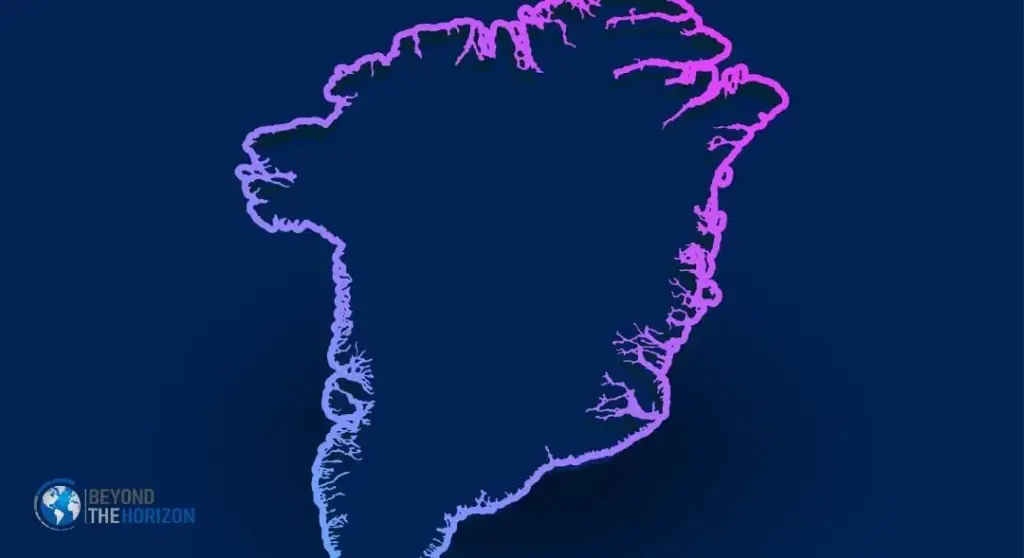
Greenland sovereignty has become a pivotal topic in contemporary geopolitical discussions, particularly in light of recent statements by former President Donald Trump regarding “owning” the territory. This notion of Greenland ownership surfaces against a backdrop of complex Denmark-US relations, where Trump’s desire to purchase the semi-autonomous region has met with staunch resistance from both Greenland and Denmark. The political climate surrounding Greenland involves not just local aspirations but also international concerns about Arctic security issues, particularly amidst the encroachment of Russia and China. Critics argue that Denmark has maintained a firm stance against Trump’s proposals, underscoring the principle that only the Greenlandic people can determine their future. As strategic interests continue to unfold, the world watches closely to see how these dynamics will shape the future of this vast Arctic territory, rich in both culture and untapped natural resources.
The discussion surrounding the governance and territorial integrity of Greenland highlights the nuances of national interests and self-determination. Often referred to as a semi-autonomous territory of Denmark, Greenland has found itself at the crossroads of international power play, particularly in light of America’s interests in Arctic shipping routes and military positioning. The dialogue about Greenland’s future encompasses concepts like self-governance and the balance of power between major global players, all while assessing the consequences of Trump’s controversial remarks on potential land acquisitions. Given the region’s significance in the context of evolving climate patterns, the Greenland political landscape is not only about territorial claims but also about the enduring identity and rights of its indigenous people. As debates about Arctic strategies continue, the potential implications for bilateral relations and global security cannot be overstated.
Understanding Greenland’s Sovereignty
Greenland sovereignty remains a hotly debated issue, especially in the context of international relations and national security. The territory is an autonomous region of Denmark, and any discussions concerning its future involve complex legal, political, and cultural dimensions. Greenlandic leaders have consistently emphasized their right to self-determination, arguing that their identities and futures should not be dictated by external powers, including the United States. This insistence on sovereignty is crucial, particularly in light of President Trump’s interest in purchasing the territory as a means of countering perceived threats from Russia and China.
Furthermore, the discussions surrounding Greenland’s political status also tie into broader Arctic security issues. As climate change alters the geopolitical landscape, the Arctic region is emerging as a focal point for global interests, particularly with regard to natural resources and strategic military positioning. This geopolitical competition raises questions not only about ownership but also about the rights and voices of the Inuit population who inhabit Greenland. Their desire for sustainable development and preservation of their cultural heritage must be central to any conversations about the territory’s future.
Trump’s Controversial Proposal for Greenland Ownership
In August 2019, President Trump sparked controversy by proposing to purchase Greenland, framing it as a necessary step to bolster U.S. security in the Arctic. He argued that by owning Greenland, the U.S. could better defend against increasing threats from rival nations, particularly Russia and China. However, this proposal backfired, leading to immediate backlash from Danish officials and Greenlandic leaders who see their sovereignty as non-negotiable. Trump’s assertion that ‘countries have to have ownership’ contrasts sharply with the steadfast rejection of such ideas by both the Danish government and the people of Greenland.
Critics of Trump’s approach argue that his transactional viewpoint fails to recognize the historical and cultural significance of Greenland. Instead of viewing the territory purely in terms of strategic military interests and natural resource exploitation, it is vital to consider the ecological and social aspects that are deeply interwoven into the fabric of Greenlandic life. The notion that Denmark, and by extension the United States, could dictate Greenland’s future reflects a colonial mindset that dismisses the wishes of the local population and ignores existing geopolitical norms.
Denmark and U.S. Relations: A Test of Alliances
Denmark’s relationship with the United States is deeply rooted in historical alliances, particularly through NATO. However, Trump’s proposal to purchase Greenland has strained this bond, striking at the heart of mutual respect and autonomy. Danish officials have firmly rejected the idea, asserting that military alternatives are off the table and insisting that any discussions regarding Greenland’s future must involve the Greenlandic people. This insistence underscores a critical component of Denmark’s politics—an unwavering commitment to the principles of sovereignty and the rights of territories.
The political climate has become particularly tense, as Denmark’s NATO allies watch closely. Countries like Canada and other European nations have voiced support for Denmark’s stance, reinforcing the message that matters concerning Greenland’s sovereignty are ultimately for the Greenlandic people to decide. This situation places pressure on the U.S. to reassess its approach in the Arctic, as cooperation among allies becomes crucial for addressing regional issues, especially in light of increasing military activities by Russia and China in the region.
The Importance of Greenland in Arctic Security
Greenland’s strategic location makes it a pivotal territory in discussions of Arctic security, with implications for both military and environmental concerns. The U.S. maintains a military presence at the Pituffik base, highlighting the importance of early warning systems and surveillance capabilities that are necessary for monitoring regional threats. However, Trump’s assertion that there are ‘Russian and Chinese ships all over the place’ lacks substantiation. Experts argue that rather than focusing on ownership, collaborative efforts among NATO allies are needed to effectively address potential security challenges in the Arctic.
Moreover, the debate over Arctic security must account for the ecological dimensions of this rapidly changing environment. As significant oil and gas reserves and rare earth minerals become more accessible due to climate change, the potential for exploitation raises critical questions about sustainable development. Ensuring that the voices of the Greenlandic people are included in any discussions about resource management and national security is essential to align Arctic interests with local needs and environmental stewardship.
Greenland’s Natural Resources: Wealth vs. Sovereignty
Greenland’s wealth of natural resources, including rare earth minerals, uranium, and potentially vast oil and gas reserves, places it at the center of international attention. As climate change facilitates access to these resources, nations are keenly interested in securing them. However, the narrative surrounding resource extraction needs to shift from one of ownership to one of collaborative management that respects Greenlandic sovereignty. As the Greenlandic people increasingly express their concerns over being treated as mere assets, the need for a sustainable approach to resource development becomes apparent.
While Trump may view Greenland’s resources through a purely strategic lens, local leaders emphasize the importance of managing these assets in a way that benefits the community and sustains their cultural identity. Economic development must align with the values and priorities of the Greenlandic population, fostering a sense of ownership over their land rather than leading to a new form of colonial exploitation. This need for equity in resource management echoes broader calls for social justice in Indigenous contexts, reinforcing the idea that local voices must guide the narrative of Greenland’s future.
The Resistance of Greenlanders to Foreign Intervention
Greenlanders have made their stance on foreign intervention abundantly clear, voicing their anger over Trump’s interest in purchasing their territory. The sentiments expressed by Greenlandic leaders and the public emphasize their desire to maintain their distinctive cultural identity and autonomy. Their assertion that they do not want to be viewed as commodities or territories to be bought or sold reflects a broader resistance to colonial attitudes that have historically marginalized Indigenous voices. Greenlanders assert that their future should be determined by them, not by foreign interests.
This strong pushback highlights a critical aspect of the current political climate, where Indigenous rights and self-determination are increasingly at the forefront of global discussions about sovereignty. The desire for independence and control over their land aligns with a growing awareness of Indigenous rights worldwide, urging nations to respect the autonomy of Greenlandic people in decisions that affect their lives. As discussions around Greenland’s future continue, the importance of acknowledging and valuing these voices will be essential to shaping more equitable and sustainable outcomes.
Navigating the Complexities of Arctic Politics
As the Arctic region garners attention for its strategic significance, the political dynamics at play can be quite complex. Countries like the United States and Russia have vested interests in securing a stronghold in the Arctic, particularly as natural resources become more available due to climate change. However, the realities of these geopolitical maneuvers often overlook the rights and aspirations of the Indigenous populations, such as those in Greenland. Effective navigation of Arctic politics requires recognizing local governance structures and prioritizing the self-determination of the Greenlandic people.
The growing interest in Arctic security issues suggests that diplomatic ties among countries must evolve to include Indigenous perspectives. The ongoing tensions between national security aims and local autonomy raise essential questions about how Arctic resources should be managed. In fostering cooperation among international players, there is a vital opportunity to redefine the narrative surrounding sovereignty and ownership in the Arctic, recognizing that the future of the region must be shaped collaboratively, with respect for local traditions and knowledge.
International Reactions to Trump’s Greenland Proposal
Reactions to President Trump’s proposal for Greenland have varied significantly, highlighting the international community’s concern for the implications of such an offer. Denmark’s firm rejection of the plan was accompanied by widespread global commentary on the perceived absurdity of treating a territory as a commercial asset. Allies within NATO and across Europe have expressed solidarity with Denmark, reinforcing the sentiment that Greenland’s future should remain primarily in the hands of its people and their elected representatives. Such international support emphasizes the importance of adhering to the principles of sovereignty and territorial integrity.
Additionally, reactions from Greenland itself have underscored a growing skepticism regarding American intentions. The Greenlandic population has articulated their wishes clearly: they do not desire to become an extension of the United States or to be subjected to foreign control over their land. Local leaders have actively sought to uphold their cultural identity while assertively rejecting offers that threaten their autonomy. This local resistance, paired with international support, creates a powerful narrative against the backdrop of Trump’s propositions, demonstrating a collective commitment to sovereignty.
Future Directions for Greenland and Its Governance
The future of Greenland is increasingly tied to its governance and how it navigates complex geopolitical landscapes. Discussions about autonomy and resource management are essential in shaping a sustainable path forward for the territory. As climate change shifts the paradigms of resource accessibility, Greenland must engage with international partners to ensure that development occurs with respect to both its environmental needs and its cultural heritage. The Greenlandic people’s voices will be instrumental in determining the governance structures that best serve their interests.
Looking forward, fostering a dialogue that includes all stakeholders—local communities, national governments, and international actors—will be critical in developing policies that address both security and environmental sustainability. By considering the perspectives of Greenlanders and prioritizing their sovereignty, future governance can reflect equitable development that enhances their autonomy while effectively responding to the challenges posed by global interest in the region. This approach will ensure that Greenland’s future remains in the hands of its own people.
Frequently Asked Questions
What is the current status of Greenland sovereignty amidst the US interest in Greenland ownership?
Greenland sovereignty remains firmly with Denmark, as both the Danish government and Greenlandic leaders have stated that the territory is not for sale. Despite President Trump’s comments about US ownership of Greenland to enhance national security and counter Russian and Chinese influence, these offers have been rejected outright by Denmark and Greenland. The matter of Greenland sovereignty is critical in discussions about geopolitical interests in the Arctic.
How does Trump’s interest in purchasing Greenland relate to Denmark and US relations?
Trump’s interest in purchasing Greenland has strained Denmark and US relations, especially given Denmark’s insistence that Greenland is not for sale. The Danish government, supported by Greenlandic leaders, emphasizes that decisions regarding Greenland’s future should be made by its people. Denmark’s NATO allies have raised concerns about the implications of any military action suggested by Trump regarding Greenland’s sovereignty.
What are the implications of Greenland sovereignty for Arctic security issues?
Greenland sovereignty is crucial for Arctic security issues, as the territory’s strategic location plays a significant role in monitoring military activity in the region. The US has interests in Greenland not only for its geopolitical positioning but also for its potential natural resources that could be more accessible due to climate change. However, any movements regarding its sovereignty must respect the wishes of its people and be addressed collectively by NATO allies.
What was the reaction of Greenlandic leaders to Trump’s interest in Greenland ownership?
Greenlandic leaders have expressed strong opposition to Trump’s interest in Greenland ownership. They issued a statement saying they do not wish to become Americans or Danes but want to retain their identity as Greenlanders. This reflects their desire for self-determination and sovereignty over their land, highlighting widespread discontent with the notion of being ‘sold’.
How do Trump’s views on Greenland ownership impact the political climate in Denmark and Greenland?
Trump’s views on Greenland ownership have intensified discussions about Greenland’s political climate, spotlighting issues of sovereignty and self-determination. The Greenlandic people’s negative reaction to Trump’s intentions demonstrates a growing urgency to assert their rights and identity, while the Danish government reaffirms its control over Greenlandic decisions. This situation could influence future political relations within the region and its affiliations with international allies.
What natural resources in Greenland are contributing to discussions about its sovereignty?
Discussions about Greenland sovereignty are also fueled by the territory’s rich natural resources, including rare earth minerals, uranium, and potential oil and gas reserves. As climate change leads to ice melting, access to these resources becomes more viable, raising the stakes in international interest and complicating the sovereignty narrative, as both geopolitical and environmental issues converge.
| Key Point | Details |
|---|---|
| Trump’s Claim of Ownership | Trump argues the US should ‘own’ Greenland to prevent Russian and Chinese influence. |
| Denmark’s Stance | Denmark and Greenland firmly reject the idea of selling territory, emphasizing sovereignty. |
| Greenland’s Strategic Importance | Greenland is crucial due to its location for military operations and resource accessibility. |
| Greenlanders’ Reaction | Greenlanders express anger at the idea of being sold, asserting their right to self-determination. |
| International Support for Denmark | NATO allies back Denmark’s refusal to sell, stating that only they should decide their future. |
Summary
Greenland sovereignty is of paramount importance as discussions surrounding the territory’s future intensify. President Trump’s claim that the US should ‘own’ Greenland has sparked significant controversy, especially as Greenlanders and Danish authorities vehemently oppose such ideas. The strategic location of Greenland amidst growing global interests reflects its value, yet the sentiment from the Greenlandic people strongly emphasizes the desire for ownership of their own identity and future. In the context of international diplomacy, it is clear that respecting Greenlandic sovereignty remains essential for maintaining stability and upholding principles of territorial integrity.