
Listen to this article
Technology in sports has emerged as a game-changer, fundamentally altering the way athletes train, strategize, and compete. From the rise of wearable technology that provides real-time performance data to the immersive experiences offered by virtual reality in sports, innovations are reshaping the athletic landscape. Coaches and teams are harnessing data analytics in sports to make informed decisions that enhance performance, optimize training regimens, and engage fans more effectively. Additionally, the Internet of Things (IoT in sports) is connecting devices and players, ensuring a seamless flow of information that enhances communication on the field. This blog post delves into the transformative power of sports tech innovations and how they are revolutionizing the sporting experience for athletes and fans alike.
The integration of modern advancements in athletics is redefining the standards of competition and engagement. The latest trends in fitness technology, virtual simulations, and comprehensive data analysis tools are drastically improving training methodologies and performance evaluation. Smart devices and connected equipment are enabling athletes to maximize their potential while offering spectators unprecedented access to the action, enhancing overall game-day experiences. This exploration into sports technology reveals how these innovations are not only streamlining training processes but also creating a more interactive and exciting environment for audiences and participants. As we continue to delve into this fascinating topic, the significance of staying ahead in sports technology becomes increasingly apparent.
The Impact of Wearable Technology on Athlete Performance
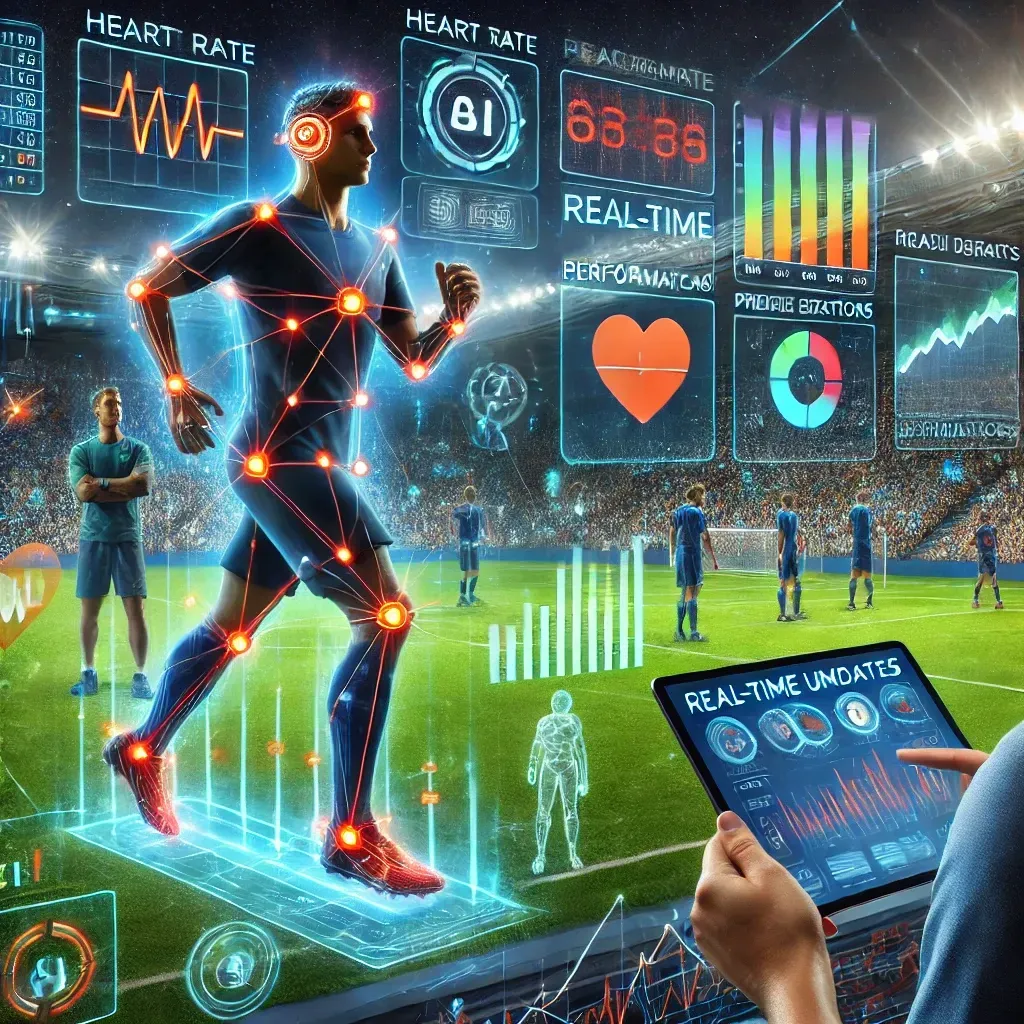
Wearable technology has emerged as a game-changer in the sports industry, fundamentally altering how athletes train and monitor their health. These devices, characterized by their ability to track real-time data, have given athletes unprecedented insights into their performance metrics. For instance, professional runners can use GPS-enabled wearables to analyze their stride patterns and optimize their running style, thereby enhancing their performance on the track. The granularity of data collected allows athletes to set specific goals and measure their progress continuously, paving the way for data-driven improvement.
Moreover, as athletes increasingly adopt these technologies, the resultant data accumulates, providing coaches and sports scientists with valuable insights into training patterns and recovery protocols. This data analytics approach allows teams to develop personalized training regimes tailored to each player’s unique physiology and performance trends. Consequently, the merging of wearables and data analytics in sports not only enhances athletic performance but also reduces the risk of injuries, ultimately extending athletes’ careers.
Integrating IoT Technology in Sports Equipment
The Internet of Things (IoT) is revolutionizing how sports equipment is utilized and managed in training and competitive settings. With IoT-enabled gear, athletes can now engage with monitored devices that offer real-time feedback on their performance. For example, connected basketballs can record shooting angles and velocity, empowering coaches to refine techniques based on precise metrics. This intelligent feedback loop allows for continuous improvement and gives athletes a competitive edge by facilitating data-driven adjustments in their training.
Furthermore, the integration of IoT technology enhances the collaborative efforts between players and coaches. Data collected by smart equipment can be seamlessly shared, enabling teams to strategize collectively and adjust their game plans based on real-time insights from ongoing performance. Additionally, it presents opportunities for developing innovative training methodologies that employ technology to simulate competitive scenarios, further bridging the gap between practice and actual gameplay.
The Role of Data Analytics in Sports Strategy
Data analytics plays a pivotal role in shaping strategic decisions within the sports realm. With the growth of big data, teams are now equipped to analyze vast amounts of performance data, which informs their game-day strategies and player development processes. Coaches can dissect historical performance statistics, assessing everything from player fitness levels to opponent weaknesses, enabling them to craft specific game plans tailored to prevailing conditions and player capabilities.
Additionally, predictive analytics is increasingly being utilized to anticipate game outcomes and player performances, which allows teams to place strategic bets on player acquisitions or adjustments in roster positioning. By harnessing the power of data in this manner, organizations not only enhance their operational efficacy but also contribute to the overall excitement of the sport by fostering more competitive and engaging matchups on the field.
Transforming Fan Engagement With Virtual Reality
Virtual reality (VR) is undoubtedly redefining fan experience in sports, offering fans sensational ways to engage with their favorite teams beyond the traditional viewing experience. With VR, fans can immerse themselves in simulations of live games, allowing them to access courtside seats or even stand alongside their favorite players in the locker room. This innovative use of technology creates a more personal connection between fans and the athletes they admire, fostering a sense of belonging and loyalty.
Moreover, VR experiences can be transformative even in non-event settings, such as training sessions or promotional events. Fans can participate in virtual training experiences or relive historical games, feeling as though they are part of the action. Such immersive technologies are not merely for entertainment; they present powerful marketing opportunities for team brands to engage wider audiences and drive ticket sales by enhancing the perceived value of attending a live event.
Advancements in Health Monitoring Through Wearables
Health monitoring has historically played a crucial role in sports performance, but recent advancements in wearable technology are taking it to unprecedented levels. Athletes now have access to smartwatch-like devices that provide comprehensive insights into their physiological status, from heart rate variability to hydration levels. This continuous health monitoring allows for better management of physical training regimens, ensuring athletes remain within optimal performance thresholds while minimizing the risk of overtraining.
Additionally, these technologies alert athletes and coaches to critical issues that could affect performance, such as signs of illness or fatigue. By leveraging data analytics derived from these wearables, coaches can customize recovery strategies for athletes, thus prolonging their careers and optimizing their time on the field. It is a paradigm shift that emphasizes proactive health management, benefitting both the athletes’ welfare and overall team performance.
Enhancing Training Techniques With Virtual Reality
The use of virtual reality in training has proven to be a revolutionary approach to athlete preparation. By creating lifelike simulations of game scenarios, VR enables athletes to practice in controlled environments without the physical strains of actual gameplay. This immersive experience allows players to enhance their cognitive skills, such as decision-making and reaction time, fostering better on-field performances when it truly counts.
Beyond individual training, coaches harness VR technology to review and analyze game tactics with greater precision. This virtual insight can inform training decisions and game plans, as team strategies can be simulated and assessed in realistic conditions. As such, VR is not just a tool for enhancing athletic performance; it’s an essential component of modern sports strategy, allowing teams to prepare more effectively for opponents.
The Future of Sports Tech Innovations
As technology continues to evolve, its applications within the sports industry are poised for exponential growth. Future innovations may include advancements in artificial intelligence, enabling deeper analytical insights and offering predictive capabilities that can drastically change how teams approach player development and game strategies. The prospect of AI-driven training programs could allow athletes to hone their skills at unprecedented rates, revolutionizing performance enhancement across all sports.
Moreover, the anticipated integration of blockchain technology may further evolve the fan experience by providing secure transactions for ticket sales and merchandise, while also enhancing transparency in player transfers and endorsements. As these technologies continue to mature, it is safe to say that the relationship between sports and technology will become increasingly intertwined, creating new opportunities for athletes, teams, and fans alike.
Optimizing Stadium Experiences With IoT
The Internet of Things (IoT) is progressively augmenting how fans experience live sports. Smart stadiums equipped with connected sensors can relay real-time information about crowd density, wait times at concessions, and facility operations. By leveraging such data, teams can enhance safety protocols and improve overall fan satisfaction. For example, live crowd monitoring can help re-route fans to less crowded areas for concessions or amenities, thus fostering a more enjoyable experience at sporting events.
Furthermore, IoT technology allows stadium operators to maintain equipment more efficiently, proactively addressing issues before they affect the fan experience. By implementing predictive maintenance protocols powered by real-time data, venue management can ensure that everything from scoreboards to heating systems operates at peak performance. Such advancements not only enrich the event atmosphere for fans but also increase operational efficiency, ensuring sports venues are prepared to accommodate growing audiences.
The Synergy of Technology and Sports for Future Generations
The fusion of technology and sports signifies an exciting era for future generations of athletes and fans. As technology evolves, newer generations will likely expect immersive experiences both in training environments and during live events. This synergy not only paves the way for advanced training methodologies but also creates a more connected sporting community where information flows seamlessly between fans, teams, and players.
Moreover, by embracing this technology-forward mindset, the sports industry can attract a younger audience more invested in innovation and digital engagement. From eSports to enhanced viewing experiences through augmented and virtual reality, the future of sports tech promises to deliver unique interactions that resonate deeply with digitally-native fans. As this landscape evolves, both athletes and supporters stand to gain tremendously from these developments, making the arena of sports more diverse and engaging than ever before.
Frequently Asked Questions
What impact does wearable technology have on athlete performance in sports?
Wearable technology significantly enhances athlete performance by tracking metrics such as heart rate, distance, and speed. This data allows athletes to analyze their training sessions in real time, helping them optimize their performance and avoid injuries.
How is virtual reality used as a training tool in sports?
Virtual reality (VR) serves as an immersive training tool, allowing athletes to practice in simulated environments. This technology helps enhance skills such as decision-making and timing, as athletes can engage in realistic scenarios without the risks of on-field training.
What are the benefits of data analytics in sports?
Data analytics provides essential insights into player performance, enabling teams to make informed decisions regarding training, strategies, and player recruitment. It also enhances the fan experience by personalizing engagements and optimizing offerings based on fan behavior.
How does IoT technology improve communication in sports teams?
IoT technology enhances communication by connecting athletes, coaches, and teams in real time through smart devices. This immediate data sharing leads to quicker decision-making and more efficient training regimens.
What role does wearable technology play in health monitoring for athletes?
Wearable technology monitors athletes’ health metrics such as sleep patterns and recovery times. This data is crucial for preventing injuries, as it helps athletes recognize signs of fatigue and overtraining.
How does virtual reality enhance fan engagement in sports?
Virtual reality enhances fan engagement by allowing fans to experience live events in an interactive manner. Fans can use VR headsets to feel as if they are attending games in real-time, bridging the gap between players and supporters.
What are some examples of smart equipment in sports due to IoT advancements?
Examples of smart equipment include connected basketballs and footballs that measure performance metrics. This equipment provides instant feedback to athletes, enabling coaches to refine techniques based on precise data.
In what ways does data analytics optimize the fan experience in sports?
Data analytics optimizes the fan experience by analyzing behavior to create personalized promotions and content. This understanding helps teams engage fans more effectively, driving loyalty and attendance.
What future technologies could further revolutionize sports?
Future technologies like artificial intelligence and machine learning hold vast potential to revolutionize sports by predicting game outcomes and creating personalized training programs, continuously enhancing athlete and fan experiences.
How have sports tech innovations transformed stadium experiences?
Sports tech innovations, particularly IoT devices, have transformed stadium experiences by providing real-time information on crowd density and concession wait times, which helps improve safety and convenience for fans attending events.
| Key Development | Description |
|---|---|
| Wearable Technology | Devices that track performance metrics and health to enhance training and prevent injuries. |
| Virtual Reality | Immersive training tool for athletes and new experiences for fans at live events. |
| Data Analytics | Utilization of big data to inform coaching strategies and enhance fan engagement. |
| Internet of Things (IoT) | Connected devices that improve data sharing and communication in sports. |
Summary
Technology in sports is undeniably reshaping the athletic landscape, integrating advanced tools that enhance training, performance, and fan interaction. Innovations like wearables provide athletes with critical performance data, while virtual reality offers immersive training simulations and engaging fan experiences. Data analytics allows coaches to make informed decisions based on player performance and enhances the personalization of fan interactions. Moreover, the Internet of Things (IoT) enables real-time connectivity among athletes, teams, and fans, transforming sports experiences in stadiums and training environments. As we move forward, the fusion of technology and sports will continue to expand, creating opportunities for greater achievements and experiences.

