Listen to this article
Renee Nicole Good’s tragic death has ignited a wave of protests across Minneapolis and various cities in the United States, marking a pivotal moment in the ongoing fight against immigration enforcement. The 37-year-old was fatally shot by a U.S. Immigration and Customs Enforcement (ICE) agent while sitting in her car, leading to public outcry and calls for accountability. As demonstrators gather to express their grief and demand justice, many have referenced the Minneapolis protests that followed George Floyd’s killing, signifying a broader movement against police violence and systemic injustice. Vigils for Renee Good are underway, where members of the community lay flowers and voice their disdain for federal immigration policies and the actions of ICE agents. It becomes increasingly evident that the events surrounding Renee’s death have reignited conversations about the role of ICE in American society and the urgent need for reform.
The aftermath of Renee Good’s shooting has prompted widespread demonstrations, reflecting a collective anger towards the pervasive issues surrounding immigration enforcement. People across the nation are engaging in protests against the actions of immigration authorities, mobilizing in solidarity with those affected by recent ICE agent shootings. This incident has not only revived discussions about the need for accountability in law enforcement but also highlights the ongoing debates about federal immigration policies in American communities. Memorials are being held to honor Good, underscoring the urgent need for justice and highlighting the emotional impact her loss has had on many. As the public seeks to understand the implications of this tragic event, conversations continue to evolve around the systemic changes necessary within law enforcement and immigration practices.
The Impact of Renee Nicole Good’s Death on Minneapolis Community
The tragic killing of Renee Nicole Good has ignited a wave of shock and mourning across Minneapolis. As news of her death spread, countless individuals gathered at the crash site, lighting candles and laying flowers as a memorial to a life cut tragically short. Many expressed their disbelief, stating that such violence should not be tolerated in a community meant to be safe for all. Good, known for her compassionate nature and artistic talents, left a profound impact on those who knew her, making her an emblem of the fight against systemic injustices. The ongoing protests against ICE have evolved into a rallying cry for justice not just for Good, but for an entire community demanding accountability for law enforcement’s actions.
Beyond the personal loss felt by her family and friends, the broader implications of Good’s death resonate deeply within social justice movements. Activists are drawing parallels to the protests sparked by George Floyd’s killing, emphasizing that the fight against police violence and the enforcement of immigration laws cannot be separate battles. As demonstrators took to the streets of Minneapolis and beyond, they reiterated demands for the abolition of ICE and greater oversight of federal agents, claiming that no one should fear for their life in their own neighborhoods. The solidarity shown in these protests illustrates how deeply intertwined these issues are in the pursuit of equity and justice.
Protests Against ICE: A Nationwide Response
The protests following the fatal shooting of Renee Nicole Good are part of a larger movement against U.S. Immigration and Customs Enforcement (ICE) and its controversial practices. Demonstrators in various cities, including Houston and Washington D.C., echoed the sentiments heard in Minneapolis, calling for the dismantling of an agency that many believe perpetuates systemic violence and racism. Activists argue that ICE’s actions must be scrutinized, especially following incidents that result in unnecessary loss of life. The outcry for reform comes not just from immigrant communities but from a diverse coalition of individuals who recognize that effective change is rooted in unity and collective action.
In addition to local protests, national conversations are being sparked about the role of ICE in communities across the United States. The incidents surrounding Good’s death and subsequent protests have prompted renewed discussions about immigration policies, the militarization of law enforcement, and human rights. Campaigns aimed at increasing awareness around these issues are gaining traction, leading many activists to connect the dots between police brutality and immigration enforcement, highlighting that both need comprehensive reform. This moment of reckoning has brought together citizens across different backgrounds, galvanizing them around a singular cause: to end the violence that disproportionately affects marginalized communities.
Media Coverage and Public Perception of the Vigil
The media coverage surrounding the vigil for Renee Nicole Good has played a crucial role in shaping public perception of the incident. Many outlets have highlighted the grassroots nature of the gatherings, showcasing how individuals from various walks of life united in grief and in demand for justice. This has brought national attention to the issues at hand, particularly the need for accountability from federal agencies like ICE. As people voiced their anger and sorrow, the visual evidence of a community coming together has moved viewers to empathize with Good’s family and the broader movement against ICE’s violent enforcement strategies.
Conversely, some media portrayals perpetuate narratives that protect law enforcement by framing the ICE agents’ actions as justified or necessary. This has instigated a backlash from observers who feel that the focus should remain on the victimization of individuals like Good rather than on the actions of authoritative bodies. As protests continue, the media’s framing becomes critical in either catalyzing further action or maintaining the status quo. The public’s outrage, especially as expressed through social media platforms, is pushing for a narrative shift that demands justice and accountability over blind trust in federal law enforcement.
Community Resilience Amidst Tragedy
In the wake of Renee Nicole Good’s death, the resilience of the Minneapolis community shines through as they navigate their grief. Vigils and protests reflect not only a reaction to her loss but also a broader collective memory of past injustices, including the death of George Floyd. The community has galvanized to support one another, offering coffee and warmth to those braving the cold during demonstrations. This coming together of neighbors signifies strength in unity, echoing the sentiment that healing begins with acknowledging shared pain and striving for change.
Furthermore, local leaders and activists are leveraging this tragedy as a catalyst for sustained community engagement. Several organizations have initiated dialogues to address systemic issues in policing and immigration, ensuring that the voices of marginalized communities are amplified. As residents unite, they are not just calling for justice for Good, but are also creating a blueprint for future activism that fosters solidarity and resilience. This proactive approach aims to reshape the narrative from one of despair to one of hope and determination, a legacy that honors Renee Nicole Good’s memory.
Justice and Investigations in Renee Nicole Good’s Case
The investigation surrounding the shooting of Renee Nicole Good has become a contentious issue, underscoring the complexities of accountability in law enforcement. As federal officials claim self-defense, local authorities and community members have raised concerns about the lack of transparency and the exclusion of state investigators from the process. This dispute illustrates the ongoing struggle between state and federal jurisdictions, where public trust in the investigative process is at stake. Activists are advocating for a more thorough and independent investigation that ensures justice is served for Good and her family.
Amidst the political tensions surrounding the investigation, many community members are left feeling frustrated and unheard. The call for accountability is growing louder, with grassroots movements pushing for reforms to prevent future tragedies. Key stakeholders, including local leaders and civil rights advocates, emphasize the necessity of fair and unbiased investigations when law enforcement is involved in deadly incidents. The outcome of Good’s case will likely influence public policies and practices regarding police and immigration enforcement, drawing attention to the urgent need for systemic change.
Renee Nicole Good’s Legacy as an Artist and Advocate
Renee Nicole Good was more than a victim of systemic violence; she was an artist whose poetry and guitar playing enriched her community. Described by friends as compassionate and deeply caring, her legacy as a poet serves as a reminder of the beauty and creativity that individuals can bring to their communities. Her artistry not only touched the lives of those who knew her but also contributed to the cultural fabric of Minneapolis, inspiring others to express themselves amidst sociopolitical struggles.
As her story continues to unfold through the ongoing protests and vigils, many are calling for her legacy to be honored through continued activism. Supporters are utilizing Good’s artistic expressions to promote awareness about the injustices faced by many marginalized communities, thereby transforming her tragic death into a rallying point for advocacy. This transformation signifies a commitment to not only remember Good as a victim but also to celebrate her life and passions by fighting for a more equitable society.
The Role of Social Media in Mobilizing Support
In today’s digital age, social media has played a pivotal role in mobilizing support and raising awareness about events such as the death of Renee Nicole Good. Platforms like Twitter and Facebook have allowed for rapid dissemination of information, enabling activists to organize protests and share personal stories around the impact of ICE. The viral nature of posts related to Good’s death has sparked conversations across the globe about immigration policies and police violence, effectively transcending geographical barriers.
Moreover, social media has provided a space for communal grieving and support, allowing individuals to express their outrage, share art, and coordinate vigils and actions. Throughout Minneapolis and beyond, hashtags related to Good have trended, drawing in attention from media outlets and encouraging broader participation in a movement that is often experienced less intensely in physical spaces. This digital solidarity adds another layer to the ongoing fight for justice, reinforcing that communities are not alone in their struggles.
Lessons from the Minneapolis Protests for Future Movements
The protests ignited by Renee Nicole Good’s tragic death offer crucial lessons for future movements advocating for social justice. The coordination and response from a diverse range of communities signify the power of collective action. Organizers observed how effectively combining compassion with demands for justice can create a lasting impact, drawing in individuals from various backgrounds to join the cause. This model of inclusivity emphasizes that communal struggle is essential to addressing systemic issues, proving that solidarity across differences can galvanize powerful movements for change.
Additionally, the Minneapolis protests underline the importance of sustained engagement beyond initial outrage. The community’s resolve to continue advocating for justice, despite the challenges posed by federal authority, highlights the need for long-term strategies in activism. Effective movements must not only respond to immediate crises but also work to build enduring coalitions that focus on transformative change. These lessons can guide future protests, ensuring that advocates remain vigilant and prepare for systemic opposition while keeping the memory of victims like Good alive within the fight for justice.
Frequently Asked Questions
What led to the protests in Minneapolis related to Renee Nicole Good?
The protests in Minneapolis were sparked by the fatal shooting of 37-year-old Renee Nicole Good by a U.S. Immigration and Customs Enforcement (ICE) agent. This incident, which occurred while Good was sitting in her car, ignited demonstrations not only in Minneapolis but also in several other U.S. cities, highlighting public outrage against ICE and the need for police accountability.
How did the community honor Renee Nicole Good during the protests?
The community honored Renee Nicole Good by setting up a vigil at the crash site where she was shot. Attendees lined the area with candles and roses, mourning her death and calling for justice. This vigil became a focal point for people to express their grief and anger over her tragic shooting.
What were the conflicting narratives about Renee Nicole Good’s shooting?
Conflicting narratives emerged regarding the circumstances of Renee Nicole Good’s shooting. The Trump administration and DHS claimed that the ICE agent acted in self-defense, suggesting Good attempted to run over the officer. In contrast, local officials and witnesses argued that she posed no threat and was merely trying to leave the scene.
How did the investigation into Renee Nicole Good’s death lead to tensions between state and federal authorities?
The investigation into Renee Nicole Good’s death caused significant tensions between state and federal authorities. Minnesota officials accused the Trump administration of obstructing their involvement in the investigation. The FBI’s initial agreement to collaborate with state agencies was revoked, leading to concerns over the transparency and accountability of the investigation.
What was the response from Minnesota Governor Tim Walz regarding Good’s shooting?
Minnesota Governor Tim Walz expressed outrage over the shooting of Renee Nicole Good, accusing the Trump administration of interfering with state investigations. He emphasized the need for accountability and called for a thorough investigation into the circumstances surrounding her death, which he described as unjust.
How did the events following Renee Nicole Good’s shooting draw parallels with the George Floyd protests?
The events following Renee Nicole Good’s shooting drew parallels with the George Floyd protests due to the shared location of the incidents. Both occurred in Minneapolis, and Good’s shooting rekindled discussions about police violence and systemic racism within law enforcement, echoing the national outrage that followed Floyd’s death in 2020.
What actions were taken by protesters during the recent demonstrations against ICE?
Protesters against ICE during the demonstrations honoring Renee Nicole Good took various actions, including marching in several cities, holding placards demanding the abolition of ICE, and engaging in peaceful protest outside federal buildings. Demonstrators vocalized their anger towards the killing, asserting that accountability is necessary for law enforcement actions.
Who was Renee Nicole Good and how did her life impact those around her?
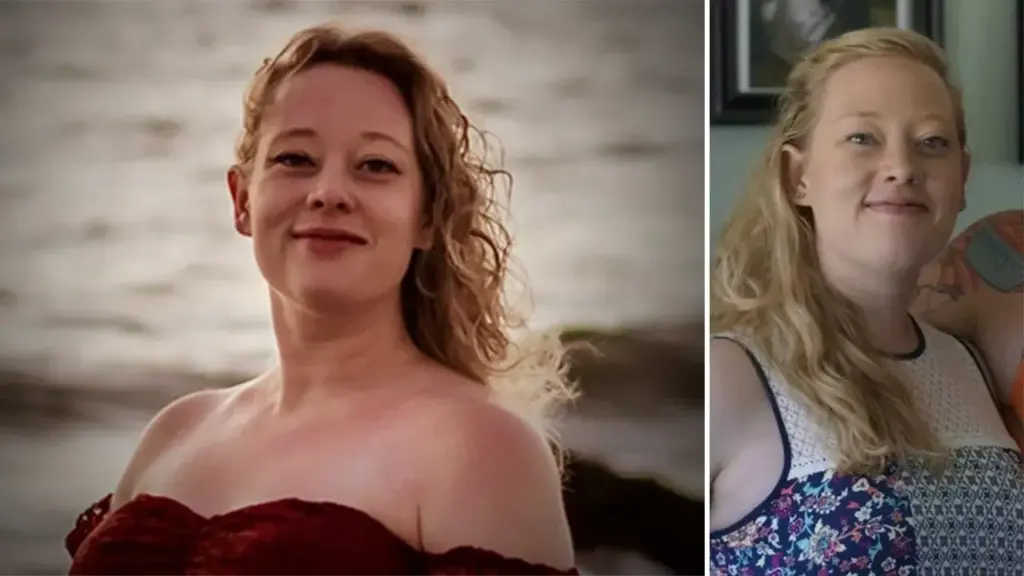
Renee Nicole Good was a 37-year-old poet and guitarist who had recently moved to Minneapolis. Friends and family described her as compassionate and loving, significantly impacting her community. Many who did not know her personally felt a sense of loss and called for justice in her name, emphasizing her role as a positive influence in their lives.
What was the significance of the memorial for Renee Nicole Good?
The memorial for Renee Nicole Good served as a poignant reminder of the violence that can occur at the hands of law enforcement. It highlighted the need for greater scrutiny of ICE’s actions and brought together a community seeking justice, demonstrating public solidarity against systemic injustices related to immigration and policing.
| Key Points |
|---|
| Renee Nicole Good, 37, shot by ICE agent, sparking protests in Minneapolis and across several U.S. cities. |
| Demonstrators call for abolition of ICE; vigils held at the crash site with floral tributes. |
| Different accounts of the shooting: ICE claims self-defense, local officials say there was no threat. |
| FBI investigation underway; dispute over control between Minnesota authorities and the federal government. |
| Minnesota Governor accuses Trump administration of obstructing local investigation efforts. |
| Good remembered as a compassionate community member, with protests centered around justice for her death. |
Summary
Renee Nicole Good’s tragic death has ignited widespread protests and calls for justice, highlighting deep-seated issues surrounding immigration enforcement and community safety. As the situation unfolds, it is vital for stakeholders to foster transparency and cooperation between federal and state authorities to restore public trust and seek accountability.