Listen to this article
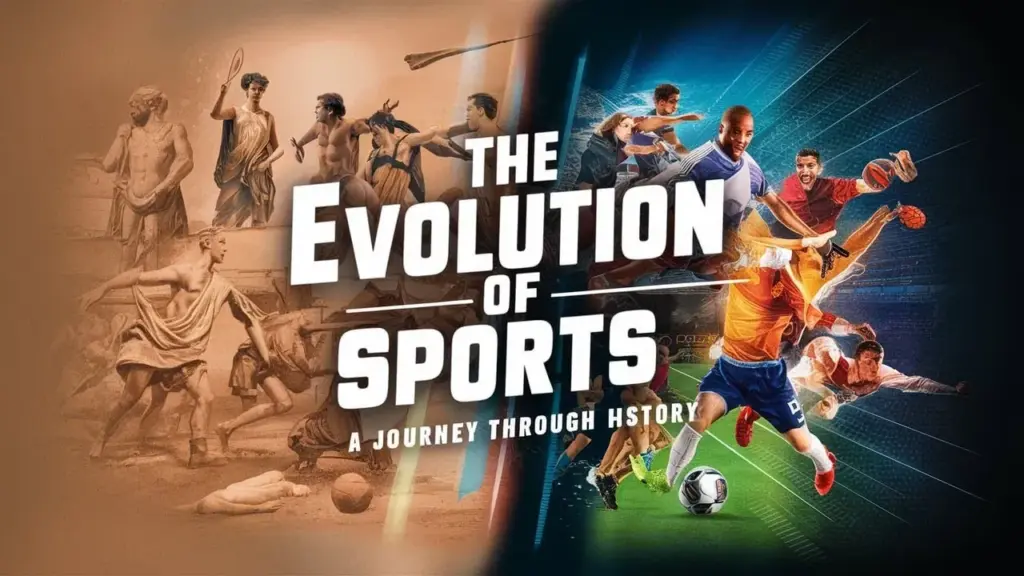
The evolution of sport is a fascinating journey through time that illustrates how physical competition has shaped human life and culture. From its primitive origins, depicted in ancient rituals, to the organized spectacles of modern sports, the history of sport reflects our societal values, aspirations, and communal ties. Each era has redefined sporting practices, highlighting how the impact of sports on society runs deep, influencing everything from national identity to personal wellness. Today, as we witness a thrilling blend of tradition and innovation, it’s clear that sports culture is continuously evolving, paving the way for future advancements. As we explore this dynamic landscape, we will uncover how sport mirrors the trajectory of humanity itself.
When delving into the progression of athletic competition, we uncover a rich tapestry of human experience often referred to as the evolution of physical games. This intriguing exploration reveals the significant societal influences that shaped various athletic practices over time. As we witness the rise of contemporary sports, we can appreciate the deep historical roots that inform the current sporting landscape, revealing how sports have transformed into vital social phenomena. From ancient athletic festivals to today’s global sporting events, the narrative of physical competition provides insight into our collective identity and cultural values. Furthermore, understanding the trajectory of athletic developments allows us to predict the exciting future of competitive events and their role in contemporary society.
The Origins and History of Sport
The historical roots of sport stretch back to prehistoric times, serving as a vital mechanism for early humans to develop essential survival skills. Hunting and foraging contests were common, where agility and strength played crucial roles. This primal form of sport not only strengthened physical abilities but also fostered social bonds within early communities. As societies evolved, sporting activities transitioned from informal gatherings to more organized competitions, exemplifying humanity’s inherent drive for competition and community engagement.
Ancient civilizations like the Greeks and Romans harnessed the power of sport to express cultural values and religious beliefs. The famed Olympic Games, initiated in 776 BC, stand as a testament to how sport was intricately woven into the fabric of life, serving both as entertainment and a way to pay homage to deities such as Zeus. This intersection of cultural expression and athletic prowess laid the foundation for sport as we know it today, advocating a celebration of human spirit and competitive nature.
The Evolution of Sport Through the Ages
As history progressed, the transformation of sport mirrored societal changes and cultural shifts. The Middle Ages gave rise to chivalric tournaments, mirroring a societal focus on nobility and ethics. These events also marked the formalization of sports, with codified rules beginning to shape competitions. Through this period, sports transitioned into more structured forms of engagement, and the emphasis on fairness and regulation became increasingly paramount.
The onset of the Industrial Revolution marked a pivotal phase in the evolution of sport, ushering in organized leagues and new forms of athletic engagement. Urbanization and technological advances meant increased accessibility to sports, allowing for a broader audience. The births of leagues like professional baseball in the United States and the emergence of football in Britain exemplify how the industrial age redefined sport as a key feature of leisure time for the masses, intertwining with the development of modern sports culture.
The Role of Sport in Modern Society
Today, sport serves as more than mere entertainment; it is a cultural cornerstone that facilitates personal development and community cohesion. As individuals across diverse backgrounds come together to support teams or partake in athletic experiences, sports foster inclusivity and cultural exchange. Major global events like the FIFA World Cup and the Olympic Games encapsulate this spirit of unity, showcasing athletes who often transcend national borders, emphasizing collective achievement over rivalry.
Additionally, sport plays a vital economic role, injecting millions into local and national economies through job creation, tourism, and merchandise sales. Cities that invest in sports infrastructure see returns in the form of increased economic activity, drawing visitors for events and fostering a sense of community pride. Thus, the interplay between sport and economy highlights its importance not only as a pastime but as a driver of societal advancement.
Impact of Media and Technology on Sports
The relationship between media, technology, and sport has undergone dramatic transformations throughout history. The introduction of radio and television revolutionized fan engagement, allowing supporters to experience games from their homes. This medium facilitated a broader reach for sporting events, attracting global audiences and enhancing the overall viewer experience. The onset of social media has further amplified this trend, disrupting traditional broadcasting norms and increasing direct interaction between fans and athletes.
In the current digital age, platforms like Twitter, Instagram, and Twitch allow fans to engage with their favorite sports and athletes in real-time. Athletes can craft and promote their brands through these channels, offering a more intimate glimpse into their lives on and off the field. This evolution has created new sponsorship opportunities, turning athletes into influencers while altering how traditional corporate partnerships are established and maintained.
The Modern Athlete’s Journey
The modern athlete is no longer solely defined by their physical prowess; they embody a commitment to a holistic approach to overall performance. Advances in sports science have redefined training methodologies, emphasizing nutrition, recovery, and psychological well-being in concert with physical training. This comprehensive focus helps athletes maximize their potential, ensuring they are equipped for the demands of high-level competition.
However, with visibility comes pressure. Today’s athletes face increased scrutiny, and the mental health challenges associated with public life are increasingly recognized. Many have begun advocating for mental health awareness within the sports community, seeking to reshape attitudes toward performance pressure. The shift towards acknowledging mental health signifies a broader understanding of the athlete’s experience, ultimately leading to healthier sporting environments.
The Economic Influence of Sports
Sport wields significant economic power, extending far beyond the playing fields. It cultivates an ecosystem that generates jobs, stimulates commerce, and encourages tourism. Major sporting events can transform local economies, prompting cities to invest in new infrastructure and facilities designed to attract international competitions. This influx can provide lasting benefits, underscoring sport’s role as a catalyst for economic development and growth.
Furthermore, the sports industry has expanded to include a multitude of sectors, ranging from broadcasting and merchandising to hospitality and sports management. This diversification reflects the growing significance of sport within the global economy, showcasing its ability to adapt and thrive in changing market conditions. As we continue to recognize this influence, it is evident that sport has become integral to societal prosperity.
The Future of Sports and Cultural Shifts
As we look to the future, the world of sport is destined to evolve in response to shifting societal values and technological advancements. The rise of esports illustrates a significant cultural shift, resonating with the digital-native generation while traditional sports grapple with integrating technology to enhance engagement. Innovations like virtual reality and augmented reality have the potential to revolutionize the fan experience, creating immersive environments that redefine how we interact with sports.
Moreover, the growing global emphasis on sustainability is influencing how sports organizations operate. By adopting eco-friendly practices and championing social responsibility, the sporting industry can position itself as a leader for positive change. This commitment to sustainability not only aligns with contemporary values but also enhances the long-term viability of sports within society, pointing towards a future where athletics can promote ecological awareness alongside competition.
Sports Culture and Its Evolution
The concept of sports culture has evolved dramatically, shaped by social dynamics, technology, and global influences. Historically, sports have been deeply rooted in local traditions, reflecting the values and identities of communities. As globalization increases, this cultural exchange has resulted in the blending of various sporting traditions, leading to unique hybrid styles that reflect a broader societal tapestry. Sporting events today often celebrate this global culture, bringing together diverse backgrounds in a way that exemplifies unity through competition.
Moreover, sports have become a powerful vehicle for social change and cultural dialogue. Athletes often leverage their platforms to advocate for important social issues, influencing public perception and inspiring action. This intersection of sports and social awareness showcases the evolving nature of sports culture, illustrating not only the entertainment aspects but also the movement’s potential to promote understanding, empathy, and activism across societal divides.
Challenges and Opportunities in Sports Today
While the future of sports is undeniably bright, various challenges persist that must be addressed for sustained growth and progress within the industry. Issues such as inequality, doping, and the balance between commercialization and the athletics’ spirit remain topical across discussions. Addressing these challenges requires collaboration among stakeholders, from governing bodies to athletes, ensuring that integrity is upheld while fostering inclusivity and fair competition.
Conversely, these challenges also present opportunities for innovation and improvement within the sporting world. Emerging technologies and new market trends offer avenues for creativity, whether through spectator engagement, athlete training, or sustainable practices. As athletes, organizations, and fans navigate these complexities together, they can contribute to a richer and more equitable sporting landscape, paving the way for future generations to enjoy the benefits of sport in all its forms.
Frequently Asked Questions
What is the evolution of sport throughout history?
The evolution of sport throughout history reflects humanity’s changing values and societal structures. From ancient competitions like the Olympic Games in Greece to modern professional leagues, sport has transformed from survival skills into structured events that symbolize cultural expression.
How has the impact of sports on society changed over time?
The impact of sports on society has evolved dramatically. Initially, sports reflected cultural and societal values, serving as entertainment and community bonding. Today, they also drive economic growth and promote inclusivity, showcasing how sports transcend individual backgrounds and foster unity.
What role does the history of sport play in contemporary athletics?
The history of sport plays a significant role in contemporary athletics by providing context for current practices and values. Understanding this evolution helps athletes and fans appreciate traditions, recognize the importance of sportsmanship, and highlight progress towards inclusivity and professionalism.
What are some key milestones in the evolution of modern sports?
Key milestones in the evolution of modern sports include the establishment of official leagues like Major League Baseball in the 19th century, the global reach of events like the FIFA World Cup, and advancements in sports science that enhance athlete performance and health.
How does sports culture evolve with technology?
Sports culture evolves with technology through improved fan engagement, streamlined communication, and innovative viewing experiences. Advances like social media and live streaming have transformed how fans interact with sports, making it a more immersive and immediate experience.
What is the future of sports in the context of technological advancements?
The future of sports is likely to be heavily influenced by technological advancements such as esports, virtual reality, and augmented reality. These innovations will redefine fan experiences and athlete training, creating a more interactive and engaging sports culture.
In what ways has media influenced the evolution of sport?
Media has significantly influenced the evolution of sport by increasing its visibility and accessibility. From early radio broadcasts to today’s social media platforms, media access has revolutionized how fans engage with sports and allowed athletes to cultivate personal brands.
How does the evolution of sport reflect societal changes?
The evolution of sport reflects societal changes through shifts in values, technology, and culture. For instance, the rise of inclusivity in sports mirrors broader social movements, while the increasing emphasis on athlete mental health highlights emerging societal concerns about wellness.
What is the significance of the Olympic Games in the history of sport?
The significance of the Olympic Games in the history of sport lies in their role as a symbol of unity and competition among nations. Established in ancient Greece, the Olympics have evolved to showcase global athletic talent and cultural exchange, reflecting historical and contemporary values.
How can sports lead to social change in the future?
Sports can lead to social change in the future by advocating for inclusivity, sustainability, and mental well-being. As athletes and organizations prioritize these issues, sports can catalyze broader societal shifts, promoting healthier communities and practices within the sporting world.
| Key Points | Details |
|---|---|
| The Origins of Sport | Sport began in prehistoric times with physical contests for survival skills; evolved into structured events in ancient civilizations. |
| The Transformation Through the Ages | The Middle Ages saw chivalric tournaments, leading to formalized sports with established rules during the industrial revolution. |
| The Role of Sport in Society | Today, sports are a source of entertainment, fitness, community, and economic impact, promoting inclusivity and cultural exchange. |
| The Impact of Media and Technology | Media advances transformed fan engagement; athletes use social media to build personal brands and connect with audiences. |
| The Modern Athlete | Athletes today focus on holistic performance; mental health is increasingly recognized as vital in sports culture. |
| The Future of Sport | Future trends include the rise of esports, technological integrations in traditional sports, and a focus on sustainability. |
Summary
The evolution of sport reflects the dynamic ways in which it shapes our lives, mirroring societal changes and technological advancements. From its primitive origins aimed at survival to its role in contemporary society as a multifaceted entity promoting fitness, community, and global unity, sport has undergone significant transformations. Today, it continues to inspire joy and foster connections among diverse individuals, while also addressing modern-day challenges such as mental health. Looking forward, the evolution of sport promises to intertwine more closely with technology and sustainability initiatives, ensuring its relevance in the ever-changing landscape of human culture.