
Listen to this article
E-sport, a term that has surged into mainstream conversation, represents the thrilling world of competitive gaming, where players battle in popular video games for glory and significant prizes. Over the past decade, the e-sport phenomenon has transformed how we perceive gaming, evolving from casual fun to high-stakes competition. The rise of e-sports tournaments highlights the dedication and skill of professional gamers, who now enjoy not only fame but considerable financial rewards. The gaming culture surrounding e-sport fosters a sense of community, uniting fans and players from diverse backgrounds under a shared passion. With the rapid advancement of gaming technology, the e-sport industry continues to flourish, promising an exciting future full of possibilities.
Competitive gaming, often referred to as electronic sports or e-sports, has carved a significant niche within the broader context of video gaming. This vibrant arena showcases skilled players who engage in fierce battles across various platforms, contributing to the dynamic world of gaming culture. As organized gaming leagues and e-sports tournaments gain traction, the impact on the sports industry becomes increasingly undeniable. The professional gamers representing teams and competing for monumental accolades have elevated the status of this once-niche phenomenon. In this evolving landscape, the fusion of technology and entertainment is reshaping our understanding of competitiveness and success in the world of gaming.
The Evolution of Competitive Gaming Culture
Competitive gaming has evolved dramatically over the last few decades, shifting from simple score competitions in arcades to complex online tournaments. In the early days, gaming was often viewed as a solitary activity, primarily enjoyed in the comfort of one’s home. However, as internet connectivity improved, players began to form communities around their favorite games, leading to organized tournaments and a burgeoning gaming culture. This cultural shift not only expanded the reach of competitive gaming but also fostered a sense of belonging among players, who could now compete globally.
Moreover, initiatives like gaming conventions and local esports competitions have played pivotal roles in solidifying this culture. Platforms dedicated to showcasing talent, such as Twitch, have transformed into community hubs where players interact, share strategies, and engage with their audience. This camaraderie and competitive spirit have created a vibrant subculture that now encompasses millions, blurring the lines between entertainment and sport.
Impact of Streaming Platforms on E-Sports
The rise of streaming platforms like Twitch and YouTube Gaming has revolutionized the e-sports landscape by providing unprecedented access for fans. Gamers now have the opportunity to watch live competitions, engage in real-time discussions, and support their favorite players or teams. This level of interaction creates an immersive experience that not only enhances viewership but also drives engagement within the gaming community. The ability to connect directly with professional gamers has led to the development of tighter-knit relationships between players and fans, ultimately fueling the passion for competitive gaming.
Additionally, streaming has opened lucrative avenues for players to monetize their skills. Through sponsorships, donations, and ad revenues, professional gamers can build lucrative careers by simply sharing their gameplay experiences. This shift has transformed the perception of gaming as a mere hobby to a viable profession, attracting more individuals to pursue careers in the e-sports industry and increasing the pool of talent available for competitive gaming.
Major Titles That Shaped E-Sport History
Certain video games have played pivotal roles in shaping the e-sports landscape, acting as catalysts for its growth. Titles like ‘StarCraft’ and ‘Counter-Strike’ have set standards for competitive gameplay, showcasing the strategic depth and skill requirements necessary for success. These games introduced professional leagues, with dedicated teams competing for prestigious titles and significant prize pools. Their success has inspired developers to create games that cater specifically to competitive play, providing thrilling experiences for both players and spectators alike.
Furthermore, the impact of games like ‘Dota 2’ cannot be overstated. With its monumental prize pool for ‘The International,’ ‘Dota 2’ demonstrated that competitive gaming could be both financially rewarding and a focal point for global competitions. As a result, new games are often designed with the intention of fostering a competitive e-sport scene, contributing to the explosive growth of the industry as a whole.
Technological Advancements and E-Sports
Technological advancements are at the forefront of every significant evolution in the e-sports arena. The development of high-speed internet and better gaming hardware has dramatically enhanced the playing field, allowing for smoother gameplay and the ability to host larger tournaments without latency issues. Gaming technology innovations, such as faster graphics processing units and cloud gaming, have made it easier for players to compete at high levels, regardless of their geographical locations.
In addition to hardware improvements, broadcasting technology has also significantly impacted e-sports. The rise of high-definition streaming enables fans to enjoy matches with incredible visual clarity, while advanced analytics tools allow commentators to break down plays in real time, enriching the viewer’s experience. These advancements have not only attracted new fans but have also made it easier for organizations to market e-sports as a legitimate industry, further fueling its expansion.
Diversity and Inclusion in E-Sports
Diversity and inclusion have become central themes in the evolution of the e-sports industry. Previously perceived as an enclave for a specific demographic, the competitive gaming scene is now becoming increasingly accessible to individuals from various backgrounds. Colleges and universities are starting to recognize the potential of e-sports, offering scholarships to students, which helps level the playing field and opens up opportunities for underrepresented groups.
Moreover, initiatives aimed at promoting inclusivity are emerging within the e-sports community itself. Awareness campaigns and actively inclusive tournament policies are being established to ensure gamers from diverse backgrounds feel welcomed. This cultural shift not only enriches the e-sports environment but also emphasizes the importance of representation, fostering creativity and innovation in game development and competitive strategies.
Economic Growth of the E-Sports Industry
The economic impact of e-sports is rapidly growing, with projections indicating that the industry could exceed $1 billion in revenue within the next few years. Sponsorships from major corporations, advertising revenues, and the sale of merchandise have all played significant roles in propelling this industry forward. As awareness of e-sports continues to rise, brands are keen to associate themselves with popular team sponsors, often using this engagement to reach younger demographics that are becoming increasingly difficult to target through traditional marketing.
Furthermore, the e-sports boom has led to the emergence of new job opportunities within various sectors, including event management, marketing, and content creation. Experienced professionals are now finding ample opportunities across the e-sports ecosystem, leading to a substantial increase in economic activity surrounding these events. The growth potential in this thriving industry underlines the significance of e-sports as not just a form of entertainment but as a powerful economic force.
Challenges Facing the E-Sports Community
Despite the rapid growth of e-sports, the community faces several significant challenges that threaten to impact its long-term viability. One of the most pressing issues is the regulation of play, which has become increasingly complex with the rise of online competitions. The need for fair play policies and regulations is essential to ensuring integrity in competitions, as incidents of cheating and exploitation continue to emerge. Industry stakeholders are aware of these challenges and are actively working towards implementing stricter rules and regulations.
In addition to regulation, player welfare remains a critical concern in the e-sports realm. Issues such as burnout, mental health, and the potential for exploitation through unrealistic expectations on players are being discussed more openly. As the e-sports industry matures, it is crucial for organizations to focus on supporting their athletes, providing them with resources to maintain their physical and mental well-being to ensure sustainable careers in competitive gaming.
Future Trends in E-Sports
The future of e-sports is laden with potential, with trends indicating continued growth and acceptance within the broader sports community. As e-sports gain mainstream recognition, the incorporation of competitive gaming into traditional sporting events, such as the Asian Games, demonstrates a cultural shift that is set to redefine sports entertainment. This trend indicates a rising acceptance of e-sports as a legitimate competition, paving the way for further integration into global sporting events.
Moreover, as technology continues to advance, particularly with developments in virtual reality and augmented reality, the viewing experience for fans and participants in e-sports is primed for transformation. Exciting new formats and immersive experiences will likely attract new audiences, ensuring that e-sports not only retain its existing fanbase but also continue to grow into new demographics, making it one of the most dynamic sectors in the entertainment industry for the foreseeable future.
The Global Influence of E-Sports
E-sports have transcended geographic boundaries, becoming a global phenomenon that connects players and fans from diverse cultures and backgrounds. The accessibility of online gaming has allowed individuals worldwide to engage with competitive gaming, leading to the formation of international teams and tournaments that showcase the best talent regardless of location. This global nature of e-sports fosters cultural exchange, as participants share their unique gaming styles, strategies, and traditions with a worldwide audience.
Additionally, the rise of e-sports has prompted countries to invest heavily in the development of local professional gaming scenes, recognizing the potential for economic impact and cultural recognition. As governments and organizations establish frameworks to support e-sports, the global influence of this industry will continue to expand, further integrating e-sports into the fabric of modern entertainment.
Frequently Asked Questions
What is e-sport and how does it differ from traditional sports?
E-sport, or electronic sports, refers to competitive gaming where players compete in organized video game tournaments. Unlike traditional sports, e-sports rely on technology and digital platforms, allowing players to connect globally and participate in real-time competitions.
What are the most popular games in the e-sports industry?
Popular games in the e-sports industry include titles like ‘League of Legends’, ‘Dota 2’, ‘Counter-Strike: Global Offensive’, and ‘Overwatch’. These games have large competitive scenes and attract substantial viewership during e-sports tournaments.
How do e-sports tournaments operate?
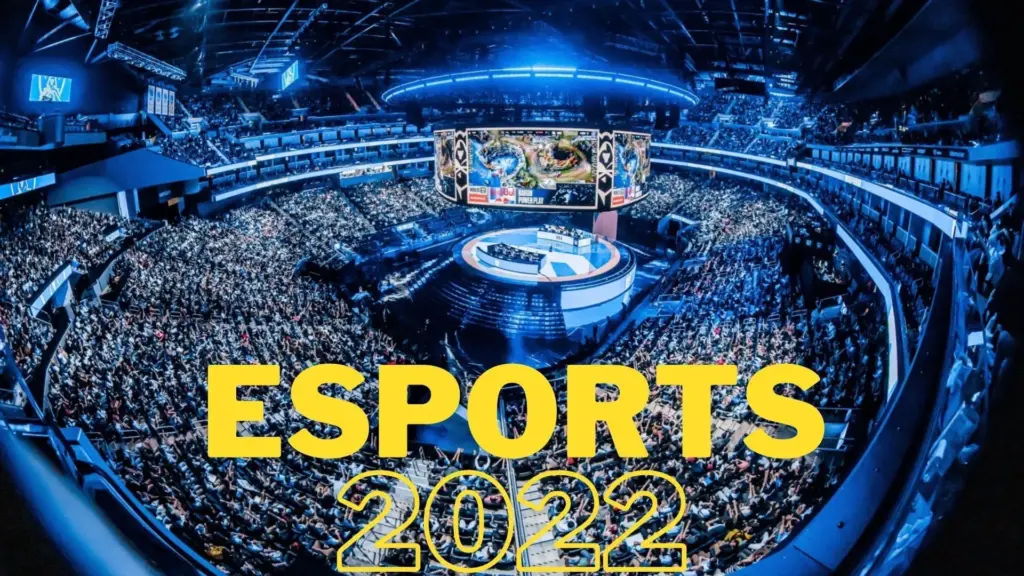
E-sports tournaments typically feature teams or individual players competing in various rounds, often culminating in a championship match. These events are organized by gaming leagues or companies and may take place online or in large arenas, gathering thousands of fans.
What role does technology play in the rise of e-sports?
Technology has been pivotal in the rise of e-sports, enabling high-speed internet connectivity, online streaming platforms like Twitch, and advancements in gaming hardware. This technology enhances gameplay experiences and allows viewers to connect with their favorite professional gamers.
How has e-sport influenced gaming culture?
E-sport has transformed gaming culture by promoting competition, teamwork, and professional pathways for gamers. It has shifted perceptions of video gaming from a casual hobby to a respected profession, leading to increased acceptance and participation in global events.
Are professional gamers considered athletes?
Yes, professional gamers are increasingly recognized as athletes because they demonstrate high levels of skill, strategy, and mental fortitude similar to traditional athletes. This recognition is supported by growing e-sports scholarships and competitive leagues.
What challenges does the e-sports industry face?
The e-sports industry faces challenges including issues of regulation, cheating, and player welfare. Ensuring fair play and protecting the rights of players are critical for maintaining the integrity and reputation of competitive gaming.
How can fans engage with e-sports events?
Fans can engage with e-sports events through live streaming on platforms like Twitch or YouTube, attending tournaments in person, and participating in online communities. These interactions enhance the overall experience and connection with competitive gaming.
What is the economic impact of the e-sports industry?
The e-sports industry is projected to surpass $1 billion in revenue, driven by sponsorships, merchandise sales, and streaming revenue. This economic growth attracts investment from major corporations and promotes the industry’s further development.
What does the future hold for e-sports?
The future of e-sports looks promising, with increasing recognition, school-level participation, and potential integration into traditional sporting events. Innovations in technologies such as virtual reality may further revolutionize the viewing experience and expand the e-sports audience.
| Aspect | Details |
|---|---|
| Historical Context | Competitive gaming originated in the 1970s and gained popularity with arcade games. The first organized tournament, Red Annihilation for ‘Quake’, occurred in 1997. |
| Significant Games | Games like ‘StarCraft’, ‘Counter-Strike’, and ‘Dota 2’, have been pivotal in the competitive scene, showcasing skills and attracting large audiences. |
| Role of Technology | Streaming platforms (Twitch, YouTube Gaming) and gaming hardware advancements have enhanced player experiences and fan engagement. |
| Cultural Shift | E-sports are now viewed as a legitimate profession, with colleges offering scholarships, and major tournaments attracting large audiences. |
| Economic Impact | The e-sports industry is projected to exceed $1 billion, driven by sponsorships, advertising, and merchandise sales. |
| Challenges | Industry challenges include regulation concerns, cheating, and player welfare. |
| Future Outlook | The future of e-sports looks promising with new technologies, increased recognition, and integration into educational programs. |
Summary
E-sport has revolutionized the world of video gaming, transforming it from a casual hobby into a competitive spectacle that captivates millions. Over recent years, the realm of e-sport has grown exponentially as technological advancements, burgeoning economic opportunities, and cultural acceptance have enriched the landscape. The historical journey of competitive gaming began in the late 20th century, evolving with significant titles and tournaments that have left a lasting impact. Looking onward, e-sport is poised for further growth and development, promising exciting new avenues for players and fans alike.

