
Listen to this article
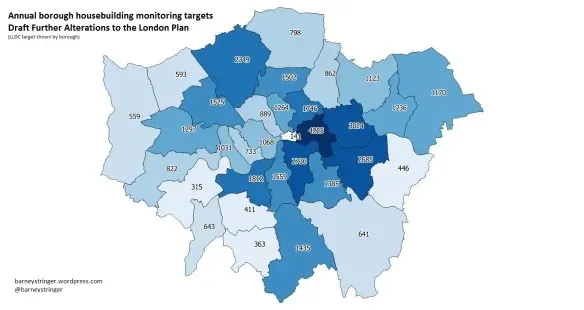
London housing targets have become a pressing issue as the city aims to construct 88,000 new homes annually over the next decade. The ambitious initiative is part of a broader effort to address the national goal of delivering 1.5 million new homes across the UK by 2029. However, the deputy mayor for housing, Tom Copley, warns that this feat may be unachievable without essential infrastructure development London. Vital projects like the extension of the Docklands Light Railway, the Bakerloo Line, and the West London Orbital are necessary to support this housing surge. Without these developments, the dream of building new homes London residents desperately need may remain just that—a dream.
The challenge of meeting housing demands in the capital is underscored by the need for substantial infrastructural enhancements. As London plans for significant residential growth, alternate strategies involving transportation improvements are crucial. Tom Copley highlights the interconnectedness of housing expansion and infrastructure projects, indicating that new transit options could significantly boost the capability to build. This necessity for infrastructure aligns with the broader goals of elevating connectivity and accessibility in London, which are essential for facilitating the accommodation of new residents. Projects like the Bakerloo Line extension and enhancements to the Docklands Light Railway are pivotal to achieving the city’s housing aspirations.
Challenges Facing London’s Housing Targets
London is grappling with severe housing shortages and has set an ambitious target of building 88,000 new homes annually over the next decade. However, industry experts urge that the meeting of these targets hinges significantly on the approval of various key infrastructure projects. Without substantial investment and development in public transport systems, the vision for new housing across the city risks falling short. Numerous candidates for infrastructure expansion have been mentioned, including the extension of the Bakerloo Line and the development of the West London Orbital.
The importance of infrastructure development in London cannot be overstated, particularly when considering that each housing unit corresponds to a demand for adequate transport services. Enhancing access through projects like the Docklands Light Railway (DLR) not only promotes residential development but also boosts the local economy, facilitating easier commuting times for residents. Consequently, the ability to create new homes within the urban space of London is directly tied to the progress of transportation expansion projects.
The Role of Rail Projects in Housing Development
Major rail projects such as the Bakerloo Line extension and the West London Orbital are crucial to realizing the potential for new homes in London. For instance, expanding the Bakerloo Line could create opportunities for developing as many as 107,000 new homes along its route to Hayes, greatly alleviating housing pressures in high-demand areas. Additionally, the West London Orbital is projected to facilitate up to 15,800 new homes, aiming towards revitalizing underdeveloped zones of the city.
Moreover, the extension of the Docklands Light Railway (DLR) offers the possibility of establishing about 30,000 new homes between Beckton Riverside and Thamesmead, thereby integrating new communities into the urban fabric of London. These expansive projects not only cater to the immediate housing requirements but also provoke comprehensive development, creating inclusive environments that benefit residents socially and economically.
Infrastructure Development and Its Impact on Housing
Infrastructure development is pivotal for sustainable urban growth, especially in a dynamic city like London. The proposed Bakerloo Line extension and infrastructure improvements, like the Docklands Light Railway, create a backbone for the housing strategies outlined in the London Plan. With the aim of building 880,000 new homes in the next decade, it becomes evident that these infrastructure initiatives are essential to facilitate effective transportation networks for new residents.
Furthermore, without such infrastructure, achieving the target of new homes becomes significantly more challenging. The inability to connect new housing developments efficiently to public transportation systems may deter potential residents from moving into previously undeveloped areas. Hence, the true potential of London’s housing plans can only be realized if these infrastructural projects receive the necessary government backing and funding.
Government Support for Housing Initiatives
Support from the government is critically needed to ensure that housing initiatives like the London housing targets can be successfully met. The Mayor of London and various housing officials have expressed the necessity of pushing forward projects like the Bakerloo Line extension and the West London Orbital. However, despite the pronounced benefits, many of these initiatives were excluded from last year’s government budget, creating uncertainty regarding their future.
This lack of government backing poses a significant challenge as the planning and implementation of new home projects are inextricably linked to transportation upgrades. Delayed approvals can stymie development timelines and create a gap between the demand for housing and its supply. Advocates for housing development are urging that the government prioritize support for these crucial rail projects to ensure that London can meet its urgent housing needs.
The London Plan and Its Implications
The London Plan serves as a crucial framework outlining the city’s housing goals, aiming for the construction of 880,000 new homes over the next ten years. However, this plan is not merely a delivery schedule; it’s a comprehensive spatial development strategy that requires significant buy-in from all sectors, especially regarding infrastructure. Without adequate planning that incorporates transportation upgrades like the DLR expansion and the Bakerloo Line, the ambitious targets set forth may simply be unachievable.
Moreover, the London Plan raises important issues about land use, particularly concerning the necessity to build on green belt lands. While such development may be controversial, it highlights the critical balance that must be struck between expanding housing availability and protecting vital green spaces. The community reaction and subsequent policy implementation will be essential in navigating these complex decisions while still striving to meet ambitious housing objectives.
Connecting New Housing to Commuter Needs
As London seeks to build new homes, connecting these developments effectively to the broader commuter network is paramount. Commuters require seamless access to transport links to enhance their quality of life, making public transport investment imperative. Expanding the Docklands Light Railway and other rail services means that housing projects can attract residents who prioritize convenience and accessibility.
Commuter-friendly housing solutions cultivate a more sustainable urban environment. For instance, having easy access to the Bakerloo Line and West London Orbital can lead to more people choosing to live in these newly developed areas, thus lessening congestion in other parts of the city. Ultimately, the success of London’s housing strategy is interlinked with its ability to develop transport infrastructure that meets the needs of future residents.
Future Prospects for London’s Housing Market
Looking ahead, the future of London’s housing market remains closely tied to the resolution of infrastructure challenges facing the city. As planning progresses for essential rail projects like the Bakerloo Line extension and Docklands Light Railway, the local housing market will respond to the resulting changes positively. Anticipated developments in these areas could lead to a demand spike for new homes, ultimately driving up property values and stimulating economic growth.
However, this optimistic outlook is contingent upon securing sufficient funding and support from the government. Without the necessary infrastructure advancements, new housing developments may struggle to attract residents, leading to stagnation in the housing market. It is crucial for all stakeholders to work collaboratively to ensure that the targets set within the London Plan do not just remain ambitious words, but lead to tangible progress and growth in London’s housing landscape.
Community Engagement in Housing Development
Engaging local communities in the planning and implementation of housing projects is vital for ensuring their success. As new developments arise, community feedback can guide efforts toward creating living spaces that accommodate the needs and preferences of future residents, subsequently enhancing quality of life. Projects such as the West London Orbital should involve input from local stakeholders to create a comprehensive approach to building and integrating new homes into existing communities.
Community involvement can also help to mitigate potential opposition against development projects, which often arise due to fears over infrastructure strain or loss of green spaces. By fostering open dialogues between developers, local authorities, and residents, future housing initiatives can be better tailored to meet the demands of the community, promoting greater acceptance and support for new housing projects throughout the city.
Economic Implications of Housing Development
The economic implications of housing development extend far beyond the construction of new homes; they touch upon job creation, local business growth, and overall economic health. With new rail projects like the DLR expansion on the horizon, the influx of residents will require a range of services that can stimulate job creation within local economies. Such developments can provide vital employment opportunities, boosting the financial resilience of the city.
Furthermore, successful housing initiatives can cultivate vibrant neighborhoods where businesses thrive, significantly contributing to London’s economy. As local communities grow, so does demand for retail, leisure, and cultural amenities. This cyclical relationship between housing development and economic growth underlines the necessity for investment in adequate infrastructure, ensuring that London not only meets its housing targets but fosters a dynamic and prosperous urban environment.
Ensuring Sustainability in Housing Development
Sustainable housing development is increasingly becoming an essential aspect of urban planning in London. As the city looks toward delivering new homes through the London Plan, integrating eco-friendly practices and resilience strategies within these plans is crucial. Initiatives such as utilizing renewable energy sources and ensuring efficient waste management can promote both environmental sustainability and the long-term viability of new developments.
Moreover, public transportation projects such as the Bakerloo Line extension influence sustainable development by reducing reliance on private vehicles. By promoting accessible public transport, these projects help create communities that are less dependent on car travel, thereby reducing carbon footprints. Sustainable practices in both housing construction and transport infrastructure are fundamental for nurturing a healthier urban environment and achieving London’s housing objectives.
Frequently Asked Questions
What are the current London housing targets for new homes?
London aims to build 88,000 new homes each year over the next decade to meet its housing targets. This effort is part of a broader aim to create 1.5 million new homes across the UK by 2029.
How will the Docklands Light Railway impact London housing targets?
The extension of the Docklands Light Railway (DLR) is expected to facilitate the construction of approximately 30,000 new homes, particularly between Beckton Riverside and Thamesmead, thereby playing a crucial role in meeting London housing targets.
Why are the Bakerloo Line extension and West London Orbital important for housing in London?
The Bakerloo Line extension and the West London Orbital are vital infrastructure projects that could enable the development of a significant number of new homes. The Bakerloo Line extension alone could lead to 107,000 new homes, supporting the ambitious London housing targets.
What challenges does London face in meeting its housing targets?
One of the main challenges London faces in meeting its housing targets includes the need for adequate infrastructure development such as the Bakerloo Line extension and the West London Orbital. Without these projects, fulfilling the target of 880,000 homes may be difficult.
Will meeting London’s housing targets involve developing on green belt land?
Yes, achieving the London housing targets may require some construction on green belt land. However, the extent and specifics of this development have not been clearly defined.
What is the role of the London Plan in achieving housing targets?
The London Plan acts as a spatial development strategy that outlines how to achieve the target of 880,000 homes over the next decade, rather than serving as a strict delivery plan.
How does infrastructure development relate to London’s housing targets?
Infrastructure development, such as the Bakerloo Line extension and the Docklands Light Railway, is critical for facilitating the construction of new homes. These developments are essential to achieving the ambitious London housing targets.
What is the current status of the Bakerloo Line extension and West London Orbital projects?
Currently, neither the Bakerloo Line extension nor the West London Orbital is included in the government’s budget, and there have been no indications of imminent approvals, despite strong support from the Mayor of London.
| Key Point | Details |
|---|---|
| London housing targets | London aims to build 88,000 new homes annually for the next decade. |
| Infrastructure importance | Two major rail projects are essential for meeting housing targets: DLR extension and Bakerloo Line extension. |
| DLR Expansion | The DLR expansion could support around 30,000 new homes. |
| Bakerloo Line and West London Orbital | These projects could lead to 107,000 and 15,800 new homes, respectively. |
| Role of government | Government support and funding are crucial, but no approvals are expected imminently. |
| Green belt concerns | Meeting targets may necessitate developing on green belt lands. |
Summary
London housing targets remain ambitious, aiming for the construction of 88,000 new homes annually over the next decade. However, the realization of this goal hinges largely on the approval and implementation of essential infrastructure projects, including the Docklands Light Railway and Bakerloo Line extensions. Without these developments, reaching the housing target could prove to be a significant challenge.