
Listen to this article
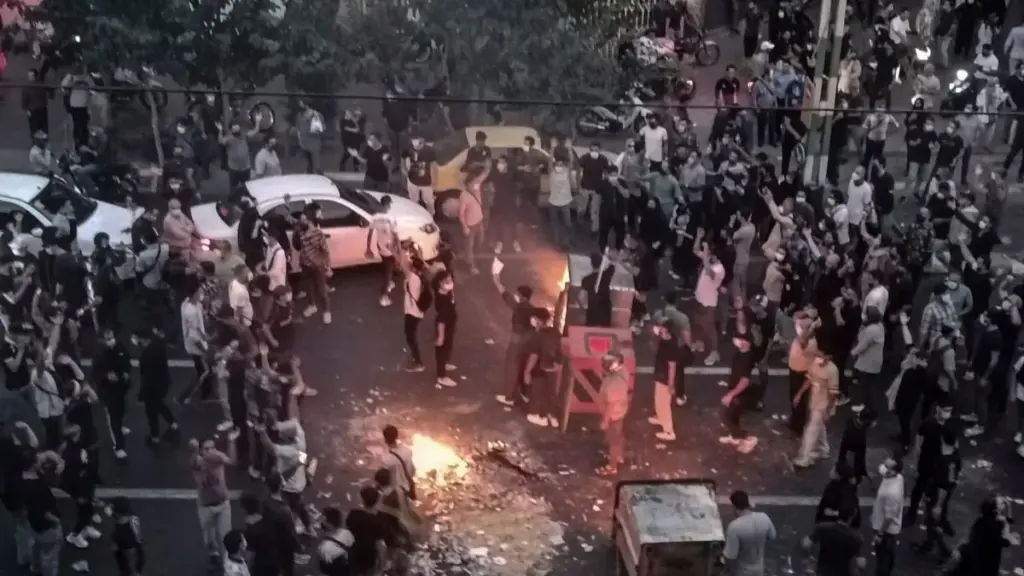
The ongoing Iran protests are capturing the world’s attention as citizens express their discontent with the clerical regime. In Tehran and across various cities like Mashhad, demonstrations have erupted, showcasing a resurgence of resistance against the Supreme Leader, Ayatollah Khamenei. The discontent is fueled not only by economic hardships, such as soaring inflation and a plummeting currency, but also by calls for political reform led by figures like Reza Pahlavi, the son of the late shah. As protests grow in scale and intensity, they highlight significant concerns regarding human rights in Iran and the demand for change. With unrest spreading to over 140 cities, these protests reflect a deep-seated desire for reform and the rejection of oppression in the face of escalating violence and arrests.
The current wave of unrest sweeping across Iran is reminiscent of historical revolutionary movements, as citizens rally for their rights and against political repression. Demonstrations in urban centers like Tehran signal a pivotal moment where the people are challenging the authority of the ruling clerics, particularly in the wake of the Ayatollah’s grip on power. Among the protestors are those urging the return of exiled figures and advocating for a democratic transition from the current regime. The rising tide of activism also underscores critical issues surrounding the economic crisis and severe human rights violations that have plagued the nation. As the situation evolves, the attention on the protesters’ pleas for liberty and justice becomes more vital than ever.
The Impact of Iran Protests on Global Politics
The Iran protests that have erupted across Tehran and various other cities signify a growing discontent among the populace against the current clerical regime. These demonstrations have drawn international attention, as they not only highlight the internal strife within Iran but also signal potential shifts in global political alliances. As cities like Mashhad see significant gatherings demanding the overthrow of Supreme Leader Ayatollah Khamenei, observers are watching closely to see how these events may influence geopolitical stability in the Middle East.
The implications of the Iran election unrest extend beyond the nation’s borders, fostering discussions on democracy and human rights in Iran. Supporters of Reza Pahlavi, the exiled son of the former shah, have rallied alongside reformists, calling for change and the establishment of a more democratic government. These protests may catalyze a re-evaluation of Western policies toward Iran, especially as concerns over human rights abuses grow louder amid reports of violence against demonstrators.
Understanding the Causes of the Tehran Protests
The sudden outbursts of protests in Tehran and other Iranian cities can primarily be attributed to longstanding economic frustrations tied to strict sanctions and mismanagement. As the Iranian rial plummets in value and inflation rates soar, citizens find themselves struggling to meet basic needs, leading to public outcry. The protests initially started as economic demonstrations but quickly transformed into political movements demanding accountability from the clerical government and calling for sweeping changes.
Compounding the issue, widespread dissatisfaction with the ruling elite, including Ayatollah Khamenei’s hardline policies, has fueled a more significant push for reform. Protesters in Mashhad and beyond are not only lamenting economic woes but are also leveraging these grievances to advocate for broader freedoms and rights. This intertwining of economic and political demands demonstrates the complexity of the unrest and emphasizes the need for a comprehensive response addressing both aspects.
The Role of Social Media in Iran’s Protests
Social media platforms play a crucial role in shaping the narrative around the Iran protests, allowing activists to share footage and updates in real-time. Videos of protesters marching and expressing their discontent with the government amass millions of views globally, creating a ripple effect that raises awareness of the situation in Iran. This digital activism is vital for mobilizing support both domestically and internationally, as supporters of Reza Pahlavi and other reformist figures utilize these platforms to organize and amplify their calls for change.
Moreover, social media acts as a double-edged sword; while it enables protestors to document their struggle for human rights in Iran, it also invites severe crackdowns from the regime. The Iranian government has been known to respond to these demonstrations with internet blackouts and restrictions on social media access, further illustrating the lengths to which authorities will go to stifle dissent. The ongoing tug-of-war between digital empowerment and censorship reflects the broader context of the protests in Iran.
Human Rights Violations Amidst the Unrest
The ongoing protests across Iran have starkly highlighted the critical issue of human rights violations within the country. Reports from organizations such as the Norway-based Iran Human Rights indicate alarming figures, with dozens of protesters, including children, allegedly killed during confrontations with security forces. This brutal crackdown on dissent not only raises ethical concerns internationally but also threatens to exacerbate the situation, further galvanizing resistance against the regime that is increasingly portrayed as oppressive and out of touch with its citizens.
As global scrutiny intensifies regarding the actions of Iranian authorities, human rights in Iran are fast becoming a focal point of international discourse. Activists and reformist leaders are urging for increased accountability and intervention as they strive to protect their fellow citizens from ongoing abuses. The rise of protest movements also serves to draw attention to the broader implications of resilience among ordinary Iranians, who continue to demand justice and freedom despite facing severe repression.
Historical Context of the Iranian Protests
To fully understand the current wave of protests in Iran, it is vital to delve into the historical context that has shaped the nation’s sociopolitical landscape. The legacy of the 1979 Iranian Revolution, which resulted in the establishment of the Islamic Republic, continues to influence the political dynamics today. Many citizens harbor nostalgia for the pre-revolution era, when the monarchy represented a different form of governance, as evidenced by the support for Reza Pahlavi among protesters.
Furthermore, the history of unrest rooted in grievances against the state, including protests over economic conditions and governance failures, sets the stage for current events. The cyclical nature of these protests highlights the persistent clash between a yearning for reform and the hardline stance of the regime. Understanding this historical backdrop is essential to making sense of why these protests have emerged with such force and how they may evolve in the future.
The Response of the Iranian Government to Protests
In reaction to the protests sweeping through Tehran and various cities, the Iranian government has resorted to classic tactics of suppression, aiming to quell dissent through a heavy-handed approach. Security forces have been deployed in significant numbers, and reports indicate that they have used lethal force against demonstrators, contributing to rising death tolls and injuries among protesters. The crackdown highlights the regime’s fear of losing control and the lengths to which it will go to maintain its grip on power.
Moreover, the government has attempted to counter the narrative of dissent through propaganda and media censorship, portraying the protesters as outsiders or instigators. This response not only misrepresents the true nature of the protests but also alienates many citizens who are merely expressing their grievances. By stifling free speech, the government only further exacerbates the underlying issues, revealing a disconnect between the ruling regime and the populace it claims to represent.
International Reactions to the Ongoing Protests
The international community’s reaction to the Iran protests has been varied, with many Western nations expressing support for the demonstrators and their calls for reform. The support for human rights in Iran has been echoed in statements from world leaders, condemning the government’s violent responses. This international backing is crucial for Iranian activists, as it underscores their struggle against an oppressive regime and promotes solidarity across borders.
Conversely, some nations have been more cautious in their responses, prioritizing diplomatic relations over vocal support for the protesters. This disparity in responses highlights the nuanced geopolitical considerations at play, as countries weigh their economic interests against advocating for democratic reforms in Iran. Such complexities continue to shape the global discourse on the protests, underscoring the intersections between diplomacy, human rights, and activism.
The Future of Democracy in Iran
The trajectory of the current protests raises vital questions about the future of democracy in Iran. As demonstrators demand greater representational rights and accountability from their leaders, the potential for political change hinges on the collective will of the people and their ability to sustain momentum in the face of sustained oppression. The support for figures like Reza Pahlavi indicates a desire for an alternative governance model that could facilitate a more democratic framework.
However, the pathway to democracy is fraught with challenges. The entrenched power structures, exemplified by the hardline stance of Ayatollah Khamenei’s regime, pose substantial obstacles to reform. Despite these challenges, the protests signal that many Iranians are unwilling to remain passive amid mounting discontent; their fight for a more democratic society reflects a broader trend seen across the region. The evolution of this struggle will be pivotal in determining the long-term prospects for democracy in Iran.
The Economic Roots of Iranian Discontent
At the heart of the Tehran protests lies a complex web of economic discontent fueling the movement. The depreciation of the rial and soaring inflation rates have ravaged the Iranian economy, pushing many citizens to the brink of desperation. Protests ignited as business owners and workers expressed their frustration over their declining standards of living, illustrating how economic pressures can drive political mobilization.
Many protesters link their economic grievances to the broader issues of corruption and mismanagement prevalent within the ruling elite. As the demonstrations expand, the emphasis on economic reform becomes intertwined with calls for political change—reflecting a demand for accountability from those in power. This unity between economic and political aspirations serves to galvanize the protests, creating a powerful narrative that challenges the status quo.
Frequently Asked Questions
What are the main causes of the Iran protests in 2023?
The Iran protests in 2023 have been primarily driven by widespread dissatisfaction with the clerical government’s economic mismanagement, corruption, and high inflation rates, which have recently soared to 40%. Public outrage was intensified by the sharp decline in the national currency, the rial, against the US dollar, prompting significant protests in Tehran and other cities.
How are the Tehran protests gaining international attention?
The Tehran protests are gaining international attention due to extensive social media coverage and verified reports from outlets like BBC Persian. Footage showing large crowds of demonstrators opposing the clerical establishment highlights the scale of unrest, drawing the focus of human rights organizations and foreign governments.
What role does Ayatollah Khamenei play in the Iran election unrest?
Ayatollah Khamenei, as the Supreme Leader of Iran, is a central figure in the governance structure, and he has faced intense criticism during the recent Iran election unrest. Protesters have called for his overthrow, reflecting broader discontent with the regime’s policies and the demand for political change.
Who are the Reza Pahlavi supporters, and what do they want?
The Reza Pahlavi supporters advocate for a return to monarchy in Iran. They are rallying alongside other anti-government groups in the current protests, calling for the reinstatement of Reza Pahlavi, the son of the last Shah of Iran, amid growing calls for democracy and human rights improvements in the country.
How has the Iranian government responded to the protests?
The Iranian government has responded to the protests with a mix of restraint and violence. While some demonstrations in cities like Tehran have remained peaceful, there have been violent clashes in other areas, resulting in fatalities among both protesters and security personnel, highlighting the tense atmosphere surrounding the Iran protests.
What impact have the protests had on human rights in Iran?
The protests have significantly impacted human rights in Iran, as reports from organizations such as Norway-based Iran Human Rights indicate a tragic toll. With at least 45 reported deaths among protesters, including children, the situation raises grave concerns about the treatment of dissent and the security forces’ response to civil unrest in the current Iran protests.
How widespread are the protests across Iran?
The Iran protests have spread to an unprecedented 140 cities and towns across all 31 provinces, indicating the widespread nature of discontent among the Iranian populace. This level of unrest, now over 12 days long, is one of the largest challenges the clerical regime has faced in years.
What sparked the protests in Iran in December 2023?
The protests in Iran were initially sparked on December 28, 2023, by shopkeepers in Tehran who expressed their anger over the plummeting value of the rial and rising living costs. This economic frustration catalyzed a broader movement against government policies, igniting widespread protests that have continued for over a week.
| Date | Location | Main Events | Demands | Casualties |
|---|---|---|---|---|
| December 28, 2023 | Tehran and Mashhad | Large crowds gather, peaceful demonstrations reported. | Overthrow of Supreme Leader Ali Khamenei, return of Reza Pahlavi. | At least 45 protesters killed, including children; 34 protesters and 7 security personnel dead. |
| Ongoing since December 28, 2023 | Spread to 140 cities across Iran | Violent clashes reported in several areas, security forces not dispersing some protests. | Economic reforms, end of corruption and government mismanagement. | Total protesters arrested: 2,270. |
Summary
The Iran protests have escalated into a significant challenge against the clerical regime, marking a historic moment of dissent as citizens from over 140 cities voice their demand for change. The unrest reflects deep-seated frustrations over economic hardships, government mismanagement, and the longing for a more representative leadership. As the protests continue to unfold, the situation remains tense, with ongoing violence and a rising death toll among both protesters and security forces.

