Listen to this article
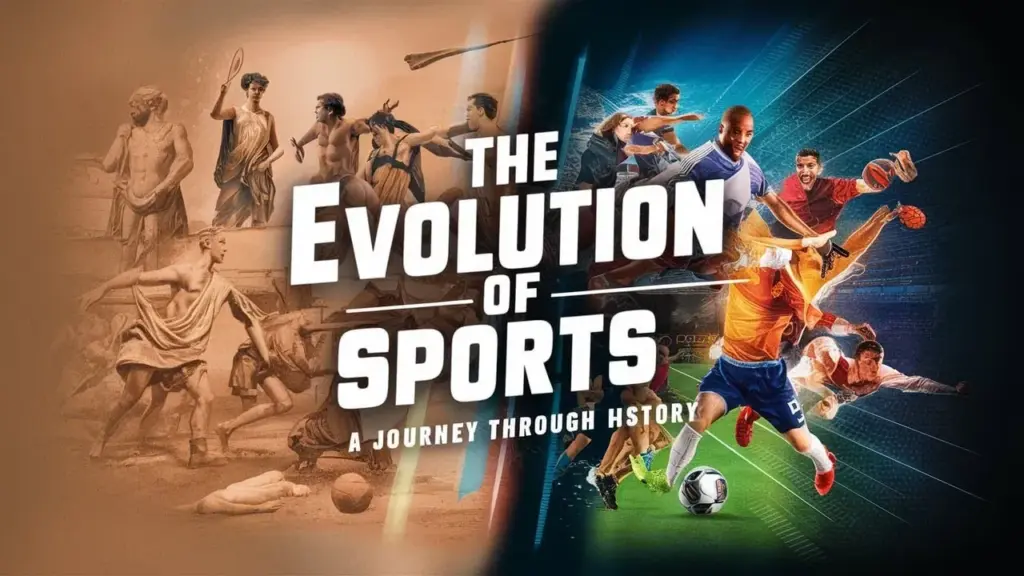
The Evolution of Sports illustrates the fascinating journey of competitive play from its ancient roots to the polished spectacles of modern competitions. Starting with ancient sports that emphasized athleticism and community, such as the Olympic Games in Greece, sports have always served as a mirror reflecting society’s values and changes. As the history of sports unfolds, we see notable transformations in the types of games played, the advent of structured leagues, and the rise of professional sports that captivate global audiences. Over centuries, sports have transitioned into a dynamic industry, heavily ingrained in global sports culture, and reshaped by technological advancements and commercialization. This exploration of sports evolution not only showcases competition but also highlights human connections and cultural significance that sports foster across the world.
The development of athletic activities, often referred to as the progression of competitive games, charts a compelling narrative through time. Initially born from basic forms of recreation and cultural rituals, these practices have matured into elaborate events celebrated worldwide. The infamous Olympic competitions stand as a hallmark of organized sport, symbolizing a blend of honor, skill, and international camaraderie. As society progressed, professional leagues emerged, elevating athletes to celebrity status and transforming recreational play into a serious business venture governed by monetary interests. This transition underscores the significance of sports as an influential facet of global culture, transcending borders and uniting diverse populations through shared passions for competition.
The Impact of Ancient Sports on Modern Competitions
Ancient sports have laid the foundational principles that define modern competitions today. The Olympic Games are perhaps the most significant example of this legacy, originating in ancient Greece to promote physical excellence and unity among city-states. These games emphasized not only athletic prowess but also moral values such as respect and fair play, principles that continue to underpin modern sporting events globally. Events like wrestling and chariot racing, while evolved, retain the competitive spirit that ignited the interest of athletes and spectators alike back then.
Beyond the Olympic Games, various ancient cultures have contributed to the evolution of sports. For instance, the combat sports practiced in ancient Rome, such as gladiatorial contests, illustrate the entertainment value and societal reflections inherent in sports. Meanwhile, sports like cuju, the ancient Chinese football, demonstrate the creative expression found in gaming that transcends time. The enduring nature of these ancient sports highlights their influence in shaping the rules, formats, and philosophies associated with contemporary athletics.
Frequently Asked Questions
What are the key milestones in the evolution of sports throughout history?
The evolution of sports can be marked by several key milestones: the initiation of the Ancient Olympic Games in 776 BC, the establishment of formalized rules in the 19th century, the global expansion of sports in the 20th century with the formation of professional leagues, and the recent technological advancement affecting how sports are played and consumed.
How did ancient sports influence modern competitions?
Ancient sports laid the groundwork for modern competitions by introducing structured events, rules, and the concept of athletic excellence, exemplified by the Ancient Olympic Games. Many of the sports practiced then, such as running and wrestling, still exist in today’s competitive sports landscape.
What role do the Olympic Games play in the evolution of sports?
The Olympic Games have played a crucial role in the evolution of sports by modernizing competitive athletics, promoting global unity, and setting a platform for athletes to showcase their abilities. The revival of the Olympics in the late 19th century significantly influenced modern sports culture.
How did the Industrial Revolution impact the history of sports?
The Industrial Revolution catalyzed the evolution of sports by urbanizing populations, leading to the establishment of organized sports clubs and associations. This period marked the transition from amateur sports to the formation of professional leagues, notably in sports like soccer and rugby.
What were the significant developments in professional sports during the 19th century?
The 19th century witnessed significant developments in professional sports, including the foundation of key sports organizations like the Football Association in 1863 and the National League in baseball in 1876, which standardized rules and nurtured the rise of organized competitions.
In what ways has sports globalization affected sports culture?
Sports globalization has expanded the reach and variety of competitive sports, fostering cross-cultural exchanges. Icons like Michael Jordan and Pelé became not only national heroes but global ambassadors, impacting global sports culture and fan engagement.
What technological changes have influenced the evolution of sports in recent years?
Technological advancements have transformed the evolution of sports by enhancing the viewing experience through high-definition broadcasting, instant replays, and data analytics, while also introducing eSports as a viable competitive platform, thereby attracting new audiences.
How have the ancient games impacted the rules of modern sports?
The influence of ancient games on modern sports is evident as many practices and competitive formats developed from events like the ancient Olympic Games directly contributed to the creation of rules and standards that govern many current sports.
What is the significance of professional sports in the evolution of sports?
Professional sports have revolutionized the evolution of sports by creating a multi-billion dollar industry, increasing media coverage, and elevating athletes to celebrity status, thereby shaping public interest and investment in various sports around the world.
How do global sports events like the Olympics evolve with societal changes?
Global sports events like the Olympics adapt to societal changes by promoting inclusivity, showcasing diverse cultures, and addressing contemporary issues such as gender equality and sportsmanship, reflecting and shaping the global sports culture.
| Era | Key Developments | Cultural Significance |
|---|---|---|
| Ancient Beginnings | Origins of organized sports such as the Olympic Games in 776 BC | Celebration of physical prowess and unity among city-states. |
| Middle Ages | Emergence of jousting, archery, and folk games among common people | Integration of sports with tradition and social class distinctions |
| 19th Century | Foundation of modern sports clubs, standardized rules like those in soccer | Sports transitioned from amateur to professional, becoming cultural phenomena |
| 20th Century | Globalization of sports and the rise of notable athlete-icons | Sports became integral to culture, with mass media amplifying their reach |
| Modern Era | Technological advancements in sports viewing and participation | Innovations change athlete engagement and raise new ethical questions |
Summary
The Evolution of Sports has been a remarkable journey marked by significant transformations from ancient games to modern competitions. Throughout history, sports have reflected societal changes and cultural significance, adapting to the contexts of different eras. From the organized Olympic Games of ancient Greece to today’s technological advances in viewing and participation, sports continue to play a vital role in connecting communities and showcasing human potential. As we look toward the future, it becomes clear that the evolution of sports will persist, shaped by innovations and the passion of athletes and fans alike.