Listen to this article
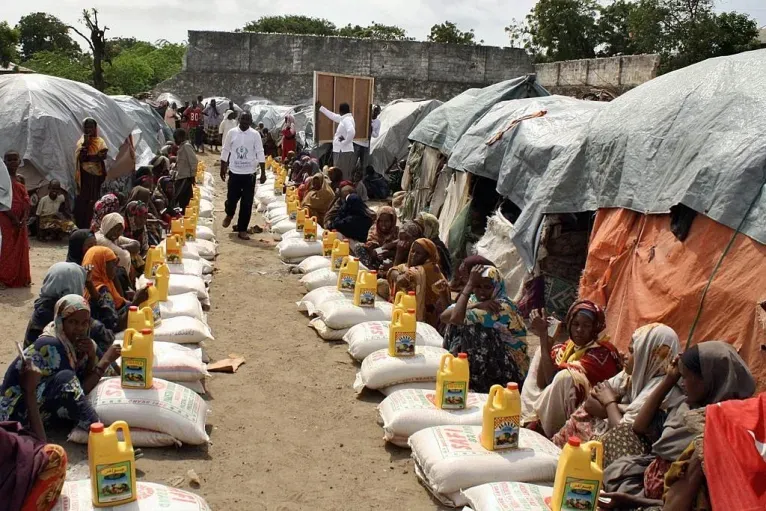
The Somalia food aid crisis has reached a boiling point as the US government announced a suspension of all assistance due to allegations of corrupt practices by Somali officials. Reports reveal that these officials destroyed a World Food Programme (WFP) warehouse and confiscated crucial donor-funded food aid, undermining efforts to combat widespread hunger issues in the country. The Trump administration has made it clear that it will maintain a zero-tolerance policy for any form of waste or theft, which directly impacts US assistance to Somalia and its ability to address these dire humanitarian needs. With approximately 4.6 million Somalis facing crisis-level hunger, the implications of the Somalia government’s actions extend far beyond its borders, jeopardizing international aid initiatives. Without accountability and significant remedial measures from the Somali government, future food aid from entities like WFP Somalia may be put in jeopardy, leaving millions without vital support.
The ongoing crisis in Somalia regarding food assistance highlights the urgent need for humanitarian intervention in a country grappling with severe malnutrition and displacement. As aid efforts are strained by allegations of corruption among local authorities, the focus on policies affecting international support grows increasingly critical. The situation is exacerbated by the prevailing unrest and environmental challenges, which threaten the livelihoods and food security of many communities. With significant aid from global partners, including the WFP and US funding, the stakes for the Somali population have never been higher, yet the disruption caused by government actions raises alarming questions about the future of aid delivery. Addressing these hunger issues calls for transparency and accountability to ensure that essential resources reach those who desperately need them.
The Impact of the Suspension of US Assistance on Somalia
The abrupt suspension of US assistance to Somalia has sent shockwaves throughout the nation, where millions rely heavily on international aid for survival. As the US halts support in response to the Somali government’s alleged misappropriation of food aid, many vulnerable communities are at risk of suffering severe food insecurity. This action by the Trump administration underscores a zero-tolerance policy regarding corruption and mismanagement of aid, which is especially critical in a region grappling with dire humanitarian crises.
In the past, US assistance has played a pivotal role in alleviating hunger issues in Somalia. The withdrawal of support not only jeopardizes immediate food security but also hampers long-term recovery efforts. The World Food Programme (WFP) relies on US funding to implement vital aid initiatives that address emergencies arising from droughts, floods, and an ongoing conflict. Without this financial support, the number of people facing crisis-level hunger is likely to increase significantly, creating a ripple effect of suffering across communities.
The Role of WFP in Addressing Hunger Issues in Somalia
The World Food Programme (WFP) has been at the forefront of efforts to combat hunger issues in Somalia, distributing essential food aid to millions in need. With over 4.6 million people facing hunger, the need for efficient and transparent aid delivery is more critical than ever. However, recent events, including the alleged seizure of food stocks by government officials, have raised alarms about the integrity of aid distribution. The WFP’s missions are under threat as this incident has cast a shadow over its operations, raising concerns about the capability of the Somali government to protect vital food resources.
Moreover, WFP has demonstrated its commitment to meeting the needs of those affected by challenges such as high food prices and ongoing instability. The agency has employed innovative strategies to ensure aid reaches the most vulnerable, including food-for-work programs that engage communities in recovery efforts. As the US continues to reconsider its policies regarding assistance to Somalia, the WFP’s role becomes even more crucial in maintaining a stabilizing presence amidst the chaotic backdrop of ongoing hunger crises.
The Consequences of the Trump Administration’s Policy on Somalia
The Trump administration’s policies have significantly impacted the dynamics of US-Somalia relations, particularly in the realm of humanitarian assistance. The decision to suspend aid reflects a stringent stance against corruption and is positioned as a necessary measure to ensure that donor funds are utilized properly. This policy, however, may backfire by exacerbating the situation on the ground, where millions depend on such support for everyday survival. The prospect of future assistance now hinges on the Somali government taking accountability and rectifying the alleged abuses.
Furthermore, Trump’s contentious remarks regarding Somali immigrants in the United States have added a layer of tension between the two nations. His criticisms not only resonate with certain domestic audiences but have also fueled negative perceptions in Somalia. The government’s struggle to effectively respond to humanitarian crises while simultaneously addressing political and security concerns complicates the relationship further. A collaborative approach focusing on accountability could pave the way for renewed assistance, positively impacting the overall humanitarian situation in Somalia.
Somalia’s Response to Allegations of Mismanaged Aid
The Somali government has been put under immense pressure following allegations of mismanagement of donor-funded food aid. Reports indicating the illegal seizure of food meant for vulnerable civilians have raised serious questions about governance and oversight within the Somali administration. As communities suffer from staggering hunger levels, the government’s response—or lack thereof—could shape the country’s future relations with international partners, particularly the United States. Addressing these allegations promptly and transparently is critical for rebuilding trust with donors.
As Somalia battles against the backdrop of long-standing issues such as civil unrest and environmental challenges, internal accountability becomes paramount. The government’s ability to address these concerns will significantly influence its standing with organizations like the WFP, which play a crucial role in providing necessary aid. By demonstrating a commitment to rectifying the situation, Somalia could not only safeguard future assistance but also empower communities to enhance their resilience against inevitable crises.
Understanding the Humanitarian Context in Somalia
Somalia’s longstanding humanitarian crisis has been exacerbated by numerous factors, including ongoing conflict, political instability, and recurring natural disasters such as droughts and floods. Communities already vulnerable to hunger now face heightened risks due to the documented mismanagement and theft of aid. Understanding the context in which these humanitarian issues arise is vital for international actors such as the United States and the WFP, which strive to help the population not only survive but also thrive despite these persistent challenges.
Additionally, as the Trump administration reevaluates its foreign assistance strategies, the humanitarian context in Somalia cannot be overlooked. Historically, US assistance has been critical in supporting recovery and resilience efforts. A nuanced understanding of the interplay between local governance, international aid, and humanitarian needs will be essential for forming effective policies that prioritize the welfare of Somalis while promoting accountability in aid administration.
The Future of Food Aid and Recovery in Somalia
Looking ahead, the future of food aid in Somalia hangs in the balance as political and humanitarian needs collide with international expectations of accountability. The United States’ decision to suspend assistance signals a critical juncture that could redefine the landscape of aid in Somalia. As the Somali government works to regain the trust of its international partners, the need for effective recovery strategies that prioritize the well-being of the population will be paramount.
To ensure sustainability in aid efforts, it is crucial for the Somali government to implement mechanisms that enhance transparency and accountability. Strengthening local institutions and fostering community engagement can help bridge the gap between aid and the actual needs on the ground. Moreover, the role of the WFP and similar organizations will remain vital in providing crucial support during this transitional period, helping families mitigate the impacts of hunger and begin the journey toward recovery.
Challenges Faced by Somali Communities Amidst Food Aid Issues
Somali communities face numerous challenges amidst ongoing food aid crises, further intensified by the recent controversy surrounding the alleged misappropriation of food assistance. With 4.6 million people grappling with hunger, the interruption in aid distribution poses a mounting threat to public health and stability. Compounding factors such as high food prices and insecurity related to ongoing conflicts have left many individuals vulnerable and in desperate need of support, making it essential for local and international actors to address these issues effectively.
Moreover, the adverse effects of limited food resources have led to increased displacement and tension within communities, as families struggle to feed their loved ones. The lack of timely responses from both the Somali government and international partners can exacerbate the humanitarian crisis. A concerted effort from all stakeholders, including the US under its governance policies, must focus on restoring aid channels responsibly while simultaneously empowering communities to address their needs more autonomously.
The Significance of International Aid in Somalia’s Recovery
International aid plays a crucial role in Somalia’s recovery journey, as the nation continues to rebuild after years of conflict and instability. Organizations like the WFP have been instrumental in delivering much-needed food assistance and resources designed to alleviate hunger and support development efforts. However, the recent suspension of US assistance highlights the complex relationship between international support and local governance. This dynamic significantly impacts the effectiveness of aid initiatives aimed at improving the lives of millions.
Rebuilding trust with international partners is essential for the Somali government’s recovery efforts. By prioritizing transparency and accountability, Somalia can work towards ensuring that aid reaches those in dire need while also fostering sustainable development. As US policies evolve under different administrations, it becomes imperative for Somalia to engage in proactive dialogue to secure ongoing support, which is critical for addressing ongoing humanitarian issues and promoting long-term stability.
Lessons Learned from the Somalia Food Aid Crisis
The crisis surrounding the mismanagement of food aid in Somalia serves as a stark reminder of the importance of accountability in humanitarian assistance. Effective governance and oversight are paramount in ensuring that aid reaches the most vulnerable populations without diversion or misuse. The challenges faced by the Somali government in managing aid effectively have broader implications, not only for the nation’s political stability but also for the well-being of its citizens who depend heavily on external support.
Furthermore, the situation highlights the necessity for international organizations to foster close cooperation with local authorities, establishing systems that can withstand scrutiny and prevent corruption. As Somalia navigates through this tumultuous phase, it is essential for global partners to learn from these challenges and develop strategies that not only provide immediate relief but also enhance resilience against future crises. Building a collaborative framework can empower communities, promote accountability, and ultimately lead to a more prosperous Somalia.
Frequently Asked Questions
What is the current status of US assistance to Somalia in light of the food aid crisis?
The US has suspended all assistance to the government of Somalia due to allegations that officials destroyed a UN World Food Programme (WFP) warehouse and seized donor-funded food aid. The State Department emphasized a zero-tolerance policy for waste and theft of life-saving assistance, making future support contingent on accountability from the Somali government.
How is the Trump administration’s policy affecting WFP Somalia aid?
The Trump administration’s policy has significantly impacted WFP Somalia aid, as it has withdrawn support following reports of food aid confiscation by Somali officials. The US remains the largest donor to the WFP, providing substantial funding, but future contributions will depend on the Somali government’s actions regarding the allegations of misappropriation.
What are the ongoing hunger issues in Somalia related to the food aid crisis?
Somalia is currently facing profound hunger issues, with 4.6 million people experiencing crisis-level hunger due to factors such as drought, conflict, and high food prices. The US suspension of assistance exacerbates the Somalia food aid crisis, leaving many vulnerable populations without critical support.
What actions is the Somali government taking regarding the allegations of food aid theft?
As of now, the Somali government has not publicly responded to the allegations regarding the theft of UN food aid. The US has stated that future assistance hinges on Somalia’s accountability for these actions and the implementation of appropriate measures to rectify the situation.
How will the Somalia food aid crisis influence the US-Somalia relationship?
The food aid crisis is straining US-Somalia relations, particularly after the US suspension of assistance due to allegations of misconduct by Somali officials. This incident reflects deteriorating diplomatic ties and may affect future cooperation between the two countries, especially concerning humanitarian aid and security collaborations.
What role does the World Food Programme (WFP) play in addressing Somalia’s hunger issues?
The WFP plays a crucial role in combatting hunger issues in Somalia by providing essential food aid and resources to vulnerable populations facing drought, conflict, and high prices. Recent allegations of aid theft highlight the challenges faced by organizations like the WFP in delivering assistance effectively amidst the Somalia food aid crisis.
Why is the US government’s support for Somalia food aid critical at this time?
US government support for Somalia food aid is critical due to the urgent humanitarian needs stemming from ongoing crises including conflict, climate challenges, and economic instability. With millions facing hunger, continued US assistance through agencies like the WFP can provide essential relief and help stabilize the region.
| Key Point | Details |
|---|---|
| US Aid Suspension | The US has suspended all assistance to Somalia due to claims of food aid theft and destruction. |
| Allegations Against Somali Officials | Reports surfaced claiming Somali officials illegally seized 76 tons of food designated for vulnerable communities. |
| Impact on Vulnerable Populations | 4.6 million people in Somalia are facing crisis-level hunger as a consequence of the food aid crisis. |
| US Funding to WFP | The US remains the largest contributor to the WFP, providing $2 billion in 2025. |
| Political Relations | The crisis highlights deteriorating relations between the US and the Somali government amidst broader political tensions. |
Summary
The Somalia food aid crisis has escalated with the US suspension of assistance following allegations of food theft by Somali officials. This situation underscores the dire humanitarian conditions where millions face extreme hunger, further complicated by political tensions and the ongoing struggle against militant groups. As the Somali government grapples with these challenges, securing international aid becomes crucial to alleviating the suffering of its vulnerable population.