Listen to this article
In a rapidly changing geopolitical landscape, UK-US relations are experiencing a dynamic interplay of collaboration and skepticism. Recent talks between Donald Trump and Sir Keir Starmer highlight this intricate dance, particularly in the wake of the US’s aggressive actions overseas, including the contentious ship seizure operation in the North Atlantic. While the UK displays pride in its defense support for the US, especially through the Marinera operation, there is underlying caution regarding Washington’s motivations—especially concerning international law and activities in Venezuela. As the British government grapples with balancing its support for American initiatives against the backdrop of regional conflicts, the conversations around military aid and strategic alliances are more critical than ever. The complexities of this alliance are underscored by the historical ties and shared interests that continue to define UK-US relations in this unpredictable era.
The partnership between the United Kingdom and the United States, often referred to as the Anglophone alliance, faces a new set of challenges amidst a backdrop of international tensions. Recent dialogues between leading political figures such as Donald Trump and UK opposition leader Sir Keir Starmer emphasize the delicate balance of camaraderie and caution that characterizes this relationship today. As the UK navigates its role in global conflicts and defends international law through operations like the seizure of the Marinera ship, the implications for defense policy and support are coming under renewed scrutiny. This evolving narrative not only reflects on military cooperation but also brings to the forefront deliberations on how best to manage alliances in an era marked by unpredictability. As events unfold, the foundations of UK-US relations remain tested yet resilient against the complexities of global governance.
The Impact of Trump and Starmer Talks on UK-US Relations
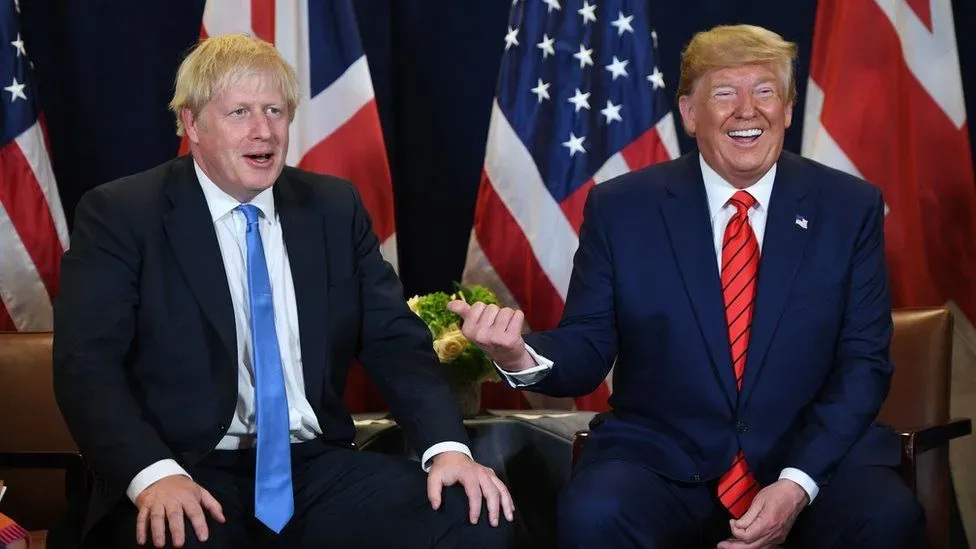
The recent phone conversation between Donald Trump and Sir Keir Starmer encapsulates a pivotal moment in UK-US relations, especially in light of the recent overseas actions initiated by the US. As political leaders from both sides engage in dialogue, it reveals the complexities of navigating foreign policy amid significant global challenges. The discussions touched on various issues, from America’s outreach toward Greenland to the strategic necessity of a united front concerning geopolitical adversaries. Such interactions signal the intention of both governments to collaborate, yet they also highlight existing divisions on specific foreign policy maneuvers.
Moreover, these talks come at a time when UK defence support is under scrutiny. As the UK grapples with its position within a shifting international landscape, Starmer’s careful approach to the intricacies of US operations—like the ship seizure in the North Atlantic—reflect a desire to ensure that the UK remains aligned with its ally without compromising its own values or legal frameworks. The ongoing dialogues may serve to foster a stronger partnership, but they also necessitate transparency and accountability in addressing disputes that may arise from unilateral actions taken by the US.
The Significance of the Marinera Operation
The successful seizing of the Marinera highlights a critical operation in the ongoing fight against global threats posed by states like Iran and Russia. The UK’s involvement, particularly its logistical support for the operation, illustrates the lengths to which the government is willing to go to secure international law compliance and ensure safety in the North Atlantic. By participating in this action, the UK not only showcased military capability but also reaffirmed its commitment to being an active player in international cooperation against piracy, smuggling, and terrorism.
Defence Secretary John Healey’s comments emphasizing the Marinera’s role in financing Russian military efforts showcase the broader implications of such operations. The UK’s backing for American-led missions not only strengthens bilateral relations but also fortifies collective security efforts against nations that pose a direct threat to both the UK and global stability. Additionally, the operation serves as a tangible example of how UK defence policy aligns with international law—a crucial aspect that must be consistently acknowledged in discussions surrounding military interventions.
Legal and Ethical Considerations in Military Operations
The legal framework surrounding international military operations raises fundamental questions about sovereignty, legality, and ethical responsibility. Healey’s assertion that the UK’s support for the Marinera operation aligns with international law is crucial in mitigating perceptions of imperialism or unwarranted interference in the affairs of other nations. Such steps must be grounded in solid legal justifications to maintain credibility on the international stage, particularly as the UK collaborates with the US.
Furthermore, the dialogue surrounding international law contradicts with ongoing debates within the UK Parliament regarding the legitimacy of military engagements abroad. As political leaders and MPs deliberate on the implications of troop deployments and military assistance to Ukraine, it becomes increasingly critical to evaluate the legal frameworks that guide such decisions. Clarity and transparency regarding the adherence to international law will not only bolster public support but also foster a sense of collective responsibility among international allies.
Navigating the Geopolitical Landscape
The current geopolitical landscape is marked by uncertainty, with nations reassessing their positions amidst rising tensions. The UK’s partnership with the US and strategic operations like the Marinera seizure depict a willingness to confront geopolitical challenges head-on. However, the varying responses to American actions—such as the skepticism regarding the Greenland initiative—underscore the delicate balance the UK must strike to maintain sovereignty while participating in global collaborations.
As the UK contemplates its post-Brexit identity on the world stage, decisions regarding alliances and defence strategies become increasingly pivotal. Striking partnerships that enhance the UK’s security while simultaneously considering regional sentiments forms a crucial part of crafting a coherent foreign policy. In the coming months, how the UK manages its relationship with the US against the backdrop of unpredictable global scenarios will define not only the future of UK-US relations but also the broader dynamics of international diplomacy.
Defence Strategies in an Evolving Landscape
The evolving landscape of international security necessitates adaptive defence strategies that are responsive to emerging threats. As evidenced by the UK’s recent military support, strategies must incorporate collaboration with allies while respecting the nuances of international law. The discussions surrounding the UK’s potential deployment of troops to Ukraine reveal the complexity of these strategies, emphasizing the need for a comprehensive plan that can effectively address various situations without overextending military commitments.
Informed debate within the House of Commons signifies the British public’s vested interest in the government’s defence strategies. Questions regarding the number of troops, duration, and mission objectives become central to ensuring that military aid aligns with national priorities. The government must assure that any military actions reflect not only tactical aims but also ethical considerations, fostering a narrative of responsibility and transparency amidst an environment characterized by heightened global tensions.
The Broader Implications of Military Aid
Military aid extends beyond mere provision of resources; it embodies a firm commitment to international solidarity in the face of aggression. The UK’s support of Ukraine and alliance with the US is indicative of a shared responsibility towards safeguarding democratic values globally. The implications of delivering military aid now shape public perception, raising questions about the implications of the UK’s involvement in global conflicts and its moral obligation to assist freedom-loving nations.
As the UK continues to play a pivotal role on the international stage, the ramifications of military assistance must resonate across both domestic and foreign policy. The sentiments expressed in the Commons during debates illustrate varying opinions about the level of UK military involvement in international conflicts. Achieving a consensus on military aid expenditures can enhance the UK’s credibility as a defender of peace while ensuring that its actions reflect collective ethical standards.
Challenges in International Partnerships
Engaging with international partners necessitates navigating a maze of diplomatic sensitivities, particularly when the actions of one nation may be perceived unfavorably by another. The UK’s involvement in the Marinera operation entails a concerted effort to align its actions with both US objectives and its European allies’ perspectives. Balancing these relationships while promoting a coherent and unified response to global crises proves challenging yet essential for long-term stability.
In the wake of increased tensions in global politics, the UK must remain vigilant in strengthening its partnerships while promoting dialogue and understanding amongst allies. Challenges arise when differing opinions on military strategies emerge, as seen in the skepticism regarding US interests in Greenland and Venezuela. It is crucial for the UK to lead by example, advocating for diplomatic solutions that prioritize peaceful resolutions before deeper military commitments.
The Role of International Law in Military Engagements
International law plays a foundational role in shaping military engagements, ensuring that actions taken by states adhere to established norms and ethical standards. The principle of sovereignty, for instance, necessitates that nations approach military operations with diligence, respecting the rights and territories of others. As evidenced by the UK’s justification for supporting the seizure of the Marinera, adherence to international law protects states from accusations of aggression while reinforcing their legitimacy on the world stage.
The ongoing debates surrounding international law’s applicability in military operations underscore the necessity for continuous dialogue and interpretation among nations. As the landscape of international conflict evolves, so too must the frameworks dictating acceptable military conduct. The UK’s commitment to uphold international law while engaging in military activities aids in crafting a narrative of accountability, crucial for maintaining trust among allies and fostering peaceful international relations.
Future of UK Defence and Security Posture
The future of the UK’s defence and security posture hinges on its ability to adapt to an increasingly complex global environment. With the ever-present threats posed by adversarial states, the UK must ensure that its military strategies align not only with current demands but also with long-term geopolitical ambitions. This coherence will define how the UK positions itself amid ongoing challenges such as the dependency on NATO alliances, the need for investment in defence technologies, and the imperative for robust counter-terrorism strategies.
Furthermore, as the UK prepares for potential shifts in its foreign policy following developments like the Trump and Starmer talks, it is essential to remain proactive in shaping a narrative that reflects a strong defence posture. Engaging with international partners to address shared threats will play a vital role in defining the UK’s security strategy for years to come. A concerted focus on innovation, strategic preparedness, and collaboration can ensure that the UK remains a formidable presence in global affairs.
Frequently Asked Questions
What recent developments have impacted UK-US relations regarding the Trump and Starmer talks?
The UK-US relations have been notably impacted by the recent talks between Donald Trump and Sir Keir Starmer, where they discussed various pressing issues, including the ship seizure in the North Atlantic, skepticism about American intentions in Greenland, and the UK’s stance on US actions in Venezuela.
How does the Marinera operation reflect the UK’s defence support for the US?
The Marinera operation illustrates the UK’s defence support for the US by showcasing Britain’s active involvement in seizing a Russian-flagged ship that was allegedly aiding Iran and Russia. This action was taken under international law and was part of the UK’s commitment to combat threats to global security.
What was the significance of the UK’s support in the Marinera operation in the context of international law?
The UK’s support in the Marinera operation highlights its adherence to international law, as the ship was linked to violations of sanctions imposed on Iran. Defence Secretary John Healey emphasized that the operation not only demonstrated military cooperation with the US but also served as a legal effort to disrupt financing for activities that threaten global peace.
Why is the ship seizure, such as in the Marinera operation, crucial for UK-US relations?
The ship seizure, like the recent Marinera operation, is crucial for UK-US relations as it underlines the strategic partnership between the two nations in addressing common threats. It reflects collaborative efforts to combat illicit financing that supports adversaries and reinforces the UK’s role in global security initiatives.
What are the implications of the UK’s defence support for the US in the context of the crisis in Ukraine?
The UK’s defence support for the US, particularly through operations like the Marinera seizure, has significant implications for the crisis in Ukraine. It underscores a commitment to deterring Russian aggression and reinforces the UK’s pledge to support Ukraine amidst ongoing tensions, thereby solidifying the UK-US alliance in confronting mutual threats.
How does the UK’s military aid promise relate to its current relationship with the US?
The UK’s military aid promise enhances its current relationship with the US by reaffirming a joint commitment to international security. As the UK prepares for potential troop deployments following discussions with the US, it illustrates a strengthened alliance and collaborative approach to addressing global conflicts, including those involving Russia and its allies.
What role does international law play in UK-US relations concerning military operations?
International law plays a vital role in UK-US relations concerning military operations, as both countries strive to operate within legal frameworks during joint actions like the Marinera ship seizure. Following international law not only legitimizes their activities but also enhances their credibility on the global stage when addressing violations by adversarial nations.
What challenges does the UK face in maintaining robust UK-US relations amid rising international tensions?
The UK faces several challenges in maintaining robust UK-US relations amidst rising international tensions, including balancing its responses to US foreign policy actions, navigating public and political skepticism regarding military interventions, and ensuring compliance with international law while actively confronting threats from adversarial nations like Russia and Iran.
| Key Points | Description |
|---|---|
| Public Skepticism | UK’s and European allies express concerns about US intentions regarding Greenland. |
| Cautious Approach on Venezuela | UK Prime Minister supports removal of Maduro but avoids discussing the legality of US actions. |
| Support for Seizing Ship | The UK assisted the US in the operation to seize the Marinera, linked to Russia, Iran, and Venezuela. |
| Defence Secretary’s Remarks | UK justifies its support under international law due to sanctions violations linked to financing terror. |
| Future Military Aid | Questions arise in Parliament regarding the deployment of British troops in support of Ukraine. |
Summary
UK-US relations have become notably complex amidst recent geopolitical events, particularly with the ongoing dialogues between leaders like Donald Trump and Sir Keir Starmer. The situation highlights a blend of skepticism, cautious diplomatic engagement, and collaborative military support, painting a picture of an evolving partnership that must navigate both historical alliances and modern global challenges.