
Listen to this article
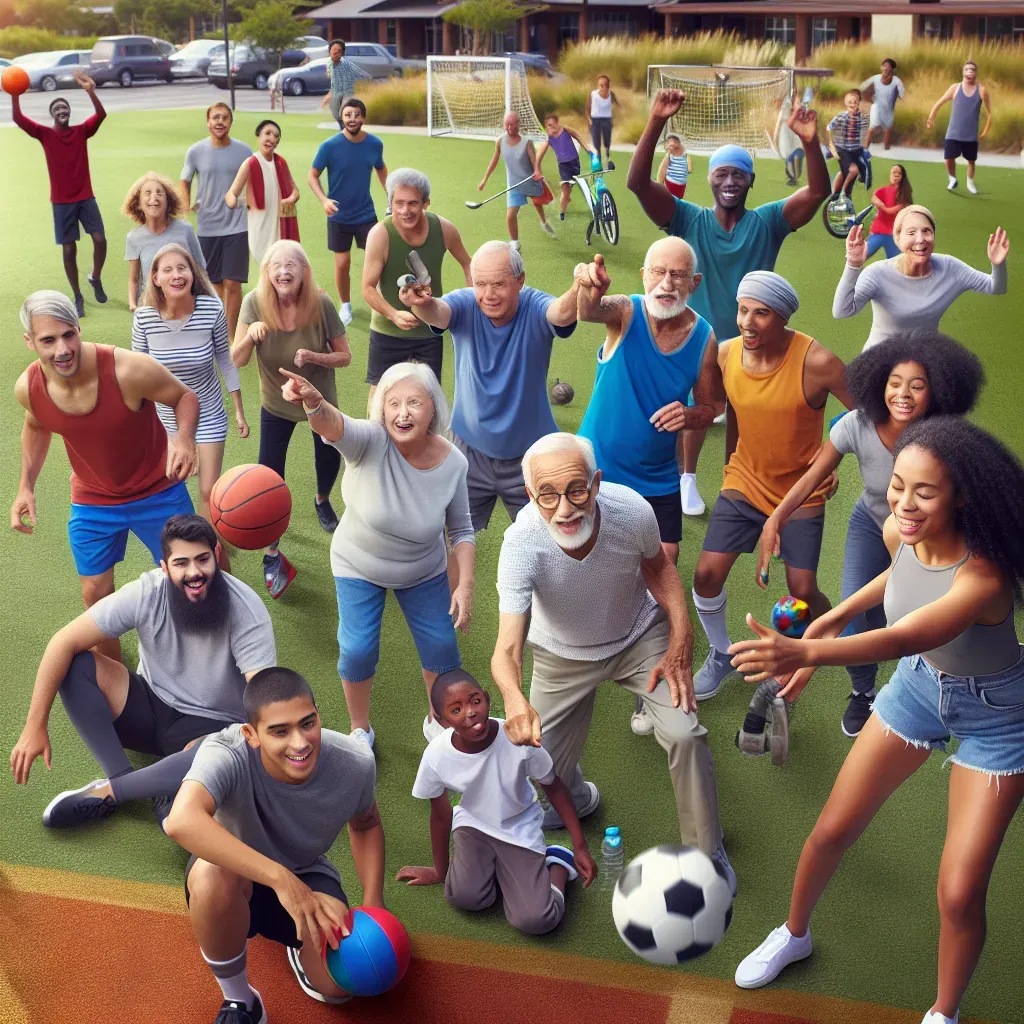
Sport and community go hand in hand as powerful forces that foster meaningful connections among individuals. In today’s fast-paced digital age, engaging in physical activities like team play can create strong bonds within neighborhoods, reaching across cultural and demographic divides. By participating in local youth sports or recreational leagues, people not only enhance their physical health but also cultivate a sense of belonging and shared purpose. Community engagement through sports sparks social change by promoting healthy lifestyles while inspiring volunteerism among citizens who come together to support their teams and each other. As we delve deeper into the symbiotic relationship between sport and community, we will uncover the numerous benefits that arise from this dynamic partnership.
Physical activities and social gatherings undoubtedly serve as a bridge connecting individuals within local groups. The synergy found in team sports enhances social cohesion, as members collaboratively work towards their objectives while nurturing friendships. By investing time in youth sports initiatives, communities equip their younger generations with essential skills in teamwork and cooperation, pivotal for their future interactions. These collective experiences instill values that encourage volunteer efforts and promote active citizenship, ultimately leading to vibrant and healthy neighborhoods. Through this exploration of the interplay between athletic endeavors and social networks, we will illuminate how collective participation can drive community vitality and well-being.
The Power of Team Play in Strengthening Bonds
Team play acts as a powerful vehicle for building relationships that transcend individual differences. When individuals come together in a sporting environment, they engage in collaborative efforts geared toward achieving a common goal. This collective quest helps to ignite a sense of belonging and mutual dependency, which are essential in fostering profound social connections. As teammates learn to anticipate each other’s movements and reactions, they cultivate a bond built on trust, loyalty, and teamwork, which can lead to long-lasting friendships beyond the field.
Furthermore, the process of working through successes and failures in a team creates shared memories and experiences that bind athletes together. Celebrating a hard-fought victory or learning from a narrow defeat often serves as the bedrock of shared stories and inside jokes. This camaraderie extends into the community as well, as teammates often become each other’s strongest advocates in various life endeavors. Thus, team play acts not only as a means for sporting achievement but as a foundation for lifelong relationships.
Youth Sports: Nurturing Future Leaders
Youth sports programs lay the groundwork for young individuals to develop essential life skills that transcend sports. Through engagement in team play, children learn the fundamentals of collaboration, communication, and leadership. These foundational experiences are critical in shaping them into responsible adults who can contribute positively to their communities. Additionally, participating in organized sports helps children cultivate resilience and perseverance, as they face various challenges both on and off the field.
Moreover, youth sports provide an invaluable platform for social interaction. Children from diverse backgrounds come together, learning to appreciate differences while working toward the same objective. This exposure to diversity facilitates the development of empathy and understanding, which are crucial qualities in today’s interconnected world. Moreover, the lessons learned during youth sports often inspire lifelong engagement in community service and volunteerism, as these young athletes acknowledge the impact they can have in nurturing their own neighborhoods.
Community Engagement Through Sports Events
Sports events play a crucial role in bringing communities together, fostering a sense of unity and camaraderie. Local games and tournaments encourage residents to come out and support their teams, creating an atmosphere of festive celebration. This communal spirit boosts morale and enhances community identity, as everyone rallies around a shared passion for local athletes. Participating in such events not only supports the athletes but also strengthens social networks, allowing individuals to forge connections in a fun and engaging context.
Additionally, community engagement is amplified through volunteer opportunities that arise during sports events. Individuals often step forward to assist with managing games, coaching, or providing refreshments, effectively becoming active contributors to their community. This hands-on involvement fosters stronger ties with fellow volunteers and promotes a sense of ownership over community activities. As communities engage in such collaborative efforts, the bonds formed can lead to increased civic participation and a robust culture of volunteerism.
Promoting Healthy Lifestyles Through Team Sports
Engaging in team sports has proven to be an effective way to promote healthy lifestyles within communities. Regular physical activity is vital for maintaining both physical and mental health, and team sports provide a motivating environment to encourage ongoing participation. Athletes often inspire one another to stay active, creating a culture of support that emphasizes fitness and well-being. As community members witness the health benefits of physical activity among their peers, they are more likely to take part in similar initiatives, leading to an overall healthier population.
Moreover, team sports often integrate nutritional education and fitness programs designed to complement the athletic experience. Through workshops and initiatives associated with youth sports programs, participants learn not only how to perform physically but also how to care for their bodies holistically. This dual approach to health encompasses dietary choices, mental well-being, and regular exercise, establishing a foundation for sustainable healthy living within the community at large.
Sports as a Catalyst for Social Change
Sports have long been recognized as a transformative platform for advocating social change. Many organizations leverage the power of athletics to challenge societal norms and promote inclusivity. Initiatives that address gender equality, youth empowerment, and other social issues encourage individuals to examine their roles within society. As communities engage with these social justice goals through sports, they foster an environment that nurtures understanding and acceptance, empowering marginalized individuals to find their voice.
Furthermore, sports as a vehicle for social change can unite diverse groups in pursuit of common objectives. Community programs that address critical issues, such as discrimination or economic disparities, utilize team play to draw attention and facilitate discussions. By engaging individuals in constructive dialogues, sports can dismantle prejudices and establish pathways for mutual respect. Each game, practice, or community event becomes not only an opportunity for athletic performance but also a chance to champion broader social ideals.
Volunteerism in Sports: Strengthening Community Bonds
The significance of volunteerism in the sports arena cannot be overstated, as it plays a vital role in reinforcing community ties. Volunteers are the backbone of local sporting events, providing essential support that allows teams to function and grow. Coaches, organizers, and event managers contribute their time and skills, fostering an environment where communities gather to share in the excitement of sports. This collective effort cultivates a sense of belonging and interconnectedness, where individuals work side-by-side for a shared goal.
Moreover, volunteering in sports enhances personal satisfaction and purpose. Those who engage in volunteerism often report feelings of fulfillment derived from creating opportunities for young athletes and spectators alike. Such experiences serve to deepen respect and appreciation among community members, building a network of trust and collaboration. As a result, volunteerism in sports becomes a powerful tool for bolstering community engagement and promoting lasting friendships among participants.
Sportsmanship: A Cornerstone of Community Values
The principles of sportsmanship embody virtues such as fairness, respect, and integrity, which are fundamental to community values. When athletes participate in team sports, they learn to navigate victories and defeats gracefully, instilling a sense of camaraderie that transcends the competitive aspect of the game. Upholding sportsmanship fosters an environment that values teamwork and collaboration, essential traits that enhance social cohesion and contribute to a positive community spirit.
Additionally, modeling good sportsmanship helps to build trust among community members. Athletes who demonstrate respect for opponents, officials, and teammates inspire others to adopt similar attitudes, creating a ripple effect that strengthens community values. Communities that prioritize sportsmanship cultivate an inclusive atmosphere where individuals feel valued and respected, fostering engagement that benefits all members.
The Role of Coaches in Community Development
Coaches play a pivotal role in community development through their influence on young athletes. Beyond training skills and techniques, coaches serve as mentors who instill important life lessons in their players, emphasizing teamwork, accountability, and perseverance. As they guide their teams to success, they are also shaping future leaders who will contribute positively to their communities. Their efforts extend beyond the field as they emphasize character building and community service, laying the groundwork for engaged citizenship.
Moreover, coaches often become key figures within their communities, acting as liaisons between families and local sports organizations. By fostering relationships with parents, schools, and local leaders, coaches enhance community connectedness and involvement. Their commitment to youth athletics not only develops sports skills but also strengthens the fabric of the community by encouraging cooperative efforts to support young athletes in their pursuits.
Celebrating Diversity Through Sports
Sports serve as a vibrant platform for celebrating diversity within communities. Engaging in team play brings together individuals from varied backgrounds, cultures, and experiences, fostering respect and appreciation for one another. As athletes come together on the field or court, they have opportunities to learn from each other’s unique perspectives, breaking down barriers and challenging stereotypes. Such interactions enrich community dynamics and allow for a more inclusive environment.
Additionally, local sports leagues that emphasize inclusivity create an atmosphere where everyone feels welcomed and valued. Initiatives aimed at integrating various cultural backgrounds in sports not only enhance the aesthetic of community events but also encourage participation from all demographic groups. By celebrating diversity through sports, communities cultivate a sense of belonging that is essential for social cohesion, empowering individuals to engage and contribute positively in various aspects of community life.
Frequently Asked Questions
How does sport and community engagement foster social connections?
Sport and community engagement create social connections by bringing individuals together with shared goals, encouraging teamwork, and nurturing friendships through collaborative activities. As players strive for victory, they build camaraderie and emotional support within a community setting.
What is the role of youth sports in promoting healthy lifestyles and community values?
Youth sports play a vital role in promoting healthy lifestyles by encouraging physical activity among children. They also instill essential values like teamwork, discipline, and respect, fostering community engagement and shaping active, responsible citizens who contribute positively to their neighborhoods.
How can volunteerism enhance community ties within sports programs?
Volunteerism enhances community ties in sports programs by creating opportunities for individuals to connect through shared interests and experiences. Volunteers who coach, organize events, or provide support often develop strong relationships with other community members, deepening their involvement and commitment to local initiatives.
How do team sports contribute to social change in communities?
Team sports contribute to social change by serving as a platform for advocacy and inclusivity. Organizations use sports to address social issues, promote diversity, and empower marginalized communities, demonstrating how athletic participation can lead to meaningful social impact and drive important conversations.
What are the benefits of participating in team play for personal development?
Participating in team play benefits personal development by teaching vital life skills such as problem-solving, resilience, and critical thinking. These experiences help individuals gain confidence and pride, which translate to success in various aspects of life beyond sports.
How does community support enhance local sports events?
Community support enhances local sports events by creating a vibrant culture of enthusiasm and pride. When neighborhoods come together to cheer for their teams, it strengthens community identity, fosters connections among residents, and provides invaluable emotional support to athletes.
Why is social interaction important in youth sports programs?
Social interaction in youth sports programs is crucial for breaking down barriers and promoting inclusivity. By bringing together children from diverse backgrounds, these programs foster friendships, enhance cultural exchange, and create a sense of belonging in the community.
What role do local sports play in promoting a healthy lifestyle?
Local sports play a significant role in promoting a healthy lifestyle by encouraging physical activity and wellness among community members. Participation in sports inspires individuals to adopt healthier habits, creating a ripple effect that motivates others to engage in active lifestyles.
How do sports foster community identity and engagement?
Sports foster community identity and engagement by serving as a common interest that brings people together. Through participation and support in local teams and events, individuals deepen their connections to one another and develop a shared sense of belonging and pride in their community.
What impact does technology have on sport and community interactions?
While technology can sometimes distance individuals, it also provides platforms for community engagement in sports. Online resources facilitate communication, promote events, and help organize activities, creating a balance between the digital world and the essential physical connections built through team play.
| Key Point | Description |
|---|---|
| Shared Goals Cultivate Connection | Team sports encourage camaraderie as players work towards common goals, fostering deep connections and emotional support among teammates. |
| Diverse Interaction | Sports unite individuals from various backgrounds, promoting cultural exchange and breaking down barriers within the community. |
| Event Participation and Support | Community support for local sports teams fosters pride and strengthens identity, creating social events that enhance team morale. |
| Skill Development and Confidence Building | Participating in team sports builds physical skills and important life skills such as strategy and resilience, enhancing confidence. |
| Promoting Healthy Lifestyles | Community engagement in sports encourages health-conscious behaviors, promoting overall well-being and inspiring active lifestyles. |
| Impact of Youth Sports | Youth sports programs instill values like teamwork and discipline, shaping engaged citizens and fostering community participation. |
| Volunteerism and Community Engagement | Volunteering at local sports events enhances community ties and fosters connections among individuals sharing similar interests. |
| Sports as a Tool for Social Change | Sports initiatives advocate for social issues and inclusivity, demonstrating the potential for meaningful social discussions. |
Summary
Sport and community are fundamentally intertwined, as team play enhances interpersonal connections and fosters a sense of solidarity among participants. Engaging in sports not only improves individual physical fitness but also provides an avenue for social interaction and cultural exchange. When people come together on a basketball court or soccer field, they nurture friendships and strengthen community bonds through shared experiences and collective goals. It is in these shared moments that community spirit flourishes, creating a supportive environment that promotes healthy lifestyles and encourages lifelong engagement. In a rapidly developing digital age, the role of sports in cultivating real connections is more crucial than ever.

