Listen to this article
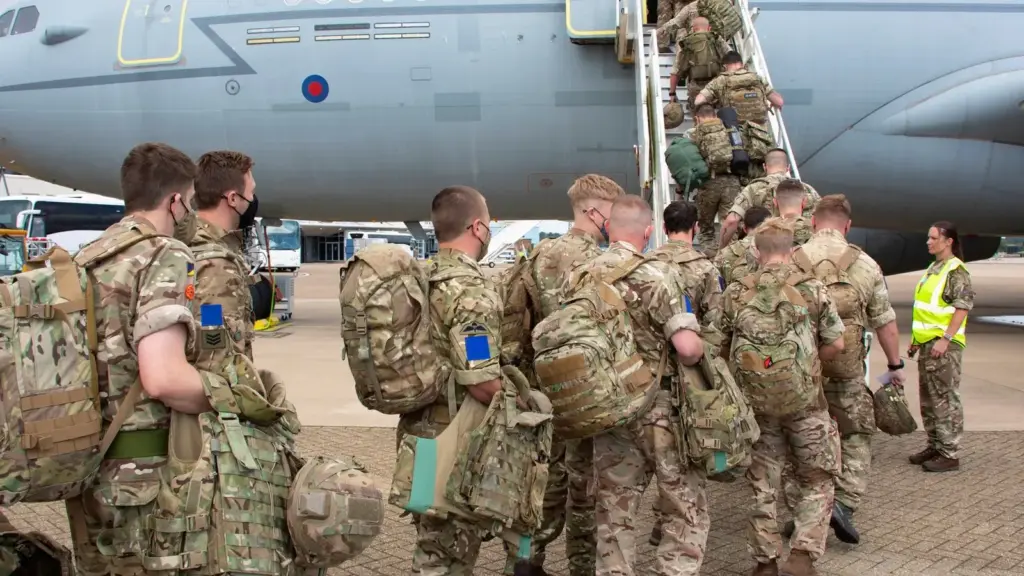
The UK military deployment in Ukraine is poised to become a crucial aspect of international efforts to stabilize the region and counter Russian aggression. With Parliament’s approval for military action becoming a significant topic of discussion, Sir Keir Starmer has committed to ensuring that Members of Parliament (MPs) will have a voice in decisions regarding the deployment of British troops to enforce any peace agreements. This decision aligns with the UK’s recent collaborative defense efforts with France, emphasizing the necessity for increased defense spending in light of ongoing conflicts. As discussions about military strategies progress, Starmer’s announcement underscores the importance of maintaining parliamentary oversight in military operations. Moving forward, the UK aims to establish its role not only in deterrence but also in securing long-term peace in Ukraine.
The UK’s recent military commitments in Ukraine have sparked discussions on the involvement of British forces in enforcing peace and providing deterrence against further Russian advances. With parliamentary backing becoming increasingly vital, Sir Keir Starmer’s pledge for MPs to weigh in on deployment plans reflects a shift towards greater accountability in military actions. This development comes amidst renewed cooperation with France, aimed at enhancing collective defense measures. As the dialogue surrounding defense strategies intensifies, it reaffirms the necessity of substantial defense investments to support robust military capabilities. Ultimately, these measures signify a collective resolve among allies to navigate the complexities of the situation in Ukraine.
UK Military Deployment in Ukraine: Parliamentary Oversight
The recent discussions surrounding the potential deployment of British troops to Ukraine have brought to the forefront the critical involvement of Parliament in military action decisions. Sir Keir Starmer has proposed that Members of Parliament will have an opportunity to voice their opinions before any British soldiers are sent to reinforce a peace agreement aimed at ending the ongoing conflict. This suggestion aligns with the government’s commitment to maintaining a democratic process in military engagement, reflecting the contemporary practice of seeking Parliamentary approval. MPs have historically played a role in debating military interventions, creating a platform for oversight and accountability in the face of international military engagements.
However, the legality of Troop deployments ultimately resides with the Prime Minister, emphasizing the nuanced relationship between government authority and parliamentary opinion. Despite this legal framework, recent history showcases a trend where military actions have both included and excluded parliamentary consultation. Sir Keir’s emphasis on Parliament’s role in decisions about British troop deployments to Ukraine underscores a commitment to democratic processes while navigating the intricacies of international relations and national security.
The Role of Defense Spending in UK Military Plans
As the UK considers deploying military forces in Ukraine, discussions regarding defense spending have gained prominence. Key figures, including Tan Dhesi, the Chair of the Commons Defence Committee, have highlighted the challenges that increased military commitments could bring to the UK armed forces. This situation raises important questions about whether the current level of defense spending is adequate to support these potential engagements without overstretching the military. The necessity for sustainable defense budgets is essential in a landscape where military obligations could significantly escalate in response to international threats.
The Conservative and Liberal Democrat parties have echoed the call for increased defense spending, suggesting a broad consensus on the need to enhance the military’s operational readiness in light of potential deployments to Ukraine. With the possibility of the UK and France collaborating to deploy forces, the financial implications of such actions cannot be overlooked. Proper allocations will not only prepare the armed forces for engagements but can also ensure that existing commitments to allies are not compromised, safeguarding national security in an increasingly complex global environment.
UK-France Military Cooperation: Strengthening Security in Europe
The recent summit in Paris marked a significant milestone for UK-France military cooperation, particularly in the context of Ukraine’s ongoing conflict. Both nations signed a “declaration of intent” that aims to enhance their military presence in Ukraine’s airspace, land, and maritime borders as part of a broader strategy to deter Russian aggression. This declaration signals a collective commitment to European security, recognizing that joint efforts may provide a more robust response to potential threats. The alliance seeks to strengthen defences not just in Ukraine but across Europe, promoting stability in a region facing escalating tensions.
However, while both countries express optimism about their military collaboration, the implementation of such plans requires careful planning and adherence to principles of mutual support. As discussions continue, it becomes clear that this cooperation is more than mere rhetoric; it serves as a foundation for strategic military operations in response to challenges posed by Russia. For the UK, collaborating with France also reinforces its position in global military alliances while taking into account the voices of Parliament and public opinion on defense matters.
Sir Keir Starmer’s Military Plans for Ukraine
Sir Keir Starmer’s outline for military plans pertaining to Ukraine seeks to establish a clear framework that prioritizes dialogue and parliamentary input in the decision-making process. As the situation evolves, there is a recognition that any enforcement of peace agreements must be backed by a robust military presence, which necessitates strategic planning and transparent communication with MPs. Starmer’s approach aims to navigate the complexities of deploying troops without undermining democratic principles, ensuring that Parliament plays a crucial role in such consequential decisions.
Within this context, Starmer has refrained from specifying troop numbers, asserting that any deployment would align with pre-established military plans. This ambiguity reflects the fluid nature of military operations, especially in conflict zones like Ukraine, where circumstances can change rapidly. The emphasis on Parliamentary debate signals a shift towards greater accountability concerning military intervention, demonstrating Starmer’s intent to balance national security interests with the ethical considerations of military engagement.
Lessons From Past Parliamentary Military Debates
The history of parliamentary debates surrounding military action in the UK provides valuable lessons for today’s discussions about potential troop deployments in Ukraine. Notably, the rejection of David Cameron’s proposed military action in Syria illustrates the power dynamics between parliamentary consent and executive military authority. The outcome of this debate not only shaped public perception of military intervention but also set a precedent for future engagements. It exemplifies how Parliament can act as a crucial check on executive power, particularly when military action is proposed.
Recent consultations regarding military actions against groups such as the Islamic State have shown a more collaborative approach, although there remains a notable risk of bypassing parliamentary protocols. This mixed record underscores the need for clearer guidelines on how military decisions are approached in the UK. As the debate around UK military deployment in Ukraine unfolds, understanding the lessons from past parliamentary engagements will be essential in ensuring that any long-term military commitments are undertaken with sufficient scrutiny and accountability.
The Implications of Overstretching Armed Forces
The potential deployment of British troops to Ukraine raises concerns about the implications of overstretching the UK armed forces. With commitments already spread thin, the UK’s capability to support additional military operations must be carefully assessed to avoid compromising its existing obligations. Tan Dhesi’s caution serves as a reminder that the reality of military deployment hinges not just on strategic interests but also on the practical readiness of forces to engage effectively in operations abroad. Ensuring that the armed forces can maintain operational effectiveness while contributing to international security is of paramount importance.
Moreover, public debates surrounding military deployment reflect broader societal concerns regarding the well-being and readiness of the armed forces. The call for increased defense spending has surfaced as a necessary precursor to any new military commitments. Without addressing these financial frameworks and ensuring that the armed forces are not overburdened, any deployment strategy risks becoming unfeasible, ultimately diminishing the UK’s capacity to operate effectively, both at home and abroad.
Challenges in Securing International Support
As the UK considers troop deployments to Ukraine, challenges in securing international support become increasingly evident. The discussions surrounding the declaration of intent with France are optimistic yet fraught with complexity, particularly given the previous hesitations from the United States regarding military commitments. The role of allies in not only supporting the deployment but also providing necessary resources and contingency plans is critical for success. Moving forward, ensuring that the UK and its allies have a coordinated approach to military intervention will determine the effectiveness of any operations aimed at stabilizing Ukraine.
In addition, ongoing negotiations with other nations reflect a global landscape where military engagement requires a multifaceted strategy. The absence of firm commitments from key players like the US adds another layer of uncertainty, underscoring the need for the UK to adopt a diplomatic yet assertive approach in securing international backing. Hence, establishing solid partnerships that align with UK military goals will be vital in fostering a sustainable presence and necessary deterrence against potential aggressors in the region.
Potential Risks of Russian Aggression
The spectre of Russian aggression looms large over discussions of military deployment in Ukraine, as seen in its ongoing occupation of significant Ukrainian territories. Russia’s adamant threats against foreign military presences underscore the risks that UK forces may face once they are deployed. Sir Keir Starmer’s comments about the need for protective measures around newly established military hubs exemplify the strategic necessity of deterring such aggression while simultaneously addressing potential risks posed to British troops.
Moreover, the legal repercussions of any military engagement with Russia cannot be disregarded, given that Moscow has consistently characterized foreign military involvement as a legitimate target. In this context, UK military plans must carefully navigate the geopolitical implications, balancing operational objectives with the enduring necessity to safeguard the safety of British troops. This complex dynamic highlights the critical need for comprehensive planning and strong international coordination to mitigate the threats posed by an increasingly aggressive Russia.
The Future of International Military Collaborations
The conversations surrounding military deployments in Ukraine signify a broader trend toward collaborative international military efforts in response to common threats. The declaration of intent signed between the UK and France symbolizes a commitment to combined operations, enhancing security not only for Ukraine but for Europe as a whole. Such collaborations are crucial in today’s interconnected world, where threats often transcend national borders and require unified responses from allied nations.
However, the effectiveness of these international collaborations hinges on mutual trust, shared objectives, and clear communication strategies. As the UK and France work towards reinforcing their defense commitments, engaging with other NATO allies will be imperative for building a comprehensive and effective strategy against potential aggressors. This future-oriented approach towards military cooperation promises to evolve, as nations must remain agile in adapting to dynamic security challenges while also honoring the democratic processes that underpin military decisions.
Frequently Asked Questions
What is the status of UK military deployment in Ukraine?
The UK military deployment in Ukraine is contingent upon parliamentary approval and aims to bolster efforts to deter Russian aggression following a peace agreement. British forces may engage in deterrence operations and protect newly established military hubs within Ukraine.
How does Parliamentary approval affect UK military action in Ukraine?
Parliamentary approval for UK military action in Ukraine is essential, as Sir Keir Starmer emphasizes that MPs will have a say in deploying British troops. Although legally the Prime Minister can authorize military action, a convention allows for parliamentary debates on such deployments.
What are Keir Starmer’s military plans regarding British troops in Ukraine?
Keir Starmer’s military plans include deploying British troops to support deterrence operations in Ukraine, contingent on reaching a peace agreement. The exact number of troops remains undisclosed, focusing instead on adherence to military strategies.
How does UK-France military cooperation play a role in the deployment strategy?
The UK-France military cooperation is crucial for deploying troops in Ukraine, as the two nations signed a ‘declaration of intent’ to position forces within Ukraine’s airspace, land, and sea. This cooperation is designed to jointly deter any further Russian aggression.
What are the implications of increased defense spending in the context of UK military deployment?
Increased defense spending is deemed necessary for the UK military deployment in Ukraine, as discussed in parliamentary debates. Concerns have been raised regarding the UK’s ability to maintain its commitments while facing the challenges of military overstretch.
What challenges do British troops face during deployment in Ukraine?
British troops face significant challenges related to the risk of overstretch and the lack of adequate manpower and resources for sustained operations in Ukraine, especially as they rely on joint efforts with allies like France.
What is the legal framework governing UK military action, particularly in relation to Ukraine?
The legal framework for UK military action, including deployments in Ukraine, is primarily governed by the Prime Minister’s authority in the name of the monarch. This authority necessitates parliamentary debates but does not legally require a vote for military intervention.
What are the potential outcomes of British military intervention in Ukraine?
The potential outcomes of British military intervention include safeguarding peace agreements, strengthening deterrence against Russian aggression, and contributing to the security framework in Eastern Europe while navigating the complexities of public and parliamentary support.
How are military operations in Ukraine coordinated with U.S. involvement?
Military operations in Ukraine will likely be coordinated with U.S. involvement as the U.S. is expected to lead monitoring efforts for any ceasefire. However, comprehensive security guarantees from the U.S. remain unfinalized, complicating the broader strategy.
What historical context is relevant to the discussion of UK military deployments?
Historical context includes the 2013 parliamentary rejection of military action in Syria, reflecting the evolving relationship between UK military operations and parliamentary approval, which may influence current discussions about deploying British troops to Ukraine.
| Key Points |
|---|
| Sir Keir Starmer emphasizes Parliamentary input in the deployment of UK troops to Ukraine, following the tradition of seeking approval for military action. |
| The UK and France agreed to send troops as a deterrent against Russian aggression, dependent on a peace agreement. |
| The precise number of British troops has not been disclosed, as it will align with military plans. |
| British forces will be tasked with deterrence operations and safeguarding military hubs in Ukraine. |
| The Prime Minister’s press secretary confirmed Parliament would have a role before any long-term troop deployments. |
| Historically, Parliament has debated military deployments, but authorization rests with the Prime Minister. |
| Recent declarations include the UK’s support for military operations in Ukraine’s airspace and land. |
| Concerns regarding the capacity of the British Army to undertake these operations have been raised. |
| Russian officials warn any foreign military presence in Ukraine would be considered a target. |
Summary
The UK Military Deployment in Ukraine has become a focal point of discussion as Sir Keir Starmer affirms the need for Parliamentary approval for troop deployments. With the UK and France ready to act against Russian threats, this decision hinges on a future peace agreement. The topic emphasizes the balance between military readiness and the democratic obligations of Parliament, while also underscoring the challenges faced by UK forces as they navigate international expectations and domestic capacity concerns.