Listen to this article
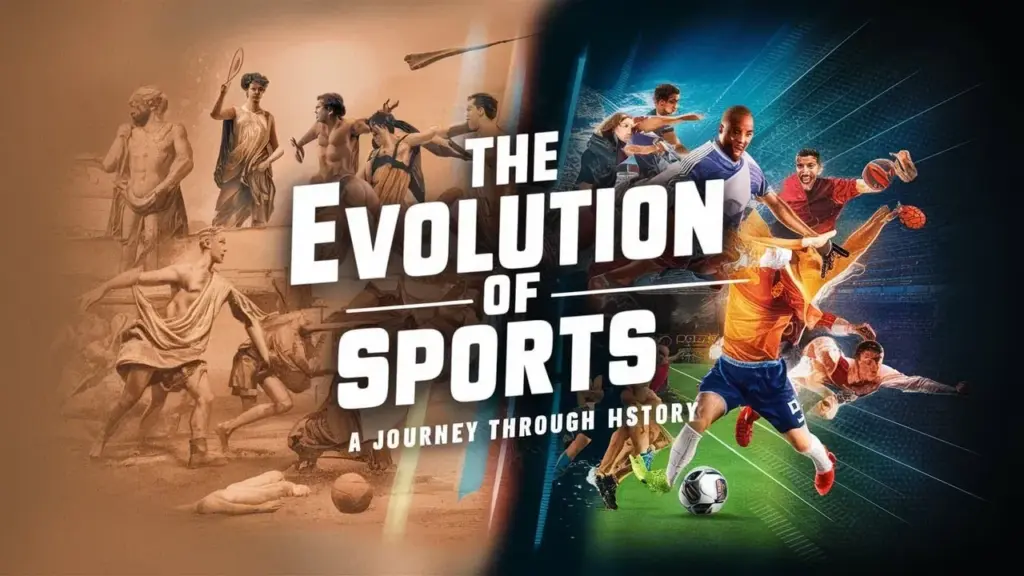
The Evolution of Sports is an intriguing narrative that traces the history of sports from ancient civilizations to the modern-day arena. As early as 776 BC, sports emerged in ancient Greece, flourishing into organized competitions like the Olympic Games that illuminated societal values and priorities. Over centuries, we witnessed the transition to modern sports, characterized by the development of formal rules and a wider inclusivity that brought athleticism to the masses. Technological advancements have further transformed sports culture, enhancing both performance analysis and fan engagement, shaping a vibrant landscape where e-sports now coexist alongside traditional athletic pursuits. This evolution reflects not only our historical journey but also the ongoing transformations in the realm of sports as society evolves.
The transformation of competitive activities throughout history reveals the dynamic nature of athletics, often referred to as the sport evolution saga. From the ceremonial gatherings of ancient sports to the structured formats seen in contemporary games, this progress reflects cultural shifts and advancements in various domains. Key milestones, including the establishment of the Olympic Games and the rise of sports technology, underscore a consistent trend toward globalization and inclusivity in sports development. As we delve deeper into this topic, it’s essential to acknowledge how traditional games have adapted and how new forms like e-sports have emerged, redefining our understanding of what constitutes sport. Ultimately, exploring the historical narrative of athletic endeavors highlights the connections between sports, society, and technology.
The Origins of Ancient Sports
The origins of sports can be traced back to the ancient civilizations that laid the groundwork for modern athletic competition. Evidence suggests that around 776 BC, the Olympic Games in Greece marked the beginning of organized sports, where athletes from various city-states competed in honor of the gods. These games were pivotal not only in showcasing athletic prowess but also in fostering a sense of unity among communities, as they drew large crowds and became a fixture of cultural identity.
Similar to the Greeks, other ancient cultures, particularly in Egypt and Mesopotamia, engaged in physical contests that were integral to their social and religious fabric. Activities like running, swimming, and wrestling were commonplace, illustrating how sports served both as a means of entertainment and a tool for social cohesion. These historical practices reflect the early human appreciation for competition and physical fitness that persist in contemporary sports culture.
Transitioning Through the Middle Ages
The Middle Ages saw sports evolve by integrating local customs and traditions, resulting in a delightful mixture of pastimes that catered to various social classes. Nobility often participated in activities such as jousting and falconry, which were not just recreational but also a display of status and skill. Conversely, common folk enjoyed simpler games, emphasizing the role of sports in community bonding and social interaction.
In this period, we can observe the early inklings of modern sports taking shape. The roots of football, for instance, can be traced back to various informal games played across towns, highlighting how sports were beginning to reflect the identity and spirit of their communities. This blending of cultures and sporting practices during the Middle Ages set the stage for the structured sports we recognize today.
Defining Modern Sports in the 19th Century
The 19th century brought about the birth of modern sports, characterized by the establishment of standardized rules and regulations. The creation of the Football Association in England in 1863, which led to the formulation of the first official soccer rules, marked a significant moment in the evolution of sports. This codification made the sport more inclusive and accessible, ultimately driving participation among the masses and transforming the landscape of competitive play.
Similarly, other sports such as cricket and tennis emerged from this period, widening the definition of athletics to include more diverse activities. Schools and universities began to emphasize physical education, fostering a culture of organized sports where individuals could hone their skills competitively. This development highlighted a shift toward formal recognition of sports as a critical aspect of societal development and educational progress.
The Role of Technology in Sports Evolution
As we delved into the 20th century, technology revolutionized sports in ways previously unimaginable. Innovations such as radio broadcasts, television, and later streaming services bridged gaps between athletes and fans, allowing instantaneous access to live events. This changed the viewer experience, enabling fans to follow their favorite teams and athletes, creating a global fan base for once localized games.
Additionally, technological advancements have enhanced sports performance and engagement through data analytics and instant replay systems. Athletes now utilize complex statistics to fine-tune their training regimes, while fans enjoy high-definition broadcasts that bring them closer to the action than ever before. This interplay between sports and technology continues to redefine the viewer experience and shape the future of competitive play.
Modern sports not only benefit from these enhancements, but they also adapt to thrive within these technological advancements, ensuring continued popularity across generations.
The Global Impact of the Olympic Games
The Olympic Games have played a crucial role in sports history, shaping the global sporting landscape since their revival in the late 19th century. The first modern Olympics held in Athens in 1896 symbolized a reawakening of international competition, emphasizing peace and unity through athleticism. Over the years, the Games have expanded to include a range of sports and showcased diverse athletes from various nations, reflecting global social dynamics.
Moreover, the Olympics have also demonstrated how sports can serve as a platform for addressing societal issues. Iconic moments, such as Jesse Owens’ triumph in 1936 or the protests by athletes in more recent times, have spotlighted the intersection of sport and social justice. The Olympic movement continues to inspire and foster cross-cultural connections, emphasizing the important role of sports in promoting understanding and solidarity worldwide.
The Rise of E-Sports and New Definitions of Competition
In recent years, the rise of e-sports has revolutionized the premise of competition, showcasing how sports have transcended traditional physical boundaries. This phenomenon reflects an evolution in what constitutes athleticism, with competitive gaming attracting millions of viewers and participants worldwide. From franchise leagues to international tournaments, e-sports communities have developed their own cult followings, emphasizing the cultural significance of this new gaming arena.
The acceptance of e-sports into the broader sports dialogue highlights a crucial shift in public perception about competition and skill. Gamers are now viewed not merely as players but as athletes whose talents deserve recognition, with training regimens and performances akin to traditional sports. This evolution signifies the adaptability of sports in the face of new modalities and interests, further enriching the diverse tapestry of sports culture.
Sports as a Reflection of Social Change
Sports have historically played an instrumental role in reflecting and promoting social change. Iconic figures, such as Billie Jean King and Muhammad Ali, utilized their platforms to challenge social norms and advocate for equality, demonstrating how sports can transcend mere competition. The intertwining of sports with social movements underscores the powerful societal impact sports can have, representing voices of change on larger platforms.
Additionally, the inclusion of women and minorities into mainstream sports has illustrated significant advancements toward equality in competitive arenas. Initiatives promoting diversity and inclusion have forged new pathways for athletes from various backgrounds, underscoring the progressive role sports can play in addressing broader societal issues. These transformations signify the importance of sports as a catalyst for social progress across the globe.
Cultural Integration through Sports
Throughout history, sports have served as a cultural conduit, bringing together diverse groups and fostering a shared sense of identity. Events like the World Cup or the Olympics exemplify how sports unite populations, encouraging interaction among different cultures while celebrating human achievement. This cultural integration through sports fosters international goodwill and enhances cross-cultural appreciation, vital in our increasingly globalized world.
Furthermore, traditional sports unique to specific cultures are gaining international recognition, illustrating how regional sports contribute to the global sports narrative. From kabaddi in South Asia to hurling in Ireland, these games provide insight into cultural roots and shared histories. Embracing the richness of various sports traditions ensures that cultural identity is preserved, and it enhances the communal experience that sports evoke on and off the field.
The Future of Sports in a Changing World
Looking toward the future, the evolution of sports promises to be influenced by myriad factors, including technology, culture, and social dynamics. As innovations continue to reshape how fans interact with sports, we can predict even more immersive experiences that blend virtual reality with physical competition. The potential for sports to adapt and thrive in new formats will likely redefine competition in exciting ways.
Moreover, the impact of global issues such as climate change and evolving social attitudes towards inclusivity could shape the future of sports organizations and events. The continued emphasis on sustainability in sports and the drive for equitable opportunities for all participants will forge pathways for new trends. Therefore, understanding the history and evolution of sports not only enriches our appreciation but also prepares us for a future where sports continue to unite and inspire following the trials and triumphs of human endeavor.
Frequently Asked Questions
What is the evolution of sports from ancient times?
The evolution of sports from ancient times began with rudimentary competitions like those in ancient Greece, where the first recorded Olympic Games took place in 776 BC. Over time, sports transitioned from traditional events like wrestling and running in ancient civilizations to more structured forms with standardized rules in the 19th century.
How did the Olympic Games influence the history of sports?
The Olympic Games significantly influenced the history of sports by promoting athletic excellence and international camaraderie. First held in ancient Greece and revived in 1896, the Olympics helped establish sports as a platform for global unity and friendly competition, encouraging the inclusion of diverse sports throughout its history.
What role did technology play in the evolution of modern sports?
Technology has played a crucial role in the evolution of modern sports by enhancing training, gameplay, and fan engagement. Innovations like video replay systems, advanced statistical analytics, and fitness technology have dramatically changed how athletes train, compete, and how fans interact with sports.
What ancient sports were played by early civilizations?
Early civilizations engaged in various ancient sports such as running, wrestling, and chariot racing. These sports emphasized physical prowess and were often tied to religious rituals and festivals, showcasing the cultural importance of athletic competition in societies like Greece and Rome.
How did sports development influence social change in the 20th century?
Sports development played a key role in social change in the 20th century, addressing issues like race and gender inequality. Icons like Jesse Owens and Billie Jean King utilized their platforms to advocate for social justice, demonstrating how sports could effect significant cultural shifts and challenge societal norms.
What are the main characteristics of modern sports?
Modern sports are characterized by formalized rules, organized competitions, and widespread global participation. The evolution of sports has made them accessible to a broader audience, allowing for professionalization and commercialization, exemplified by leagues like the NBA and major global events like the FIFA World Cup.
How did the rise of e-sports impact the evolution of sports culture?
The rise of e-sports has transformed sports culture by redefining competition in a digital landscape. E-sports draw massive audiences and have established professional leagues, showcasing that competition can extend beyond traditional physical sports, appealing to younger generations and reshaping societal perceptions of athleticism.
What was the impact of the Industrial Revolution on the history of sports?
The Industrial Revolution significantly impacted the history of sports by enabling urbanization and the establishment of standardized rules. This period saw the birth of modern sports, as increased leisure time and improved transportation facilitated organized competitions and the formation of clubs dedicated to various athletic pursuits.
How did sports evolve during the Middle Ages?
During the Middle Ages, the evolution of sports included the development of traditional games such as jousting and archery, primarily enjoyed by the nobility. Folk games gained popularity among common people, reflecting a time when sporting events fostered community interaction and social engagement.
What future trends can we expect in the evolution of sports?
Future trends in the evolution of sports may include further integration of technology, developments in virtual and augmented reality for fan interaction, and expanded inclusivity in athletic competitions. The continued rise of e-sports and changing cultural norms suggest an exciting transformation in how we perceive and engage with sports.
| Era | Key Developments | Significance |
|---|---|---|
| Ancient Times | First recorded Olympic Games, various sports in Egypt | Emphasized athletic honor, competition, and religious significance. |
| Middle Ages | Popularization of jousting, hunting, archery, and folk games | Brought communities together through shared experiences. |
| 19th Century | Codification of sports rules, establishment of modern sports | Increased accessibility and participation in sports. |
| 20th Century | Growth of global sports, televised events, and social change | Sports became platforms for social justice and global unity. |
| 21st Century | Technological advancements and rise of e-sports | Redefined training, engagement, and competition. |
Summary
The evolution of sports represents a dynamic journey that mirrors humanity’s cultural and social transformations. From the ancient games of Greece to the modern realization of global sports, this evolution encapsulates the essence of competition and community spirit. As we continue to witness advancements in technology, cultural shifts, and innovative forms of competition like e-sports, understanding the evolution of sports allows us to appreciate the intricate connections between athletes, society, and the evolving definitions of what it means to compete.