
Listen to this article
Business rate reforms are at the forefront of discussions among policymakers as they seek to navigate the complex challenges facing the hospitality industry. With significant warnings from pub owners about impending closures due to the expiration of Covid-era business rates relief, Labour MPs, led by Keir Starmer, are pressing for a re-evaluation of these proposed changes. The hospitality sector, vital for local economies, is bracing itself for steep increases in business rates; some establishments may face hikes of up to 44%. This potential crisis not only threatens the livelihoods of pub owners but also raises concerns about job security in an industry already battered by the pandemic. As Sir Keir and other leaders explore ways to support pubs and mitigate the impact of business rate reforms, the conversation becomes crucial in protecting the fabric of our high streets and communities.
Reevaluating the taxation landscape for businesses, particularly within the hospitality sector, has become an urgent priority amid increasing pressures on local establishments. Key stakeholders, including Labour leadership and industry representatives, are advocating for necessary adjustments to proposed tax structures that many believe could jeopardize the survival of vital community hubs. The impending escalation of business costs has raised alarms, particularly among pub operators who fear that without adequate relief, the risk of closures could dramatically escalate. As discussions around fiscal support and relief mechanisms unfold, it remains critical to ensure that policies not only sustain but actively promote the vibrant hospitality landscape. The collective focus on preserving the iconic pub culture illustrates a broader need for a balanced approach to business taxation that fosters growth and stability.
The Urgent Call for Business Rate Reforms
In recent months, Labour MPs have been vocal about the dire situation facing pubs and the broader hospitality industry in the wake of proposed changes to business rates. With significant cuts to business rate discounts that had provided crucial support during the pandemic, concerns are mounting over the potential consequences for local economies. During a key session in the House of Commons, MP Rachael Maskell emphasized the pressing need for Sir Keir Starmer to reconsider the reforms. Many independent business owners have expressed anxiety regarding the impending rise in their operating costs, which could lead to severe pub closures across the country.
As discussions continue within the government, the message from hospitality representatives is clear: more substantial support is essential to avert a crisis. The proposed revisions to the business rate calculations, coupled with reduced relief, could leave many establishments struggling to stay afloat. The call for reforms reflects a deep understanding of the sector’s vulnerabilities, and a renewed commitment from leadership to prioritize the survival of pubs is increasingly viewed as imperative by many lawmakers.
Impact of Business Rates on the Hospitality Industry
The hospitality industry, particularly the pub sector, has been significantly affected by the changes in business rates. The anticipated increase in rates could translate to an average hike of 41% for hospitality businesses, creating an unsustainable financial burden. This level of increase is alarming for establishment owners who are still recovering from the economic fallout of the pandemic. With the expiration of the temporary business rates relief previously in place, many fear that they may not survive the transition back to full financial obligations without immediate help from the government.
Local economies are intricately tied to the health of their pubs and restaurants. The closures of these venues not only impact the owners and employees but also related businesses and local suppliers. A thriving pub can be a cornerstone of community life, but with looming financial strains from business rates, the risk of closures threatens to undermine that stability. Stakeholders from the hospitality industry are urging for a reassessment of the rate changes to prevent a wave of closures that would reverberate throughout communities nationwide.
Keir Starmer and the Pressure on Business Rate Reforms
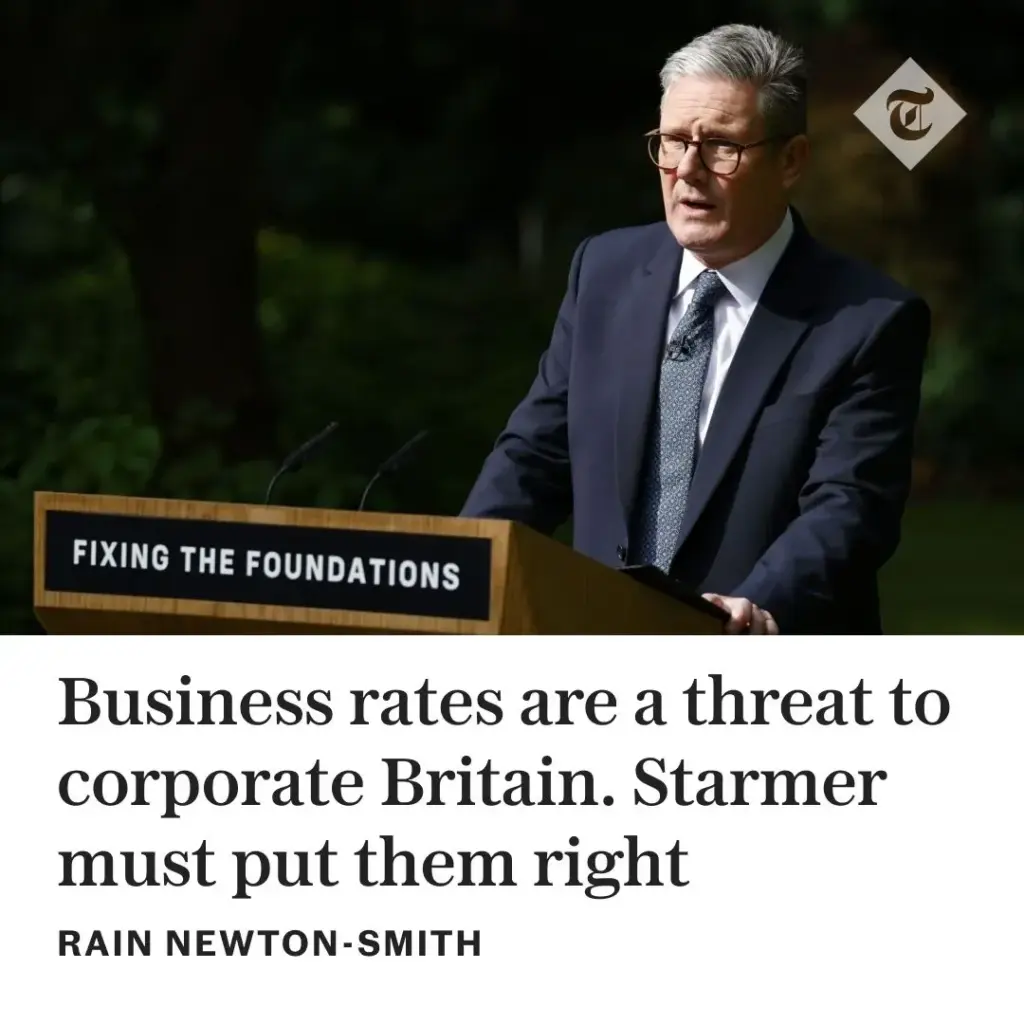
As the Labour Party leader, Sir Keir Starmer is under increasing pressure to address the upcoming changes to business rates—a move that some see as pivotal to safeguarding the future of pubs and the hospitality landscape. The strong advocacy from various MPs, particularly Rachael Maskell, underscores a collective determination to engage with the government and seek solutions that could prevent widespread closures. Stakeholders are hopeful that the discussions about additional support for pubs will lead to more favorable outcomes for affected businesses.
Starmer’s current stance reflects the importance of collaborative dialogue with the hospitality industry. While expressing support for ongoing talks, the lack of specifics about potential interventions has raised some eyebrows. Activists within the hospitality sector are urging that more concrete plans are essential not only for alleviating immediate financial anxieties but also for fostering a sustainable future for pubs. Continued advocacy for reforms highlights the central role that these establishments play in social and economic communities.
Government’s Response to the Pub Crisis
The government has acknowledged the challenges faced by the pub industry following the pandemic, yet the adjustments to business rates relief have left industry leaders seeking more robust solutions. Recent statements from Treasury officials suggest an awareness of the financial struggles that pubs are facing, but the proposed measures have yet to match the urgency of the situation as conveyed by local MPs and hospitality advocates. The £4.3 billion support package has been touted as assistance, yet critics argue that without tailored relief specifically for pubs, many establishments will still be unable to cope with rising costs.
In light of the pressing financial demands, the discussions happening behind closed doors will be crucial in shaping the future of hospitality in the UK. The strong push for a 30% ‘pub-specific business rates relief,’ as articulated by industry representatives, points to potential avenues for targeted support that could alleviate some of the financial burdens. However, as MPs rally for immediate action, the time-sensitive nature of these reforms epitomizes the need for swift decision-making to ensure the viability of pubs across the nation.
Community Support for Local Pubs
Beyond government intervention, there is a growing sentiment among community members to support their local pubs during these challenging times. Many communities recognize that pubs are integral to their social fabric, serving not only as places of business but also as gathering spots that foster community connections. As people become increasingly aware of the challenges posed by rising business rates, there is a significant push for local support initiatives aimed at sustaining these beloved establishments.
Efforts to revitalize interest in local pubs have seen increased community-driven campaigns encouraging patronage and support for events held in pubs. These initiatives can play a crucial role in not only boosting sales but also fostering a sense of solidarity among residents. By rallying together to support their local pubs, communities can help avert potential closures and ensure that these important social venues continue to thrive despite the looming financial pressures.
The Future of the Hospitality Sector
Looking ahead, the future of the hospitality sector, particularly the pub industry, hinges on the outcomes of business rate reforms and the government’s receptiveness to industry feedback. Continuous engagement and collaboration between the government and key stakeholders will be essential in crafting solutions that address the economic realities faced by pubs. The need for adaptive strategies that not only provide immediate relief but also ensure long-term sustainability is paramount in safeguarding this vital sector.
Moreover, as the landscape of the hospitality industry evolves, there is an opportunity for innovation in how pubs can operate and serve their communities. Whether through developing new business models, expanding outdoor spaces, or enhancing customer experience, pubs that adapt to changing consumer preferences will have a greater chance of thriving. Ultimately, the response to the current crisis will set the trajectory for the future of pubs, marking a critical turning point in the ongoing narrative of the hospitality industry.
Key Players in the Business Rates Debate
In addition to Labour MPs, there are several key players contributing to the ongoing discussion about business rates and their impact on the hospitality industry. Organizations such as The Campaign for Real Ale (CAMRA) have taken a stand on behalf of publicans, calling for the government to acknowledge and rectify the oversight regarding business rates. Their consistent advocacy highlights the need for a collective approach to drive change and secure favorable business conditions for pubs.
Furthermore, industry associations like the British Beer and Pub Association (BBPA) play an important role in lobbying for the interests of pubs and their workers. By fostering dialogues between government and industry, these organizations aim to bridge gaps in understanding and facilitate a better response to the crisis at hand. Their engagement is critical in ensuring that the unique challenges faced by pubs are addressed in any proposed reforms, ultimately working toward solutions that provide meaningful support.
Navigating the Economic Recovery Post-COVID
As the nation emerges from the economic turmoil caused by the COVID-19 pandemic, the focus must now shift to developing sustainable models for recovery in the hospitality sector. The business rate reforms, while necessary, must take into account the unique nature of pubs and their economic contributions. A well-thought-out approach that balances the need for fiscal responsibility with the desire to protect local businesses is crucial to ensure that pubs can withstand the ongoing transitional challenges.
Moreover, embracing innovation and flexibility in how pubs operate can play a significant role in their recovery strategy. With changing consumer behavior and preferences in the post-pandemic landscape, pubs that adapt and evolve will be better equipped to thrive. By fostering resilience and encouraging community patronage, local pubs can navigate this recovery journey and emerge as stronger pillars of their communities.
Long-Term Solutions for the Pub Industry
While immediate relief measures are critical to stave off closures, the pub industry requires comprehensive long-term solutions that address the underlying issues tied to business rates. This may involve a reevaluation of how business rates are calculated and the establishment of permanent rate relief that recognizes the unique challenges and contributions of pubs. Proactive policy formulation can play a significant role in ensuring the sustainability of the hospitality sector moving forward.
In addition, cultivating a supportive environment for business innovation can help pubs diversify their revenue streams and adapt to market fluctuations. Supporting local initiatives, encouraging partnerships with community organizations, and promoting pub culture can help foster resilience and adaptability in an ever-changing market. The path forward for the pub industry may require collaborative efforts, but the potential rewards in preserving these cornerstone establishments will be worth the commitment.
Frequently Asked Questions
What are the proposed changes to business rates reforms affecting pubs and the hospitality industry?
Proposed changes to business rates reforms involve reducing the business rate discounts from 75% to 40%, with all discounts set to expire in April. This is particularly concerning for pubs and hospitality businesses, many of which could face significant rate increases that threaten their viability.
How will business rates relief impact the hospitality industry and pub closures?
The reduction and eventual elimination of business rates relief could lead to extensive pub closures and adversely affect the hospitality industry. The average increase in business rates for hospitality businesses is projected at around 41%, which many fear will force them to shut down.
What is Keir Starmer’s stance on business rate reforms currently impacting pubs?
Keir Starmer has been urged by Labour MPs to reconsider the business rate reforms, emphasizing the need for urgent action to protect pubs and high street businesses from the impending crisis caused by significant rate increases.
What support measures are being discussed for pubs facing business rates increases?
Ongoing discussions involve potential support measures for pubs, including a proposed 30% ‘pub-specific business rates relief’ aimed at preventing closures and safeguarding jobs in the hospitality sector.
What has been the response from the government regarding business rates and support for pubs?
The government has acknowledged the concerns from the hospitality industry, with Treasury ministers meeting with representatives from the British Beer and Pub Association to discuss potential relief measures as the expiration of business rates relief approaches.
How do rateable value revisions affect business rates for independently owned pubs?
Revisions to rateable values mean that many independent pubs will face increased business rates, often coupled with reduced relief, leading to significant financial strain and the risk of closures if no additional support is provided.
What are Labour MPs advocating for regarding business rate reforms for the hospitality sector?
Labour MPs are advocating for a reconsideration of the business rate reforms, calling for measures that offer extended relief and support to the hospitality sector, particularly for pubs, to mitigate the impact of rising business rates.
What significance does the £4.3 billion support package hold for the hospitality industry?
The £4.3 billion support package allocated to the hospitality industry over three years is intended to provide relief and aid during challenging financial times, but concerns remain that it may not sufficiently offset the upcoming increases in business rates.
| Key Point | Details |
|---|---|
| Urgent Review Requested | Labour MPs are urging Sir Keir Starmer to reconsider business rate reforms to protect the pub industry. |
| Concerns Over Closures | The hospitality sector warns about potential extensive closures when business rate relief from the pandemic ends. |
| Proposed Rate Reductions | Chancellor Rachel Reeves reduced rate discounts from 75% to 40%, with no discounts after April. |
| Cumulative Rate Increases | Businesses in York face average increases of 41% for pubs and 44.4% for music venues from rising rateable values. |
| Government Support Discussions | Ongoing talks between the government and the hospitality industry for additional support. |
| Mixed MP Reactions | Some MPs are pushing for a delay in reforms, while others request increased rate relief. |
| Call for Specific Relief | The British Beer and Pub Association proposed a 30% pub-specific business rates relief. |
Summary
Business rate reforms are becoming a critical issue as Labour MPs urge Sir Keir Starmer to rethink the proposed changes to protect pubs and the hospitality sector from impending crises. With the expiration of pandemic era reliefs approaching, the concern is palpable among independent pub owners who face severe increases in their business rates. The government’s recent moves to reduce discounts and adjust rateable values are leading many establishments to contemplate closing their doors. Stronger measures, including specific relief programs, are being discussed, highlighting the urgent need for a reconsideration of business rate reforms to avert a potential crisis in the industry.

