
Listen to this article
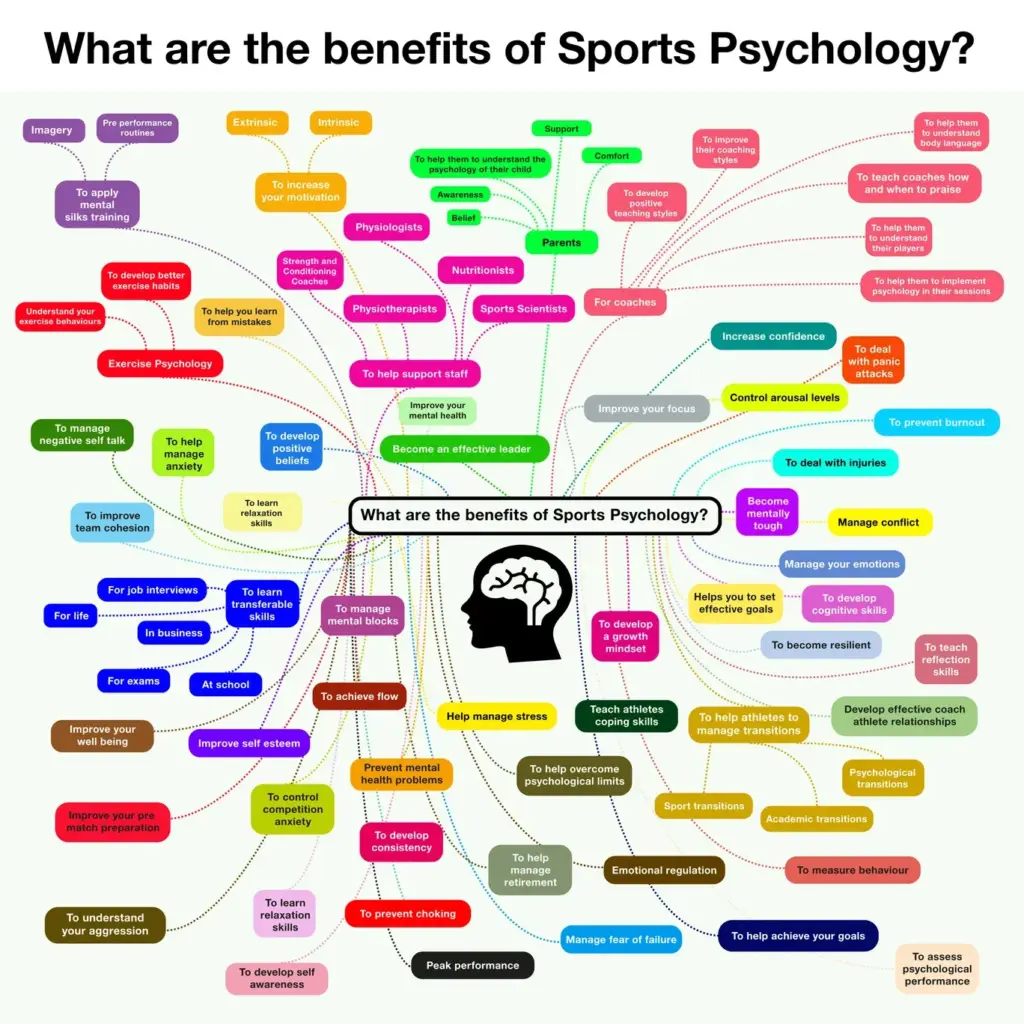
In the field of sports, the psychological aspect often proves just as crucial as physical capabilities, making sport psychology an essential component for athletes aiming to optimize their performance. Athletes who understand and incorporate sport psychology techniques can significantly enhance their mental toughness, cope effectively with stress, and elevate their athletic performance to new heights. By focusing on mindset in sports, individuals can develop essential mental skills that enable them to tackle challenges head-on, including pressure from competition and personal expectations. Mental skills training, such as visualization and self-talk strategies, not only boosts confidence but also fosters a resilient attitude in athletes. Embracing the principles of sport psychology can ultimately help athletes unlock their true potential on the field or court.
Athlete psychology, also known as sports psychology, examines the mental processes that underpin performance in competitive environments. By exploring concepts such as mental resilience and psychological preparedness, this discipline provides tools that athletes can use to cultivate an optimal mindset during training and competitions. Techniques like goal setting and stress management play vital roles in enabling athletes to enhance their overall performance and recovery from setbacks. Understanding the mental strategies related to athletic performance can be a game changer, as athletes learn to navigate anxiety and pressure with greater ease. Ultimately, integrating these psychological concepts into training can lead to more consistent successes and greater satisfaction in sports.
The Connection Between Mental Toughness and Performance
Mental toughness is often regarded as a hallmark of successful athletes. It encompasses resilience, focus, and the persistence to push through adversity. Athletes known for their mental toughness are not only able to withstand the physical demands of their sport but also the psychological pressures that come with competition. By cultivating mental toughness, athletes can enhance their ability to perform optimally under stress, transforming challenges into opportunities for growth.
Developing mental toughness involves a deliberate effort to strengthen one’s mindset. Techniques such as visualization, goal-setting, and positive self-talk are essential tools in this process. When athletes visualize their success, they prepare their minds to face challenges head-on. Likewise, setting achievable goals helps maintain motivation and provides a clear roadmap to success, reinforcing their mental fortitude.
Utilizing Sports Psychology Techniques for Peak Performance
Sports psychology techniques are pivotal in helping athletes achieve peak performance. These methods are designed to train the mind just as rigorously as the body, focusing on various facets of mental skills training. Techniques like mindfulness and concentration enable athletes to maintain their focus during critical moments, reducing the potential for distractions and performance anxiety. By integrating these techniques into their daily practice, athletes can improve their mental resilience.
Furthermore, managing stress through cognitive restructuring allows athletes to shift their perspectives on competitive pressure. This shift not only alleviates anxiety but also fosters a more composed and strategic approach to competition. By employing these sports psychology techniques, athletes pave the way for more consistent and elite performance, as their mental game aligns seamlessly with their physical capabilities.
Mindset in Sports: The Game Changer
The concept of mindset has a profound impact on athletic performance. Athletes with a growth mindset are more likely to embrace challenges, view setbacks as learning opportunities, and sustain motivation through tough times. This contrasts sharply with those who adopt a fixed mindset, where abilities are seen as unchangeable. Cultivating a growth mindset can lead to increased resilience, allowing athletes to rebound from failures and enhance their performance over time.
Educational workshops and training sessions often emphasize developing a constructive mindset. Techniques such as affirmations can prime an athlete’s mentality for success. Additionally, reflecting on past performances and focusing on learning rather than merely outcomes empower athletes to progress. By fostering a conducive mindset, athletes can unlock new levels of potential, ultimately influencing their overall achievements in sports.
The Role of Visualization in Athletic Success
Visualization is a powerful technique employed in sports psychology that allows athletes to mentally rehearse their performances. This practice involves imagining every detail of their execution, from the emotions felt to the specific movements performed. Studies suggest that visualization can boost confidence and enhance motor skills through enhanced neural patterns associated with successful performance.
Incorporating regular visualization sessions into training routines can result in marked improvements in performance. Athletes who visualize success not only enhance their physical execution but also strengthen their mental capacity to handle pressure. This dual benefit underscores the importance of visualization in achieving athletic goals and sustaining high levels of performance during competitions.
The Importance of Goal Setting in Sports
Goal setting is a fundamental aspect of sports psychology that drives athletes towards achieving their objectives. Using the SMART criteria, athletes can ensure their goals are Specific, Measurable, Attainable, Relevant, and Time-bound. This clarity not only provides a sense of direction but also serves as a powerful motivator that fuels perseverance and focus amidst challenges.
Moreover, tracking progress towards these goals can significantly enhance an athlete’s mental well-being. Reflecting on accomplishments, no matter how small, fosters a sense of achievement and reinforces motivation. This practice helps athletes remain committed to their growth, ensuring they remain resilient and adaptive in the face of obstacles that may arise in their sporting journey.
Emotional Regulation and Performance Anxiety
Emotional regulation is crucial for athletes looking to perform under pressure. Performance anxiety often manifests as a fear of failure or excessive self-doubt during competitions, which can hinder an athlete’s ability to perform at their peak. Techniques derived from sports psychology, such as mindfulness and breathing exercises, help athletes maintain control over their emotions, fostering a more relaxed state during crucial moments.
By learning to recognize their emotional triggers, athletes can develop strategies to manage their emotions effectively. This not only aids in overcoming anxiety but also enhances overall performance. As athletes refine their emotional regulation techniques, they are better equipped to handle competitive stress, leading to improved self-confidence and execution during high-stakes events.
Incorporating Mindfulness into Training
Mindfulness has gained traction in the realm of sports psychology due to its efficacy in enhancing focus and reducing anxiety among athletes. By teaching athletes to be present in the moment, mindfulness practices such as meditation and controlled breathing can significantly improve mental clarity and concentration during performance. This heightened sense of awareness allows athletes to perform without the distractions of external pressure or internal doubt.
Integrating mindfulness into daily training routines provides athletes with effective coping mechanisms for stress. Mindfulness exercises promote relaxation and help athletes develop a stronger connection between mind and body. This comprehensive approach not only optimizes performance but also contributes to the athlete’s overall well-being, preparing them to tackle both physical and mental challenges in their sport.
Team Dynamics and the Application of Sports Psychology
Team dynamics play a significant role in the overall success of athletes in team sports. Sports psychology emphasizes the importance of collaboration and communication within a team to foster a positive and supportive environment. Strategies such as team-building exercises and group goal setting can enhance cohesion and trust among team members, leading to improved collective performance.
By applying sports psychology principles to team dynamics, coaches and athletes can create a culture that promotes resilience and accountability. This supportive environment encourages individuals to contribute to team goals while also focusing on their mental health and performance. The synergy created by strong team dynamics, backed by sports psychology techniques, can propel teams towards achieving greater success.
The Future of Sports Psychology in Athletic Training
As sports continue to evolve, the integration of sports psychology into athletic training is becoming increasingly essential. With a growing understanding of the connection between mental and physical health, more coaching staff are recognizing the importance of mental skills training as a core component of athletic development. This shift not only aims to improve performance but also addresses the overall well-being of athletes in a demanding environment.
The future of sports psychology holds promise as it expands beyond the individual athlete to encompass teams, coaches, and sports organizations. Implementing holistic approaches that prioritize mental health will likely lead to the identification and cultivation of future champions. As we move forward, the incorporation of sports psychology will become a fundamental aspect of training, where both mind and body are seen as critical to success.
Frequently Asked Questions
What is the role of sport psychology in enhancing athletic performance?
Sport psychology focuses on the mental aspects of athletic performance, helping athletes develop mental toughness and resilience. Techniques like visualization and self-talk are utilized to enhance focus and motivation, leading to improved performance under pressure.
How can athletes develop mental toughness through sport psychology?
Mental toughness can be developed by setting specific, achievable goals and employing techniques such as visualization, which allows athletes to mentally rehearse success. Sport psychology also teaches effective stress management and emotional regulation strategies to help athletes cope with competition.
What are some effective sports psychology techniques for managing performance anxiety?
Athletes can effectively manage performance anxiety through breathing exercises, mindfulness practices, and cognitive restructuring, which involves challenging negative thoughts. These sport psychology techniques help athletes maintain focus and confidence during competitions.
How does mindset in sports influence athletic performance?
A positive mindset is linked to better athletic performance. Athletes with a growth mindset are more likely to embrace challenges and learn from failures, which leads to higher motivation and emotional control according to sport psychology research.
What is mental skills training and how does it relate to sport psychology?
Mental skills training, a key aspect of sport psychology, involves using techniques like self-talk, goal setting, and visualization to enhance athletes’ psychological readiness and performance. These skills help athletes build confidence and cope with pressures of competition.
Can sport psychology help athletes recover from injury?
Yes, sport psychology plays a vital role in injury recovery by helping athletes remain mentally resilient during rehabilitation. Techniques such as visualization and positive self-talk are used to maintain motivation and cope with the emotional challenges of recovery.
How can visualization techniques enhance athletic performance according to sport psychology?
Visualization techniques in sport psychology help athletes mentally rehearse their performances, which can enhance self-confidence and reduce anxiety. This mental practice allows athletes to create neural pathways associated with successful outcomes.
Why is self-talk important in sport psychology?
Self-talk is crucial in sport psychology as it influences how athletes perceive challenges and manage stress. Positive self-talk can enhance confidence and focus, while negative self-talk may lead to performance anxiety, making it essential for athletes to cultivate empowering internal dialogue.
What benefits do athletes gain from working with a sport psychologist?
Working with a sport psychologist enables athletes to enhance their mental skills, develop coping strategies for competition-related stress, and build resilience. This professional guidance helps athletes optimize their performance and enhances overall well-being.
How can athletes incorporate sport psychology techniques into their daily training?
Athletes can incorporate sport psychology techniques by allocating time for mental training in their routines. Regular practices such as daily affirmations, visualization sessions, and journaling can significantly improve their mental game alongside physical training.
| Key Point | Description |
|---|---|
| Understanding Sport Psychology | The study of psychological factors that affect sports performance and personal well-being. |
| Importance of Mindset | A growth mindset promotes persistence and learning from failures, enhancing athletic performance. |
| Building Mental Skills | Techniques like visualization, self-talk, goal setting, and mindfulness improve focus and performance. |
| Role of Sport Psychologist | Sport psychologists help athletes identify mental strengths and weaknesses and develop tailored strategies. |
| Overcoming Challenges | Techniques like cognitive restructuring and emotional regulation help athletes manage performance anxiety. |
| Implementing Techniques | Consistency in mental training alongside physical training fosters optimal performance. |
| Future of Sport Psychology | Recognition of the mental aspect of sports will lead to greater integration of sport psychology in training. |
Summary
Sport Psychology is essential for athletes aiming to achieve optimal performance. It encompasses a range of psychological strategies that can enhance both mental resilience and performance levels. By focusing on the mental aspect of sports, athletes can not only improve their skills but also develop greater emotional control and a positive mindset. This burgeoning field aids athletes in overcoming challenges, refining their techniques, and embracing a holistic approach to training. As competitive environments grow increasingly demanding, the importance of mental strategies in conjunction with physical training will only expand, paving the way for future sports excellence.

