
Listen to this article
The Oxford Street Development Corporation (OSDC) is poised to transform one of London’s most iconic thoroughfares through strategic urban regeneration initiatives. Recently convening at City Hall, the OSDC laid the foundational framework for exciting changes, leading the way for the pedestrianization of Oxford Street, an initiative championed by Mayor Sadiq Khan. With a commitment to enhancing the visitor experience, plans are actively being developed for a budget that supports these ambitious transformations. The London Assembly’s backing underscores the significance of this project within the broader context of urban revitalization in London. As consultations are ongoing about the pedestrianization designs, the OSDC envisions a vibrant, accessible street that reflects the capital’s dynamic spirit.
The OSDC, established as part of the city’s rejuvenation efforts, represents a strategic approach to revamping one of the world’s busiest shopping districts. This Mayoral Development Corporation is dedicated to leveraging investment and expertise in urban spaces to foster a more pedestrian-friendly Oxford Street. Guided by Sadiq Khan’s vision, the initiative aims to significantly improve pedestrian access and enhance the overall atmosphere of this key urban area. With preparations underway for extensive consultations and budgeting, the OSDC is committed to transparency and collaboration among stakeholders. The London Assembly’s support further bolsters the confidence in the project’s potential to reshape this iconic location.
Oxford Street Development Corporation: A New Era for Urban Regeneration
The establishment of the Oxford Street Development Corporation (OSDC) marks a significant shift in the approach to urban regeneration in London. Under the leadership of Sadiq Khan, the OSDC is tailored to oversee transformative projects aimed at revitalizing one of the city’s most iconic shopping streets. This new body is not just about development but about reimagining the experience of both locals and tourists alike in the thriving heart of the city.
With the support of the London Assembly, the OSDC is set to implement crucial changes that will enhance pedestrian access and overall urban experience. Focused on effective pedestrianization, the corporation aims to create a vibrant, accessible Oxford Street, ensuring that the area is not overwhelmed by traffic, but instead becomes a welcoming space for social interaction and commerce.
The Push for Pedestrianization: Sadiq Khan’s Vision for Oxford Street
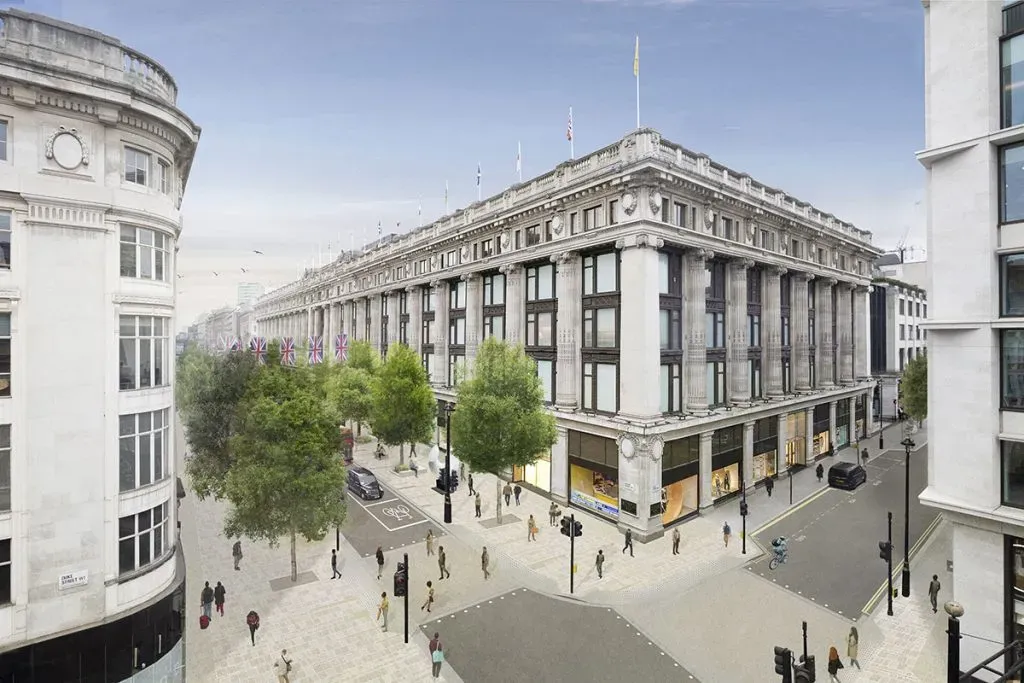
Sadiq Khan’s advocacy for the pedestrianization of Oxford Street represents a transformative vision that aligns with global trends in urban regeneration. By reducing vehicular traffic, the goal is to create a more walkable, community-oriented space that promotes shopping, dining, and entertainment. This initiative reflects a broader commitment to sustainable urban living and is expected to attract more visitors while enhancing their overall experience.
The plans include dedicated zones for pedestrians, improved street furniture, and new green spaces, ensuring that Oxford Street becomes a destination rather than just a thoroughfare. These enhancements are set to emerge through careful design consultations currently ongoing, demonstrating the OSDC’s commitment to engaging with the public and stakeholders to create a beloved public realm.
Budgeting for the Future: Insights from the OSDC Meeting
The recent meeting held by the OSDC at City Hall focused heavily on budgetary allocations necessary for the ambitious regeneration plans for Oxford Street. With an initial allocation of £4.7 million from the Mayor’s office, the OSDC is tasked with careful financial planning to ensure that long-term goals can be met. However, the nature of these discussions remains confidential, revealing the sensitivities surrounding public funds and their management.
With planning for the 2026-27 financial year on the horizon, the budgetary framework established will be crucial in determining how effectively pedestrianization efforts can be funded. Stakeholder trust and commercial partnerships will play vital roles in sustaining the budget, and the OSDC has begun developing a robust commercial strategy to address potential funding challenges.
Leadership and Structure: Appointments to the OSDC
In a strategic move to navigate the complexities of urban regeneration, Sadiq Khan appointed Nabeel Khan as the chief executive of the Oxford Street Development Corporation. With a wealth of experience in urban development, Khan’s leadership is expected to steer the organization towards successful outcomes that align with London’s regeneration objectives. Meanwhile, Phil Graham will serve as an interim chief executive during this transition period, ensuring continuity in leadership.
The clear structure and appointed leadership demonstrate the seriousness with which the OSDC approaches its mandate. As a collaborative entity, the corporation not only aims to execute development plans but also seeks to foster partnerships with various stakeholders, including local businesses and community organizations, ensuring that all voices are heard in the planning process.
Engaging Stakeholders: The Role of Business in Urban Regeneration
A crucial aspect of the Oxford Street Development Corporation’s strategy involves stakeholder engagement, particularly regarding the participation of local businesses. The board has supported a motion to provide non-voting rights to organizations such as the New West End Company, a recognized business improvement district. This initiative aims to enhance engagement and collaboration between businesses and the OSDC, creating a feedback loop that can significantly influence development proposals.
By allowing businesses to have a voice in the process, the OSDC acknowledges their critical role in the success of the pedestrianization efforts. This collaboration is essential for creating an environment where commercial interests align with community needs, ultimately contributing to a revitalized and economically thriving Oxford Street.
Anticipated Traffic Impact: Planning for Blockages on Oxford Street
As plans for the pedestrianization of Oxford Street develop, it is crucial to address the anticipated traffic blockages that such initiatives may cause. The OSDC recognizes that transforming a busy commercial street into a pedestrian-friendly area will require meticulous planning to minimize disruption during construction periods. The board is currently strategizing on how to effectively manage this transition while ensuring both local businesses and visitors maintain access.
Engaging with Transport for London and other transport authorities will be vital in anticipating and mitigating traffic impacts. The OSDC aims to implement solutions that ease congestion while encouraging a shift towards more sustainable modes of transport, aligning with broader goals of urban mobility in London.
Timeline for Changes: Key Dates for Oxford Street Development
The timeline for implementing changes on Oxford Street is equally ambitious and structured. The OSDC has laid out a schedule with key milestones leading up to the anticipated traffic blockages in the summer. As consulting continues until January 16, this period is crucial for gathering input which will shape the final designs for pedestrianization.
With subsequent meetings and a budget approval process slated for mid-February and March respectively, the urgency of the OSDC’s timeline reflects the growing pressure to deliver on the Mayor’s vision for Oxford Street. Stakeholders will be watching closely as these plans evolve, eager to see the tangible impacts of urban regeneration in this renowned district.
Community Engagement: The Importance of Consultation
Community engagement is at the heart of the Oxford Street Development Corporation’s approach to urban regeneration. As the corporation embarks on designing a pedestrian-friendly Oxford Street, ongoing consultations play a crucial role in ensuring that the needs and desires of local residents and shoppers are considered. Engaging the community provides valuable insights that can inform design and implementation strategies.
Through public forums, surveys, and stakeholder meetings, the OSDC aims to gather a wide array of opinions and suggestions. This inclusive approach will help to foster a sense of ownership among community members, who will ultimately benefit from the improvements made to their environment. Effective community engagement not only enhances project legitimacy but also fosters a collaborative atmosphere conducive to successful urban regeneration.
Future Prospects: What Lies Ahead for Oxford Street
Looking to the future, the Oxford Street Development Corporation holds substantial potential for reshaping the definition of urban experience in London. By committing to pedestrianization and employing innovative urban design, Oxford Street aims to become a model for other cities seeking to balance commerce and community well-being. The implications of these efforts extend beyond just one street; they signal a broader shift towards sustainable urban living.
As the OSDC moves forward with its plans, stakeholders from various sectors — including government, business, and community — will play critical roles in shaping the success of this initiative. The full realization of a pedestrianized Oxford Street could become an iconic benchmark for urban regeneration in London, demonstrating the city’s capability to adapt and thrive in an ever-changing urban landscape.
Frequently Asked Questions
What is the purpose of the Oxford Street Development Corporation (OSDC)?
The Oxford Street Development Corporation (OSDC) is a Mayoral Development Corporation established to lead large regeneration initiatives in London, specifically aimed at enhancing Oxford Street’s pedestrian experience and supporting urban development.
How is Sadiq Khan involved with the Oxford Street Development Corporation?
Sadiq Khan, the Mayor of London, is a key advocate for the Oxford Street Development Corporation, promoting pedestrianization efforts to improve the visitor experience on Oxford Street through urban regeneration projects.
What budget has been allocated for the Oxford Street Development Corporation’s projects?
The Oxford Street Development Corporation has received an allocation of £4.7 million from the Mayor of London, with additional funding expected from Transport for London as part of the overall budget for urban regeneration in London.
How does the London Assembly support the Oxford Street Development Corporation?
The London Assembly plays a supportive role in the operations of the Oxford Street Development Corporation (OSDC) and endorsed its formation and initiatives aimed at promoting pedestrianization and urban regeneration on Oxford Street.
When will the first decisions regarding pedestrianization designs be made for Oxford Street?
Consultations regarding the designs for the pedestrianization of Oxford Street are ongoing until January 16, with the Oxford Street Development Corporation (OSDC) expected to review stakeholder feedback and make initial decisions thereafter.
What risks are associated with the Oxford Street Development Corporation’s projects?
The Oxford Street Development Corporation faces potential risks related to funding and interest from commercial partners. A comprehensive commercial strategy is being developed to address these challenges and ensure the success of urban regeneration efforts.
What are the leadership roles within the Oxford Street Development Corporation?
Currently, Nabeel Khan has been appointed as the chief executive of the Oxford Street Development Corporation, with Phil Graham serving as the interim chief executive. Leadership roles are crucial for steering the corporation’s urban regeneration objectives.
How does the allowance scheme work for board members of the Oxford Street Development Corporation?
Board members of the Oxford Street Development Corporation are entitled to a basic allowance and can receive additional payments based on their responsibilities, with the chair receiving an annual payment of £30,000.
What staffing changes are planned for the Oxford Street Development Corporation?
The Oxford Street Development Corporation aims to grow its staff from 10 to 40 personnel by transferring current staff from the Greater London Authority, enhancing its capacity to handle urban regeneration projects.
When is the next board meeting for the Oxford Street Development Corporation scheduled?
The next board meeting for the Oxford Street Development Corporation (OSDC) is scheduled for mid-February, where further budget planning and project discussions will take place.
| Key Insights | Details |
|---|---|
| Leadership Appointments | Nabeel Khan appointed as chief executive; Phil Graham as interim chief executive. |
| Allowance Framework | Board members entitled to allowances; Chair receives £30,000 annually with additional possible payments. |
| Budget Confidentiality | Budget discussions for 2026-27 will be confidential; previous allocation of £4.7 million planned. |
| Potential Risks | Concerns about funding and partner interest; a commercial strategy is being formulated. |
| Non-voting Rights for Business | New West End Company granted non-voting rights for better stakeholder engagement. |
Summary
The Oxford Street Development Corporation is taking significant steps in urban regeneration, with its recent meeting highlighting key leadership appointments, a structured allowance framework, and ongoing confidential budget discussions. Under the guidance of Mayor Sadiq Khan, the corporation is actively addressing potential funding risks while fostering stakeholder engagement through the inclusion of the New West End Company. As the OSDC moves forward with plans to enhance Oxford Street’s pedestrian experience, these foundational decisions lay the groundwork for a transformative impact on this vital London corridor.