Listen to this article
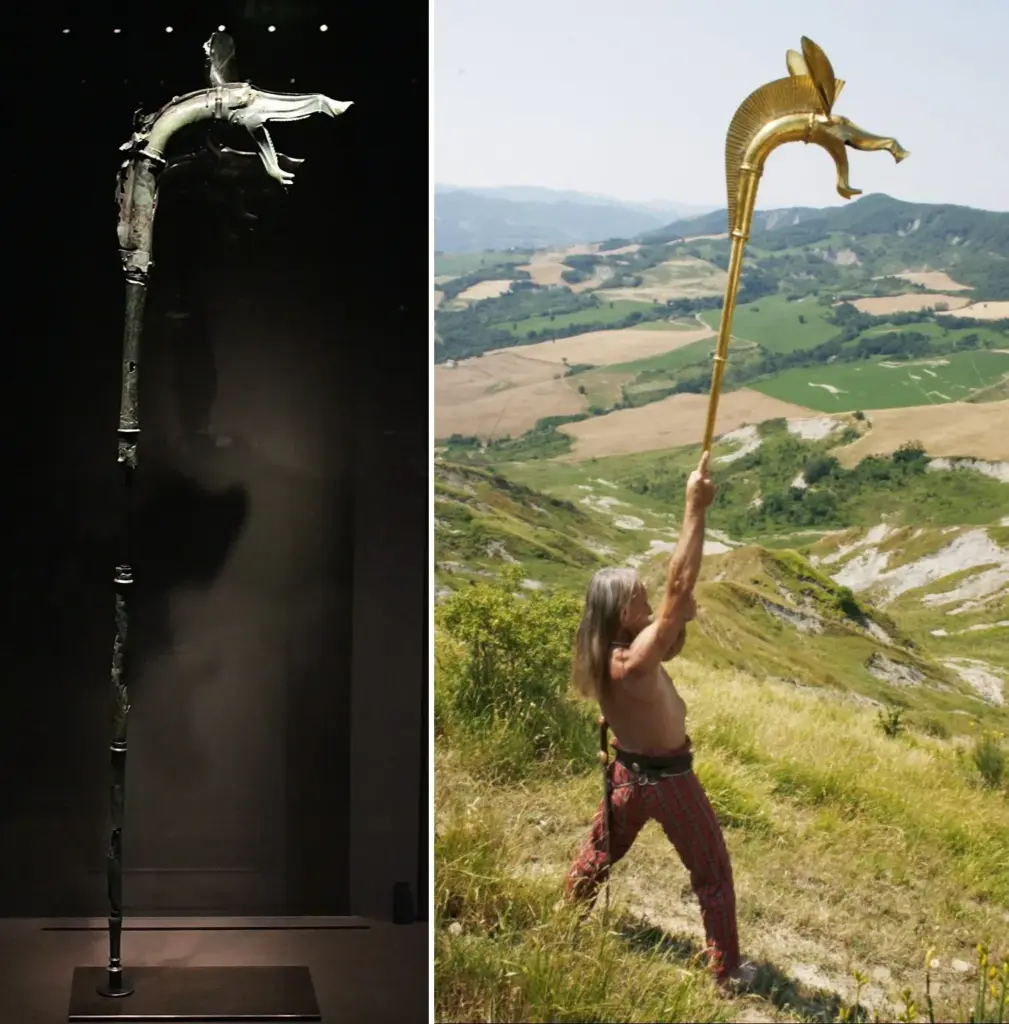
The recent carnyx discovery in Norfolk has captivated the archaeological community, with experts calling it “a discovery of a lifetime.” Unearthed in a hoard alongside a remarkable boar’s head standard, this find represents one of the most significant archaeological discoveries of ancient Celtic artifacts in the region. Unearthed just a few miles from Thetford during a routine building site excavation, the carnyx stands out as the most complete battle trumpet ever found in Europe, illustrating the artistic mastery of Celtic craftsmanship. Historical finds of this caliber are rare, and the combination of the carnyx and the boar’s head flag standard adds to the intrigue surrounding Norfolk archaeology. This remarkable discovery not only underscores the rich tapestry of British history but also opens new doors for understanding the cultural significance of such artifacts in the ancient world.
This astonishing find, known in historical circles as a battle trumpet or war horn, sheds light on the intricate relationship between Celtic tribes and their warfare practices. The bronze boar’s head banner, accompanying the horn, serves as a powerful emblem of strength, reminiscent of the fierce boars that these cultures revered. As excavations in Norfolk reveal more about this collection of ancient relics, they open a dialogue about the cultural narratives embedded in these objects. Such historical treasures not only fascinate archaeologists but also provide valuable insights into the practices and beliefs of the ancient Celtic peoples. The carnyx and its accompanying standard are emblematic of a time when such instruments played a crucial role in battle and ceremony, capturing the spirit of an era filled with rich histories.
Significance of the Carnyx Discovery in Norfolk Archaeology
The discovery of the carnyx in Norfolk represents a monumental moment in archeological findings, as it is the most complete battle trumpet uncovered in Europe. This ancient artifact not only reflects the craftsmanship of its era but also provides insight into the sociopolitical landscape of ancient Celtic tribes. The carnyx, associated with the Iceni tribe, played a pivotal role in warfare, used for signaling troops and intimidating enemies. Each detail of the carnyx, from its intricate design to its functional use in battle, enriches our understanding of Celtic culture and their encounters with the Romans.
Moreover, the carnyx discovery has ignited interest in Norfolk archaeology, highlighting this region as a site for significant historical finds. With the carnyx being only one of three known in Britain, it raises questions about the distribution and use of such artifacts across the British Isles. The rare conditions of the find, including the preservation of its components, give archaeologists a wealth of data to analyze, adding layers to the narrative of ancient Celtic civilizations and their strategies against Roman conquests.
Unveiling Ancient Celtic Artifacts: The Boar’s Head Standard
Alongside the carnyx, the boar’s head standard uncovered in the same hoard adds another fascinating dimension to this historical find. Servicing as a battle flag, it symbolizes the fierce and ferocious nature of boars, resonating deeply with the Celtic hunting traditions. This bronze artifact signifies not only a representation of strength but also acts as a tangible connection to the ritualistic practices of the period. Its rarity, being the first of its kind found in Britain, emphasizes the cultural importance of standards in Celtic warfare and their role in unifying forces during battles.
As an emblem of power, the boar’s head standard provides critical insights into the iconography used by Celtic tribes, specifically how they conveyed messages of bravery and resilience to their warriors. The archaeological context surrounding its discovery enhances its significance; utilized alongside other artifacts, such as shield bosses and weapons, it paints a broader picture of the socio-military structures of the era. Investigating such artifacts allows historians to piece together not only the physical attributes of these items but also their practical and ceremonial uses in ancient Celtic society.
Archaeological Discoveries: Contextualizing the Hoard’s Findings
The recent hoard discovery in Norfolk is more than just the unearthing of artifacts; it represents a pivotal moment in understanding ancient histories. Each item, including the carnyx and the boar’s head standard, serves as a key to unlocking the lifestyles, battles, and communal practices of Celtic tribes. This find occurs amid ongoing archaeological work in the region, suggesting that Norfolk may hold more treasures waiting to be discovered. Each excavation contributes to a larger narrative of Britain’s past, allowing experts to reassess previously established historical frameworks.
The meticulous excavation process employed by the archaeologists involved careful extraction of the hoard, which illustrates the importance of context in archaeological research. By analyzing the spatial relationships and conditions surrounding these discoveries, researchers can glean information that informs their understanding of ancient usage and cultural significance. Each artifact within the hoard is a puzzle piece that, when combined with other findings throughout Norfolk and beyond, enhances the breadth of knowledge about Celtic practices and their interactions with the Roman Empire.
Unpacking the Historical Context of the Carnyx
Understanding the historical context surrounding the carnyx is crucial for appreciating its significance. The carnyx was prominently used around the time of the Roman conquest of Britain, particularly during the Iceni tribe’s resistance led by Queen Boudica. This context marks a time of upheaval, where the use of such trumpets was essential for commanding troops and rallying during battles. The archeological recovery of this battle trumpet serves not only as an artifact of war but as a symbol of cultural identity among the Celts, reflecting their resilience against the encroaching forces of Rome.
In examining the carnyx, we can also delve deeper into the lasting impacts it had on warfare and how these instruments were perceived as symbols of power. They were often depicted in victory scenes by Romans, attesting to their significance in narratives of conflict. This historical relationship aids modern scholarship in interpreting the interactions, technologies, and militaristic strategies employed during this tumultuous era. A singular find like the carnyx fosters dialogues among historians, archaeologists, and the public, leading to a deeper appreciation of Britain’s ancient resilience and heritage.
The Craftsmanship Behind Ancient Celtic Artifacts
The craftsmanship of ancient Celtic artifacts, including the carnyx and boar’s head standard, speaks volumes about the skills and artistry of the time. The intricate design seen on the carnyx, complete with its distinctive features, exemplifies the high level of metalwork skill possessed by Celtic artisans. Each curved line and embellishment tells a story of the techniques and cultural narratives embedded within these items. Analyzing such craftsmanship provides insights not only into the aesthetic values of the Celts but also their technological advancements in metalworking.
Furthermore, the materials used and the methods of construction attributable to the carnyx showcase the functional necessities of warfare equipment. Thin sheets of metal, skillfully forged, allowed these artifacts to produce sound while remaining battle-ready. This discovery enhances our understanding of how utility and artistry merged in ancient Celtic culture, showcasing a civilization that valued both beauty and practicality in their artifacts. Insights drawn from artifacts such as these contribute richly to the scholarship of ancient technology and craftsmanship evolution.
The Role of Carnyx in Celtic Warfare
The role of the carnyx in Celtic warfare was multifaceted, serving not merely as a musical instrument, but as a critical tool for communication on the battlefield. Its loud, piercing sound was designed to signal troops, rouse morale, and intimidate enemies. Such instruments were often utilized by chieftains to rally their warriors, especially during crucial moments of conflict, reflecting the strategic importance of sound in ancient combat scenarios. The presence of the carnyx in archaeological findings emphasizes its significance in shaping the outcomes of battles among Celtic tribes.
Additionally, as part of the ceremonial aspect of warfare, the carnyx often symbolized the identity of a tribe or clan. Through its use, warriors could recognize not only their leaders but also maintain cohesion amidst the chaos of battle. Understanding the functionality of such artifacts contextualizes the broader strategies employed by ancient Celts during warfare, revealing intricate layers of cultural significance tied to sound, hierarchy, and tribal identity during encounters with both enemies and allies.
Implications of Discoveries for Future Archaeological Research
The implications of the carnyx and boar’s head standard discovery extend well beyond their immediate significance, influencing future archaeological research methodologies in Norfolk and beyond. The exceptional preservation of these artifacts opens avenues for advanced techniques in conservation and restoration, ensuring that such significant finds can be studied extensively while maintaining their integrity. This discovery may inspire archaeologists to approach other sites with renewed enthusiasm, employing rigorous excavation techniques and interdisciplinary collaboration to uncover overlooked historical insights.
Moreover, the lessons learned from this excavation can lead to improved public engagement with archaeology. As this discovery captures the imagination of the community, it emphasizes the importance of local history in educational contexts. Documentaries and exhibitions can showcase such findings, fostering greater interest and funding for future archaeological projects. Ultimately, this discovery of a carnyx and boar’s head standard invigorates the discourse around ancient Celtic history, encouraging a broader investigation into the artifacts and narratives that shape our understanding of the past.
Conservation Efforts for the Carnyx and Boar’s Head Standard
Conserving the carnyx and boar’s head standard presents unique challenges and opportunities for archaeologists and conservators alike. The successful recovery and preservation practices applied during excavation are crucial in maintaining the condition of these rare finds. Collaboration with institutions such as Historic England and the National Museum of Scotland underscores the commitment to ensure these artifacts receive the specialized care needed for their long-term survival. By utilizing techniques tailored to the materials involved, experts can mitigate the effects of aging, allowing these historical treasures to be studied and appreciated for generations to come.
In addition to preservation, conservation efforts aim to deepen the understanding of the cultural and historical context of these pieces. As scientists analyze materials and techniques, they uncover information about the technological advancements of ancient artifacts and the societies that created them. Through study and exhibition, the ongoing conservation of the carnyx and boar’s head standard serves not only to protect and maintain these artifacts but also to narrate the rich histories they represent. Such efforts elevate the appreciation of Norfolk’s archeological heritage, emphasizing the significance of every find in piecing together the intricate tapestry of human history.
Feature Presentation on BBC Two: Unveiling Historical Finds
The upcoming feature on BBC Two’s ‘Digging for Britain’ promises to shed light on the remarkable discovery of the carnyx and boar’s head standard, making ancient historical finds accessible to a broader audience. This program aims to engage viewers by showcasing not only the artifacts but the meticulous excavation processes and the passionate stories of the discoverers. Highlighting the significance of these finds within the context of Norfolk archaeology allows the public to appreciate the heritage of the region and its contributions to our understanding of Celtic civilizations.
By documenting the journey from excavation to exhibition, the series invites viewers to engage with the narrative of Britain’s ancient past, fostering a connection between the present and the rich histories captured within archaeological discoveries. Access to this feature on BBC iPlayer following its broadcast expands its reach, ensuring that discussions about the carnyx and boar’s head standard can continue, stirring public interest in archaeology and inspiring future generations to explore and protect their historical legacies.
Frequently Asked Questions
What is the significance of the carnyx discovery in Norfolk archaeology?
The carnyx discovery in Norfolk archaeology is monumental as it includes the most complete battle trumpet ever found in Europe, alongside the first-ever boar’s head flag standard discovered in Britain. This hoard reflects the incredible craftsmanship of ancient Celtic artifacts and its context sheds light on the historical practices of Celtic tribes during conflicts.
How rare is the carnyx and boar’s head standard find?
The carnyx and boar’s head standard find is extraordinarily rare, with only three known carnyces in Britain, making this discovery unmatched in terms of both rarity and condition. Archaeologists highlight that such artifacts not only embody historical significance but also the unique artistry of ancient Celtic cultures.
What can we learn from the hoard containing the carnyx and boar’s head standard?
The hoard containing the carnyx and boar’s head standard offers invaluable insights into Celtic warfare, tribal symbolism, and the craftsmanship of ancient artifacts. It provides a unique opportunity to investigate the historical and cultural context of the Iceni tribe led by Queen Boudica during her rebellion against the Romans.
Where was the carnyx and boar’s head standard discovered?
The carnyx and boar’s head standard were discovered near Thetford, Norfolk, during an archaeological excavation led by Pre-Construct Archaeology. This site has proven to be exceptionally fruitful, revealing remarkable examples of ancient Celtic artifacts.
How will the carnyx discovery be preserved for future generations?
The preservation of the carnyx discovery is a collaborative effort involving several institutions, including Historic England and the National Museum of Scotland. The hoard was excavated carefully in a block of soil to ensure its integrity, allowing experts to study and conserve these artifacts for future generations.
When and where will the discovery of the carnyx be featured on television?
The discovery of the carnyx and related artifacts will be featured on BBC Two’s Digging for Britain on 14 January at 21:00 GMT, allowing viewers to learn more about this extraordinary find and its importance in the context of Norfolk archaeology.
| Key Point | Details |
|---|---|
| Discovery Location | Thetford, Norfolk, England |
| Find Description | A carnyx (battle trumpet) and a boar’s head flag standard |
| Significance | The most complete carnyx found in Europe and the first boar standard in Britain, emphasizing rarity and historical value. |
| Dating of Hoard | Circa 50 BC to AD 50 |
| Condition of Artifacts | Excellent preservation, with pipe, mouthpiece, and bell intact. |
| Additional Finds | Includes five shield bosses and an unidentified iron object |
| Conservation Efforts | The hoard will be conserved in collaboration with Historic England and the National Museum of Scotland. |
| Media Coverage | Featured on BBC Two’s Digging for Britain on 14 January at 21:00 GMT, available on BBC iPlayer. |
Summary
The discovery of a carnyx is truly an extraordinary event that sheds light on the rich history of ancient warfare and ceremonial practices in Britain. It highlights the cultural significance of the Celtic tribes and their use of such artifacts in battle. This uncovering not only contributes to our understanding of local history in Norfolk but also captures the imagination of society at large, showcasing how archaeology can unveil the remarkable stories from our past.