
Listen to this article
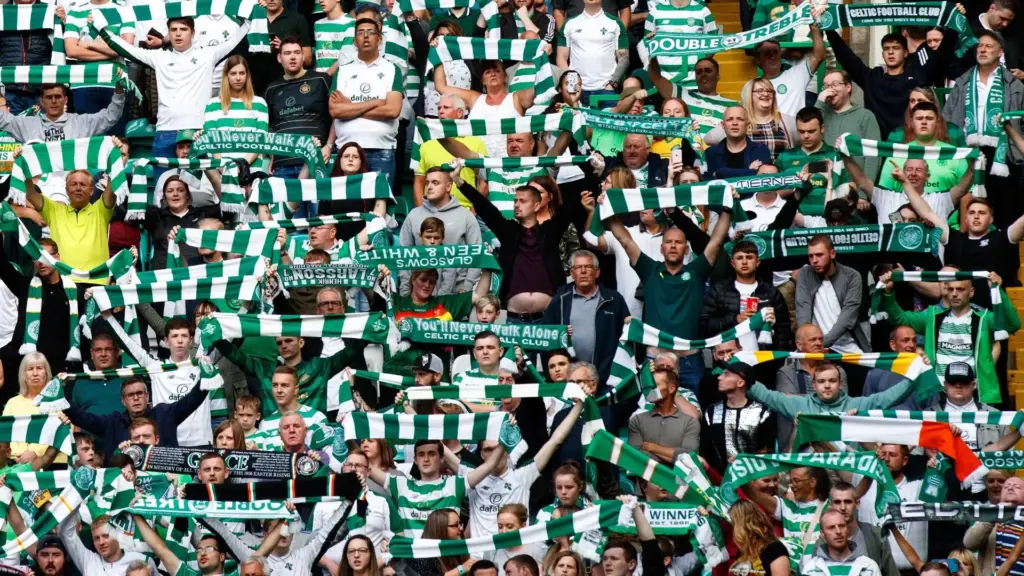
Amid escalating tensions and dissatisfaction within the fanbase, the **Celtic fan boycott** has emerged as a powerful expression of protest against the club’s management. Frustration from Celtic supporters has reached a boiling point, as they demand accountability and transparency from the Celtic board following a series of missteps. The Celtic Fans Collective has voiced their concerns, urging acting chairman Brian Wilson to engage directly with discontented fans to address their grievances. As the situation deteriorates, communication has stalled, and calls for organized protests intensify, highlighting the growing divide between the supporters and those in charge. This wave of activism reflects a broader sentiment among football fan protests, where loyal followers seek meaningful engagement with their clubs to restore trust and accountability.
Within the realm of football, a significant backlash is brewing as supporters rally together, leading to discussions around a potential boycott of matches. This situation captures the essence of Celtic’s passionate community, where the unity of fans is increasingly threatened by dissatisfaction with management decisions. The Celtic Fans Collective stands at the forefront of this movement, representing a collective voice that seeks constructive dialogue with club officials. As the spotlight turns on the acting chairman, Brian Wilson, the emphasis is not just on fan engagement but also on the necessity for introspection and accountability from the Celtic board. This situation serves as a crucial moment for Celtic supporters to advocate for their rights and influence the club’s future direction.
Celtic Fans Unite: Boycott Threats and Fan Protests
The Celtic Fans Collective has sent a strong message regarding their discontent with the current board, threatening to organize a boycott of upcoming matches if their concerns are not addressed. At the heart of this movement is the demand for a meeting with acting chairman Brian Wilson, whose leadership is scrutinized amid growing frustrations. With 142 supporter buses already signaling their willingness to boycott, the level of discontent among Celtic supporters indicates a critical juncture that could affect attendance and the club’s reputation.
The backdrop to these protests is a season marred by poor performance, managerial upheavals, and what many fans perceive as the Celtic board’s failure to acknowledge and engage with their supporters. Recent demonstrations outside Celtic Park following a disheartening 3-1 loss to Rangers highlight the tensions that have been brewing. Armed with a joint letter from 420 supporter organizations, the Collective insists on accountability and a path toward meaningful engagement, urging the board to listen to the loyal fanbase’s grievances.
Breaking Point: Frustration among Celtic Supporters
As frustrations mount, the Celtic fanbase finds itself at a breaking point. The Collective has articulated three key areas of concern, with a call for transparency in footballing strategy, accountability for ongoing failures, and improved protocols regarding fan engagement. Many supporters feel undermined by the board’s dismissive responses to their legitimate queries, a sentiment that has been exacerbated by a tumultuous transition between managers and mishandled communications.
The situation has escalated to the point where fans are not only voicing their discontent but are also contemplating drastic measures such as a boycott. This potential boycott reflects the deep-seated discontent that has permeated Celtic Park, as many feel their passionate support has been taken for granted. Engaging meaningfully with this disenchanted segment of the club is crucial, as disregarding their views could lead to long-lasting damage to the club’s community relations.
Criticism of the board’s decisions has led to a widening rift, as evident during contentious board meetings that left many feeling unheard. The Celtic board must recognize that sustainable success can only be achieved through collaboration with its supporters, who represent the lifeblood of the club. Without addressing these concerns, the risk of prolonged alienation and division only grows.
The Role of the Celtic Fans Collective in Fan Mobilization
The Celtic Fans Collective has emerged as a crucial voice for the supporters, rallying disenfranchised fans under a shared banner of accountability and unity. This collective effort highlights the power of organized protest in driving change within the club. With a dedication to systemic reform, the Collective doesn’t just speak for the voices that feel marginalized; it brings them together to forge a more unified front in their negotiations with the board.
Recent events, including a contentious AGM, underline the necessity for a dedicated platform where fans can express their concerns constructively. The Collective’s insistence on a meeting with Brian Wilson symbolizes a desire not just for dialogue but for tangible change in how the club operates, especially in fostering a more inclusive atmosphere for fans. Fans are the backbone of Celtic, and their engagement should not only be welcomed but actively sought.
Celtic Board’s Mistakes and Fan Discontentment
The Celtic board has faced scrutiny for a series of missteps that have alienated the supporter base, leading to escalated protests and potential boycotts. The lack of transparency surrounding the club’s decisions and strategy has fostered distrust among Celtic fans. Many supporters feel that their passion and loyalty are met with indifference from those in power, culminating in a call for accountability regarding the club’s direction.
The recent decision to terminate long-serving manager Brendan Rodgers, without a clear communication strategy, only deepened existing frustrations. The backlash triggered by this move, coupled with the hiring of an unqualified manager, created further division. Critics argue that these decisions illustrate a disconnection between the club’s leadership and its supporters, emphasizing the crucial need for the board to address and rectify these issues moving forward.
The Importance of Fan Engagement in Celtic’s Future
As the Celtic board faces mounting pressure from discontented supporters, the importance of meaningful fan engagement cannot be overstated. Engaging with the Celtic fanbase is vital not only for maintaining attendance but also for ensuring that the club’s direction aligns with the desires of its supporters. Empowering fans through dialogue and transparency can help heal divisions and foster a sense of community and trust.
The Celtic board now stands at a crossroads; their next actions could define the club’s relationship with its supporters for years to come. Increased engagement efforts could pave the way for collaborative initiatives that benefit both the club and its fans. Success on the pitch is important, but a united front between management and supporters will lay the foundation for Celtic’s long-term prosperity.
Navigating the Path to Reconciliation at Celtic
Reconciliation between the Celtic board and the supporters is crucial for restoring faith in the club’s leadership. The demand for a meeting with Brian Wilson by the Celtic Fans Collective highlights the urgent need for dialogue to address outstanding grievances. A genuine commitment from the club to listen, acknowledge shortcomings, and take corrective actions can pave the way for healing and revitalizing the relationship with their most loyal fans.
A successful reconciliation effort can also serve as a model for future interactions between club leadership and supporters. By creating an open channel for feedback, the board can significantly improve fan engagement and trust. Cultivating such an environment will ensure that the perspectives of Celtic supporters are not only heard but are also factored into the decision-making processes that shape the club’s future.
Celtic’s Reputation at Stake: The Consequences of Discontent
The ongoing discontent among supporters poses a significant risk to Celtic’s reputation both on and off the pitch. Fans are the heart of the club, and their frustrations can translate into financial implications should attendance decline as a result of boycotts. Furthermore, public perception of the club may be affected, painting it as an organization out of touch with its most devoted supporters, which can deter potential new fans or sponsors.
The connection between the club’s leadership and its supporters must be restored quickly to mitigate any risks to reputation. This can be achieved through unified efforts that recognize and respect the contributions of fans, fostering a shared vision that benefits everyone involved with Celtic Football Club. Addressing fan grievances and strengthening relationships can help the club regain its integrity and standing within the football community.
Impact of Fan Mobilization on Celtic’s Future Actions
The mobilization of Celtic supporters drives home a powerful message about the need for the club to reassess its approach to fan engagement. The willingness of 142 supporter buses to boycott upcoming matches illustrates that failure to address concerns promptly could lead to dire consequences. Such organized protests can ignite change within leadership structures and encourage those in power to reconsider their strategies and tactics in dealing with the fanbase.
This awakening among supporters exemplifies the potential impact that fan mobilization can have in shaping the club’s future actions. By advocating for accountability and reform, fans assert their influence in the footballing landscape, reminding the hierarchy that their support is indispensable. If the board recognizes and responds to these mobilization efforts, it can positively alter the trajectory of fan relations, ultimately benefiting the overall health of the club.
Celtic Fans’ Collective Call for Unity and Change
Unity within Celtic Football Club is not just a desired outcome but a critical necessity for any path forward. The Celtic Fans Collective emphasizes that true success relies on collaboration between the board, management, players, and supporters. Their call for unity is not merely rhetoric; it stems from a deep-rooted desire to see the club thrive on all fronts, from pitch performance to fan experience.
Moving toward a culture of unity involves commitment from all parties, particularly the board of directors. They must display a genuine willingness to engage with supporters, work towards reconciliation, and address the concerns raised by the fans. By fostering an environment of mutual respect and collaboration, both the club and its supporters can embark on a journey of collective success that honors Celtic’s rich tradition and passionate fanbase.
Frequently Asked Questions
What triggered the Celtic fan boycott threat from the Celtic Fans Collective?
The Celtic fan boycott threat was sparked by escalating frustration among supporters regarding the club’s management and decisions, particularly following a disastrous summer transfer window and a failed season. The Celtics Fans Collective urged acting chairman Brian Wilson to engage with fans, citing that 142 supporter buses were prepared to boycott an upcoming match unless their concerns were addressed.
How are Celtic supporters expressing their discontent through football fan protests?
Celtic supporters are expressing their discontent through organized football fan protests, including public demonstrations and calls for a boycott. The Celtic Fans Collective has taken the lead in these protests, demanding transparency and accountability from the Celtic board, particularly after receiving little response to their collective grievances.
What specific criticisms have Celtic supporters made about the Celtic board?
Celtic supporters have criticized the Celtic board for a series of mismanagement decisions, including a poorly executed summer transfer window, the appointment and subsequent firing of the inexperienced manager Wilfried Nancy, and lack of accountability for these failures. Fans feel their voices are ignored and seek meaningful engagement from the board.
What actions has the Celtic Fans Collective taken to address their concerns with the club’s management?
The Celtic Fans Collective has taken several actions, including organizing protests, issuing an open letter signed by over 420 supporter organizations, and demanding a meeting with the Celtic board. They aim to address their concerns about the club’s football strategy, accountability for failures, and improved fan engagement.
What is the impact of the Celtic fan boycott on the club’s upcoming fixtures?
The potential Celtic fan boycott could significantly impact the attendance and atmosphere at upcoming home fixtures. With 142 supporter buses indicating their willingness to protest, the boycott could undermine the club’s revenue and the overall fan experience at the stadium, highlighting the ongoing dissatisfaction with the club’s management.
How has the Celtic board responded to the growing anger among supporters?
The Celtic board has faced intense criticism for their lack of meaningful engagement with fans. Recent decisions, such as banning the Green Brigade and revoking fan media access, have further inflamed tensions. Supporters feel that the board’s dismissive attitude towards their concerns has led to heightened anger and calls for boycotts.
What are the Celtic fans seeking from the club to resolve the issues leading to the boycott threat?
Celtic fans are seeking open dialogue and reconciliation with the club. They are calling on acting chairman Brian Wilson to meet with the Celtic Fans Collective to discuss their concerns sincerely. Fans want to work together with the club towards systemic change, improved communication, and a united front in supporting the team.
What could be the consequences for Celtic if the boycott occurs?
If the boycott occurs, Celtic could face significant financial losses due to reduced matchday revenues, a decline in season ticket sales, and a diminished match atmosphere, which can impact team performance. This would highlight the need for the club to address the root causes of fan dissatisfaction.
| Key Points |
|---|
| Celtic Fans Collective demands action from the acting chairman Brian Wilson. |
| Supporter anger has reached a breaking point, leading to potential boycott discussions. |
| Tension between fans and the board heightened after a poor transfer window and performance. |
| A joint letter from 420 supporters’ organizations highlighted three key areas of concern. |
| The appointment of inexperienced coach Wilfried Nancy resulted in further disappointment. |
| Protest actions have ensued due to the board’s lack of accountability and engagement. |
| There is a call for reconciliation and dialogue between fans and the club. |
Summary
The Celtic fan boycott is gaining momentum as supporter groups express their dissatisfaction with the club’s management. After a series of disappointments, including poor performance on the field and a failure of the board to engage with fan concerns, the situation has escalated. This recent call for a boycott reflects deep frustrations within the fanbase, signaling a pivotal moment for Celtic in addressing the disconnect between the club’s leadership and its supporters.

