
Listen to this article
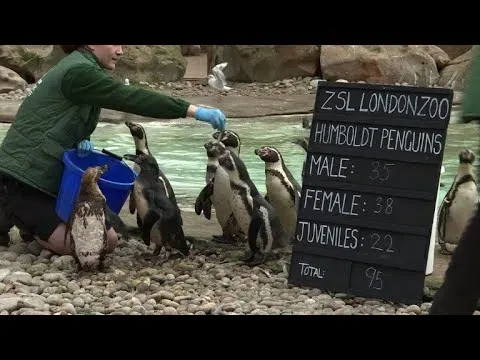
As London Zoo embarks on its annual animal count, the excitement is palpable as the Zoological Society of London (ZSL) celebrates its monumental 200-year anniversary. This detailed stocktake not only reflects the diversity of species in the zoo—housing over 8,000 animals, including the recently hatched Humboldt penguins and critically endangered Asiatic lions—but also plays a crucial role in endangered species conservation efforts. Each year, zookeepers meticulously catalog each animal to meet licensing requirements and aid global wildlife census initiatives. The insights gained from this comprehensive tally inform conservation breeding programs that contribute to the survival of vulnerable species around the globe. With London Zoo’s storied history intertwined with milestones in wildlife preservation, this year’s count marks a significant chapter in ZSL’s enduring legacy of protecting wildlife and fostering biodiversity.
London Zoo is currently undertaking an important wildlife census, a yearly ritual that aligns with its dual celebration of biodiversity and the institution’s impressive 200-year legacy. The stocktake involves an extensive review of its varied animal populace, including key highlights like the flourishing Humboldt penguin colony and the critically endangered Asiatic lions that call the zoo home. Through this meticulous process, zookeepers are not only fulfilling a vital regulatory obligation but also contributing substantially to global efforts in endangered species conservation. As the count progresses, it emphasizes the zoo’s commitment to preserving unique and vulnerable animals, thus playing a pivotal role in international conservation strategies. Ultimately, this annual event serves as a reminder of the zoo’s significant function in wildlife protection and the vital importance of maintaining healthy ecosystems.
London Zoo’s Annual Animal Count: A Milestone in Conservation
As the Zoological Society of London (ZSL) marks its 200th anniversary, the annual animal count at London Zoo has taken on heightened significance. This stocktake is not just a routine check but a crucial process that documents every inhabitant of the zoo, encompassing over 8,000 animals. This meticulous tally informs essential global conservation breeding programs and provides insights into the biodiversity housed within the zoo. The diverse species range from leafcutter ants to critically endangered Asiatic lions, underscoring the zoo’s role in both education and species preservation.
The annual stocktake serves a critical purpose in wildlife conservation. By maintaining an accurate account of the animal population, ZSL can track the health and viability of various species, facilitating important decisions surrounding breeding and reintroduction efforts. The care taken during this census ensures that conservation efforts are scientifically grounded, making it an indispensable element of ZSL’s ongoing mission to protect endangered species. As the animal count is compiled, it symbolizes both a celebration of success in breeding programs and a reminder of the challenges that many animals continue to face in the wild.
Celebrating 200 Years of ZSL: Innovations in Endangered Species Conservation
August 2026 marks a significant milestone for the Zoological Society of London, celebrating 200 years of unwavering commitment to wildlife conservation. Established in 1826, ZSL has evolved from its inception as a science-focused charity into a beacon of hope for many endangered species. The organization not only promotes research but also implements innovative conservation strategies, ensuring the future of animals like the Humboldt penguin and the critically endangered Asiatic lions at London Zoo. Through education and public engagement, ZSL raises awareness about the plight of species at risk of extinction, encouraging a shared responsibility for conservation.
The recent breeding successes at London Zoo, including the hatching of Humboldt penguin chicks and the birth of Socorro dove chicks, illustrate the effectiveness of ZSL’s conservation programs. With the wild populations of these species dwindling, such achievements are vital for bolstering their numbers and promoting species resilience. These conservation triumphs emphasize the zoo’s vital role in addressing the global biodiversity crisis, showcasing how targeted breeding initiatives can contribute to the survival of species that are often overlooked. ZSL’s dedication to these programs reinforces its position as a leader in the field of endangered species conservation.
The Role of London Zoo in Biodiversity Conservation
London Zoo plays an integral role in biodiversity conservation by serving as a living archive of species diversity and a center for education. With over 8,000 animals representing countless species, the zoo not only entertains but also enlightens visitors about the importance of wildlife conservation. Through educational programs and exhibits, ZSL engages the public in critical discussions about ecosystem preservation and the threats facing many species worldwide. This approach helps cultivate a sense of stewardship among visitors, fostering a community dedicated to the cause of wildlife conservation.
Moreover, London Zoo’s conservation initiatives extend well beyond its walls. The institution collaborates with over 200 conservation organizations globally to share knowledge, resources, and expertise in wildlife management. By actively participating in species recovery programs, such as those focused on the endangered Darwin’s frog, ZSL emphasizes the necessity of cross-border cooperation in addressing the challenges posed by habitat loss and climate change. This commitment reinforces the significance of zoos as more than just places to see animals; they are crucial contributors to global conservation efforts.
Humboldt Penguins: A Conservation Success Story at London Zoo
The Humboldt penguin colony at London Zoo has become a symbol of successful conservation efforts, particularly following the notable hatching of 16 chicks in one season. This remarkable event not only boosts the population of a vulnerable species but also highlights the zoo’s proactive approach to wildlife management. Humboldt penguins, native to coastal Peru and Chile, face numerous threats in their natural habitats, including climate change and overfishing. The zoo’s commitment to breeding these penguins aligns with ZSL’s mission to restore healthy populations and educate the public about the challenges these charming birds face.
The breeding program for Humboldt penguins at London Zoo demonstrates the effectiveness of captive breeding as a conservation tool. By managing the genetics of the population and ensuring a sustainable ecosystem within the zoo, ZSL is maximizing its impact on the species’ overall health. Furthermore, the engaging public displays allow visitors to connect with these animals on a personal level, thereby increasing awareness about their plight in the wild. The success of the Humboldt penguins at London Zoo is a testament to the combined efforts of dedicated conservationists and the importance of raising consciousness about endangered species.
Endangered Species: The Importance of Wildlife Census
Conducting a wildlife census is fundamental to understanding the health of various species, especially those that are endangered. London Zoo’s annual stocktake not only documents the number of animals but also assesses their wellbeing and ecological status. This crucial data informs conservation strategies and helps guide initiatives that aim to boost populations of critically endangered species. For instance, the information gained from the census on the population of Darwin’s frogs is vital in tailoring specific conservation actions to combat threats such as diseases and habitat destruction.
Moreover, the wildlife census plays a key role in regulatory compliance for zoos globally. By maintaining accurate records of each species, ZSL fulfills legal obligations while simultaneously contributing valuable data to international conservation databases. This collaboration enhances the collective knowledge about wildlife trends and population dynamics, supporting global efforts in species recovery. Counting and assessing the health of wildlife in captivity is thus an essential step toward ensuring the survival of species that often face dire conditions in the wild.
ZSL’s 200-Year Legacy: Protecting the Planet’s Wildlife
As ZSL celebrates its 200th anniversary, its legacy of protecting wildlife is more important than ever. Over two centuries, the organization has played a pivotal role in championing wildlife conservation, education, and research. From its early days as the first scientific zoo to its present-day role as a global leader in conservation efforts, ZSL has adapted to the challenges of changing landscapes, human interference, and climate crises. Through its work, it has not only saved numerous species from extinction but has also engaged millions in the conversation about sustainable coexistence with nature.
ZSL’s commitment to conservation is evident through numerous initiatives aimed at protecting endangered species and restoring ecosystems. By focusing on both in-situ and ex-situ conservation strategies, such as habitat preservation and breeding programs, ZSL exemplifies a comprehensive approach to wildlife management. The 200-year milestone emphasizes the need for continuous innovation and collaboration in wildlife conservation, reminding us that protecting our planet’s natural heritage is an ongoing effort that requires global solidarity and action.
Success Stories in Endangered Species Conservation at London Zoo
The recent successes seen in endangered species conservation at London Zoo serve as a beacon of hope in the realm of biodiversity preservation. From the hatching of the Humboldt penguin chicks to the birth of the critically endangered Socorro dove chicks, these triumphs underscore the effectiveness of ZSL’s breeding programs and the dedication of its conservationists. Such achievements not only contribute to increasing the numbers of these vulnerable species but also enhance genetic diversity, which is crucial for long-term population sustainability.
The significance of these success stories extends beyond the walls of the zoo, as they inspire and educate the public about the plight of endangered species. With each new birth, ZSL raises awareness of the threats these animals face in their natural habitats, encouraging visitors to support conservation efforts in tangible ways. Whether through visits, donations, or advocacy, the community’s involvement is vital to ensuring a future for these cherished creatures and preserving the rich diversity of life on Earth.
Engaging the Community in Conservation at London Zoo
London Zoo serves as a vital hub for community engagement in wildlife conservation, focusing on education and outreach initiatives for all ages. Through interactive programs, workshops, and talks, visitors gain insights into the challenges facing endangered species and learn about the importance of biodiversity. These experiences not only enhance appreciation for wildlife but also empower individuals to take action in their own lives, fostering a new generation of conservation advocates. The connection forged between visitors and the animals at London Zoo creates a ripple effect of awareness, encouraging people to become stewards of the environment.
Additionally, ZSL’s diverse educational offerings highlight various conservation themes, such as habitat protection and the impact of climate change on species survival. By collaborating with schools, universities, and local organizations, London Zoo expands its reach and impact, ensuring that the message of conservation resonates widely. Community involvement is crucial for the success of conservation initiatives, and London Zoo is committed to inspiring collective action to protect wildlife and their habitats. The efforts made here prove that when communities rally together, they can make significant strides toward achieving sustainability and preserving the delicate balance of ecosystems.
The Future of Conservation: Challenges Ahead for London Zoo and ZSL
Despite the successes celebrated at London Zoo, the future of conservation remains fraught with challenges. As climate change accelerates and habitats are lost, the pressure on endangered species continues to grow. London Zoo and ZSL must navigate these complexities while striving to ensure the survival of vulnerable animals. The need for adaptive strategies that incorporate scientific advancements and public engagement becomes ever more critical as they work to fulfill their mission of wildlife protection and education.
Moreover, addressing issues such as human-wildlife conflict and poaching requires collaboration across global conservation organizations. ZSL’s extensive network enables it to share knowledge and resources, facilitating joint efforts to tackle these pressing concerns. As they move forward into the next century, ZSL and London Zoo stand as a testament to resilience, innovation, and the enduring commitment to conserving the planet’s precious biodiversity. The focus on integrated conservation approaches will be key to facing the challenges of the future, ensuring that the dedication of today leads to a sustainable tomorrow for wildlife.
Frequently Asked Questions
What is the significance of the London Zoo animal count for ZSL’s 200th anniversary?
The London Zoo animal count marks a pivotal part of the Zoological Society of London’s (ZSL) 200th anniversary, allowing the zoo to document the diverse array of over 8,000 animals and assess its contributions to endangered species conservation.
How does the London Zoo stocktake contribute to species conservation efforts?
The London Zoo stocktake is essential for monitoring animal populations, informing global conservation breeding programs, and addressing the critical needs of endangered species such as the Humboldt penguins and Asiatic lions.
What recent successes were recorded in London Zoo’s wildlife census?
During the latest wildlife census at London Zoo, significant increases were noted, including 16 Humboldt penguin chicks and eight Socorro dove chicks, highlighting the zoo’s effective role in endangered species conservation.
How does London Zoo handle endangered species within its animal count?
London Zoo meticulously records its endangered species, such as the critically endangered Darwin’s frogs, during the annual animal count to support conservation strategies and breeding programs aimed at preventing extinction.
Why is the counting of Humboldt penguins important in London Zoo’s animal census?
The counting of Humboldt penguins during London Zoo’s animal census plays a vital role in documenting their population growth and supports ongoing conservation efforts for this vulnerable species endemic to Chile and Peru.
What is the role of the London Zoo animal count in global conservation breeding programs?
The London Zoo animal count is instrumental in compiling data that informs global conservation breeding programs, helping to ensure the survival of species that are critically endangered or extinct in the wild.
How does the London Zoo stocktake enhance public awareness of endangered species?
The London Zoo stocktake raises public awareness by showcasing the diverse animal populations, especially endangered species, reinforcing the importance of conservation efforts and inspiring visitors to support wildlife preservation.
What can visitors expect to learn from the London Zoo’s annual wildlife census?
Visitors can expect to gain insights into the health and status of various species, including critically endangered ones like the Asiatic lions, and learn about the zoo’s commitment to conservation through the annual wildlife census.
How does ZSL utilize data from the London Zoo animal count to aid conservation efforts?
ZSL uses data from the London Zoo animal count to evaluate species health, enable targeted conservation initiatives, and collaborate with other organizations in efforts to restore ecosystems and protect endangered species.
What unique challenges does London Zoo face regarding its animal count for endangered species?
London Zoo faces challenges such as habitat preservation and disease management, particularly for endangered species recorded during the animal count, which demand tailored conservation strategies to ensure their survival.
| Aspect | Details |
|---|---|
| ZSL 200th Anniversary | ZSL celebrates 200 years as a conservation charity. |
| Animal Count | Annual stocktake of over 8,000 animals, including critically endangered species. |
| Conservation Efforts | Efforts include breeding programs for endangered species such as Socorro doves and Darwin’s frogs. |
| Significant Breeding Success | Recent births include 16 Humboldt penguins and 8 Socorro dove chicks. |
| Expert Opinion | Dan Simmonds, head keeper, emphasizes the importance of sustainable populations for conservation. |
Summary
The London Zoo animal count is a vital element of the zoo’s conservation efforts, especially as ZSL marks its 200th anniversary. With over 8,000 animals, including several endangered species, this annual census plays a crucial role in maintaining animal records for global conservation breeding programs. Recent successful breeding initiatives, such as those of the Humboldt penguins and Socorro doves, demonstrate the zoo’s commitment to wildlife preservation. As we look forward, the continuous growth and sustainability of these populations reflect the importance of conservation work conducted at London Zoo.