
Listen to this article
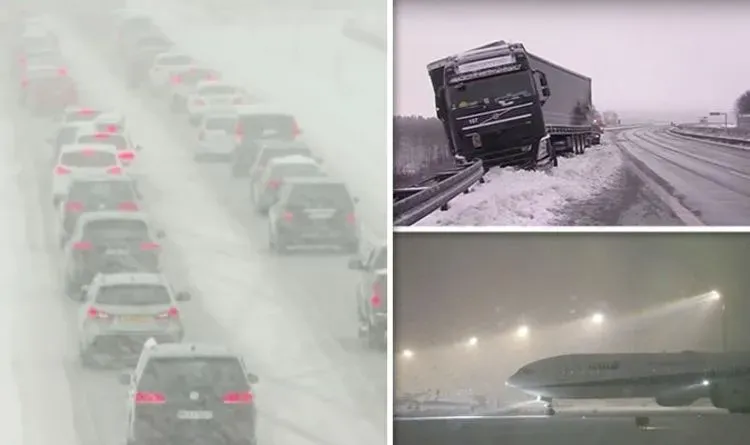
Europe snowfall travel disruption has gripped the continent as intense winter weather unleashes heavy snowfall, leading to severe travel complications. Thousands of passengers are left stranded at airports across major hubs like Paris and Amsterdam due to extensive flight cancellations fueled by icy conditions. Tragically, at least six fatalities have been reported as a direct result of the hazardous driving scenarios, emphasizing the dire impacts of snow on travel. Authorities are urging individuals to limit non-essential outings and consider remote work due to the ongoing snowfall and anticipated black ice. As the situation evolves, further disruptions in rail, air, and road travel are expected, making it crucial for travelers to stay informed and prepared.
As winter weather conditions grip Europe, the continent is facing significant travel interruptions due to heavy snowfall and icy roads. This season of severe weather has resulted in numerous flight cancellations and hindered transport systems, creating chaos for travelers trying to reach their destinations. With increased snowfall expected in many regions, including critical transport hubs, the potential for further travel delays remains high. Authorities are emphasizing safety and advising the public to remain vigilant during this challenging weather period. Understanding the impacts of winter storms is vital for anyone planning to travel in the coming days.
Impact of Heavy Snowfall on European Travel
Heavy snowfall across Europe has significantly impacted travel, resulting in widespread disruptions that have left many stranded. Major airports in cities like Paris and Amsterdam have witnessed hundreds of flight cancellations, exacerbated by both heavy snow and icy conditions. Travelers attempting to navigate through the chaos have found themselves facing long delays and chaotic scenes at airports, with many unable to make important connections. Authorities have reported dangerous travel conditions on roads, making it imperative for travelers to remain vigilant and consider alternative modes of transportation.
In addition to cancelled flights, severe weather has led to treacherous driving conditions throughout Europe. Police have reported multiple fatalities tied to winter travel accidents, further highlighting the dangers posed by icy roads and heavy snow. Moreover, significant train delays and cancellations have impacted rail travel, forcing many passengers to seek alternative transport. As this winter weather persists, travelers are urged to continually monitor conditions and heeding local advisories to ensure their safety.
Frequently Asked Questions
What travel disruptions are currently affecting Europe due to snowfall?
Europe is currently experiencing significant travel disruptions due to heavy snowfall. Major airports in Paris and Amsterdam have reported hundreds of flight cancellations, stranding thousands of passengers. Train services have also been affected, with many canceled across France and the Netherlands. Authorities are urging travelers to limit travel during extreme winter weather conditions.
How has heavy snowfall in Europe impacted flights?
Heavy snowfall in Europe has led to widespread flight cancellations, particularly at major airports like Paris Charles de Gaulle and Amsterdam Schiphol. For example, a 40% cancellation rate was reported for flights at Charles de Gaulle, while over 400 flights were canceled at Schiphol due to extreme weather conditions. The ongoing snowfall has created challenges for airlines in managing de-icing operations, further complicating travel.
Are there any travel advisories related to winter weather in Europe?
Yes, travel advisories are in effect across multiple regions in Europe due to winter weather conditions. French authorities have placed 38 districts on orange alert for snow and black ice. Travelers are advised to stay updated on local travel conditions and limit road travel where possible. The situation may worsen with more snowfall expected in the coming days.
What is the situation for rail journeys in Europe amidst the snowfall?
Severe winter weather has also disrupted rail services in Europe, particularly in the Netherlands where all train services were temporarily halted due to icy conditions and an IT outage. Eurostar services connecting Paris and Amsterdam experienced delays and cancellations, complicating travel plans for many passengers.
What precautions should travelers take during heavy snowfall in Europe?
Travelers in Europe during heavy snowfall should take several precautions: check flight and train statuses before heading to the airport or station, consider alternative travel arrangements, and avoid unnecessary travel if conditions are severe. Additionally, staying informed through local news and official travel advisories is crucial for safety during winter weather disruptions.
How long are travel disruptions expected to last due to snowfall in Europe?
Travel disruptions in Europe due to snowfall are expected to continue for several days, particularly as forecasts predict additional snow accumulation. Authorities are urging travelers to remain vigilant and flexible with travel arrangements as conditions evolve. Passengers should check for updates from airlines and transport services regularly.
| Location | Impact | Fatalities | Travel Disruptions |
|---|---|---|---|
| France | Severe driving conditions due to black ice and snow | 5 deaths across two incidents | 40% flight cancellations at Roissy-Charles de Gaulle airport; train services canceled |
Summary
Europe snowfall travel disruption has caused unprecedented chaos across the continent as intense snowfall leads to significant safety risks and cancellations. With reports of multiple fatalities and airports like Paris and Amsterdam experiencing hundreds of flight cancellations, travelers are faced with long delays and limited information. The situation is exacerbated by black ice and continued snowfall, prompting authorities to advise limiting travel. As conditions worsen with the approach of Storm Goretti, the coming days may see further travel challenges and disruptions across Europe.

