Listen to this article
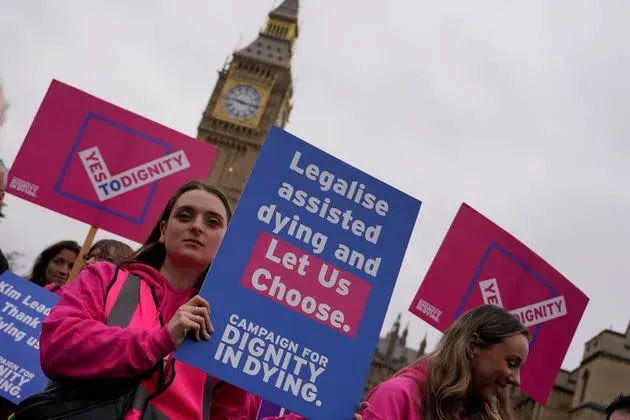
The ongoing debate surrounding assisted dying legislation has taken center stage in the House of Lords, prompting campaigners to urge peers to extend their sitting hours to ensure the timely passage of the End of Life Bill. As pressures mount, supporters express concerns that the proposed bill may face significant parliamentary hurdles, jeopardizing its future. With an impressive array of over 1,000 amendments brought forth, attributed to the bill’s complexity and the heated discussions it invites, it is clear that each session is crucial for its progress. Spearheaded by Lord Falconer, this legislation aims to provide a compassionate option for terminally ill adults seeking to end their suffering, yet it faces staunch opposition from some quarters. As the clock ticks towards the next King’s Speech, the urgency to address the fate of this landmark bill grows increasingly apparent.
The conversation around laws that permit assisted dying, often referred to as euthanasia or physician-assisted suicide, is increasingly pertinent in today’s society. As advocates push for legislative changes, particularly in relation to the Terminally Ill Adults Bill, public and parliamentary discussions intensify. Critics voice concerns regarding the protection of vulnerable populations, arguing that reform should be carefully constructed to avoid potential misuse. Meanwhile, proponents, led by figures such as Lord Falconer, argue that such legislation is essential for providing dignity to those facing insurmountable suffering. With the House of Lords at a critical juncture, the outcome of these discussions could forever change the landscape of end-of-life care in the UK.
The Importance of Assisted Dying Legislation in Parliament
The ongoing discourse around assisted dying legislation has brought vital issues concerning patient autonomy and dignity to the forefront of parliamentary debates. Campaigners aim to ensure that individuals facing terminal illness can choose the timing and manner of their passing, invoking a fundamental right to end-of-life options. Advocates argue that the legislation, particularly the Terminally Ill Adults Bill, extends necessary protections and choices for those in dire circumstances. This perspective is contrasted with concerns from critics who emphasize the potential risks for vulnerable populations, highlighting the need for safeguards within the law.
As the House of Lords convenes to discuss the assisted dying legislation, the implications of their decisions resonate beyond individual cases. The bill’s passage or its demise will reflect the collective values of society regarding end-of-life issues. Lord Falconer has been a notable figure promoting this cause, emphasizing the moral obligation of lawmakers to align legislation with the evolving views of the public. Through dialogue, lawmakers can navigate the complexities surrounding the bill, ensuring that constituents’ rights and ethical concerns are adequately addressed.
Navigating Parliamentary Hurdles for End of Life Bill
The path towards passing the End of Life Bill in the House of Lords is fraught with parliamentary hurdles that campaigners must navigate with urgency. The legislation must clear multiple stages before the anticipated King’s Speech, adding significant pressure on peers to prioritize the bill. The proposed motion aiming to grant additional time for discussions demonstrates the commitment of some Lords to thoroughly consider the implications of the legislation. However, opposition from certain factions indicates that reaching a consensus may prove challenging, possibly delaying the bill’s progress.
Moreover, with over 1,000 amendments proposed by members of the House of Lords, the complexity of discussions surrounding the bill has increased substantially. While some amendments may aim to enhance the bill’s safety net for vulnerable individuals, they can also be interpreted as delaying tactics by those resistant to change. The tension between ensuring robust legislative scrutiny and expediting the bill’s passage reflects the broader societal debate over assisted dying, emphasizing the need for open dialogue and compromise among peers to achieve a successful outcome.
Frequently Asked Questions
What is the current status of the assisted dying legislation in the House of Lords?
The assisted dying legislation, specifically the Terminally Ill Adults (End of Life) Bill, is currently facing parliamentary hurdles in the House of Lords. Campaigners are urging the Lords to extend sitting hours to ensure the bill can be adequately debated and scrutinized before the next King’s Speech, expected in early May.
How many amendments have been proposed for the assisted dying legislation?
There have been over 1,000 amendments proposed to the assisted dying legislation in the House of Lords. This significant number reflects ongoing concerns about the bill’s protections for vulnerable individuals and suggests a contentious debate ahead.
What are the possible consequences if the assisted dying legislation fails to pass before the King’s Speech?
If the assisted dying legislation does not navigate all its parliamentary hurdles before the next King’s Speech in early May, it will be dismissed. However, supporters believe the Parliament Acts may allow for its reintroduction in the future without House of Lords approval.
Who is Lord Falconer and what role does he play in the assisted dying legislation?
Lord Charlie Falconer is one of the primary supporters of the assisted dying legislation in the House of Lords. He has introduced motions to extend debate time for the Terminally Ill Adults (End of Life) Bill, stressing the need for thorough scrutiny before its return to the House of Commons.
What arguments are being made against the assisted dying legislation?
Critics of the assisted dying legislation argue that it does not provide adequate protections for vulnerable individuals and requires substantial amendments before it can be considered safe and acceptable. They contend that the bill, as it stands, poses significant risks.
What is the Parliament Act in relation to the assisted dying legislation?
The Parliament Act allows certain bills, such as the assisted dying legislation, to become law without the approval of the House of Lords if they are rejected in two consecutive sessions. This act could potentially facilitate future attempts to pass the Terminally Ill Adults (End of Life) Bill, even if it faces opposition from the Lords.
Why are some peers opposed to extending sitting hours for the assisted dying legislation debate?
Some peers have expressed opposition to extending sitting hours for the assisted dying legislation debate due to potential conflicts with religious observances, such as the Jewish Shabbat. Concerns have also been raised regarding the implications of seeming to discriminate against disabled peers requiring specific travel arrangements.
What impact does the assisted dying legislation have on the general public?
The assisted dying legislation impacts the general public significantly as it addresses the rights of terminally ill individuals to choose assisted dying as an option for ending suffering. The outcome of this legislation could influence public perceptions and legal frameworks surrounding end-of-life choices in the UK.
What is Lord Shinkwin’s perspective on the assisted dying legislation?
Lord Shinkwin, who is disabled, has voiced concerns about potential discrimination in the discussions surrounding the assisted dying legislation. He argues that later sitting times could create accessibility issues for individuals with disabilities, emphasizing the need for an inclusive approach in these deliberations.
| Key Points | Details |
|---|---|
| Urgency for Legislation | Campaigners are pushing the House of Lords to extend their session to pass assisted dying legislation. |
| Concerns over Time | Supporters worry that the bill may not pass all parliamentary stages before the deadline. |
| Proposed Motion | A motion suggests granting more time for consideration of the bill in the Lords. |
| Debate Timing Issues | Extending debates could conflict with religious practices of some peers. |
| Parliamentary Hurdles | Over 1,000 amendments have been proposed, raising concerns over potential delays. |
| Opposition to Extra Time | Opponents of the bill may refuse to agree to additional time for debate. |
| Deadline for Passage | All stages must be completed by early May to avoid dismissal. |
| Parliament Act Potential | There is a possibility to bypass Lords’ approval if the bill fails twice. |
| Call for Immediate Resolution | MP Kim Leadbeater emphasizes the need for timely parliamentary decision. |
| Opposition from Religious Leaders | The incoming Archbishop of Canterbury and others oppose the legislation. |
Summary
Assisted dying legislation has become a pressing matter in the House of Lords, where campaigners are advocating for a timely passage of the bill. Concerns are mounting that the legislation may face significant hurdles and potentially be dismissed if not finalized before the upcoming parliamentary deadlines. With over 1,000 amendments proposed, the debate remains contentious, balancing urgency against the complexities of legislative processes. Supporters urge for prompt action, emphasizing that the lives of terminally ill individuals depend on this decision, while opponents express worry for vulnerable populations. The outcome of this legislative effort is critical and could have lasting implications for end-of-life choices in the UK.