
Listen to this article
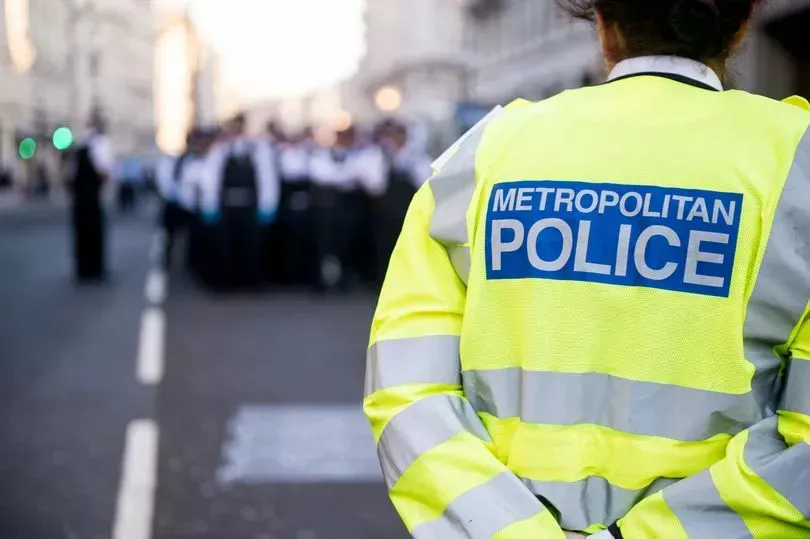
The ongoing Metropolitan Police strike has garnered significant attention as staff prepare to walk out for an additional six days this January amidst a heated wage dispute. With 175 members of the Unite union, including essential call handlers and technicians, set to participate from January 19 to January 24, the situation echoes previous strikes that have already disrupted police services. Union leaders argue that the Metropolitan Police’s pay increase proposal is grossly inadequate, especially considering other police staff and officers across the UK received raises averaging 4.2%. Concerns mount over how these strikes—part of the broader London police strike movement—will affect public safety and emergency response times. As pressure mounts on both sides, the ongoing protest reveals a deepening rift over police staff pay increase negotiations that could shape the future of law enforcement in the capital.
The recent uprising among the ranks of the Metropolitan Police staff signals a crucial moment in the ongoing wage negotiations. As members from the Unite union prepare for further action, concerns over fair compensation have reached a boiling point, drawing comparisons to strikes seen in various police sectors throughout London. This unrest not only highlights the disparities in staff remuneration but also underscores the broader implications of police staff protests against perceived inequities in pay and conditions. With the commitment to maintaining operational efficacy under threat, the ramifications of the Metropolitan Police staff strike extend far beyond simple wage disagreements, raising questions about the treatment of vital personnel in the public safety sector. The pressing need for a resolution to this pay dispute could dramatically influence the future landscape of policing in the capital and beyond.
Understanding the Metropolitan Police Strike
The Metropolitan Police strike scheduled from January 19 to January 24 is a significant development in labor relations involving police staff in London. This industrial action, which involves around 175 members of the Unite union, primarily comprises call handlers and technicians, is a direct response to ongoing wage disputes. The strike aims to highlight grievances concerning pay disparities, particularly in comparison to the 4.2% average raise awarded to other police personnel across the UK. With the first strike on New Year’s Eve causing notable disruptions, including delays in emergency response times, the implications of this upcoming strike on public safety and police operations could be substantial.
The Unite union has voiced strong discontent with the Metropolitan Police’s inadequate pay increases, describing them as inferior and unfit for the essential work performed by staff. In the backdrop of a severe recruitment crisis among police forces nationwide—an issue that does not similarly affect police staff—the union’s demands for improvement become even more pronounced. Despite the Metropolitan Police citing budget constraints as a reason for the restricted wage offers, the potential for further unrest remains high as unions advocate for fair compensation that matches the expectations set by similar roles within the police system.
The Wage Dispute Between Unite Union and Metropolitan Police
The wage dispute between the Unite union and the Metropolitan Police escalated due to the police force’s refusal to meet the demands of their staff. After rejecting two pay proposals that either fell short of inflation or included detrimental changes to working conditions, union leaders have urged their members to take action. The current situation has highlighted the power struggle between frontline staff seeking fair treatment and the bureaucratic constraints faced by police leadership amidst financial limitations. Unite’s regional officer, Keith Henderson, pointed out that the Met’s offer does not reflect the realities faced by their members, prompting calls for a more equitable solution.
This dispute is not merely about compensation; it encapsulates broader concerns regarding staff morale and operational efficacy. As Unite general secretary Sharon Graham articulated, it is fundamentally unjust to demand that police staff accept unfavorable conditions as a trade-off for parity in wages. By undermining staff’s position, the Metropolitan Police may encounter heightened resistance and even more severe operational disruptions as affected employees seek advocacy through organized strike action. The dynamics at play in this wage dispute serve as a critical reminder of the importance of fair labor practices in the public sector.
Impact of the London Police Strike on Public Safety
The impending London police strike raises concerns regarding public safety and emergency services. With Unite union members planning to halt work for six days, the ability of the Metropolitan Police to respond efficiently to incidents will be severely tested. Previous strikes have already demonstrated the vulnerability of police operations, leaving community members questioning the reliability of emergency assistance during critical times. For many, the thought of police staff protests disrupting essential services is alarming, especially given that call handlers and technicians play pivotal roles in emergency response systems.
The ramifications of these strikes may extend beyond immediate operational challenges; they could also alter public perception of the Metropolitan Police. If communities feel they cannot rely on timely responses due to labor unrest, this could foster distrust or frustration toward law enforcement agencies. Furthermore, the visibility of organized strikes may energize public support for police staff’s demands, possibly influencing future negotiations regarding pay and working conditions. Thus, the balance between advocating for appropriate compensation and maintaining public safety is a delicate one, meriting close attention from both law enforcement leaders and community stakeholders.
Unite Union’s Response to Metropolitan Police’s Pay Offer
The Unite union’s response to the Metropolitan Police’s recent pay offers has been sharply critical, reflecting frustrations rooted in perceived inequities within the organization. The union’s rejection of offers that did not meet inflationary pressures has positioned Unite as a staunch advocate for police staff rights. Union leadership insists that without a fair compensation resolution, the long-term consequences for staffing morale and operational effectiveness could be dire. Rather than merely seeking to match pay raises elsewhere, Unite emphasizes that their members deserve recognition for their unique contributions to public safety and community service.
In articulating their stance, Unite leaders, including Keith Henderson, have expressed that the substantive demands of their members are rooted in a quest for dignity and respect in the workplace. The insistence on improving pay reflects a broader goal to ensure that working conditions do not diminish as pay scales struggle to keep pace with living costs. Notably, the sentiments echoed by union representatives underscore the deeper narrative of labor rights and fair treatment amid fiscal constraints faced by many public sector entities, including the Metropolitan Police.
The Role of Public Opinion During Disputes
Public opinion serves as a crucial factor during labor disputes, particularly in instances involving public services like the Metropolitan Police. The general public’s views can significantly influence both the trajectory of negotiations and the potential resolutions to conflicts. As the Unite union prepares to carry out strikes, community sentiment will undoubtedly shape the response from the Metropolitan Police and government officials alike. When the public recognizes the value of police staff and empathizes with their struggles, there is a likelihood of increased support for union actions and demands.
This relationship between public perception and labor disputes underscores the importance of communication from both the union and police authorities. How each side frames their narrative can sway public sentiment decisively—be it portraying the necessity of fair wages for maintaining competent emergency response or highlighting budgetary constraints that necessitate tough decisions. Engaging public support can also provide additional leverage for unions, impacting negotiations significantly when broader societal values resonate with their cause. As the Metropolitan Police and Unite navigate these challenges, the role of public opinion will be a pivotal arena in shaping outcomes.
Future Implications for Metropolitan Police Staff
The outcomes of the ongoing wage dispute between the Metropolitan Police and Unite union staff could set critical precedents regarding employee rights and compensation across public services. If the union’s demands for better pay and working conditions are met, it might open the floodgates for similar actions by other public sectors facing wage stagnation. Conversely, if the dispute remains unresolved, it could reinforce a culture of underappreciation for essential personnel, prompting long-term issues in recruitment and retention within the Metropolitan Police and beyond.
Furthermore, these developments are likely to foster a new wave of strategic planning within public service organizations. The need to balance budget constraints with fair employee compensation will become increasingly pressing, encouraging more thoughtful approaches to employee relations and workforce sustainability. Stakeholders across the board will need to evaluate their practices to ensure they align with fair treatment principles while managing fiscal realities. As the situation unfolds, the lessons learned will significantly shape the landscape of labor relations within the Metropolitan Police and other public agencies.
Navigating Budget Constraints in Police Funding
The allocation of budgets within the Metropolitan Police has come under scrutiny amidst the ongoing wage dispute. The police authority has consistently cited financial limitations as the primary reason for inadequate pay offers to staff. This situation sheds light on the larger issues of public sector financing, where budget constraints can directly impact the quality of services delivered to the public. As the Unite union racks up support for their cause, it is evident that sustainable funding solutions need to be a part of the broader discussion regarding labor conditions within law enforcement.
Effective navigation of budget restrictions requires a multifaceted approach, combining advocacy for increased funding with strategic management of resources. Engaging with policymakers and stakeholders will be integral for the Metropolitan Police in articulating the critical role their staff play in community safety and the necessity of fair remuneration. Only through transparent communication about the need for adequate resources can law enforcement agencies hope to resolve disputes that threaten both service provision and staff morale.
The Importance of Acknowledging Police Staff Contributions
The contributions of police staff such as call handlers and technicians are often overshadowed in discussions about law enforcement. However, the ongoing wage dispute with the Unite union underscores the importance of recognizing their integral role within the police force. These staff members facilitate critical communications and operational support, making them essential to effective policing and public safety. As the Metropolitan Police faces challenges from staff protests, it becomes increasingly vital to champion the contributions of all personnel within the organization.
Creating a culture that acknowledges and respects the work of police staff can lead to improved job satisfaction and retention rates. When employees feel valued, it reflects positively in their interactions with the community and their dedication to serving the public. If the Metropolitan Police can foster an environment that prioritizes recognition and fair compensation, the long-term benefits may enhance both staff morale and public trust in law enforcement. Addressing wage disparities is not just about fair pay; it’s about affirming the critical role that every member plays in the safety and well-being of society.
Potential Solutions and Negotiation Strategies
As the Metropolitan Police and Unite union grapple with the evolving wage dispute, exploring potential solutions and negotiation strategies is crucial. Effective dialogue should focus on understanding the constraints faced by both parties while seeking common ground. This could involve transparent discussions about budgetary limitations alongside innovative proposals for compensation adjustments that reflect the cost of living and industry standards. Actively engaging staff in the negotiation process may also yield valuable insights into their needs and help forge more satisfactory outcomes.
Moreover, implementing flexible pay structures or performance-based incentives may mitigate some financial pressures while acknowledging the hard work of police staff. By pursuing alternative compensation models, the Metropolitan Police can demonstrate a commitment to staff welfare without compromising essential services. Such strategies could lay the foundation for durable labor relations, paving the way for more collaborative problem-solving methods that address employee concerns while adhering to fiscal responsibilities.
Frequently Asked Questions
What is the reason behind the Metropolitan Police strike this month?
The Metropolitan Police strike is primarily due to a wage dispute involving 175 members of the Unite union, including call handlers and technicians. They are protesting against what they deem as an inferior pay increase compared to other police staff across the UK, prompting them to strike from January 19 to January 24.
How many days will the Metropolitan Police staff strike occur in January?
The Metropolitan Police staff strike will occur for six days from January 19 to January 24, as members of the Unite union engage in protests related to their wage dispute.
Who is participating in the Metropolitan Police strike?
The Metropolitan Police strike involves 175 members of the Unite union, specifically call handlers and technicians who are protesting against their current wage offer.
What is Unite union’s stance on the Metropolitan Police wage dispute?
The Unite union has criticized the Metropolitan Police for offering an inferior pay increase compared to the 4.2% raise received by other police staff and officers in the UK, leading to their decision to strike.
What impact did the previous strike have on the Metropolitan Police?
The previous strike on New Year’s Eve caused significant disruptions within the Metropolitan Police, including delays in police responses, which Unite claims demonstrates the impact of their actions.
What are the Metropolitan Police’s reasons for not increasing pay?
The Metropolitan Police attributes its inability to offer a higher pay increase to budget limitations, stating that staff do not face the same recruitment challenges as officers, which affects their pay and allowances.
What is the main demand of the Unite union in the Metropolitan Police strike?
The main demand of the Unite union in the Metropolitan Police strike is for a fair wage increase that aligns with what other police staff have received, without unacceptable conditions linked to the pay increase.
How has Unite’s leadership described the outcome of the New Year’s Eve strike?
Unite’s leadership, including regional officer Keith Henderson, described the New Year’s Eve strike as a success, emphasizing that the Metropolitan Police would have difficulties managing future strike actions unless they improve their pay proposals.
What alternatives to pay have been proposed by the Metropolitan Police?
The Metropolitan Police’s previous pay proposals included increases below inflation or tied to changes in terms and conditions that Unite deemed unacceptable.
What is the response from the Metropolitan Police regarding the wage dispute?
The Metropolitan Police has reiterated its commitment to resolving the wage dispute reasonably but stands by the distinction in pay and allowances based on the varying roles and responsibilities between staff and officers.
| Key Point | Details |
|---|---|
| Strike Duration | January 19 to January 24 (6 days) |
| Involved Personnel | 175 members of the Unite union, including call handlers and technicians |
| Previous Strike | A previous strike occurred on New Year’s Eve, causing significant disruptions |
| Pay Dispute | Unite criticizes the proposed pay increase as inferior to the 4.2% raise for other police staff and officers |
| Metropolitan Police’s Stance | The police blame budget constraints and argue that their staff don’t face the same recruitment issues as officers |
| Response from Unite | Unite accuses the Met of offering unacceptable pay conditions and rejected two proposals |
| Statements from Leadership | Unite’s Sharon Graham condemned the situation; Met vowed to find a resolution while defending pay disparities |
Summary
The Metropolitan Police strike, set for January 19 to January 24, highlights the ongoing wage dispute impacting 175 Unite union members. This planned action follows a successful previous strike, reflecting dissatisfaction with the police’s insufficient pay offer when compared to other police staff across the UK. The Metropolitan Police’s budget constraints and their distinction between staff and officer roles continue to play a significant role in this dispute. As tensions rise, the need for a fair resolution becomes paramount to maintain essential police services.