Listen to this article
Technology in sports is ushering in a new era of innovation that is transforming how athletes train, compete, and engage with their fans. The integration of wearable technology, such as fitness trackers and smart apparel, enables athletes to monitor their health metrics and optimize their performance on the field. Meanwhile, data analytics in sports provides teams with invaluable insights, helping to refine strategies and enhance player performance. Additionally, virtual reality sports training is breaking traditional barriers by allowing athletes to practice in immersive environments without physical risks. These advancements, alongside fan engagement technology and the development of smart stadiums, are redefining the relationship between players and supporters, ensuring that technology plays a crucial role in the future of sports.
The influence of modern advancements in the athletic realm encompasses a variety of cutting-edge tools and methodologies that elevate performance and viewer experiences. From innovative gadgets like fitness monitors to advanced analytical systems that process player data, the way we understand and interact with sports is rapidly evolving. Immersive experiences such as virtual training simulations allow athletes to refine their skills in controlled environments, while interactive platforms enhance the connections between teams and their loyal fans. Moreover, the emergence of intelligent sporting arenas promises to revolutionize how spectators engage during live events. This intersection of performance and spectator enjoyment illustrates the profound impact that contemporary technology has made across the sports spectrum.
Transforming Training with Wearable Technology
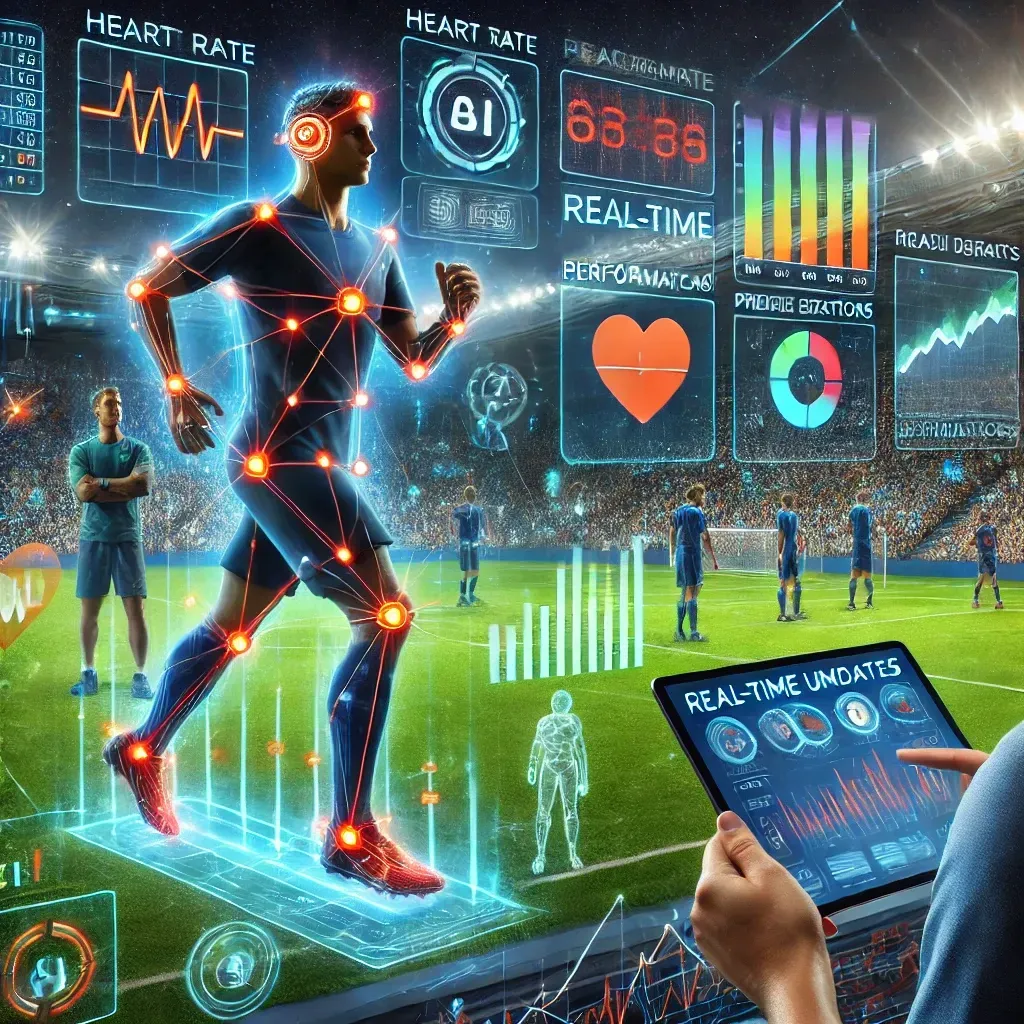
Wearable technology is revolutionizing the way athletes train, offering real-time feedback that can significantly enhance their performance. Devices like smartwatches and fitness trackers provide critical insights into an athlete’s physiological data, allowing them to monitor aspects like heart rate, sleep quality, and exertion levels. Athletes can adjust their workout intensity and training schedules based on the data these devices collect. This immediate access to performance metrics empowers athletes to optimize their routines and ultimately helps them reach peak performance on the field.
Moreover, wearables can play a pivotal role in reducing injuries by tracking physical metrics and alerting athletes to potential issues. By comprehensively analyzing data, coaches can identify overtraining signs and make timely adjustments to training regimens, enhancing not only performance but also longevity in a sport. This personalized approach ensures that athletes can maintain high performance without compromising their health, showcasing the myriad benefits of wearable technology in sports training.
Data Analytics: The Backbone of Performance Enhancement
Data analytics has fundamentally changed the landscape of sports by providing teams with the tools to analyze performance and make informed decisions. Coaches now utilize complex algorithms and statistical analyses to evaluate player performances beyond traditional metrics. By assessing historical game data and player tendencies, they can devise strategic plans tailored to exploit opponents’ weaknesses, ultimately enhancing their competitive edge. This reliance on data-driven insights marks a significant shift in sports strategy, where performance is measured quantitatively.
Furthermore, the use of analytics extends to injury prevention strategies. By monitoring player workloads and identifying performance trends that correlate with injury risks, teams can create preventative protocols. This proactive approach not only safeguards players’ health but also ensures that teams retain their top talent on the field longer, leading to overall performance improvement. As such, data analytics is increasingly viewed as an essential component of modern sports management and coaching.
Virtual Reality: The Future of Sports Training
Virtual reality (VR) is emerging as one of the most promising tools for enhancing sports training. By engaging athletes in simulated environments, VR allows them to practice game scenarios without the risk of physical injuries. In this controlled space, athletes can refine their strategic thinking and decision-making skills, which are crucial during high-pressure situations in games. The immersive nature of VR enables players to visualize plays and experience realistic gameplay, ultimately improving their on-field execution.
Additionally, VR plays a significant role in rehabilitating injured athletes. While recovering, players can use VR to keep their cognitive skills sharp and their strategic thinking honed. This dual focus on mental and physical training helps athletes reintegrate into their sports more effectively. Furthermore, VR technology has the potential to enhance fan engagement by providing virtual experiences that allow fans to experience the thrill of the game from a player’s perspective, thereby connecting them more deeply to their teams.
Enhancing Fan Experience through Technology
The integration of technology into the fan experience has transformed how fans engage with their favorite teams. Innovations like augmented reality (AR) enhance the experience during live games by overlaying real-time statistics and player information onto the fans’ device screens. This interactive feature allows fans to access a wealth of information, enriching their overall enjoyment of the event. As a result, fans are not just spectators; they become active participants in the game.
Moreover, streaming services have revolutionized sports consumption, allowing fans to watch games from virtually anywhere. With platforms providing access to live events and replays, fans can enjoy sports on their terms, further enhancing their connection to the teams they love. Social media also plays a crucial role in this transformation, enabling teams to interact directly with fans, share highlights, and build community around their brand. This enhanced fan experience is crucial for maintaining loyalty and passion among supporters.
The Rise of Smart Stadiums
Smart stadiums are redefining the in-game experience for fans, integrating advanced technologies to create a more connected environment. With high-speed Wi-Fi and large digital displays, fans can share their experiences instantaneously on social media and receive real-time updates. These features not only elevate the excitement of the game but also engage fans in new ways, creating a vibrant and interactive atmosphere within the stadium.
Additionally, mobile applications designed specifically for stadiums are enhancing convenience for attendees. These apps offer features ranging from mobile ticketing to in-seat food ordering, streamlining the fan experience and reducing wait times. As sports organizations adopt sustainability initiatives within their venues, smart stadiums also emphasize energy efficiency, showcasing a commitment to environmental responsibility. The future of sports infrastructure lies in effectively blending these technologies to enhance both fan experiences and sustainability efforts.
Integrating Technology in Coaching and Strategy
The evolution of technology extends into coaching and strategic planning, where cutting-edge tools enhance decision-making processes. Coaches now rely on advanced software to analyze game footage, helping them break down plays, identify strategies, and assess player performances. This analytical approach allows for a deeper understanding of the opponent’s tactics and provides insights that influence game-day decisions, leading to improved outcomes on the field.
Moreover, technology facilitates better communication between coaches and players, enabling a more collaborative training environment. Tools like video analysis allow coaches to share feedback in real-time, ensuring players understand their roles and responsibilities. This synergy between technology and coaching ultimately enhances team cohesion and performance, as everyone is on the same page regarding strategies and objectives.
Fan Engagement Technology: A New Era
Fan engagement technology has ushered in a new era of interaction between teams and their supporters. Advanced mobile applications allow fans to engage with their teams through features like live polling, quizzes, and interactive games, making the experience more enjoyable. Such engagement technology not only fosters community but also keeps fans involved year-round, not just during the season. This year-round connection is vital for maintaining enthusiasm and loyalty.
Additionally, technology enables fans to become more involved in team decisions, such as voting on player of the week or suggesting community initiatives. This level of engagement enhances the emotional connection fans feel towards their teams, making them feel valued and heard. As teams continue to invest in fan engagement technologies, the relationship between sports organizations and their fans will deepen, creating a more interactive and vibrant sports culture.
The Role of Augmented Reality in Sports
Augmented reality (AR) is revolutionizing the way fans interact with sports content. By overlaying digital information in the real world, AR applications provide fans with enhanced experiences during live games and at home. For instance, fans can access player statistics and replays just by pointing their devices at the field, creating an immersive experience that enhances traditional viewing.
Furthermore, AR is not limited to in-game experiences; it extends to merchandising and branding as well. Teams can use AR to create interactive merchandise that provides fans with a deeper connection to their favorite players and teams. By integrating this technology into promotional strategies, sports organizations can create memorable experiences that resonate with fans on a personal level, further solidifying loyalty and engagement.
Future Trends: The Intersection of Technology and Sports
The future of sports is brimming with potential as technology continues to advance at a rapid pace. We can expect to see even more innovations in wearable technology and data analytics that push the boundaries of athlete performance and injury prevention. These advancements will likely lead to a new paradigm in how athletes are trained, evaluated, and managed, ensuring that they are always at the top of their game.
Moreover, as fan engagement technology evolves, we will witness an increased integration of virtual reality, augmented reality, and artificial intelligence in how fans participate in the sports ecosystem. These technologies will offer fans unprecedented access to experiences and content, creating an immersive world that extends far beyond the traditional sports engagement model. As we look ahead, the intersection of technology and sports promises to foster deeper connections between athletes and fans while enhancing the overall landscape of competitive sports.
Frequently Asked Questions
How is wearable technology impacting athlete performance in sports?
Wearable technology is significantly impacting athlete performance by allowing for real-time monitoring of health metrics, such as heart rate and physical exertion. This data enables athletes to optimize their training regimens, prevent injuries, and gain insights into their overall performance.
What are the key benefits of data analytics in sports?
Data analytics in sports provides teams with the ability to analyze player performance, enhance match strategies, and assess injury risks. By leveraging big data, teams can make informed decisions that lead to improved outcomes on the field.
How does virtual reality enhance training for athletes?
Virtual reality enhances training for athletes by allowing them to simulate game scenarios in a safe environment. This technology bolsters situational awareness and decision-making skills while also aiding in rehabilitation for injured players.
What innovations exist in fan engagement technology?
Innovations in fan engagement technology include augmented reality applications that provide interactive experiences, advanced streaming services that enable real-time access to games, and social media platforms that connect fans directly with their favorite teams.
In what ways are smart stadiums transforming the fan experience?
Smart stadiums are transforming the fan experience by offering high-speed connectivity, mobile apps for navigation and services, and sustainability initiatives that enhance overall enjoyment while reducing environmental impacts.
What role does wearable technology play in injury prevention in sports?
Wearable technology plays a crucial role in injury prevention by tracking athletes’ vital signs and physical metrics. This monitoring helps identify potential risks and allows for timely interventions to keep athletes healthy.
How can data analytics be used to improve match strategies in sports?
Teams utilize data analytics to improve match strategies by analyzing historical performance data against various opponents. This insight helps coaches develop tailored game plans that increase the likelihood of success.
What advantages does virtual reality offer for rehabilitating injured athletes?
Virtual reality offers several advantages for rehabilitating injured athletes, including maintaining cognitive skills through simulated training and allowing them to practice game scenarios without physical strain during recovery.
How does technology enhance the live sports experience for fans?
Technology enhances the live sports experience for fans through augmented reality features, improved streaming services, and social media interactions that provide real-time insights and engagement with their teams.
What features make smart stadiums beneficial for sustainability?
Smart stadiums implement features such as energy-efficient systems and technology that optimize resource use, contributing to reduced carbon footprints and promoting sustainable practices in sports facilities.
| Key Technologies in Sports | Description | Benefits | |
|---|---|---|---|
| Wearable Technology | Devices like fitness trackers that monitor health metrics in real-time | ||
| Data Analytics | Using big data to analyze player performances and strategies | ||
| Virtual Reality (VR) | Simulating game scenarios for training and rehabilitation | ||
| Augmented Reality (AR) | Enhancing live sport experiences with real-time stats | ||
| Smart Stadiums | High-tech venues improving the in-stadium experience | ||
Summary
Technology in sports is fundamentally reshaping how athletes perform and fans engage with their favorite teams. The integration of wearable devices provides real-time performance metrics, enhancing training regimens and preventing injuries. Data analytics plays a crucial role in evaluating player performances and devising match strategies. Virtual reality offers immersive training experiences and rehabilitation options. Furthermore, augmented reality innovations elevate fan experiences, while smart stadiums enhance in-person attendance through connectivity and user-friendly services. As technology continues to evolve, both athletes and fans will enjoy a richer, more interactive engagement with sports.