Listen to this article
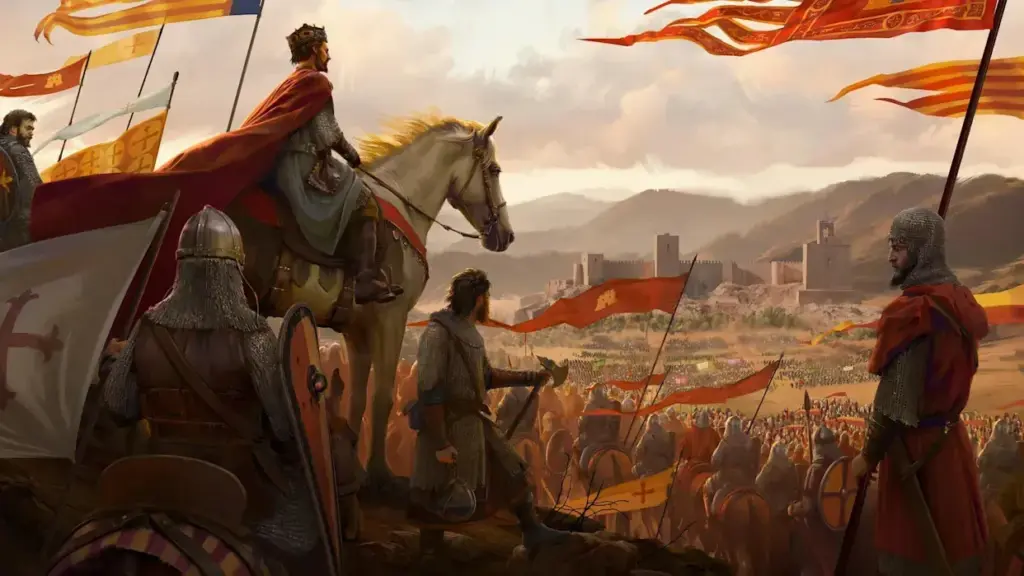
In the realm of video games and history, the discussion around Total War accuracy vs authenticity has taken center stage as players navigate the intricacies of historical strategy through Creative Assembly’s acclaimed titles. As the Total War games transport players back to medieval Europe, they spark curiosity about the intertwining of gameplay mechanics with historical realities. This blend of entertainment and education prompts an essential conversation about how accurately these medieval strategy games reflect the past while still remaining engaging. With a focus on historical accuracy in games, Creative Assembly aims to craft a user experience that is both immersive and rooted in factual events. By doing so, they challenge players not just to conquer opponents but to engage with history in a dynamic way that is as thought-provoking as it is entertaining.
When it comes to historical video games, the balance between fidelity to events and the immersive experience they provide is crucial. This tension, often framed as the debate of precision versus representation, is a common thread across notable titles in the genre. As players dive into the world of medieval warfare within the Total War series, they find themselves in a carefully curated experience that echoes actual historical narratives. The need for developers to engage players while honoring the past raises questions about the essence of gameplay versus historical truth. Ultimately, these medieval strategy games serve as a platform to explore the rich tapestry of history, allowing players to reflect on their actions and the consequences they might have had in an era long gone.
The Historical Backbone of Total War Games
Total War games are renowned for their intricate connection to real historical events and figures, which adds tremendous depth to the gameplay. This foundation in history allows players to engage with significant military strategies and political tactics as they navigate through various epochs from ancient Rome to Medieval Europe. Creative Assembly, the brainchild behind these titles, has taken steps to ensure that the representation of these timelines reflects not just historical events, but also the cultural dynamics of the times. This accuracy is essential in shaping a compelling narrative that immerses players in the historical context.
The commitment of Creative Assembly to uphold historical accuracy is evident in the meticulous research that underpins each game. With advisors like Professor Peter Wilson of the University of Oxford, the developers infuse their narrative with factual authenticity, citing the importance of environmental factors in medieval warfare as an example. Such nuanced understanding allows players to appreciate the impact of terrain, seasons, and resources on warfare, enhancing both the educational quality and engagement level of Total War games.
Total War: Navigating Accuracy vs Authenticity
In the discourse of ‘accuracy versus authenticity’ within Total War games, the developers face a delicate balancing act. While it’s crucial to commit to historical facts and representation, the immersive experience is often dictated by authenticity—the sense of being in that time period. Luke Holmes, a senior designer at Creative Assembly, clarifies this distinction by suggesting that historical accuracy can sometimes hinder gameplay fluidity. Instead, enhancing the emotional and atmospheric aspects of the setting may provide a more fulfilling experience for players, making the challenges and decisions they undertake feel more significant and real.
This divergence from strict historical accuracy allows players to engage creatively with the game’s world. Total War enables individuals to ask ‘what if’ questions about history, creating a sandbox environment where players influence the narrative as they see fit. As game director Pawel Wojs notes, the goal is to authentically recreate the stage of history while letting players craft their own narratives, ensuring that every campaign feels personal and impactful. This approach resonates with players who appreciate the strategic depth of medieval strategy games while still seeking an engaging and enriching experience.
Creative Assembly’s Commitment to Historical Representation
Creative Assembly’s dedication to historical representation is not merely a marketing strategy; it is a fundamental principle that drives the design and development of Total War games. By collaborating with historians and experts, the studio aims to capture the essence of the periods depicted in their titles. For instance, in the forthcoming Total War: Medieval III, the influence of seasons on warfare reflects the genuine tactical considerations of historical leaders. This layered portrayal allows players to understand the broader implications of their decisions, thereby enhancing their gameplay experience.
This meticulous attention to historical detail creates a unique learning opportunity within the gaming format. As players explore different campaigns, they not only encounter strategic dilemmas but also develop a greater awareness of historical contexts and impacts. The immersive nature of Total War games drives players to think critically about historical decisions, making history accessible and engaging. This aligns with the broader trend in video games where developers seek to not just entertain, but educate through interactive experiences.
The Role of Advisors in Game Development
The integration of academic advisors in game development has become a hallmark of serious historical games, particularly within the Total War series. Experts like Professor Peter Wilson not only lend credibility to the accuracy of the games but also offer insights that enhance the game’s authenticity. Their involvement ensures that the gameplay is infused with a deeper understanding of historical contexts, strategies, and societal impacts, which enriches the player’s experience.
Such collaborations exemplify the potential of video games as educational tools. By breaking down complex historical narratives into digestible gameplay mechanics, Creative Assembly allows players to engage with content that is both instructive and entertaining. This symbiosis between academia and the gaming industry fosters a unique dialogue in which players can explore history in a way that traditional media may not facilitate, ultimately reshaping perceptions of historical accuracy in games.
Video Games as Historical Educational Tools
The intersection of video games and education is more prominent than ever, particularly with titles like Total War leading the charge in historical representation. As these games unfold complex narratives of the past, they provide players with an engaging way to learn about history while participating in interactive scenarios. This innovative approach helps maintain player interest while subtly teaching them about significant historical events and figures.
Moreover, the immersive nature of video games encourages players to explore different outcomes and perspectives within historical contexts. Total War games compel players to consider not just the ‘what’ of history but the ‘why’ and ‘how,’ fostering critical thinking and curiosity. As a pioneering series, Total War exemplifies how engaging with history through gaming can cultivate a deeper understanding and appreciation for our past, blurring the lines between entertainment and education.
Total War and Its Influence on Strategy Gaming
The Total War series stands as a monumental influence in the realm of medieval strategy games, reshaping expectations and standards within the genre. The blend of turn-based strategy with real-time tactics has set a high bar for other games, as players navigate not only the challenges of warfare but also the complexities of political alliances and resource management. This fusion makes Total War distinct, offering a comprehensive approach to strategy that encompasses both battlefield tactics and grand strategy.
As other developers look to Total War for inspiration, the emphasis on historical immersion continues to shape the landscape of strategy gaming. The incorporation of detailed maps, historically accurate units, and pivotal battles replicates the real-time chaos of warfare that players crave. Furthermore, the game’s ability to weave educational elements into the entertainment experience raises awareness about historical events and figures, pushing the boundaries of what players expect from strategy games.
Future of Total War: A Blend of History and Fantasy
As the Total War franchise evolves, the integration of both historical and fantastical elements presents intriguing possibilities for future titles. While the series has predominantly focused on historical settings, developers have begun to explore alternate historical narratives that bend reality without breaking away from the educational core. This ability to creatively expand historical narratives opens up new gameplay dynamics while maintaining player engagement.
The blending of authentic historical facts with imaginative scenarios encourages players to engage with history critically, prompting them to consider how different choices could alter real outcomes. This creative storytelling approach allows players to explore a rich tapestry of culture, strategy, and consequence, ensuring that the Total War legacy will continue to captivate audiences and stimulate interest in history for years to come.
Engaging Youth Through Historical Video Games
Engaging younger audiences with history can prove challenging, but games like Total War provide a potent solution. Through immersive gameplay that weaves historical narratives with interactive strategies, these games captivate the interests of young players and introduce them to critical historical events and figures. By making history accessible and entertaining, Total War provides a gateway for youths to explore and appreciate the complexities of the past.
Furthermore, as gaming becomes an increasingly dominant form of entertainment, its role as an educational tool should not be underestimated. Total War offers a platform where young players can not only enjoy gameplay but also dive deep into historical contexts, discussing strategies and outcomes with peers, thus fostering a community of history enthusiasts. By exploring the multifaceted world of historical strategy games, Creative Assembly can pave the way for a future generation appreciative of both gaming and history.
Beyond Entertainment: Impact of Total War on Historical Discourse
The impact of Total War extends far beyond mere entertainment; it influences discussions around history itself. By placing players in positions of historical leadership, the game prompts them to consider the moral and ethical implications of their decisions, encouraging a greater understanding of nuanced historical contexts. This dialogue is invaluable in shaping perceptions of history, allowing players to confront the realities of warfare and statecraft.
Moreover, as players engage with the complexities of total war strategies and political maneuvering, they are encouraged to delve deeper into the studies of historical events outside of gameplay. The series acts as an introductory lens through which players can explore historical themes, fostering a culture of inquiry and interest in historical research. This capacity to drive historical discussions makes Total War a vital contributor to how we engage with our past.
Frequently Asked Questions
How does Total War balance historical accuracy and gameplay authenticity?
Total War games embrace historical authenticity over strict accuracy. While the developers at Creative Assembly incorporate real historical elements, such as seasonality affecting warfare as emphasized by historians like Professor Peter Wilson, they recognize that gameplay should remain enjoyable. This balance allows players to engage with history while still enjoying strategic gameplay.
What role do historians play in ensuring Total War’s historical accuracy in games?
Historians, like Professor Peter Wilson, are consulted by Creative Assembly to provide insights into historical warfare and society. Their expertise helps shape elements of the game, ensuring that while players experience authentic historical settings, the overarching gameplay remains entertaining and accessible.
Why is historical accuracy important in Total War games?
Historical accuracy enhances the immersive experience of Total War games, allowing players to engage with and learn about historical events and figures. Creative Assembly aims to create a grounded setting that makes players feel their actions are consequential within the game’s historical context.
Does Total War prioritize authenticity over accuracy in its portrayal of history?
Yes, Creative Assembly prioritizes authenticity over strict accuracy to improve player experience. While true historical events are often altered for gameplay purposes, the essence and feel of the period are preserved, making the game experience relatable and engaging.
What is the impact of player decisions on historical narratives in Total War games?
Player decisions in Total War significantly alter historical narratives. The games offer a sandbox experience where players can change outcomes, presenting a unique interpretation of history that sparks curiosity and exploration of alternative scenarios.
How do Total War games educate players about historical events?
Total War games serve as educational tools by encouraging players to reflect on historical decisions, strategies, and the consequences of war. The incorporation of historical figures and scenarios invites players to think critically, aligning with the inquiries historians often pursue.
What strategies does Creative Assembly use to depict historical warfare accurately in Total War?
Creative Assembly employs collaboration with historians, incorporates real historical data, and considers environmental factors like seasonal changes in warfare to depict historical scenarios accurately. This attention to detail helps enhance the strategy and realism in Total War games.
| Key Points | Details |
|---|---|
| Total War Games | Developed by Creative Assembly, the series focuses on historical strategy gameplay. |
| Collaboration with Historians | Professor Peter Wilson advises on Historical accuracy for Total War: Medieval III, emphasizing the importance of communication through video games. |
| Importance of Authenticity vs Accuracy | While the series strives for historical accuracy, it prioritizes authenticity to enhance enjoyment and engagement. |
| Impact of Historical Context | Game mechanics reflect historical realities, like the impact of seasons on warfare. |
| Player Agency in Historical Context | Players can alter historical events, leading to a unique gameplay experience. |
Summary
Total War accuracy vs authenticity is a balance that Creative Assembly navigates skillfully, merging historical detail with engaging gameplay. The series blends rigorous historical consultation with player choice, allowing for a dynamic interpretation of history while striving to maintain an authentic feel of the time periods depicted. This delicate interplay enriches the player experience, making history not just a backdrop but an interactive element that influences decisions and outcomes within the game.