Listen to this article
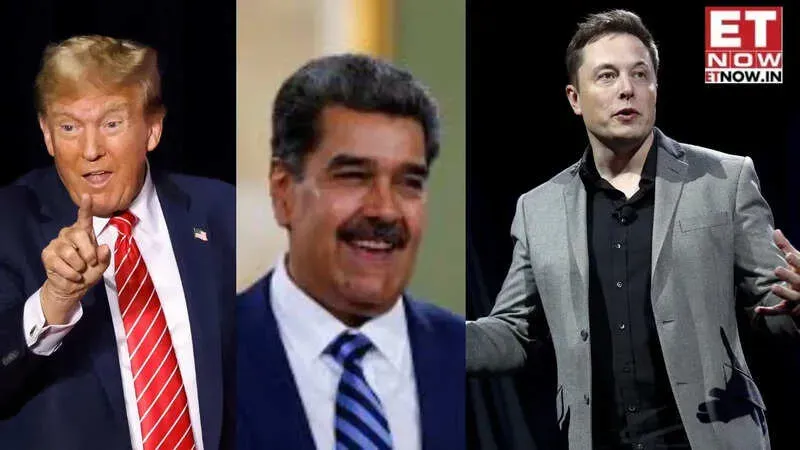
The Venezuela political crisis has escalated dramatically in recent weeks, drawing international attention and concern. With Donald Trump issuing stern warnings to Delcy Rodríguez, who has stepped into leadership following Nicolás Maduro’s controversial presidency, the nation’s future remains uncertain. Trump remarked that Rodríguez could face consequences even more severe than those directed at Maduro, whose leadership is marred by drug charges and accusations of running a ‘narco-terrorist’ regime. The recent US military operation in Venezuela has heightened tensions, revealing the complexities of regime change and the challenges facing Rodríguez as she attempts to unify a fractured nation. As the US government navigates these turbulent waters, the international community watches closely, aware that the political fate of Venezuela could have far-reaching implications beyond its borders.
Amidst widespread turmoil, the crisis in Venezuela reflects broader issues of governance and sovereignty in the region. As Delcy Rodríguez takes the helm, her leadership is scrutinized against the backdrop of previous accusations against Maduro, particularly accusations linked to his alleged involvement in drug trafficking. The geopolitical landscape has shifted significantly, especially following the recent US military interventions aimed at enforcing a regime change. Discussions surrounding these developments often evoke nostalgia for diplomatic solutions, yet the reality of military operations complicates the narrative. The voices of dissent resonate within Venezuela and abroad, calling into question the ethics of external involvement in national affairs.
Understanding the Venezuela Political Crisis
The Venezuela political crisis has escalated in recent years, with the country experiencing significant turmoil under the leadership of Nicolás Maduro and now Delcy Rodríguez. The political landscape has been marked by protests, a struggling economy, and accusations of human rights violations. As international scrutiny grows, the crisis has drawn attention from foreign powers, igniting discussions about the implications of foreign intervention and the potential for regime change.
Recent developments indicate that the situation may be reaching a turning point with Delcy Rodríguez taking charge. As the former vice president, her shift from compliance with Maduro to a more diplomatic approach signals an attempt to navigate the complex relationship with the United States. However, the fundamental issues of corruption, economic mismanagement, and drug-related accusations against Maduro complicate any prospects for stability.
The Impact of Trump’s Comments on Venezuela
Donald Trump’s recent comments regarding Venezuela have further intensified the international focus on the country’s political crisis. His warning to Rodriguez signals a critical shift in U.S. policy, suggesting that the new leadership could face severe consequences if she does not align with U.S. expectations. This rhetoric raises questions about the legitimacy of the Maduro regime and the future of Venezuela under Rodríguez’s leadership.
The implications of Trump’s comments are profound, as they not only threaten the new administration’s stability but also set a precedent for U.S. intervention. Trump’s stance indicates a willingness to support a regime change narrative, reminiscent of historical U.S. actions in Latin America. This dialogue hints at potential military or economic actions that could reshape Venezuela’s political landscape in ways that have been met with both support and condemnation internationally.
Delcy Rodríguez: A New Face for the Venezuelan Regime
As Delcy Rodríguez assumes the presidency, the world is watching closely how she will steer Venezuela amidst a backdrop of chaos. Her leadership approach, which seemed to embrace cooperation with the U.S., presents an opportunity for dialogue but also carries risks. Her previous alignment with Maduro may cast doubt on her ability to enact significant changes. Nonetheless, her rise could signify a possible shift in policy that might alleviate some of the ongoing strife.
Rodríguez’s leadership style appears to contrast with Maduro’s confrontational tactics, but it remains to be seen whether she can deliver on promises of cooperation. Her statements indicating openness to dialogue with the U.S. suggest a potential pivot toward transparency and reform. If she indeed begins to distance her administration from Maduro’s contentious legacy, it could pave the way for negotiations with international stakeholders crucial to Venezuela’s recovery, though skepticism remains ubiquitous.
The U.S. Military Operation in Venezuela: An Act of War?
The U.S. military operation that led to Maduro’s arrest has sparked debate about its legality and justification. Critics have termed it an ‘act of war’, challenging the authenticity of the U.S. government’s claims that it was a law enforcement action against drug trafficking. By categorizing the operation as necessary for the safety of America, the Trump administration may risk further escalation of tension in Venezuela and with regional allies.
Proponents of the operation argue it was imperative to dismantle a drug trafficking ring allegedly led by Maduro and his associates. However, as prominent lawmakers express concern over the lack of congressional approval, the debate underscores the complexities of international law and the responsibilities of the U.S. government. Should the operation usher in regime change or enhance instability, the consequences could resonate beyond Venezuela, impacting U.S. foreign policy in Latin America.
Responding to Maduro’s Drug Charges: Implications for Venezuela
The drug charges against Maduro have been a focal point in the discourse surrounding the Venezuelan regime. Accusations of operating as a narco-terrorist raise fundamental questions about national and international drug policies. This narrative not only shapes how the U.S. and its allies perceive Maduro’s legitimacy but also influences public opinion within Venezuela, potentially galvanizing opposition movements.
As charges are pursued, the implications stretch beyond judicial matters to national identity and international relations. Some may view the U.S. involvement as a form of imperialism while others see it as a necessary step to address rampant drug trafficking. Ultimately, how these charges are handled could profoundly affect perceptions of justice and governance in Venezuela, either reinforcing the regime’s grip or bolstering calls for change.
Regional Reactions to U.S. Actions in Venezuela
The reactions from neighboring countries following the U.S. military intervention in Venezuela have highlighted the regional implications of such actions. Countries like Brazil, Chile, and Colombia have expressed concerns that the military operation sets a dangerous precedent for interference in sovereign nations’ affairs, potentially destabilizing the entire region. As these nations negotiate their relationships with both the U.S. and Venezuela, the stakes for diplomatic relations rise.
Statements from various governments criticize the approach as violating international law, emphasizing the need for peaceful resolutions rather than military confrontations. The risk that similar actions might be replicated in other authoritarian regimes around the world poses a challenge, raising alarms about the sovereignty of nations in Latin America and beyond. Collaborative diplomatic efforts may need to be prioritized to avoid further conflict.
Challenges Faced by Delcy Rodríguez’s Administration
Rodríguez faces daunting challenges as she steps into the presidency, not least managing the domestic discontent that has arisen from the deteriorating economic and social conditions in Venezuela. The ongoing humanitarian crisis, marked by food shortages and mass migration, puts pressure on her administration to deliver quick results. Balancing the expectations of the Venezuelan populace with the demands of international actors will require skillful navigation.
Additionally, Rodríguez must confront the legacy of Maduro’s rule, which includes accusations of human rights abuses and a tarnished international reputation. Rebuilding trust with both the population and the global community will be essential for her administration’s survival. It remains to be seen whether her initial conciliatory approach will be enough to mitigate criticism and foster an environment conducive to reform.
Potential for U.S. Oil Companies in Venezuela
Trump’s assurance that U.S. oil companies could play a role in revitalizing Venezuela’s infrastructure if regime change occurs carries significant implications. The potential influx of foreign investment could offer a pathway out of the economic turmoil that has gripped the nation for years. However, this situation raises ethical concerns about exploitation and sovereignty as Venezuela’s rich oil reserves become a focal point for international business interests.
The collaboration with U.S. companies could provoke skepticism among citizens who may view such engagement as a continuation of neo-colonial patterns. Ensuring that economic benefits are equitably distributed and do not exacerbate existing inequalities would be a critical concern for Rodríguez’s administration. The balance between fostering economic growth and maintaining national dignity will be a complex challenge for any leadership in Venezuela.
The Role of Congress in U.S.-Venezuela Relations
The controversies surrounding the Trump administration’s actions in Venezuela have reignited discussions regarding Congress’s role in foreign operations. The absence of legislative oversight in decisions to engage militarily has raised alarms about the erosion of democratic processes. Congressional leaders have voiced the need for more robust checks and balances, emphasizing the responsibility of elected representatives to evaluate the potential consequences of such actions.
Lawmakers from both parties are considering resolutions that would restrict executive powers concerning military action in Venezuela. As the narrative of ‘law enforcement’ versus ‘military action’ is debated, the need for cooperative bipartisan measures becomes apparent. Upholding democratic accountability while responding to international crises is crucial for maintaining public trust in government decisions.
Frequently Asked Questions
What are the implications of Trump’s comments on the Venezuela political crisis?
Trump’s comments regarding the Venezuela political crisis signal a potential shift in US foreign policy. He warned Delcy Rodríguez, the new leader, that she could face severe consequences if she does not act right. This highlights the US’s stance on regime change in Venezuela and its intention to influence the country’s leadership and political direction.
How does Delcy Rodríguez’s leadership affect the Venezuela political crisis?
Delcy Rodríguez’s ascension to power amid the Venezuela political crisis introduces a new dynamic as she adopts a conciliatory approach, advocating for cooperation with the US. Her leadership may affect negotiations and international relations, particularly with regard to sanctions and potential US involvement in Venezuelan affairs.
What are the charges against Maduro in the context of the Venezuela political crisis?
Nicolás Maduro faces serious drug trafficking and weapon offenses in the context of the Venezuela political crisis. The US describes his regime as a ‘narco-terrorist’ operation, claiming he has perpetuated drug trafficking at state levels. These charges are significant as they influence international perceptions and actions regarding the Venezuelan government.
Was the US military operation in Venezuela justified amid the political crisis?
The legitimacy of the US military operation in Venezuela is heavily debated amid the political crisis. US officials described it as a law enforcement action against Maduro and his regime, while critics argue it constitutes an act of war without congressional approval, raising questions about international law and US intervention policies.
What are the potential outcomes of regime change in Venezuela according to Trump?
Trump’s comments on regime change in Venezuela suggest he believes any change in leadership would be an improvement over Maduro’s rule. He asserts that the current situation cannot get worse, implying that a transition could lead to stability and prosperity, especially with potential US investment in oil infrastructure following regime change.
How has the international community reacted to the Venezuela political crisis and US actions?
The international community, including nations like Brazil and Spain, has condemned US military actions in the Venezuela political crisis, labeling them a dangerous precedent. They emphasize the potential harm to regional stability and civilian safety, advocating for peaceful resolutions rather than military interventions.
What role does the concept of cooperation play in Delcy Rodríguez’s leadership during the Venezuela political crisis?
Under Delcy Rodríguez’s leadership amid the Venezuela political crisis, cooperation with the US has been put forth as a strategy for development and international law compliance. Her recent statements indicate a desire for dialogue, which could either mitigate tensions or complicate the situation further, depending on responses from the US.
What implications do Maduro’s drug charges have for US-Venezuela relations?
Maduro’s drug charges have significant implications for US-Venezuela relations, as they justify US actions against his regime under the guise of combating drug trafficking. This legal framework may foster international support for US interventions while complicating potential diplomatic relations with nations sympathizing with Maduro.
Why is the US military operation in Venezuela considered controversial?
The US military operation in Venezuela is controversial due to the lack of congressional approval, with many lawmakers viewing it as an overreach of executive power. Critics argue it sets a perilous precedent for military actions under the pretext of law enforcement, raising major concerns over sovereignty and international norms.
| Key Points | Details |
|---|---|
| Trump’s Warning to Rodríguez | Donald Trump warned Delcy Rodríguez of severe consequences if she does not act correctly in her new leadership role. |
| Maduro’s Arrest | Nicolás Maduro was arrested during a US military operation and is facing serious charges, including drug trafficking and weapon offenses. |
| Rodríguez’s Response | Delcy Rodríguez expressed a desire for cooperation with the US during her cabinet meeting. |
| US Operations in Venezuela | The US conducted military operations in Venezuela without congressional approval, leading to a debate about legality and implications. |
| Criticism of US Actions | Some lawmakers condemned Trump’s military actions, claiming that it constitutes an act of war and undermines legal processes. |
| Cuba’s Reaction | Cuba mourned the losses during the operation and defended Maduro’s government, highlighting the toll on civilians. |
| International Response | Countries like Brazil, Chile, and Spain warned that US military actions set a dangerous precedent for international relations. |
Summary
The Venezuela political crisis has escalated dramatically with the recent arrest of Nicolás Maduro and the rise of Delcy Rodríguez as president. Trump’s aggressive stance toward Venezuela and hints at potential military intervention reflect a troubling trend in US foreign policy. As various stakeholders, including international governments and domestic lawmakers, weigh in on the validity and consequences of these actions, the future of Venezuelan leadership remains uncertain amidst rising tension.