Listen to this article
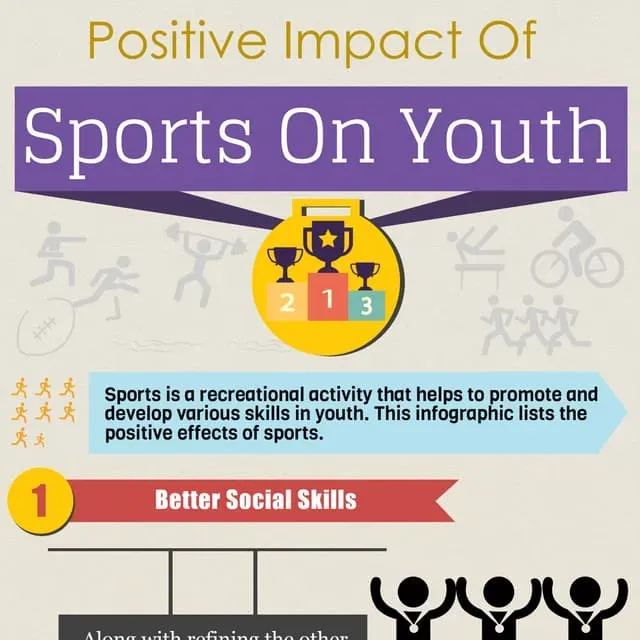
The influence of sport on youth development is profound, shaping character and instilling essential life skills. Engaging in youth athletics not only promotes physical health but also contributes significantly to social growth and emotional well-being. Through participation in sports, young people experience the true essence of teamwork in sports, learning to cooperate and collaborate effectively with their peers. The benefits of sports for children extend far beyond the playing field, aiding in character building and discipline that can last a lifetime. As these young athletes navigate the competitive world of sports, they also cultivate resilience, confidence, and leadership abilities that will benefit them in their future endeavors.
The impact of athletic participation on the development of young individuals cannot be overlooked, as it plays a critical role in shaping their personal growth and social interactions. Involvement in organized sports encourages youth to foster teamwork and cooperation while learning vital skills such as discipline and time management. Sports serve as a transformative platform for youth, driving social connections and enhancing emotional strength, which are essential attributes for future leaders. Through various physical activities, adolescents discover the importance of resilience and creative problem-solving, allowing them to flourish both on and off the field. Ultimately, the journey through youth athletics equips them with invaluable experiences that propel them toward personal and academic success.
The Influence of Sport on Youth Development and Character Building
The significant impact of sports on youth development extends beyond mere physical activity; it plays a crucial role in shaping character and instilling vital life skills. When young individuals participate in sports, they engage in a variety of experiences that challenge them both physically and mentally. These experiences teach them critical values such as discipline, respect, and fairness. Furthermore, the influence of sport on youth development is seen in how it encourages perseverance, as athletes often face setbacks and must learn to push through adversity.
Moreover, the lessons learned from participating in sports often translate into everyday life. As youth navigate challenges both in sports and outside of it, they gain resilience and the ability to cope with failure. This foundation sets the stage for healthy self-esteem and a positive outlook, equipping youth with the tools necessary to succeed in their academic and social endeavors.
Building Teamwork and Cooperation in Youth Sports
Sports inherently focus on teamwork, teaching young athletes how to collaborate effectively with others. Whether on the soccer field or in a basketball game, participants learn that success often hinges on their ability to function as part of a team. This collaboration fosters relationships based on trust, respect, and mutual support, which are essential components of successful teamwork in any context, from school projects to future work environments.
Additionally, youth athletics challenge participants to communicate and compromise, strengthening their social skills. By engaging in cooperative sports, young individuals not only improve their athletic skills but also cultivate interpersonal skills that will benefit them throughout their lives. Understanding the importance of collective effort and supporting one another are invaluable lessons that extend well beyond the realm of sports.
Instilling Discipline and Time Management through Sports
Participating in sports requires a significant investment of time and effort, which helps young athletes develop discipline and effective time management skills. Juggling practice schedules, school assignments, and personal commitments teaches youth how to prioritize tasks and manage their time wisely. The structure and demands of sports commitments teach them the importance of consistency and dedication.
This discipline translates into various areas of life, promoting a strong work ethic that affects academic performances and personal projects. As youth learn to meet deadlines, fulfill obligations, and stay dedicated to their goals in sports, they carry these lessons into other aspects of their lives, preparing them for a successful future.
Early Lessons in Leadership from Sports Participation
Sports provide a unique platform for youth to develop leadership skills from an early age. Whether serving as a team captain, leading drills, or motivating peers during practice, young athletes often find themselves in positions that require them to influence and inspire others. These experiences foster confidence and teach important leadership qualities, such as effective communication, empathy, and accountability.
Moreover, confronting challenges in sports allows aspiring leaders to navigate adversity, honing their decision-making abilities and encouraging adaptability. As youth take on these responsibilities, they build a strong foundation for future leadership roles in their communities, workplaces, and social environments.
Enhancing Social Skills and Building Relationships through Sports
Engaging in sports offers youths ample opportunities to interact socially, meeting diverse peers and forming meaningful connections. As they collaborate with teammates toward shared goals, they learn essential social skills, including effective communication and conflict resolution. These experiences provide the groundwork for building trust and establishing friendships that often last a lifetime.
As youth athletics promote inclusivity, the relationships formed in sports can significantly boost self-esteem and enhance emotional intelligence. Young athletes learn to celebrate each other’s successes while also showing support in times of failure, fostering a sense of community and belonging that is vital for personal growth.
Promoting Physical and Mental Well-Being through Sports
The health benefits of participating in sports for youth are manifold, encompassing both physical fitness and mental well-being. Regular physical activity helps maintain a healthy weight and improves cardiovascular health, while also enhancing overall physical coordination and strength. This physical engagement promotes positive self-image and confidence among young athletes, which are critical components of well-being.
In addition to physical benefits, sports serve as an outlet for emotional release, helping young people cope with stress and anxiety. Physical activity can lead to increased production of endorphins, which are known to elevate mood and promote a sense of happiness. By understanding the importance of maintaining a healthy lifestyle, young athletes establish habits that contribute to long-term well-being.
Fostering Resilience through Adversity in Sports
In the realm of sports, facing challenges and experiencing defeat are integral aspects that teach young athletes valuable lessons in resilience. Learning to cope with losses and setbacks cultivates a growth mindset, encouraging youth to see obstacles as opportunities for personal development. This perspective not only benefits athletes on the field but also equips them with the mental fortitude necessary to navigate the complexities of life.
Resilience learned in sports translates into the academic and social spheres, as youth encounter challenges that require similar coping strategies. By embracing failure and learning from it, young individuals become adept at setting new goals, maintaining motivation, and eventually achieving success, all of which are essential attributes in both personal and professional endeavors.
The Role of Sports in Developing Empathy among Youth
Participation in youth sports is not just about competition; it also emphasizes the importance of empathy and understanding towards others. Athletes often come together with individuals from different backgrounds, learning to appreciate diverse perspectives and experiences. This exposure helps young people develop compassion, making them more aware of the feelings and challenges faced by others.
Moreover, through sports, youth witness the importance of supportive interactions, whether celebrating a teammate’s success or consoling them after a loss. Such experiences teach athletes to value empathy, fostering social connections that surpass simple friendship and contribute to a better understanding of community and collaboration.
Long-term Benefits of Sports for Youth Development
The enduring influence of sports on youth development is evident as young individuals carry the lessons learned into adulthood. The foundational skills of teamwork, discipline, leadership, and resilience built through sports become integral components of their personal and professional lives. Many successful adults credit their athletic experiences for shaping their character and preparing them for the challenges they face in various life arenas.
As youth develop into responsible adults, the benefits of their sports participation continue to manifest in their capacity to manage relationships, navigate conflicts, and pursue their goals. This foundation not only enhances their personal development but also contributes to society by fostering a generation equipped with the tools necessary for meaningful impact.
Frequently Asked Questions
How does the influence of sport on youth development promote character building?
The influence of sport on youth development significantly promotes character building by instilling values like teamwork, discipline, and resilience. As young athletes engage in sports, they learn to cooperate with others, manage their time effectively, and overcome challenges, all of which contribute to their overall character growth.
What are the benefits of teamwork in sports for youth development?
Teamwork in sports plays a crucial role in youth development by teaching young athletes how to collaborate, respect differences, and communicate effectively. These skills not only enhance their performance on the field but also prepare them for future teamwork in academic and professional settings.
Can youth athletics improve social skills among young people?
Yes, youth athletics significantly enhance social skills by providing a platform for young individuals to interact with peers from diverse backgrounds. Engaging in sports fosters friendships, promotes empathy, and teaches how to handle both victory and defeat gracefully, building essential social competencies.
How does discipline learned in sports benefit youth?
Discipline learned in sports benefits youth by instilling a strong work ethic essential for success both in athletics and academics. Young athletes learn to balance their responsibilities, adhere to schedules, and strive for their goals, which positively impacts their future career endeavors.
In what ways do sports and youth development foster leadership skills?
Sports and youth development foster leadership skills by offering opportunities for young athletes to take on roles such as team captains. These experiences help them develop confidence, inspire peers, and learn vital decision-making skills that are applicable in community and professional environments.
What mental health benefits can youth derive from participating in sports?
Participating in sports provides numerous mental health benefits for youth, including reducing stress and anxiety, boosting self-esteem, and promoting a positive self-image. The release of endorphins during physical activities contributes to overall happiness and emotional well-being.
How do sports teach resilience to young athletes?
Sports teach resilience to young athletes by exposing them to the reality of competition, including losses and setbacks. Learning to cope with defeat encourages a growth mindset, enabling youth to bounce back and strive for improvement in both sports and life challenges.
What impact do sports have on promoting a healthy lifestyle among youth?
Sports have a significant impact on promoting a healthy lifestyle among youth by encouraging regular physical activity, proper nutrition, and good sleep habits. These practices contribute to both physical fitness and mental health, fostering lifelong healthy habits.
How does the influence of sport on youth development shape future leaders?
The influence of sport on youth development shapes future leaders by equipping young individuals with essential leadership skills, such as decision-making, responsibility, and empathy. These experiences prepare them to take initiative and lead effectively in various contexts throughout their lives.
Why is it important to encourage youth participation in sports for their development?
Encouraging youth participation in sports is vital for their development as it provides valuable lessons in teamwork, discipline, leadership, and resilience. These experiences foster essential life skills that prepare young individuals for personal and professional challenges they will face in adulthood.
| Key Points | Details |
|---|---|
| Building Teamwork and Cooperation | Engages youth in collaborative efforts, fostering respect and interpersonal skills essential for success in life. |
| Instilling Discipline and Time Management | Promotes strong work ethic and prioritization through sports commitments alongside academics. |
| Early Lessons in Leadership | Provides opportunities to build confidence, decision-making skills, and resilience. |
| Enhancing Social Skills and Building Relationships | Facilitates friendships and positive interactions among youth, boosting self-esteem. |
| Promoting Physical and Mental Well-being | Encourages a healthy lifestyle and combats mental health issues through physical activity. |
| Fostering Resilience through Adversity | Equips youth to deal with losses and failures, encouraging a growth mindset. |
Summary
The influence of sport on youth development and character building is profound and multifaceted. Engaging in sports allows young individuals to learn critical life skills such as teamwork, discipline, and leadership, while also enhancing their social interactions and promoting both physical and mental health. Furthermore, sports teach resilience, helping youth to effectively face adversities both in athletics and in their everyday lives. Ultimately, the lessons gained from sports transcend the playing field, equipping youth for a successful and responsible future.