
Listen to this article
Public toilets in the UK have become a pressing issue as their numbers steadily decline, leaving many cities grappling with the challenge of providing essential restroom facilities. Despite being fundamental public amenities, these vital conveniences are often neglected in urban planning and design. Local authorities face the dilemma of maintaining existing public toilet facilities while contending with tight budgets and the allure of development opportunities that promise greater financial returns. However, an architectural renaissance is taking hold, as innovative designs and local authority innovations aim to reinvigorate public restroom facilities, emphasizing both functionality and aesthetic appeal. As communities call for better access to these crucial services, the conversation about the role of public toilets in urban architecture is gaining momentum, potentially marking the dawn of a new era in public sanitation.
In recent years, a renewed focus on accessible lavatories has captured the attention of urban planners and local governments alike. These restroom facilities, often referred to as communal toilets or public conveniences, are essential for enhancing the quality of urban life. As the movement towards improving public amenities gains traction, forward-thinking designs are emerging to reshape our public spaces and elevate the experience of users. This shift aligns with a broader appreciation for urban architecture that not only serves practical purposes but also embodies a sense of community and dignity. Through innovative design and thoughtful integration, local council initiatives are paving the way for a future where public toilets are once again celebrated as integral elements of our cities.
The Importance of Public Toilets in Urban Spaces
Public toilets are essential components of urban landscapes, providing critical services for residents and visitors alike. They serve not only a basic human need but also contribute to public health by reducing unsanitary practices. The absence of accessible toilet facilities can lead to discomfort and embarrassment, deterring individuals from fully enjoying public spaces. As such, revitalizing public toilet provision in UK cities is fundamental to creating a more inclusive and welcoming environment for both locals and tourists.
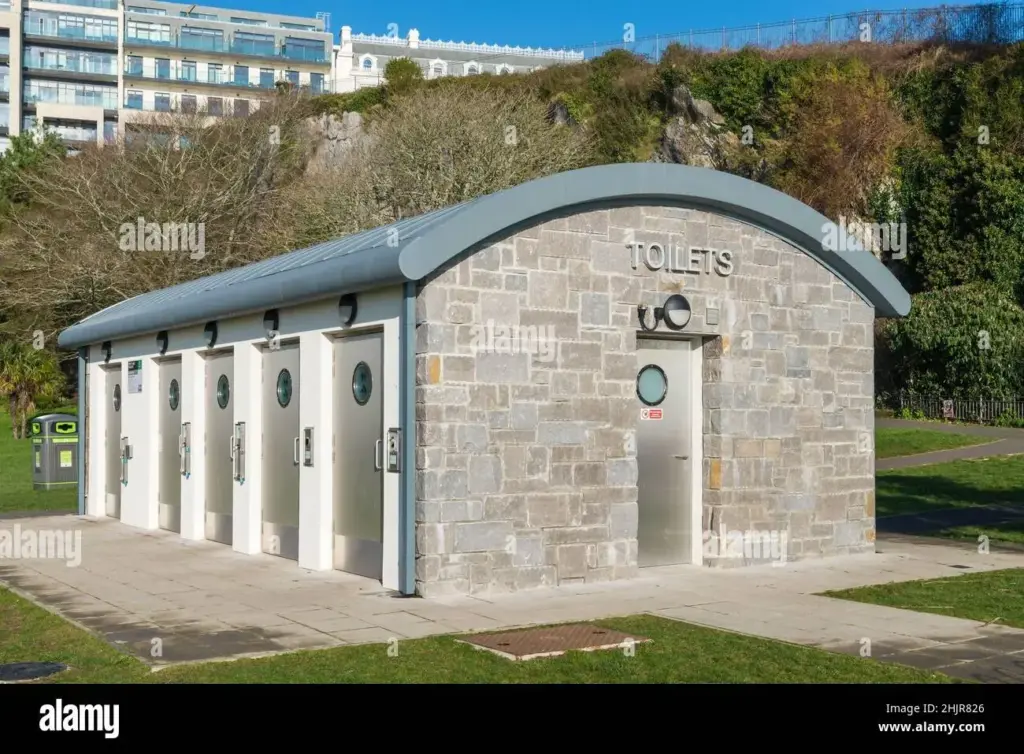
Moreover, well-designed public restroom facilities can act as an extension of urban architecture, intertwining functionality with aesthetic value. Innovative toilet designs, like those being produced by contemporary architects, showcase how these facilities can enhance public amenities without compromising dignity or safety. By investing in quality design, local authorities can ensure that these facilities become not merely utilitarian structures but beloved features of civic life that promote community engagement.
Innovative Toilet Design Trends in the UK
Recently, there has been a notable shift towards innovative toilet design trends among UK architects, who are now collaborating with local councils to reimagine public restrooms. They emphasize using high-quality materials and eco-friendly technologies to create facilities that not only prioritize hygiene but also aesthetic appeal. This new wave of toilet architecture recognizes the importance of incorporating design elements that respect users’ privacy and safety while also enhancing the surrounding urban architecture.
For instance, projects like the recent installations in Woolwich and Maida Hill highlight how thoughtful architecture can transform public toilets into landmarks. These redesigned restroom facilities are not only functional but can serve as community hubs, providing spaces for social interaction and engagement. As councils become more open to embracing innovative designs, the future of public toilets in the UK looks promising, potentially leading to a renaissance in how these essential spaces are perceived and utilized.
Public Restroom Facilities as a Civic Responsibility
Public restroom facilities represent a civic responsibility that local authorities must prioritize. The current scarcity of operational public toilets across UK cities is alarming, especially considering the role they play in promoting public health and cleanliness. By ensuring that adequate toilet provision is maintained, councils can remind citizens of their commitment to social standards and urban amenities. When local authorities fail to provide sufficient facilities, it risks not only public safety but also the overall enjoyment and accessibility of public spaces.
Additionally, visible investments in public toilet facilities can contribute positively to a council’s reputation. Studies have shown that well-maintained restrooms enhance the attractiveness of urban areas, encouraging higher foot traffic and commercial activity. By integrating public toilet facilities into comprehensive urban planning, councils can foster a cleaner, more vibrant community atmosphere that elevates quality of life for all.
Local Authority Innovations in Public Toilets
Local authority innovations in public toilets are pivotal to addressing the declines faced since the turn of the millennium. As documented by the British Toilet Association, significant closures have left many urban areas with an acute shortage of necessary facilities. However, some local governments are beginning to recognize the need to innovate rather than cut back. By embracing the latest trends in public restroom design, councils can revitalize these vital amenities and enhance public perception.
Innovative measures, such as cross-programming that includes coffee stalls or community rooms, can help boost the sustainability of public restrooms. These efforts help alleviate the maintenance burden on local authorities by generating revenue through additional services. As local councils continue to explore creative solutions, the future of public toilets in the UK looks brighter, signaling a potential shift toward a more responsible and responsive urban infrastructure.
The Impact of Sustainable Public Toilet Facilities
Sustainability is becoming a hallmark of modern toilet design, particularly within public facilities. By incorporating eco-friendly materials and energy-efficient systems, architects strive to create public toilets that align with broader environmental goals. For instance, toilets equipped with water-saving technologies not only conserve resources but also reduce the operational costs associated with maintenance and cleaning. The focus on sustainability reflects a growing awareness of environmental responsibility among architects and local authorities.
Moreover, public toilets that prioritize sustainable practices often resonate with the community, encouraging greater usage and respect. As residents acknowledge the effort put into creating environmentally friendly public restroom facilities, they may be more inclined to maintain cleanliness and use these resources responsibly. This not only enhances the user experience but also reaffirms the role of public amenities in fostering responsible citizenship.
The Future of Public Toilets: Lessons from Japan
Japan provides an exemplary model of public toilet facilities that combine sophisticated design with functionality. The renowned Tokyo Toilet project highlights how beautiful, well-maintained public restrooms can serve as cultural symbols and enhance urban hospitality. Architects involved in this initiative emphasize not just aesthetics but also accessibility, cleanliness, and safety, setting a global standard for public restroom facilities. By looking to Japan’s proactive approach, UK councils can glean insights into elevating public toilets from mere necessities to points of pride.
Furthermore, the successful implementation of Japan’s public toilet model demonstrates the importance of a robust maintenance strategy. Public toilets must not only be well-designed but also regularly serviced to maintain hygiene and usability. This requires a commitment from councils, showing that investment in public restrooms is not an afterthought but a fundamental aspect of urban infrastructure. By prioritizing these amenities, the UK can aspire to develop public toilet facilities that reflect a commitment to service, dignity, and architectural excellence.
Community Engagement and Consultation for Public Restroom Facilities
Engaging the community in discussions about public restroom facilities is vital for their success. Strong community support, demonstrated through public consultations, ensures that local needs and preferences are met in the design process. When residents feel invested in the development of their public amenities, they are more likely to utilize and care for these facilities. Collaborative efforts can foster a sense of ownership among community members, transforming public toilets into valued assets rather than overlooked structures.
Furthermore, community engagement can lead to innovative design solutions that directly address local concerns. By gathering feedback on issues such as safety, accessibility, and cleanliness, councils and architects can tailor public restrooms to meet specific community needs. This approach not only solves practical issues but also reinforces a positive relationship between local authorities and citizens, creating a culture of accountability and pride in public amenities.
Public Amenities and Urban Livability
Public amenities, such as restrooms, are crucial to enhancing urban livability. Cities that provide accessible and well-maintained restroom facilities signal their commitment to quality of life, making them more appealing to residents and tourists alike. Urban planners and local authorities must recognize the importance of integrating such amenities into the overall city landscape, ensuring that they cater to diverse populations. Public toilets play a significant role not just in functionality but also in promoting social interactions in public spaces.
Incorporating public toilets into the design of parks, busy streets, and commercial areas can create vibrant spaces that foster social engagement. Furthermore, the presence of clean and accessible toilets instills a sense of security among users, positively affecting their experience in urban environments. In this way, public toilets are not mere facilities but essential elements that contribute to the liveliness and functionality of the urban fabric.
Political Support for Investing in Public Facilities
Political support plays a critical role in ensuring the revival of public toilet facilities. Local councils must advocate for funding and prioritize investments in public restrooms to successfully combat the decline seen over the past two decades. The recent initiatives such as the Pride in Place strategy signal a potential shift towards recognizing public toilets as essential components of urban infrastructure rather than optional amenities. When political leaders champion public restroom services, they set the stage for progressive change across UK cities.
Moreover, the participation of local politicians in public toilet advocacy can galvanize community support, leading to enhanced civic pride and engagement. By communicating the benefits of well-maintained public restroom facilities, they can activate widespread interest and mobilize resources effectively. Ultimately, investing in public toilets aligns with broader goals of creating safe, accessible, and inclusive environments that reflect a city’s commitment to serving its citizens.
Frequently Asked Questions
What is the current state of public toilets in the UK?
The UK has experienced a significant decline in public toilet facilities, with reports indicating that 40% of public toilets have closed since 2000. This decline is attributed to high maintenance costs and urban development pressures favoring commercial uses over public amenities, such as public toilet buildings.
How are local authorities innovating in public toilet design?
Local authorities in the UK are embracing innovative design principles to enhance public toilet facilities. Architects are reimagining public toilets as vital urban amenities, incorporating high-quality materials, thoughtful layouts, and incorporating additional features like cafes and community spaces to offset operational costs and boost public engagement.
Why is public toilet provision important in urban areas?
Public toilets are crucial as they reflect a city’s commitment to public health and community well-being. They provide necessary facilities that prevent public urination, enhance safety, and contribute to an overall positive urban experience, ensuring accessibility for all citizens and visitors.
What examples showcase innovative public toilet facilities in the UK?
Remarkable projects in the UK include new public toilets in Woolwich and Maida Hill, which emphasize quality materials and user experience. These facilities not only serve basic functions but also enhance the surrounding urban space, aided by local authorities who prioritize public amenities in their planning.
How do new public toilet designs address user safety and comfort?
Modern public toilet designs prioritize user safety and comfort by considering elements such as visibility for passive surveillance, careful door configurations, and high-quality materials that resist vandalism. Furthermore, features like proper ventilation and facilities for shelter enhance the overall experience.
What funding opportunities exist for public toilet projects in the UK?
Funding for public toilet projects in the UK is increasingly being made available through initiatives such as the government’s Pride in Place strategy, which aims to support local authorities in improving public amenities, including public toilets. Successful projects have also utilized grants like the Future High Streets Fund.
How can public toilets contribute to a city’s attractiveness?
Public toilets can significantly enhance a city’s attractiveness by promoting cleanliness, safety, and accessibility. Well-designed public restroom facilities can revitalize public spaces, stimulate economic activity by encouraging longer visits, and showcase the city’s commitment to civic amenities, ultimately leading to a more welcoming environment for residents and tourists.
What lessons can the UK learn from international public toilet projects?
The UK can draw lessons from international initiatives, such as the Tokyo Toilet project, which highlights the importance of strategic design, maintenance, and community engagement in public toilet facilities. By adopting similar rigorous standards and embracing funding for quality restroom design, the UK can transform its public toilet landscape.
| Key Points | Details |
|---|---|
| Current situation | 40% of public toilets in the UK have closed since 2000, with many Victorian facilities at risk of conversion to commercial properties. |
| Public Need | Public toilets are essential to prevent people from relieving themselves on the streets. |
| Architectural Innovation | New architects are redefining public toilets as necessary and luxurious spaces, supported by some councils. |
| Examples of New Projects | Notable new public toilets have been constructed in London (Woolwich and Maida Hill) that emphasize design and user dignity. |
| Funding and Support | Innovative funding solutions from local authorities and government grants are essential for the development of new facilities. |
| Future Prospects | The UK government is showing interest in funding public toilets through initiatives like the Pride in Place strategy. |
Summary
Public toilets in the UK are not just a necessity; they are a critical component of urban life that reflects civic pride and societal values. The issues surrounding public toilets UK stem from decades of neglect and a dwindling number of facilities, but a new wave of architectural innovation and renewed political will could herald a bright future for public amenities. As communities begin to recognize and address the importance of accessible and dignified restroom facilities, we may witness a significant transformation in public spaces, ensuring that every citizen has access to the essential services they need.