
Listen to this article
As London gears up for the extensive transport changes in 2026, the city’s residents and commuters are bracing for significant updates. The planned **TfL updates 2026** promise to reshape the way people move throughout the capital. Notably, the introduction of **London congestion charge changes** aims to encourage greener commuting options, including new discounts for electric vehicles. Additionally, the **Piccadilly line upgrades** will feature the rollout of modern trains, increasing capacity and efficiency during peak hours. With the **DLR improvements 2026** on the horizon and proposals for **Oxford Street pedestrianisation**, it’s clear that London is committed to enhancing its transportation infrastructure for a sustainable future.
In 2026, London’s transport system will undergo substantial modifications aimed at enhancing connectivity and reducing congestion. Upcoming reforms highlight the shift towards cleaner commuting options with adjustments to the congestion charge scheme and the rollout of advanced rail vehicles on the Piccadilly line. Simultaneously, there will be significant reconfigurations on iconic roads like Oxford Street, promoting more pedestrian-friendly environments. Other enhancements, such as the ongoing upgrades to the Docklands Light Railway (DLR), are set to improve the overall travel experience for residents. These changes reflect a broader commitment to creating a more efficient, accessible, and environmentally conscious transport network across the city.
Major London Transport Changes in 2026
In 2026, Transport for London (TfL) plans to implement transformative changes across the city’s transport network. This includes significant updates to the London Underground and the introduction of new traffic regulations. The goal is to enhance the overall passenger experience while addressing growing congestion issues. Key initiatives include upgrades to the Piccadilly line, with the introduction of new trains designed to improve reliability and frequency during peak hours.
Additionally, the ongoing enhancement of the Docklands Light Railway (DLR) aims to improve connectivity and accessibility in critical areas. These changes are crucial as they will enable TfL to better accommodate the demands of an increasing urban population and ensure a more efficient public transport system. Riders can expect a smoother travel experience as these upgrades roll out.
London Congestion Charge Changes in 2026
Starting from January 2, 2026, TfL will adjust the congestion charge, which has significant implications for London drivers. The daily charge is set to increase from £15 to £18 if prepaid, while post-travel payments will now cost £21. These changes reflect an ongoing strategy to manage congestion and improve air quality within the city. Additionally, the introduction of the Cleaner Vehicle Discount aims to encourage the use of electric vehicles, which will benefit environmentally-conscious drivers.
The revised congestion charge structure also features tiered discounts based on vehicle type, incentivizing the transition to cleaner transport options. Electric vehicle users can expect a reduced charge, highlighting TfL’s commitment to sustainability while still addressing urban congestion. As these changes take effect, drivers need to stay informed about new costs and exemptions to navigate the city efficiently.
Upgrades to the Piccadilly Line
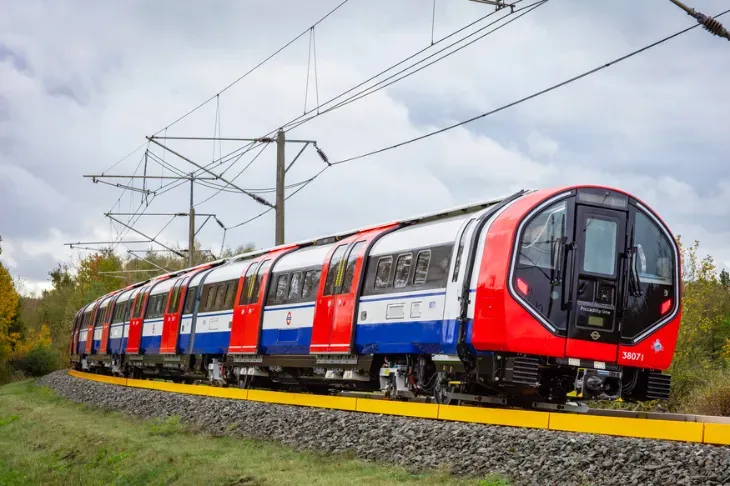
One of the most anticipated updates in London’s transport sector involves the Piccadilly Line, where TfL is set to introduce its new fleet of trains starting in late 2026. This modernisation project includes enhanced train systems designed to increase capacity and frequency. Commuters can expect three new trains per hour during peak periods, significantly improving service reliability.
In addition to the new train fleet, upgrades will include enhancements to the line’s power systems, as well as safety improvements, such as new CCTV installations in stations. While this progress necessitates planned closures—particularly during weekends—we can look forward to a more efficient and safer travel experience by the end of the upgrade process.
Oxford Street Pedestrianisation Plans
As part of an initiative to enhance urban mobility and safety, TfL is exploring the pedestrianisation of a portion of Oxford Street, a major shopping thoroughfare in London. After acquiring ownership from Westminster City Council, TfL initiated a public consultation to gauge support for this significant shift. If approved, the proposed changes could transform Oxford Street into a pedestrian-friendly environment, reducing traffic congestion and improving air quality.
The consultation spans until January 16 and aims to address community concerns while determining the extent of the pedestrian zone. Implementation is projected for the latter half of 2026, allowing for future planning concerning urban development and tourism in the area. Such a move would be a major step in creating safer spaces for pedestrians and enhancing the visitor experience in one of London’s most iconic locations.
Docklands Light Railway Improvements in 2026
The Docklands Light Railway (DLR) is undergoing essential upgrades in 2026, aimed at improving station facilities and service efficiency. Currently, the Cutty Sark station is closed for escalator replacements, which reflects TfL’s commitment to modernising transport infrastructure. Riders will be redirected to nearby stations or local bus services during this upgrade period to minimize disruption.
These DLR improvements will not only enhance the traveling experience but also increase the reliability of one of London’s key transport services. Ongoing weekend closures are planned to facilitate necessary work, ensuring that once completed, the DLR will better serve the growing demand in the Docklands area, aligning with broader improvements in London’s transport network.
Northern Line Schedule Adjustments
Beginning January 12, 2026, changes to the Northern Line’s schedule will affect commuters traveling between Camden Town and Kennington. Services will be suspended after 22:00 on weekdays, owing to crucial maintenance and enhancement works. This decision underscores the importance of regular updates to the transport system amid increasing passenger usage.
While these adjustments may present inconvenience for late-night commuters, they are crucial for ensuring the long-term reliability and safety of the network. By improving infrastructure, TfL aims to meet the needs of an evolving London transport landscape and prepare for anticipated increases in ridership.
Vehicle Discounts and Sustainability Initiatives
As part of London’s commitment to sustainability, the Cleaner Vehicle Discount will see significant changes in early 2026. The complete elimination of the existing 100% discount for electric vehicles will pave the way for a new tiered discount system. These initiatives aim to encourage the transition to cleaner transport options, aligning with broader environmental goals and efforts to reduce air pollution in the city.
The introduction of variable discounts based on vehicle type not only incentivizes the adoption of electric vehicles but also promotes responsible driving within the congestion charge zone. By offering substantial reductions for electric vans and cars, TfL hopes to mitigate environmental impacts while maintaining efficient urban transport.
Future of Transport in London
Looking beyond 2026, the future of London’s transportation landscape promises extensive changes that will further address urban mobility challenges. With planned integration of technology and improvements in infrastructure, TfL envisions a seamless and efficient public transport network that accommodates the needs of growing urban populations. Innovations such as smarter ticketing systems and better connectivity between different transport modes may redefine how Londoners travel.
Furthermore, initiatives focused on cycling and walking infrastructure are gaining traction, supporting a holistic approach to transport that prioritizes sustainability and public health. As outlined in TfL’s long-term plans, the continued investment in transport modernization is essential for fostering a vibrant and accessible London.
Community Engagement in Transport Planning
Community involvement plays a critical role in shaping the evolution of London’s transport system. The recent consultation on Oxford Street pedestrianisation highlights the importance of public feedback in such projects, ensuring that developments align with residents’ needs and aspirations. By integrating community insights, TfL is better positioned to plan and implement effective transport solutions.
Engaging the public in discussions about transport changes not only promotes transparency but also aids in building trust and securing support for upcoming initiatives. Continuous dialogue with stakeholders and local communities will be vital as TfL progresses toward a more inclusive and responsive transportation framework for London.
Frequently Asked Questions
What are the upcoming TfL updates for 2026 regarding London’s transport system?
In 2026, Transport for London (TfL) plans several updates, including changes to the congestion charge, upgrades to the Piccadilly line, and pedestrianisation efforts on Oxford Street. These updates aim to modernize the transport network and improve passenger experience.
How will the London congestion charge change in 2026?
Starting January 2, 2026, the London congestion charge will increase from £15 to £18 for daily charges if paid in advance. New discounts for electric vehicles will also be implemented alongside adjustments for residents’ discounts.
What improvements are planned for the Piccadilly line in 2026?
In 2026, the Piccadilly line will see the introduction of new trains to replace the outdated 1970s fleet. This upgrade aims to enhance service frequency and performance with planned improvements including a better power system and installation of new safety features.
When will the Oxford Street pedestrianisation plans be implemented?
If public consultation supports the plans, pedestrianisation of Oxford Street could begin in the second half of 2026. The project aims to create a safer environment for pedestrians and reduce traffic congestion.
What are the major DLR improvements expected in 2026?
The DLR is undergoing significant improvements in 2026, including the replacement of escalators at Cutty Sark station. Further upgrade works are expected to lead to temporary station closures, enhancing the overall travel experience on the line.
How will changes to London’s transport affect traffic and congestion in 2026?
The planned changes, including adjustments to the congestion charge and upgrades to public transportation like the Piccadilly line, are designed to reduce traffic congestion in London, ultimately promoting the use of public transport over personal vehicles.
What ongoing projects will complement the London transport changes in 2026?
In 2026, ongoing projects like the conversion of roundabouts into traffic signals at Lambeth Bridge, along with improvements on the A23, will complement TfL’s broader strategy to enhance vehicle flow and prioritize cycling and pedestrian safety throughout London.
| Area of Change | Details | Effective Date |
|---|---|---|
| Congestion Charge Changes | Increase in daily congestion charge from £15 to £18 if paid in advance, with new Cleaner Vehicle Discount for electric vehicles and modifications for Residents’ Discount. | January 2, 2026 |
| Piccadilly Line | Introduction of 94 new trains, allowing three additional trains during peak times; upgrades to power system and platform adjustments. | July – December 2026 |
| Northern Line | Service suspension between Camden Town and Kennington (via Bank) after 22:00 from January 12 due to improvement works. | January 12, 2026 |
| Docklands Light Railway (DLR) | Cutty Sark station closed until spring for escalator replacements; weekend closures for upgrade work between stations. | Spring 2026 |
| Oxford Street | Proposed pedestrianisation being considered; public consultation running until January 16. | Possible implementation in the second half of 2026 |
| Ongoing Projects | Replacing roundabouts at Lambeth Bridge with traffic lights and enhancing pedestrian/cycle lanes; A23 improvement. | Expected completion by summer 2026 / Spring 2027 |
Summary
London transport changes in 2026 are set to significantly reshape the commuting experience across the capital. With updates such as the scheduled increase in congestion charges, the introduction of new trains on the Piccadilly line, and proposed pedestrianisation of Oxford Street, the Next few years will witness a dynamic evolution in the transportation infrastructure. These changes reflect a commitment to sustainability and improved travel efficiency in London, encouraging residents and visitors alike to adapt to a more modern and greener urban mobility environment.